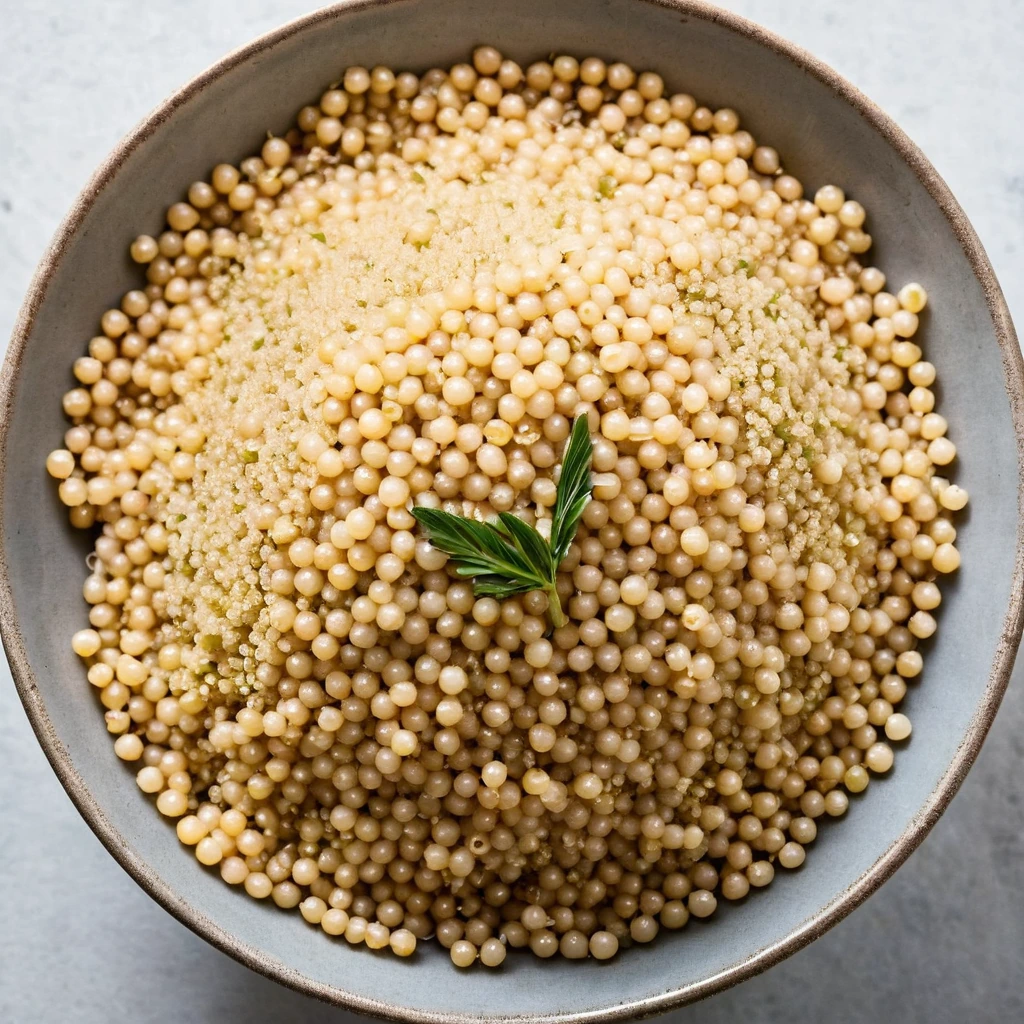
Couscous Pearls (Israeli Couscous)
Couscous pearls, commonly referred to as Israeli couscous, are larger and toasty in comparison to traditional Moroccan couscous. Originating from Israel, these tiny golden spheres are technically a pasta made from semolina wheat, rather than a grain. They boast a nutty flavor and a pleasantly chewy texture when cooked, offering a satisfying mouthfeel. When added to dishes, they absorb flavors well and maintain their shape, making them ideal for salads, stews, and pilafs. Due to their hearty nature, they take a bit longer to cook than their Moroccan counterpart, requiring a gentle simmer to achieve the perfect al dente bite.
Notes
When selecting couscous pearls, opt for ones that are uniform in size and have a vibrant color. Store them in an airtight container in a cool, dark pantry for up to two years. Before cooking, consider toasting them in a dry skillet to enhance their nutty flavor. Couscous pearls are gluten-containing, so they are not suitable for individuals with celiac disease or gluten sensitivity. Ensure they are cooked thoroughly to avoid any uncooked centers.
Uses
- Salad base
- Stews and soups
- Pilaf side dish
- Vegetable medley
- Stuffed peppers
- Baked casseroles
- Grain bowls
You might also like
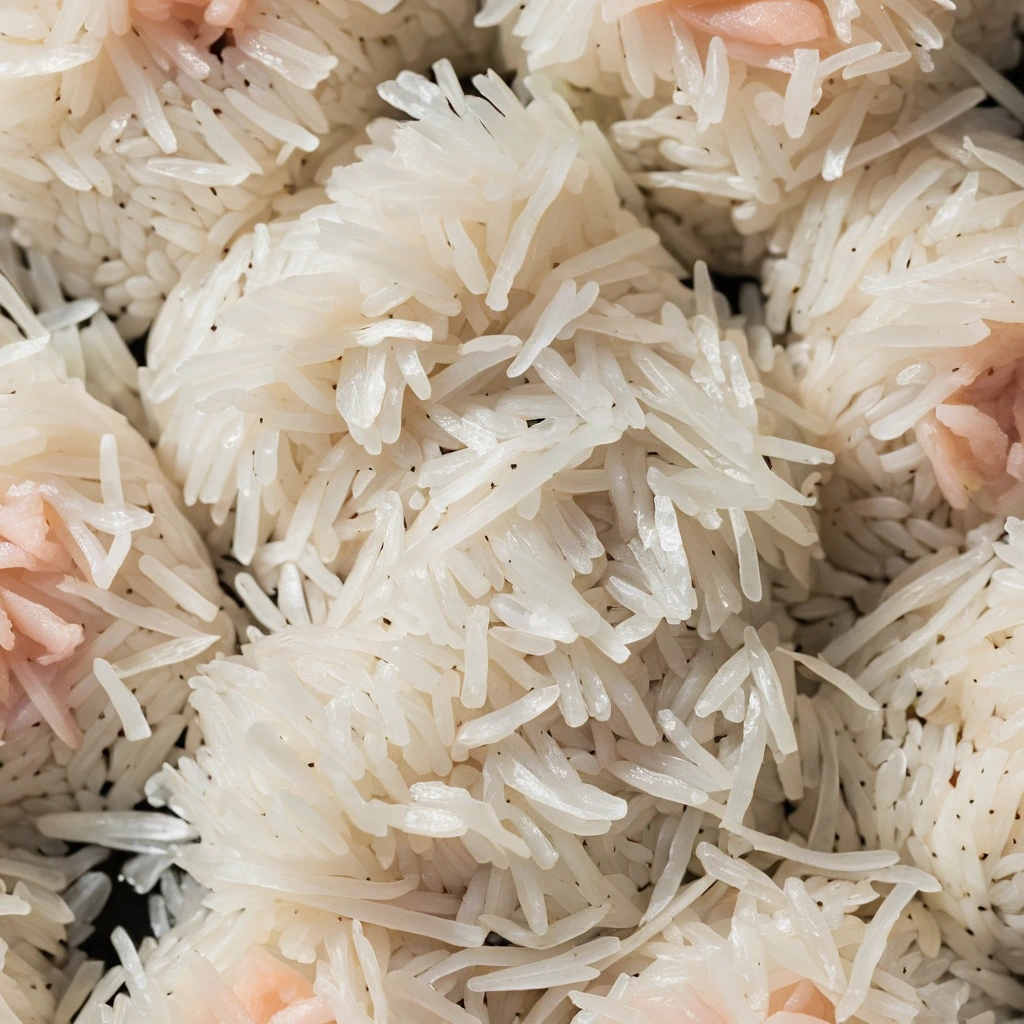
Sushi Rice
Sushi rice, also known as uruchimai or shari, is a short-grain Japanese rice variety prized for its ability to form firm, sticky clumps ideal for sushi-making. Originating in Japan, it has become a staple in East Asian cuisine. The rice has a subtly sweet and slightly tangy flavor profile, thanks to the traditional seasoning of vinegar, sugar, and salt added post-cooking. Its texture is soft and glossy, with a pleasant chewiness that holds together well when shaped. When cooking, sushi rice requires precise rinsing to remove excess starch, followed by careful steaming to achieve the desired consistency. Its unique properties allow it to absorb flavors while maintaining structure, making it indispensable in sushi and beyond.

Grapes
Grapes are small, round fruits that grow in clusters on vines, primarily cultivated in temperate zones around the world. Originating from the Near East, they have been cultivated for thousands of years and are integral to many cuisines and cultures, notably in winemaking. Grapes come in a variety of colors including green, red, purple, and black, each offering a unique flavor profile. They are known for their sweet yet slightly tart taste, with a pleasant, fruity aroma. Their texture is firm yet yielding, with a satisfying pop when bitten into, and they house a small, crunchy seed in many varieties, though seedless types are commonly found in markets. In cooking, grapes can be used fresh or dried, and they behave well in both sweet and savory dishes, contributing natural sweetness and vibrant color.
Recipes to try
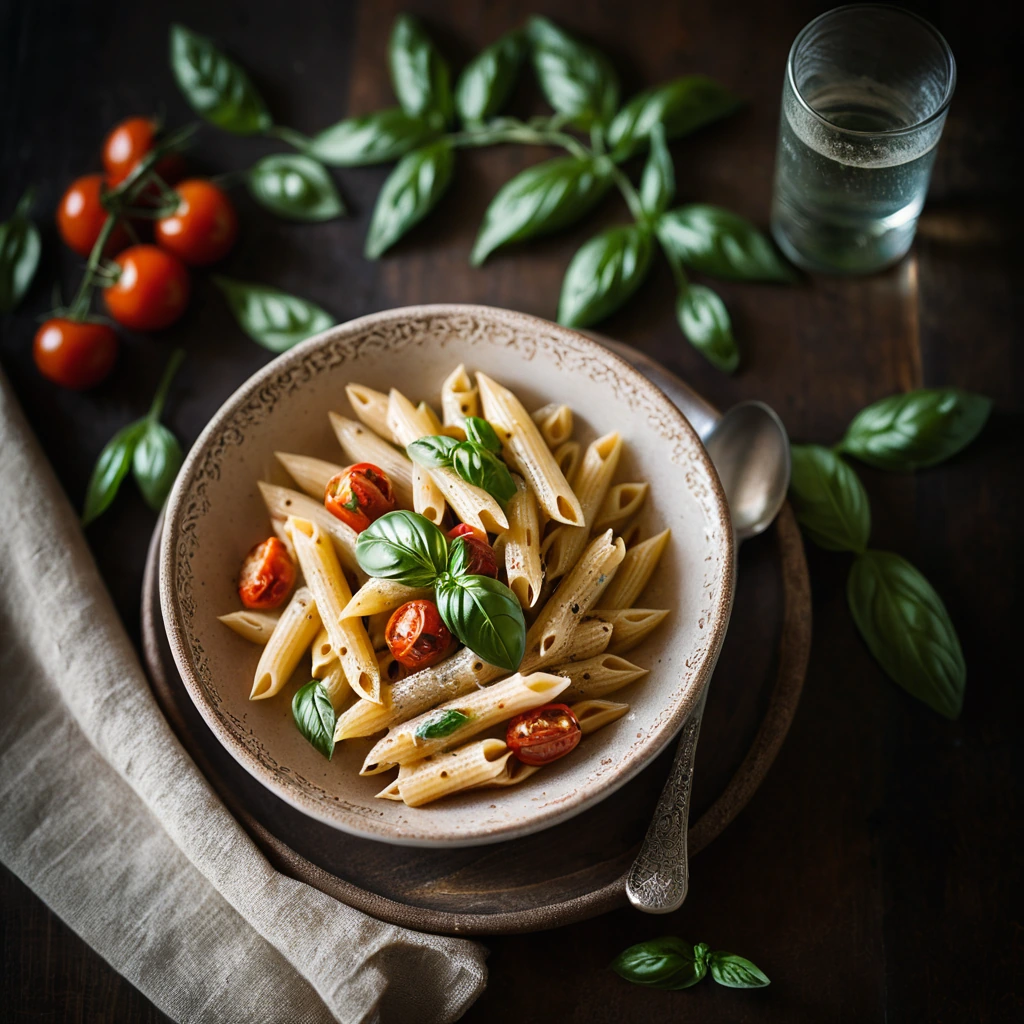
Roasted Tomato and Basil Cream Penne
Sun-kissed roasted tomatoes meld with creamy sauce and fresh basil for a penne that's both comforting and vibrant.

Sausage and Spinach Stuffed Shells Bake
Creamy ricotta and hearty sausage nestled in pasta shells, crowned with a blanket of melted mozzarella and fresh spinach.