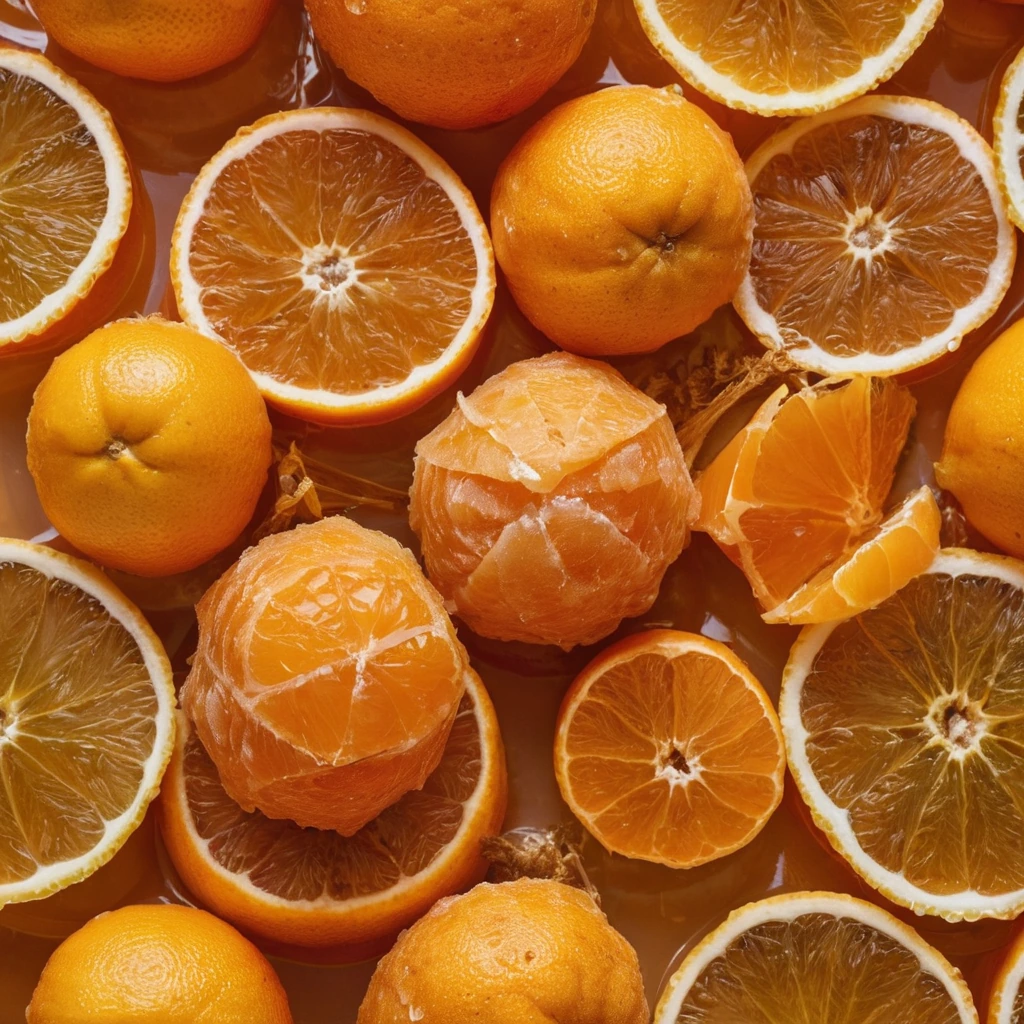
Marmalade
Marmalade is a fruit preserve that is distinguished by its inclusion of fruit peel, most commonly from citrus fruits like oranges, lemons, or grapefruits. Originating in Europe, particularly in regions where citrus fruits were abundant, marmalade has a rich history and cultural significance. Its flavor is a delightful balance of sweet and tangy, with a bitter edge contributed by the peel. The texture is typically firm yet spreadable, with visible fruit pieces that offer a pleasant chew. In cooking, marmalade is versatile; it can be used as a spread, a glaze, or an ingredient in baking. It tends to add both sweetness and acidity to dishes, enhancing the depth of flavor in both sweet and savory preparations.
Notes
When selecting marmalade, look for brands with minimal added sugar and high fruit content for a more natural taste. Store unopened marmalade in a cool, dark pantry for up to a year. Once opened, keep it in the refrigerator for several months. Always check for mold before use. For those with dietary restrictions, some marmalades may contain pectin derived from animal sources, so check labels if necessary.
Uses
- Toast topping
- Glaze for ham
- Cake filling
- Scone accompaniment
- Charcuterie board
You might also like
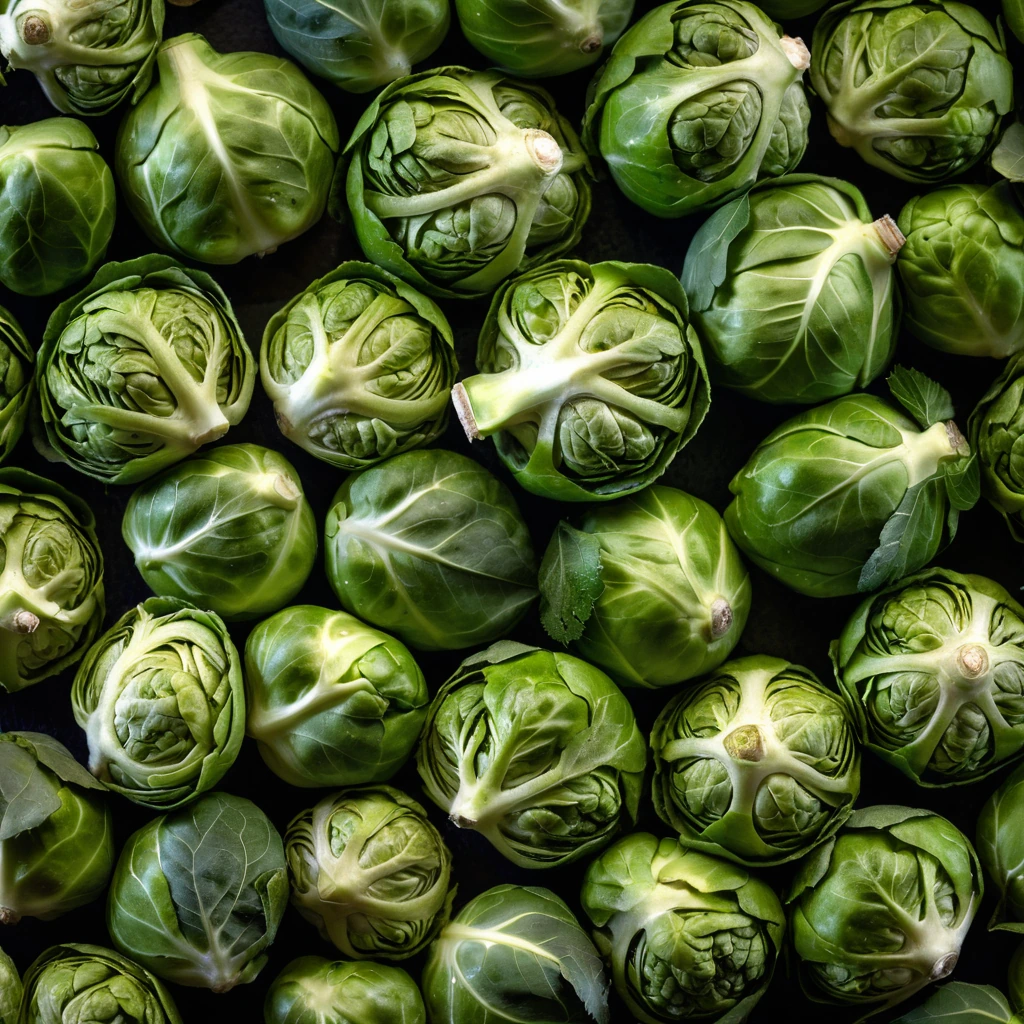
Brussels Sprouts
Brussels sprouts are small, leafy green vegetables that belong to the brassica family, which also includes kale and cabbage. Originating in Belgium, they have been cultivated for centuries and are now enjoyed worldwide, particularly in autumn and winter. Their flavor is robust and slightly bitter with a subtle sweetness that develops when cooked. Brussels sprouts have a firm texture when raw, turning tender yet maintaining a satisfying crunch when properly cooked. In the kitchen, they are versatile and can be roasted, sautéed, steamed, or even grilled, browning nicely to enhance their natural sugars and creating a delightful caramelized exterior.
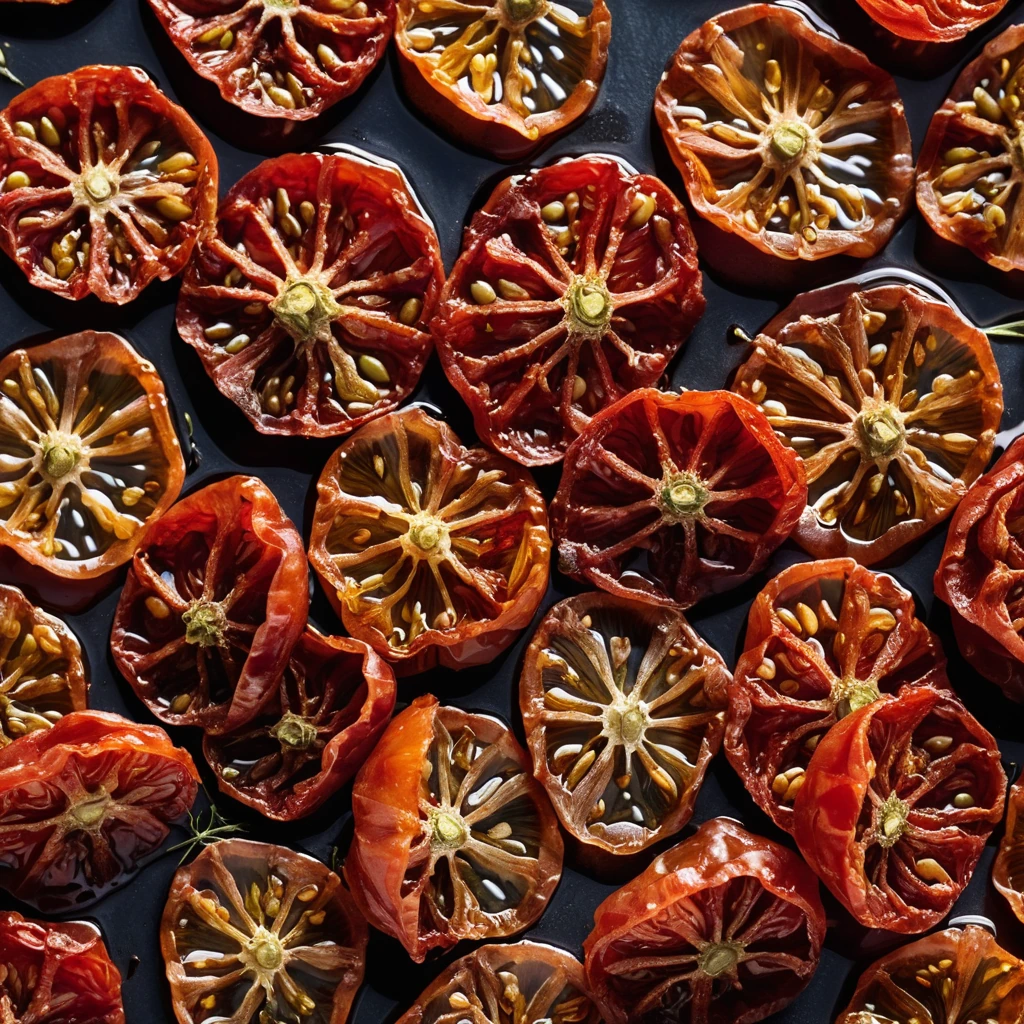
Sun-Dried Tomatoes in Oil
Sun-dried tomatoes in oil are a flavorful and convenient pantry staple, made from ripe tomatoes that have been slowly dried under the sun to intensify their taste. Originating from Mediterranean countries, particularly Italy, these tomatoes are preserved in oil to maintain their texture and enhance their rich, tangy, and slightly sweet flavor. The oil they are packed in often infuses with their essence, making it a valuable cooking ingredient in itself. Their chewy texture adds a delightful contrast to dishes, and they are versatile in cooking, capable of softening when heated or maintaining their texture when used raw. Sun-dried tomatoes in oil can brighten sauces, salads, and pastas with their concentrated tomatoey goodness.
Recipes to try
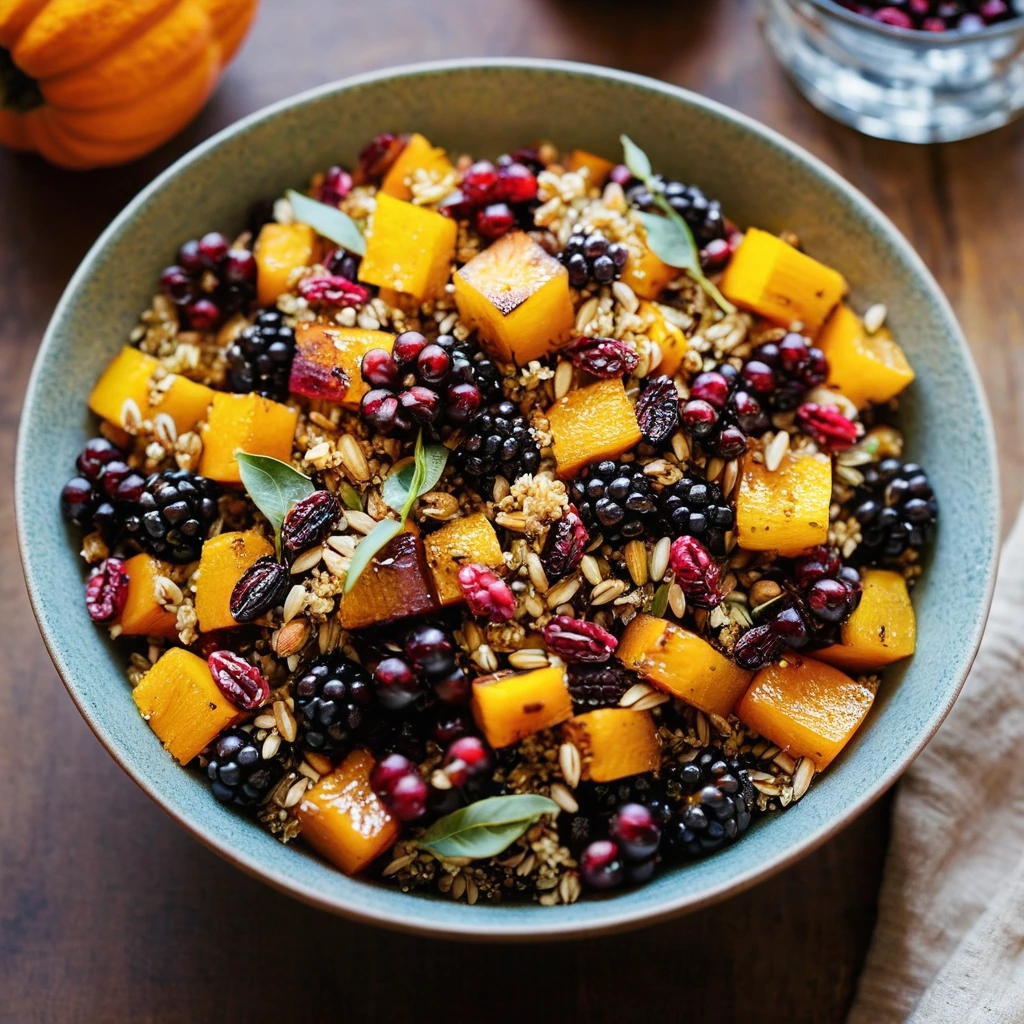
Warm Quinoa Salad with Roasted Squash and Cranberries
A cozy mix of nutty quinoa, tender roasted squash, and sweet cranberries makes this salad a fall favorite.
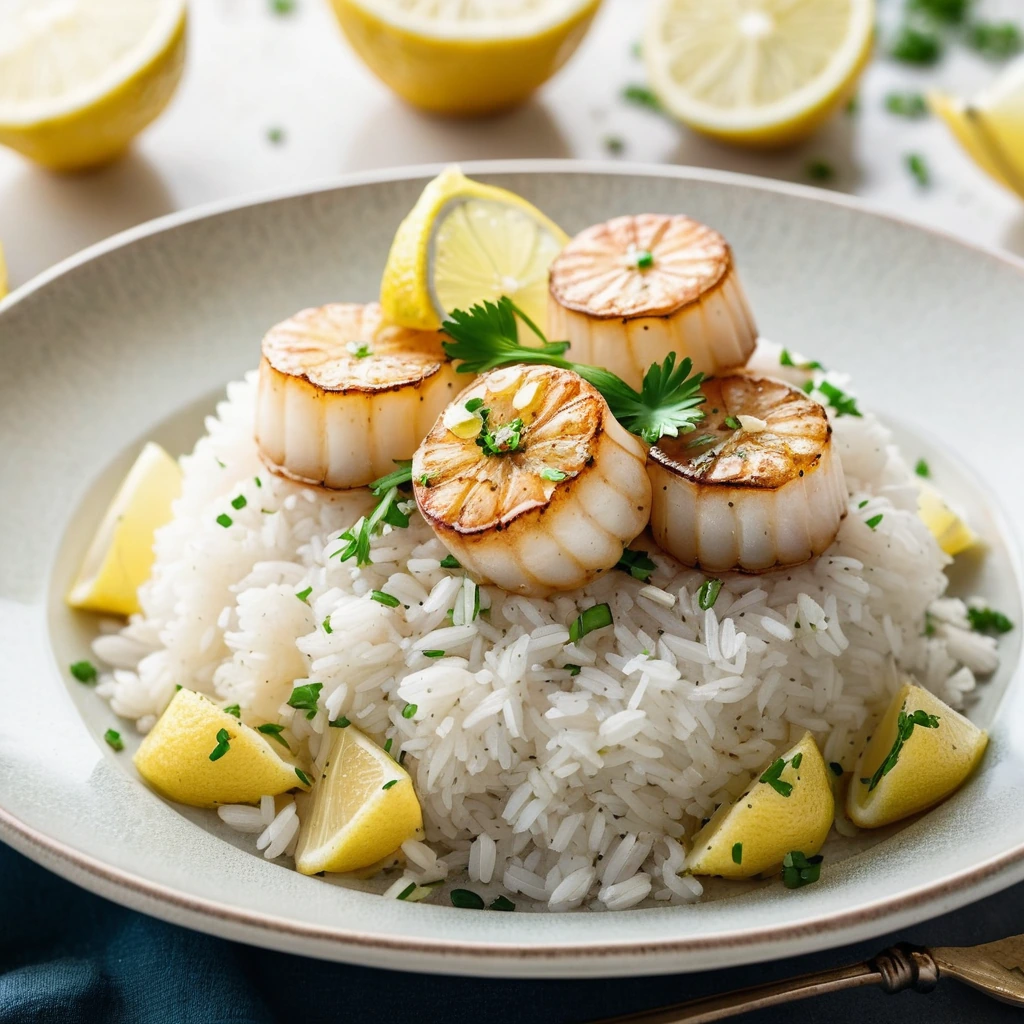
Lemon Garlic Butter Scallops over Rice
Tender scallops kissed with lemon and garlicky butter, served over fluffy white rice for a luxurious yet simple dinner.