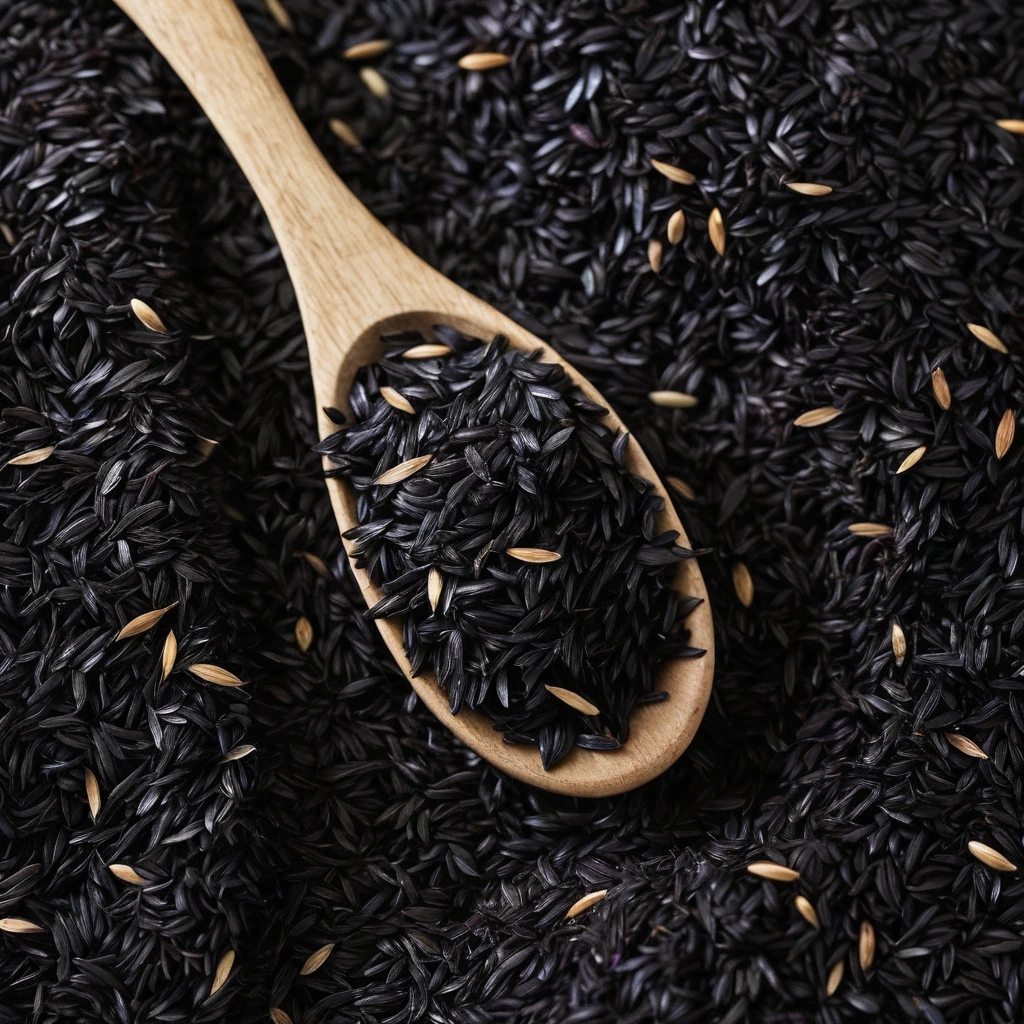
Black Rice
Black rice, also known as forbidden rice, is an ancient grain with a rich history originating in Asia, particularly China, where it was once reserved for consumption by royalty. This unique rice boasts a deep, almost purplish-black color due to its high anthocyanin content, which also contributes to its nutty and slightly earthy flavor profile. Its texture is chewy and firm, making it an excellent choice for dishes where grains maintain their shape. In cooking, black rice behaves well, holding up to long simmering times without becoming mushy, and it adds a striking visual contrast to dishes. Its natural color does not fade during cooking, ensuring that dishes remain vibrant and appealing.
Notes
When selecting black rice, look for grains that are whole and free from cracks or discoloration. Store it in an airtight container in a cool, dark place, where it can keep for up to six months. For longer storage, consider refrigeration or freezing. Before cooking, rinse the rice to remove excess starch. Note that black rice takes longer to cook than white rice, usually around 30 to 40 minutes, and it is gluten-free, making it suitable for those with gluten intolerance.
Uses
- Salads
- Stir-fries
- Risotto
- Pudding
- Sushi
- Breakfast porridge
Replacements
- Brown rice
- Wild rice
- Quinoa
- Barley
- Purple sweet potatoes (for color)
You might also like
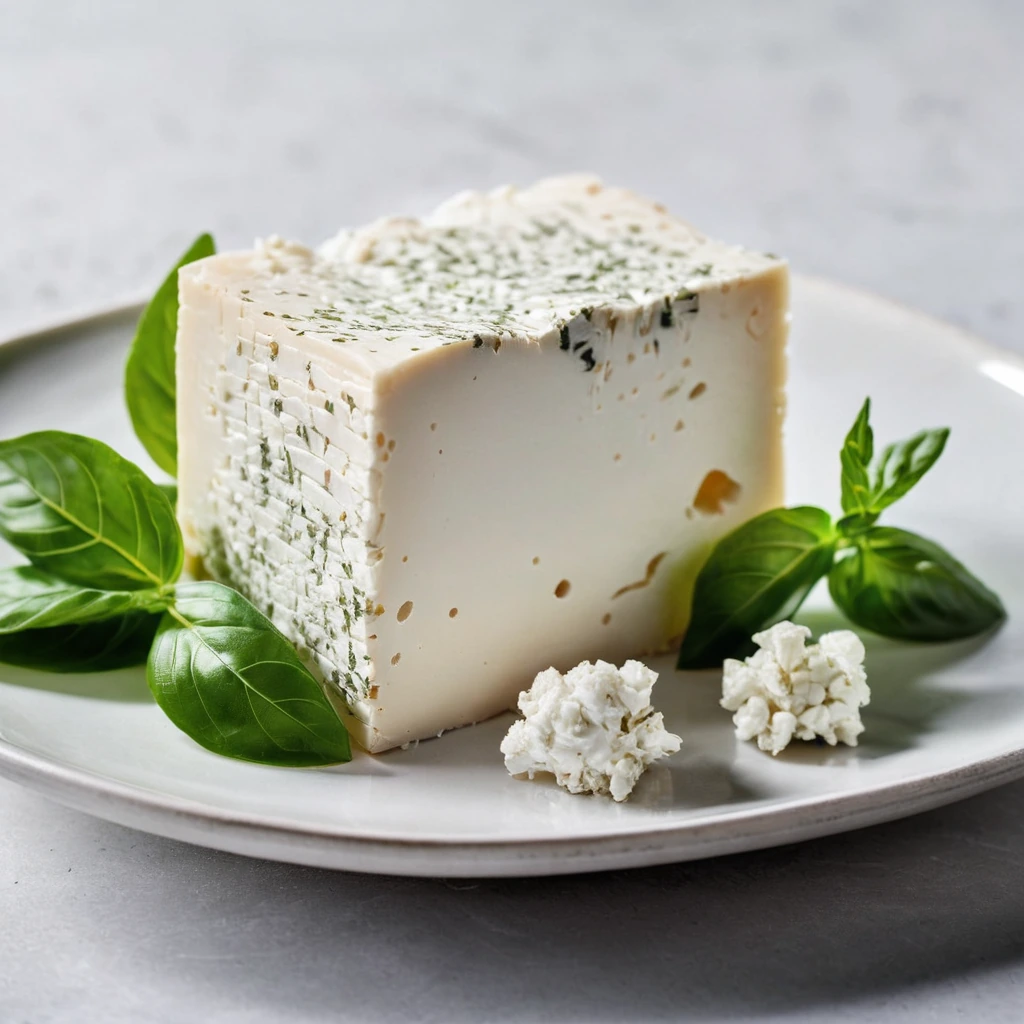
Feta Cheese
Feta cheese is a tangy, crumbly delight hailing from Greece, known for its distinctive briny flavor and creamy texture. Aged in a saltwater brine, it offers a taste that dances between salty and sharp, making it a beloved ingredient in Mediterranean cuisine.
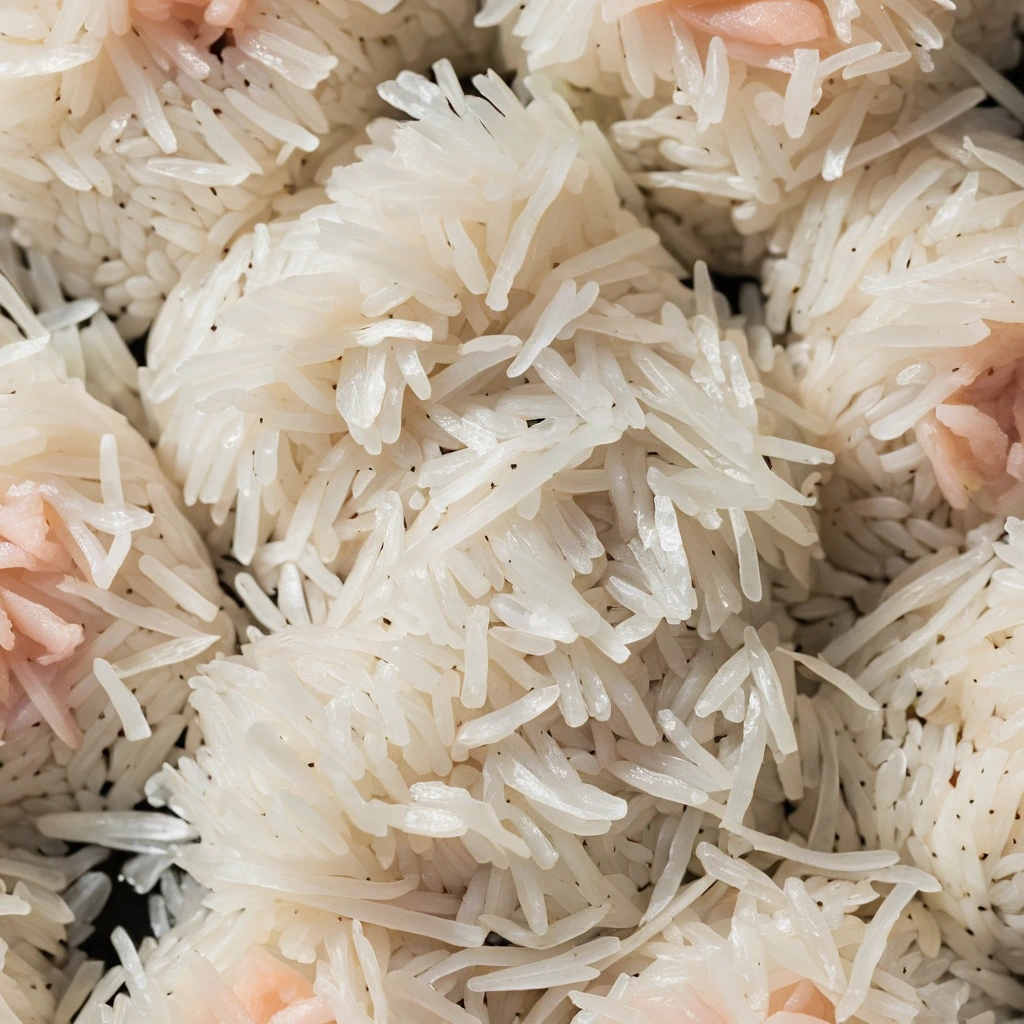
Sushi Rice
Sushi rice, also known as uruchimai or shari, is a short-grain Japanese rice variety prized for its ability to form firm, sticky clumps ideal for sushi-making. Originating in Japan, it has become a staple in East Asian cuisine. The rice has a subtly sweet and slightly tangy flavor profile, thanks to the traditional seasoning of vinegar, sugar, and salt added post-cooking. Its texture is soft and glossy, with a pleasant chewiness that holds together well when shaped. When cooking, sushi rice requires precise rinsing to remove excess starch, followed by careful steaming to achieve the desired consistency. Its unique properties allow it to absorb flavors while maintaining structure, making it indispensable in sushi and beyond.
Recipes to try
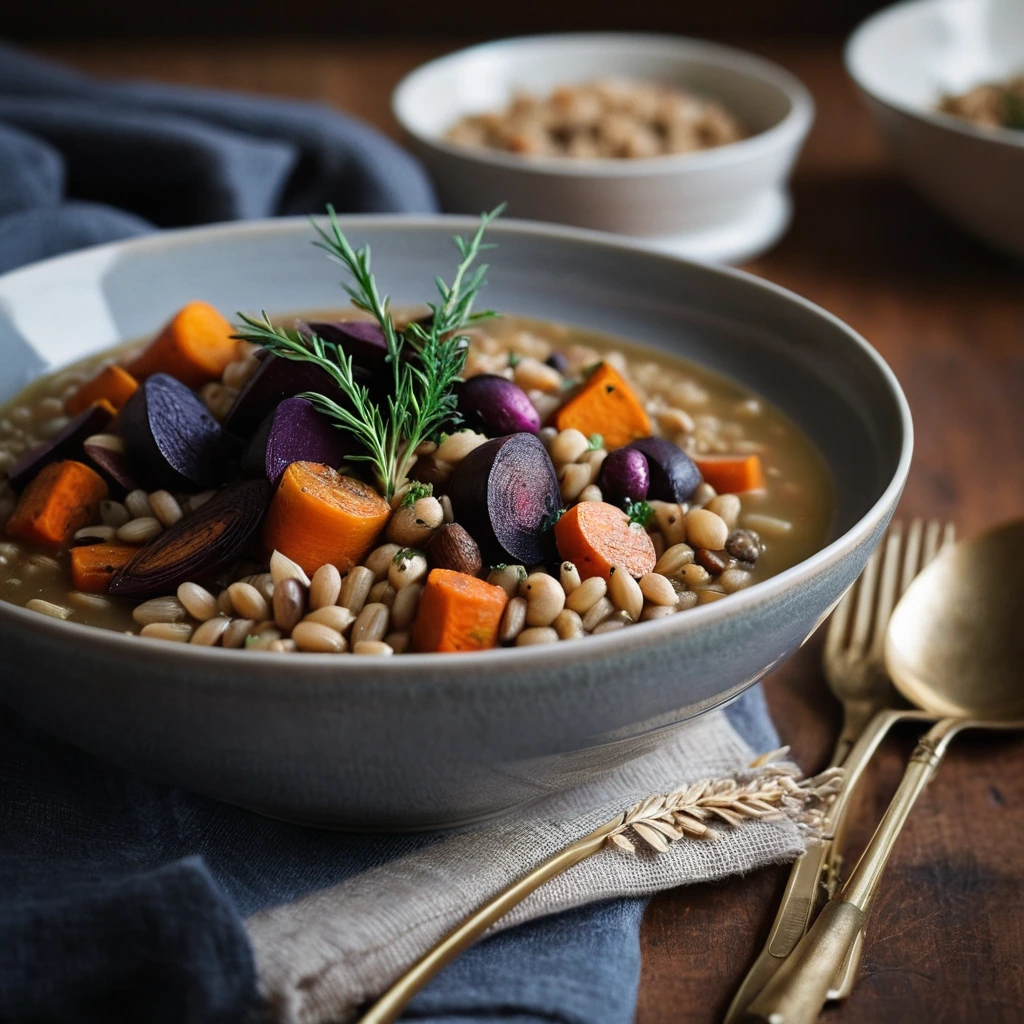
Roasted Root Vegetable and Barley Stew
Hearty and deeply flavorful, this stew marries caramelized root veggies with chewy barley for a comforting bowlful of warmth.
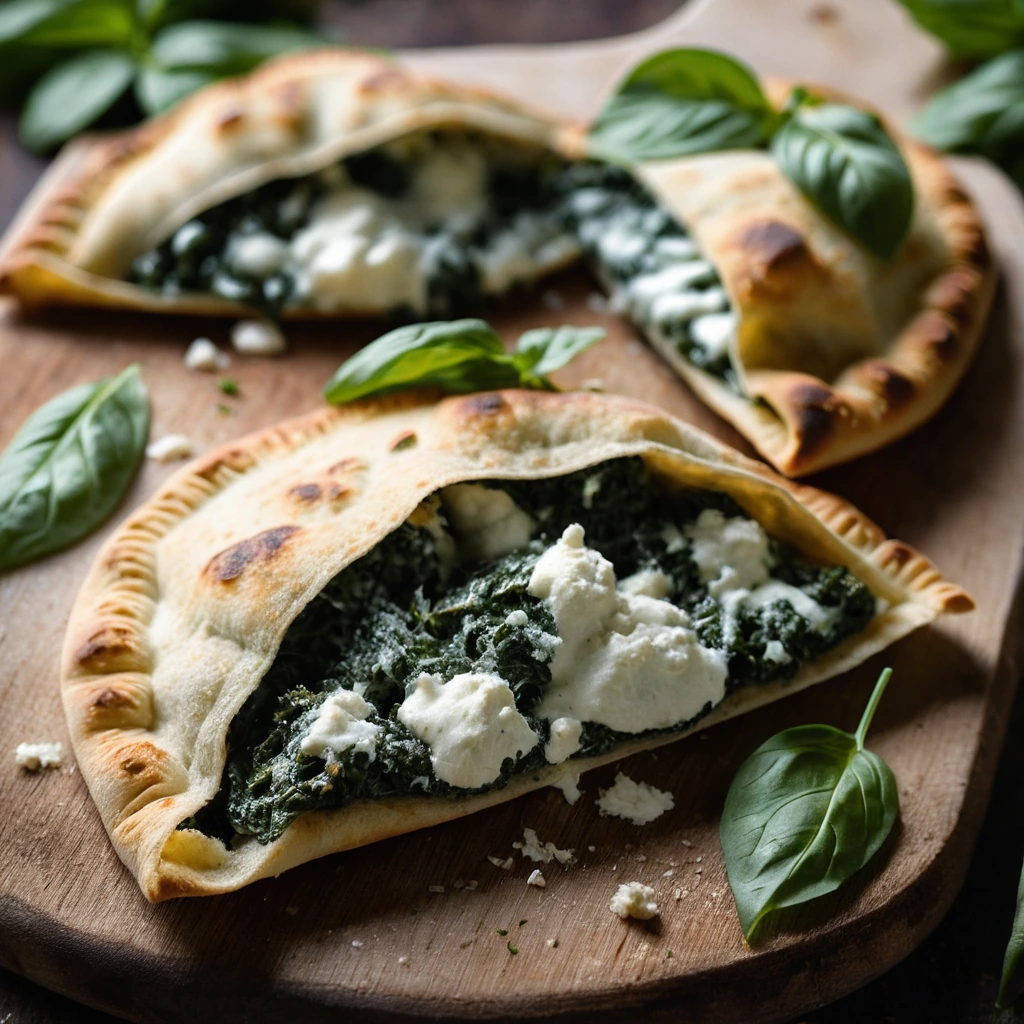
Spinach and Ricotta Stuffed Pizza Pockets
Golden, crispy pockets filled with a creamy ricotta and spinach blend that'll have you reaching for seconds.