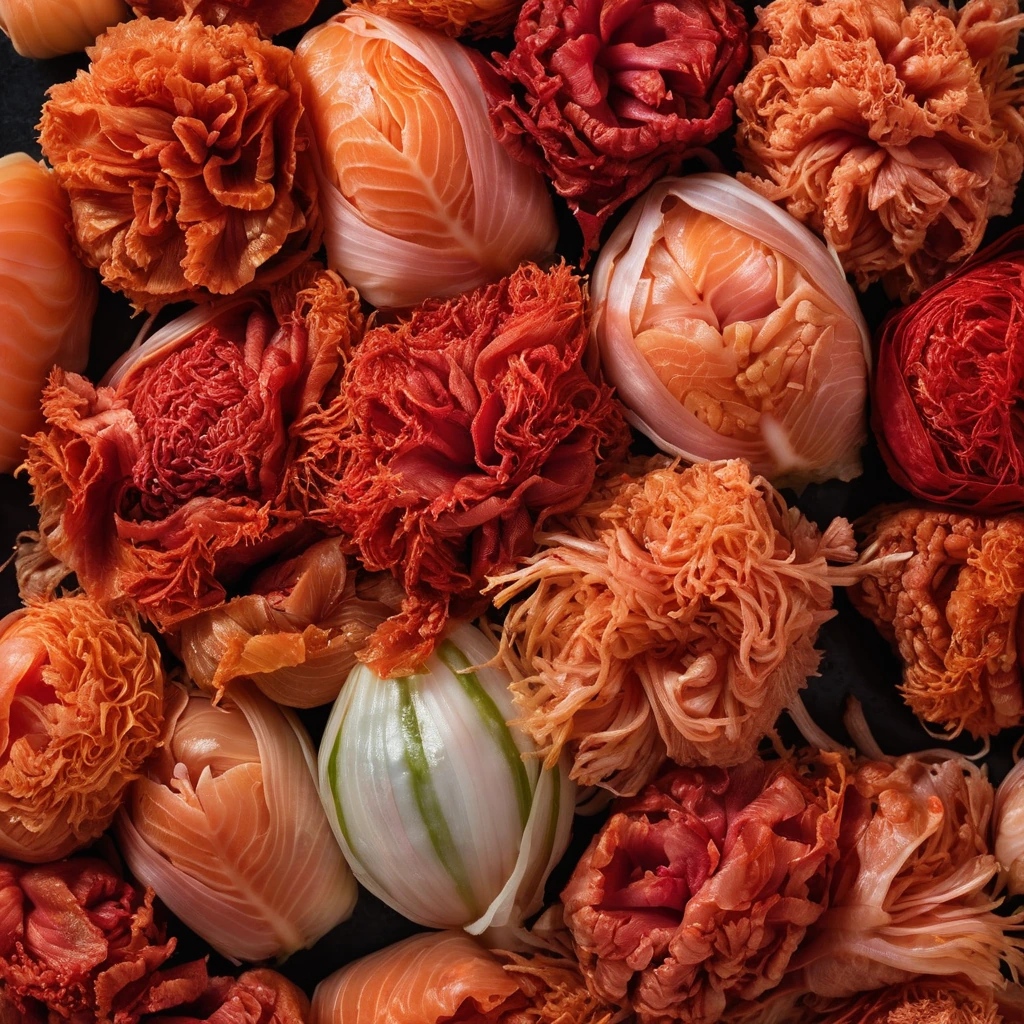
Kimchi
Kimchi is a traditional Korean side dish made primarily from fermented vegetables, most commonly napa cabbage and Korean radishes. Originating in Korea, it has become a staple in Korean cuisine, with a history dating back centuries. The flavor profile of kimchi is complex, featuring a tangy, spicy, and slightly sour taste due to the fermentation process, often enhanced by the addition of chili pepper, garlic, ginger, and jeotgal (fermented seafood). Its texture is crunchy yet softened by fermentation, offering a satisfying mouthfeel. In cooking, kimchi adds depth of flavor and a unique tanginess to dishes. It can be used fresh or cooked, and its fermentation qualities allow it to improve with age, developing even richer flavors over time.
Notes
When selecting kimchi, look for vibrant colors and a firm texture, indicating freshness. Store it in the refrigerator to maintain its crispness and slow down further fermentation; it can keep for several weeks. Be sure to seal it tightly to prevent odors from permeating your fridge. Kimchi is often gluten-free, but check labels as some brands use fish sauce that contains gluten. Handle with care as the spicy paste can cause irritation to cuts or sensitive skin.
Uses
- Side dish with meals
- Kimchi fried rice
- Baked in quiche
- Kimchi jjigae (stew)
- Burger topping
- Kimchi pancakes
- Pizza topping
Replacements
- Sauerkraut for tanginess
- Pickled vegetables for crunch
- Miso paste for umami
- Hot sauce for spice
- Fermented chili paste for complexity
You might also like
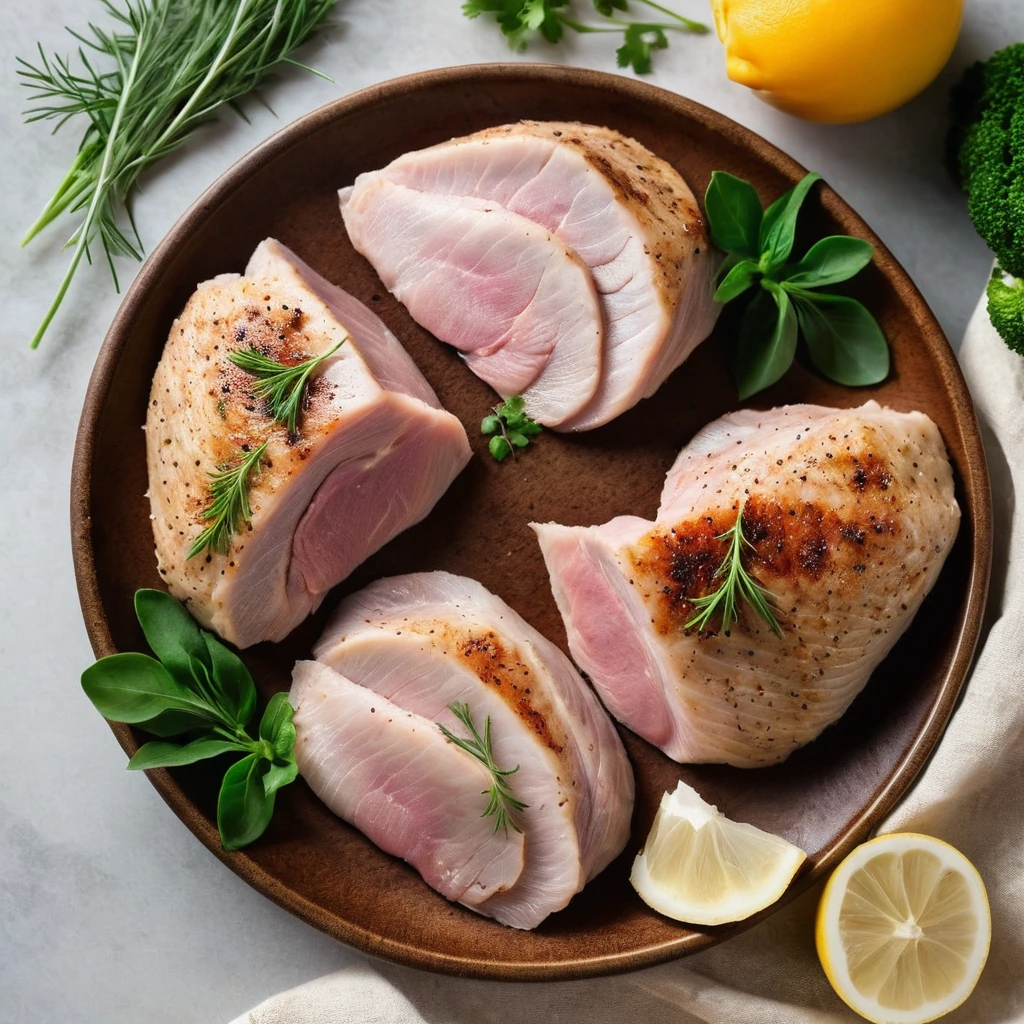
Turkey Breast Cutlets
Succulent and tender slices of turkey breast, boasting a mild, savory flavor that's both versatile and delightful. Each cutlet is lean yet juicy, perfect for a wholesome meal.
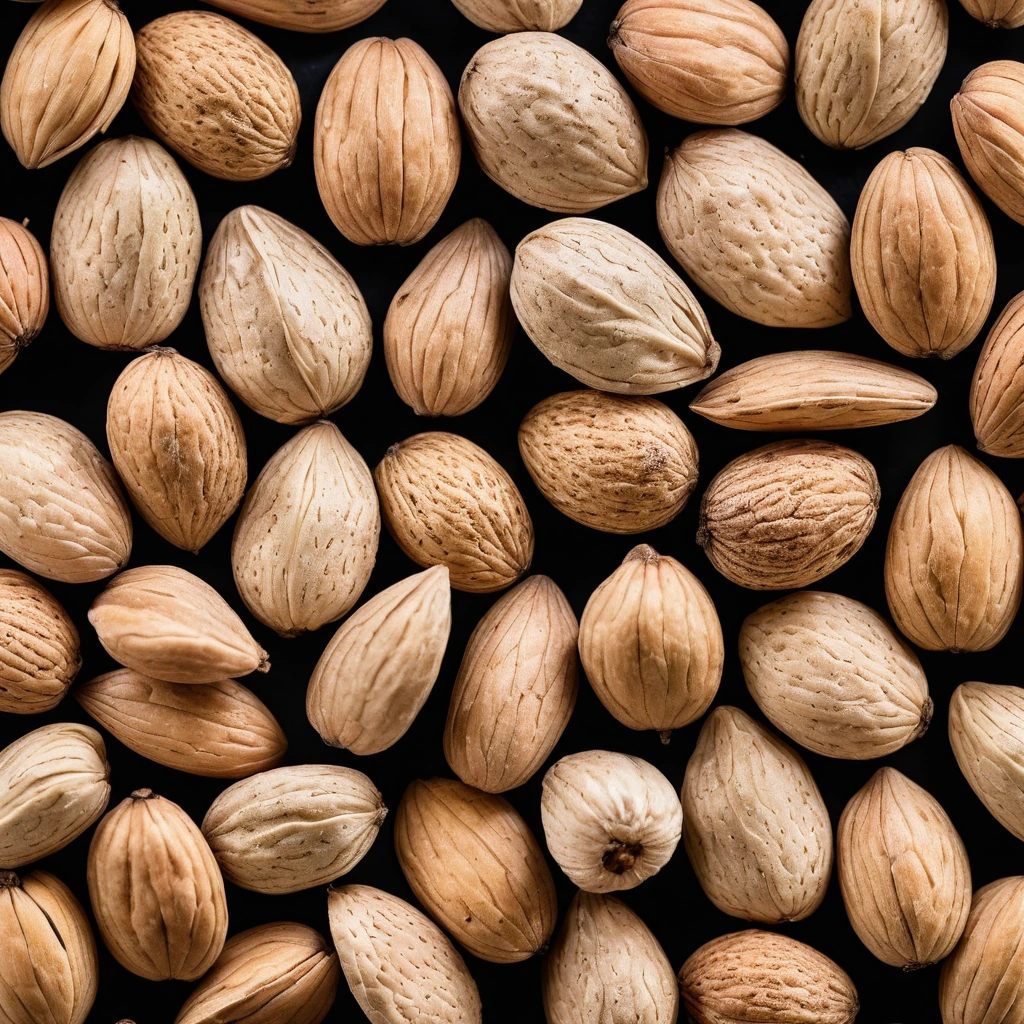
Blanched Almonds
Blanched almonds are almonds that have had their skins removed through a brief immersion in hot water. Originating from the Mediterranean region, these almonds are prized for their smooth texture and mild, nutty flavor. Without the skin, they offer a subtler taste compared to their unblanched counterparts, making them versatile in both sweet and savory dishes. Their tender texture makes them pleasant to eat raw or incorporated into recipes. In cooking, blanched almonds are often ground into almond flour or almond butter, used to thicken soups, or added to baked goods for a nutty richness without the bitterness that the skin can impart. They are also favored in traditional European and Middle Eastern desserts, contributing a delicate crunch and nutty depth.
Recipes to try
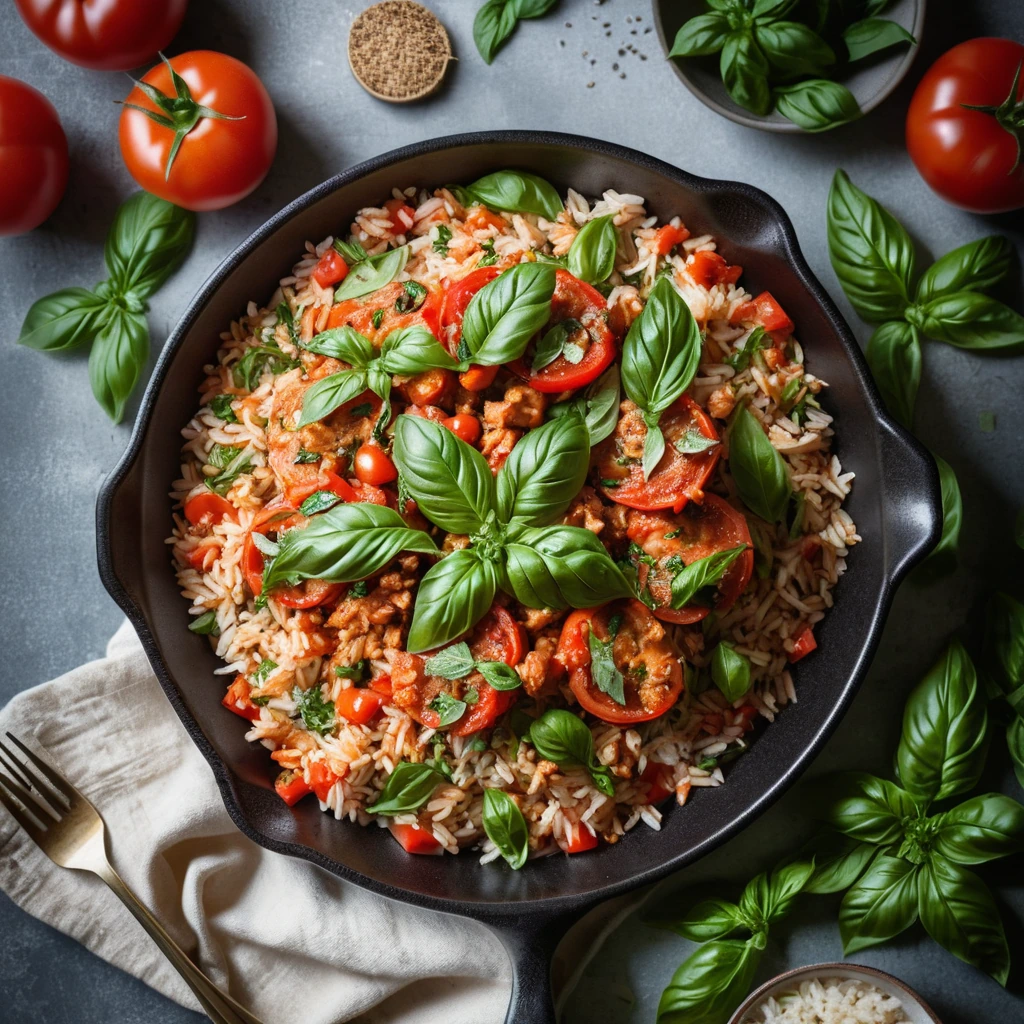
Tomato Basil Chicken and Rice Skillet
Golden chicken and fluffy rice simmered in a vibrant tomato-basil sauce, bursting with fresh garden flavors.
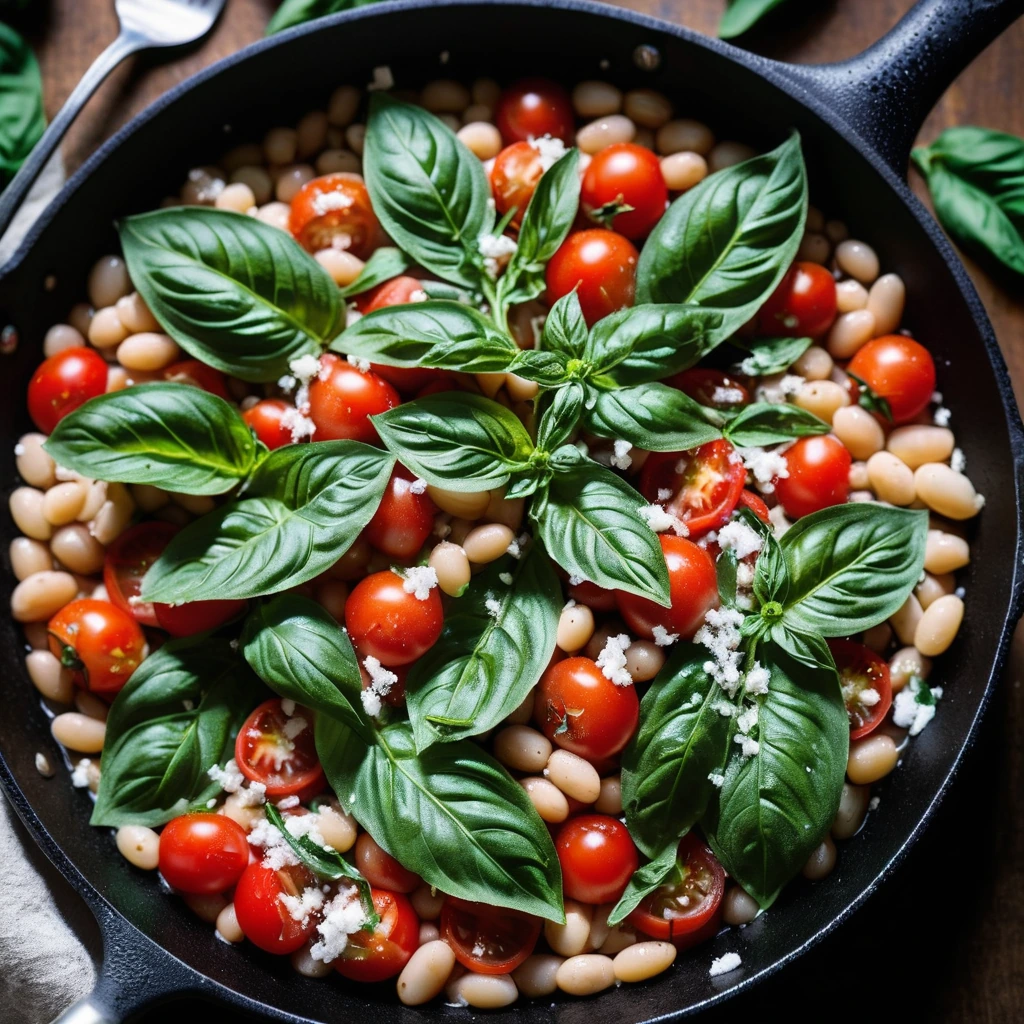
Tomato Basil White Bean Skillet with Parmesan
A comforting skillet packed with creamy white beans, ripe tomatoes, and fragrant basil, all topped with a generous sprinkle of Parmesan.