
Ground Bison
Ground bison is a lean, nutrient-rich alternative to traditional ground beef, derived from the American bison, a species native to North America. Bison meat has a distinctive flavor profile that is slightly sweeter and richer than beef, with a hint of minerality that reflects its natural grazing habits. Its texture is firm yet tender, with less fat content than beef, which can lead to a denser patty if not handled properly. In cooking, ground bison benefits from gentle handling and additional fat or moisture to prevent dryness, as it can brown quickly and has a tendency to overcook due to its lower fat content.
Notes
When selecting ground bison, look for a deep red color and minimal packaging date for freshness. Store it in the refrigerator for up to two days or freeze for longer-term storage, up to three months. To mitigate leanness, mix with a small amount of fat like olive oil or bacon grease when cooking. Bison is an excellent choice for those monitoring fat intake but note that it is not suitable for those with beef allergies, as cross-reactivity can occur.
Uses
- Bison burgers
- Meatballs
- Tacos
- Bolognese sauce
- Stuffed peppers
- Breakfast patties
Replacements
- Ground beef (lean)
- Ground venison
- Ground turkey (with added fat)
- Ground lamb
- A mix of ground pork and beef
You might also like
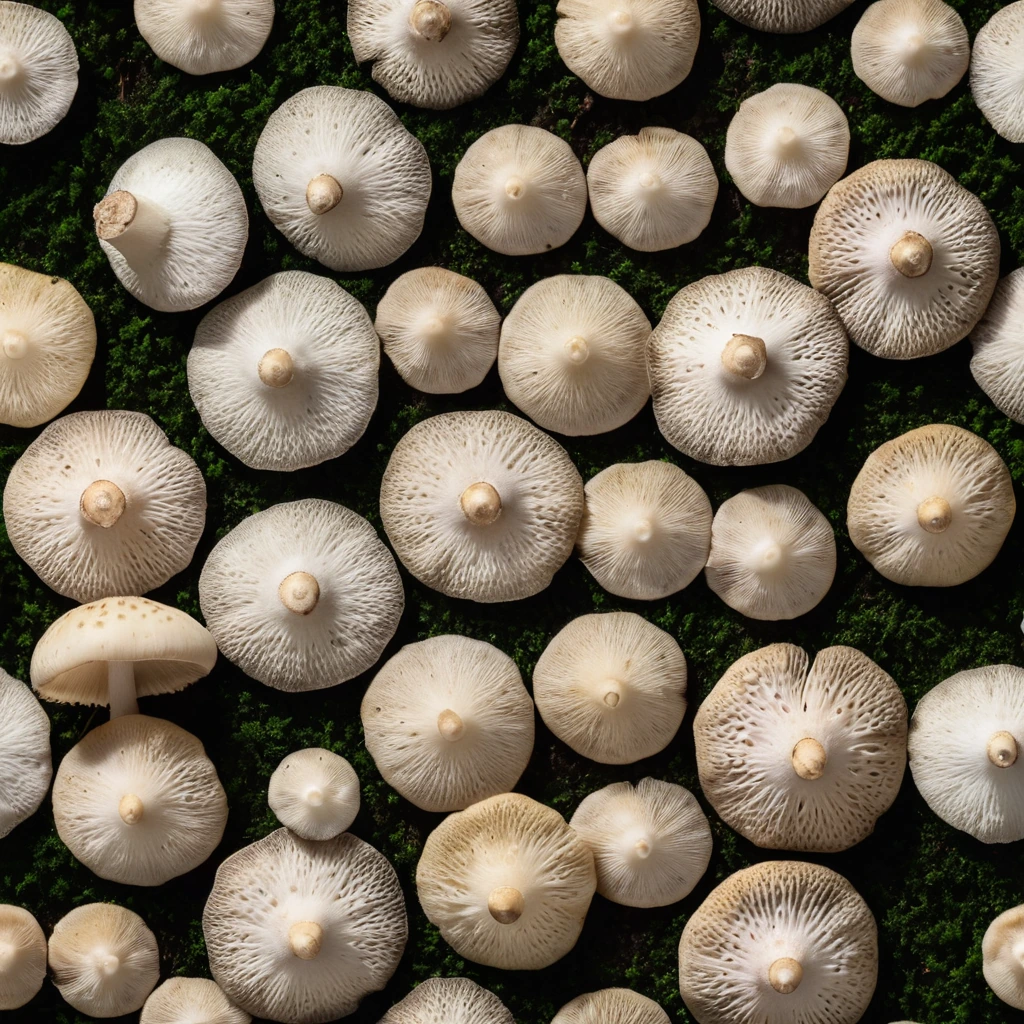
White Button Mushrooms
White button mushrooms are a common variety of mushroom found in most grocery stores across the United States. They are essentially young cremini mushrooms, harvested before they have had a chance to mature. Known for their mild flavor and firm texture, these mushrooms offer a subtle, earthy taste with a hint of nuttiness. When cooked, they develop a tender yet satisfyingly meaty texture, making them a versatile ingredient in both raw and cooked applications. In cooking, white button mushrooms are valued for their ability to absorb and enhance the flavors of sauces and seasonings, while also browning nicely when sautéed or roasted.
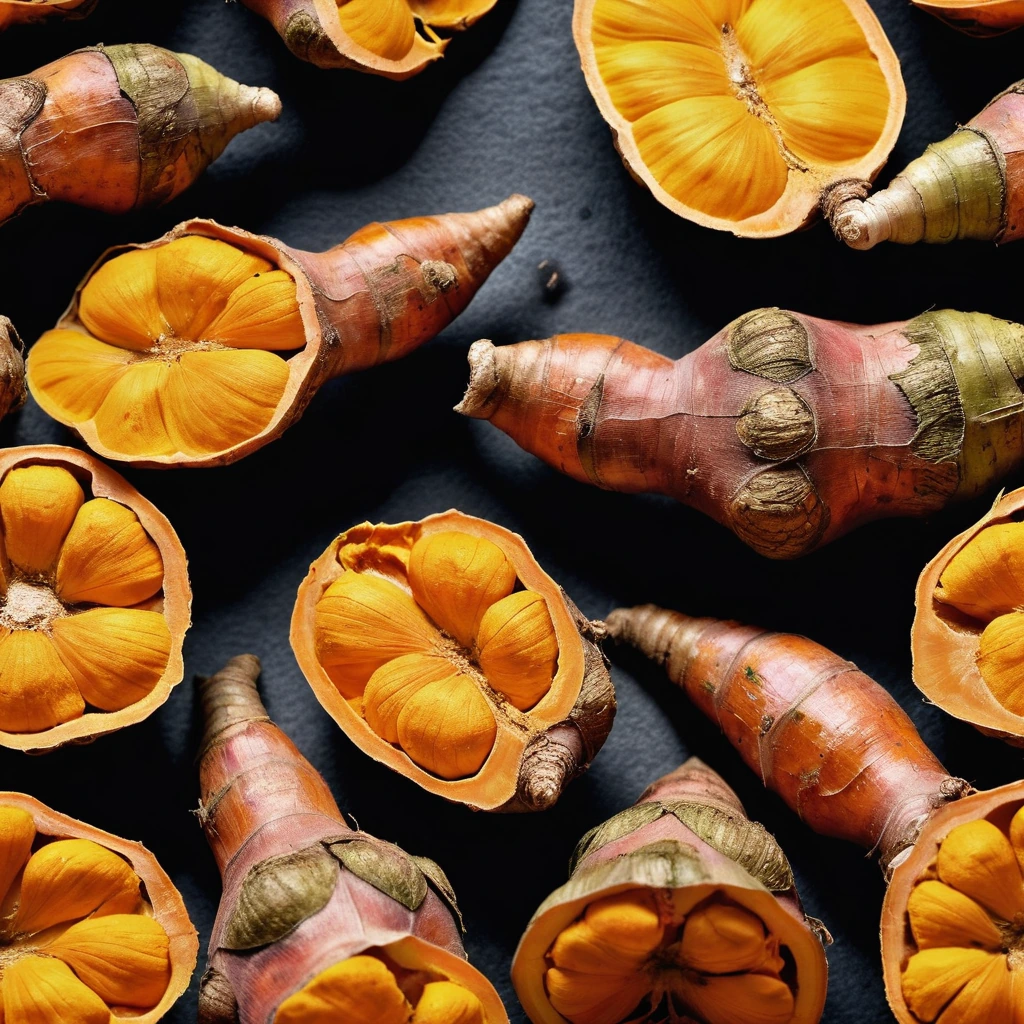
Fresh Turmeric Root
Fresh turmeric root is the unprocessed rhizome of the Curcuma longa plant, a member of the ginger family. Originating in Southeast Asia and South India, turmeric has been used for millennia in both culinary and medicinal traditions. Its flavor is earthy and slightly peppery with a subtle sweetness, reminiscent of mustard but milder. The aroma is warm and musky. When eaten raw, its texture is firm and waxy, but it softens considerably when cooked. Fresh turmeric behaves well in cooking, infusing dishes with its vibrant yellow color and distinctive taste. It is often grated or minced before use and is known to release its full flavor when gently simmered or roasted.
Recipes to try
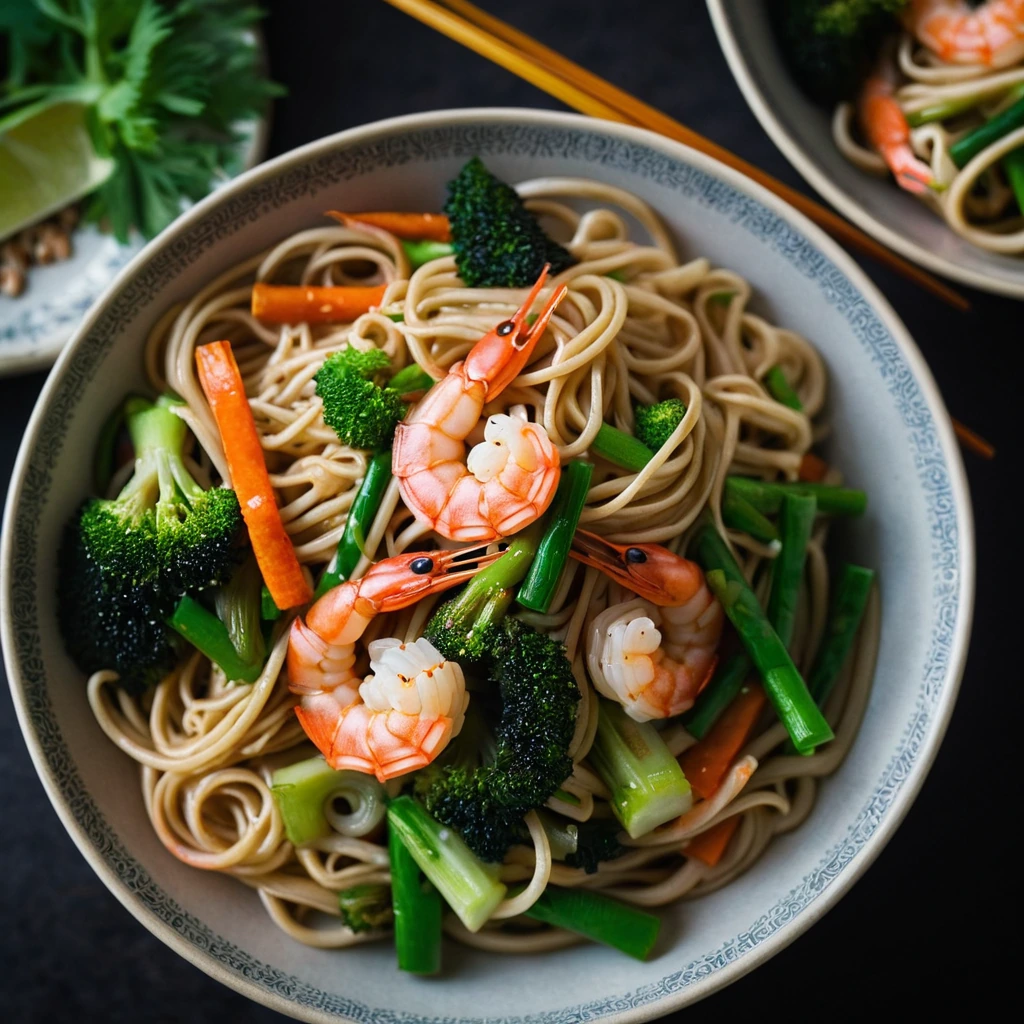
Shrimp and Veggie Lo Mein
Silky noodles twirled with succulent shrimp and a colorful medley of veggies in a savory sauce that'll have you slurping for more.
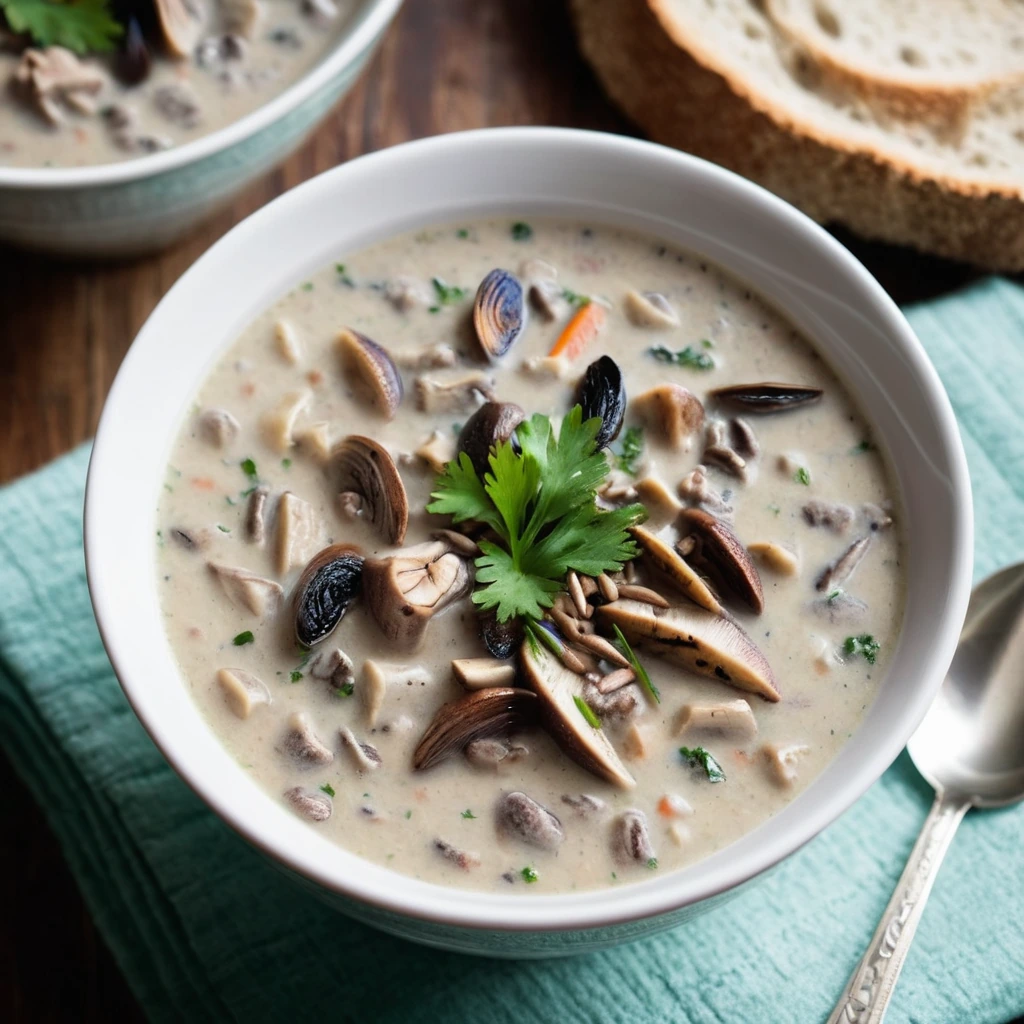
Turkey and Wild Rice Mushroom Soup
Warm up with this hearty soup, brimming with tender turkey, earthy wild rice, and a medley of savory mushrooms in a rich, comforting broth.