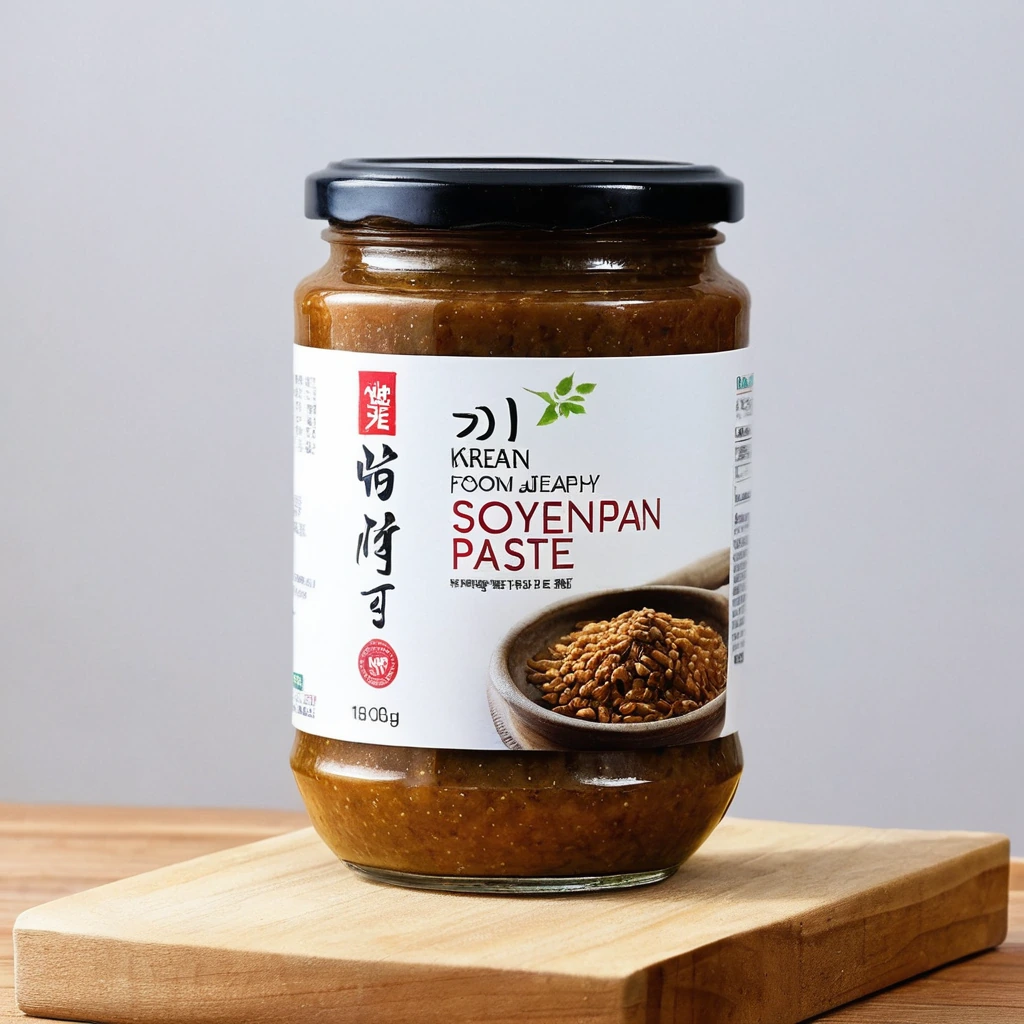
Doenjang (Korean Soybean Paste)
Doenjang is a traditional Korean fermented soybean paste that serves as a foundational ingredient in many Korean dishes. Originating from Korea, it has been a staple in Korean cuisine for centuries, prized for its deep umami flavor and rich, savory profile. The paste boasts a complex taste with earthy, salty, and slightly sweet notes, often accompanied by a subtle tanginess from fermentation. Its thick, paste-like texture is smooth yet dense, providing a satisfying mouthfeel. In cooking, doenjang dissolves easily into liquids, creating a robust base for stews and soups, and it contributes a deep savoriness that enhances other flavors. Its fermentation process also allows it to act as a natural preservative, making it a versatile pantry item.
Notes
When selecting doenjang, look for a paste that is smooth and free of visible mold or off-odors. Store it in the refrigerator after opening to maintain freshness; it can last several months when properly sealed. When handling, use a dry spoon to prevent moisture from spoiling the paste. Doenjang is gluten-free, making it suitable for those with gluten sensitivities, but always check the label for additives. Be cautious of its strong flavor, which can dominate if used in excess.
Uses
- Make doenjang jjigae (stew)
- Marinate tofu or meat
- Season kimchi stew
- Add depth to soups
- Enhance dipping sauces
- Flavor stir-fries
Replacements
- Miso paste (adjust for saltiness)
- Soy sauce mixed with tahini
- Tamari with a bit of peanut butter
- Fermented bean paste (e.g., tauco)
- Worcestershire sauce (for umami)
You might also like
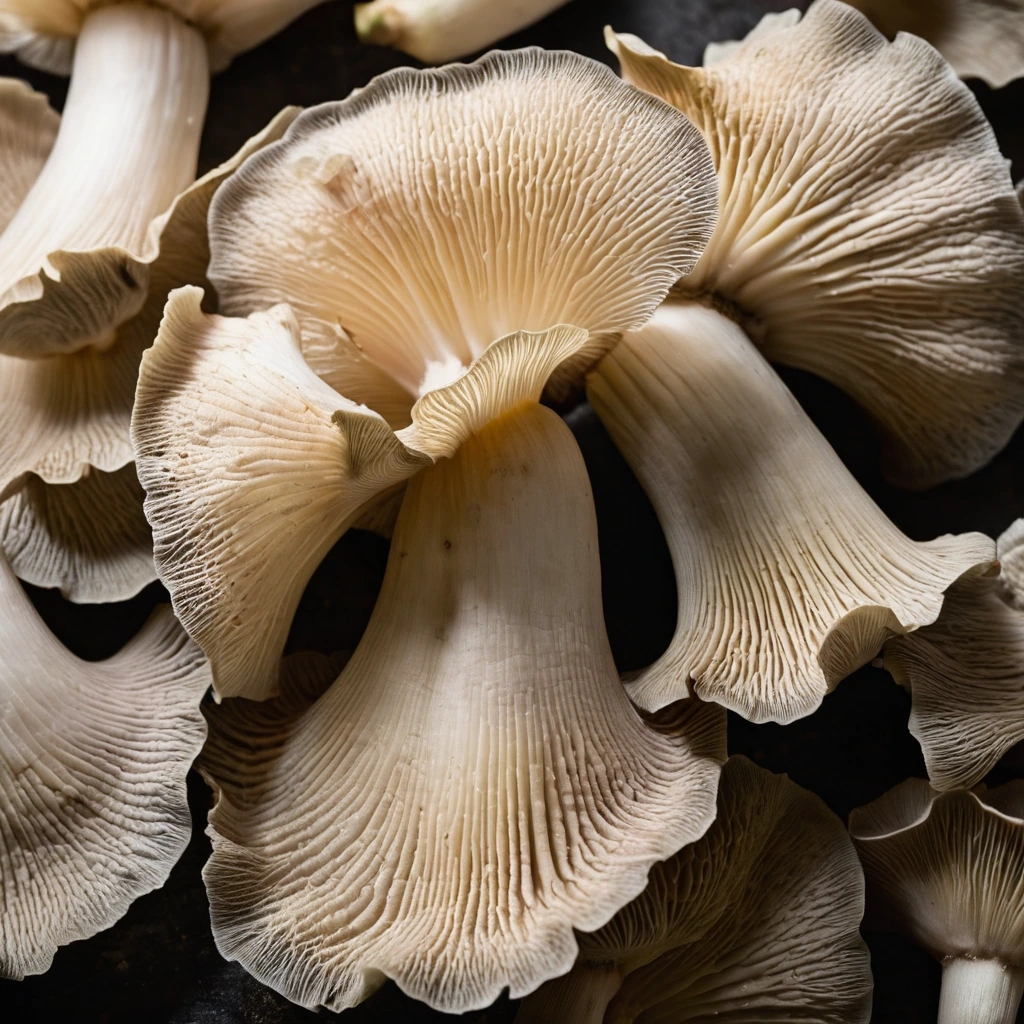
Oyster Mushrooms
Oyster mushrooms are a popular edible fungus known for their delicate, fan-like appearance and mild flavor. Native to Europe, Asia, and North America, they grow on decaying wood and are widely cultivated for their culinary versatility. Their taste is subtly sweet with a hint of anise, offering a savory, umami-rich profile without overpowering other ingredients. The texture is tender and velvety, with a slight chew that softens when cooked. In the kitchen, oyster mushrooms behave well, absorbing flavors from seasonings and sauces while maintaining a pleasing structure. They are prized for their ability to enhance dishes without dominating them, making them a favorite among home cooks and professional chefs alike.
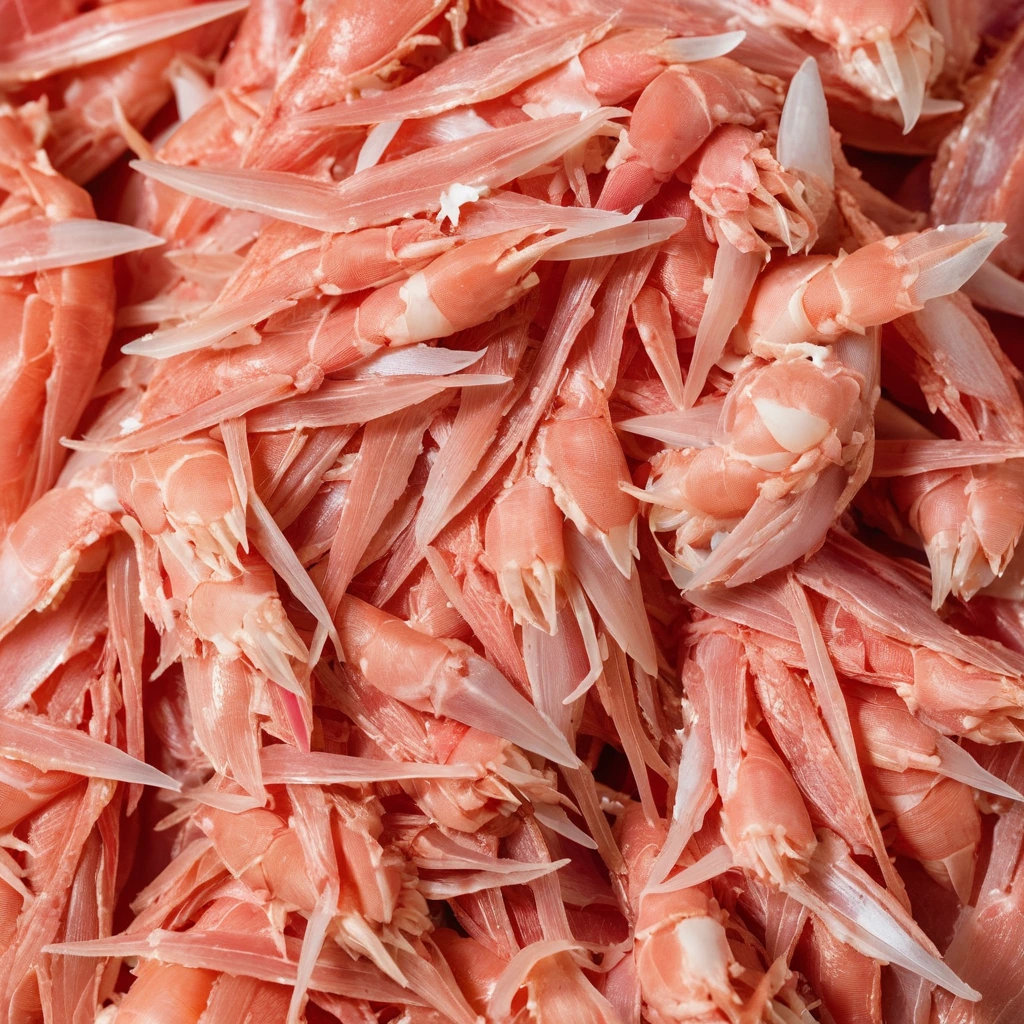
Imitation Crab Meat
Imitation crab meat is a seafood product crafted primarily from surimi, a paste made from white fish such as pollock or escolar. Its origin traces back to Japan, where it was developed as an affordable alternative to real crab. This product offers a mild, slightly sweet flavor reminiscent of real crab, though less complex. Its texture is smooth and tender, designed to mimic the flakiness of actual crab meat. In cooking, imitation crab meat holds its shape well and absorbs surrounding flavors, making it versatile for a variety of dishes. It is commonly used in sushi, salads, and seafood cocktails, where its neutral taste allows it to blend seamlessly with other ingredients.
Recipes to try
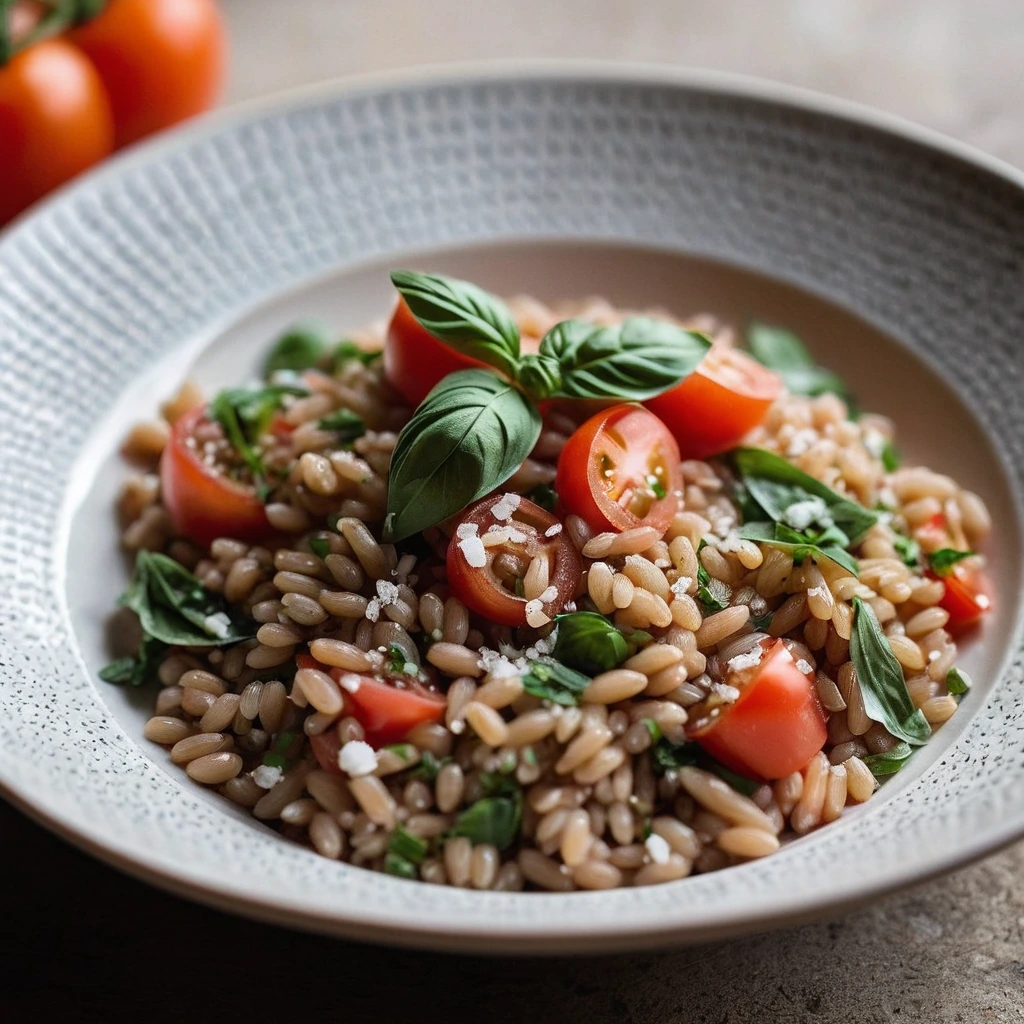
Tomato Basil Parmesan Farro Risotto
Creamy farro risotto kissed with fresh basil and sun-ripened tomatoes, topped with a generous sprinkle of Parmesan.
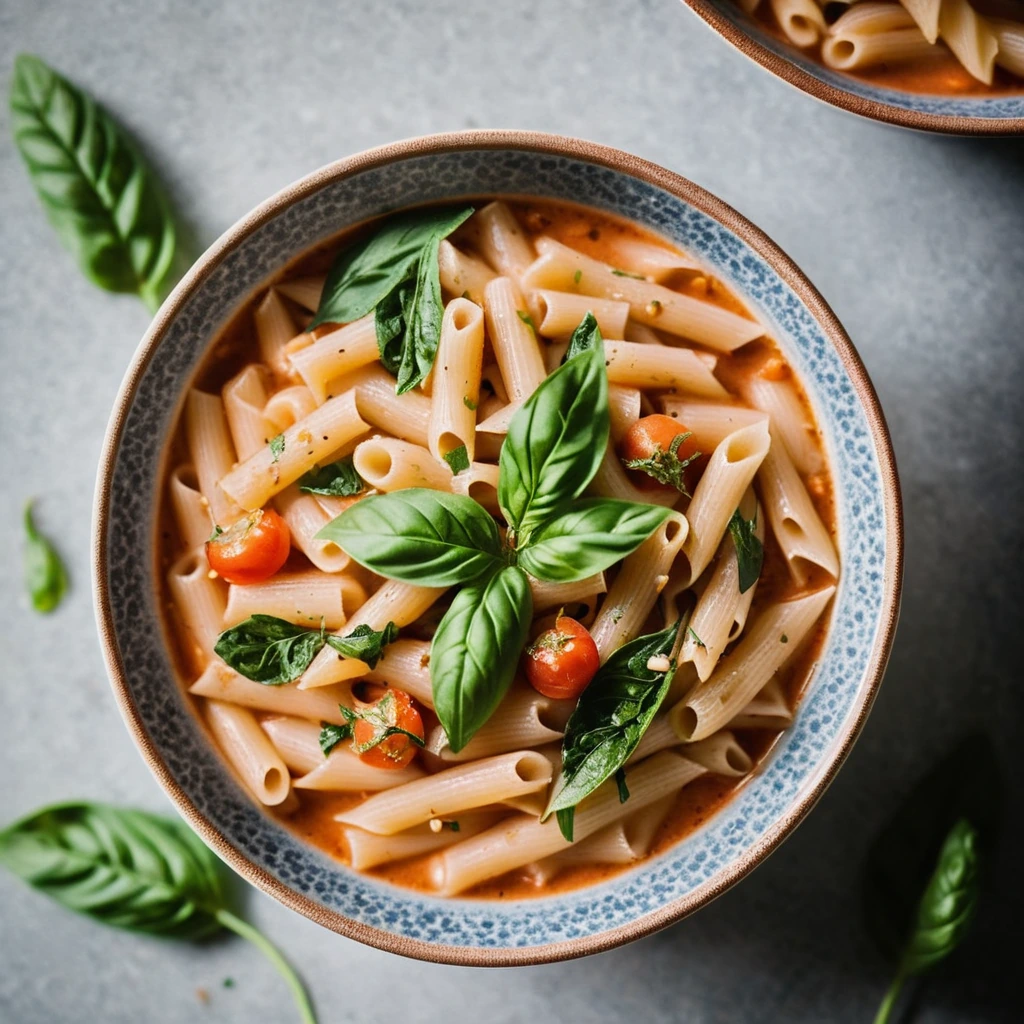
One-Pot Tuscan White Bean and Pasta Stew
Warm up with this hearty stew where tender pasta mingles with creamy cannellini beans in a rich, garlicky tomato broth.