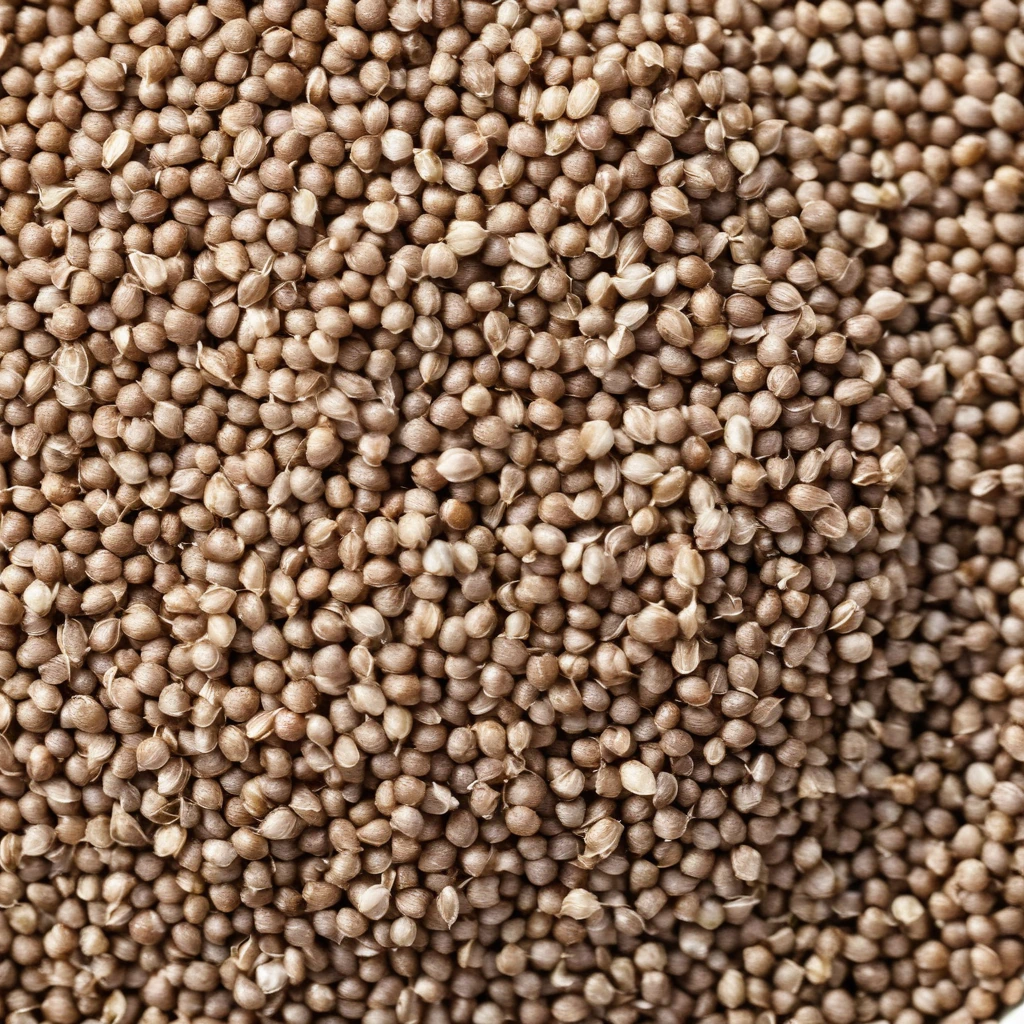
Buckwheat Groats
Buckwheat groats are the hulled seeds of the buckwheat plant, a fruit seed that is unrelated to wheat and naturally gluten-free. Despite its name, buckwheat is not a type of wheat but rather a pseudocereal that has been cultivated for centuries in Eastern Europe and Asia, particularly in regions like Russia and China. Its flavor profile is earthy and nutty with a slight bitterness that mellows when toasted. The texture is dense and chewy when cooked, offering a satisfying mouthfeel that stands up well in dishes. In cooking, buckwheat groats absorb liquid well and can be used in porridges, as a base for grain bowls, or even ground into flour for baking. They also brown nicely, enhancing their rich, roasted flavor.
Notes
When selecting buckwheat groats, look for whole, intact seeds that are free of debris or discoloration. Store them in an airtight container in a cool, dark place for up to six months, or extend their shelf life by refrigerating or freezing. Toasting groats before cooking can enhance their flavor. Be aware that buckwheat is often processed in facilities that handle gluten, so check labels if you have celiac disease or gluten sensitivity.
Uses
- Porridge base
- Salad addition
- Vegetarian patties
- Soup thickener
- Baking flour
Replacements
You might also like
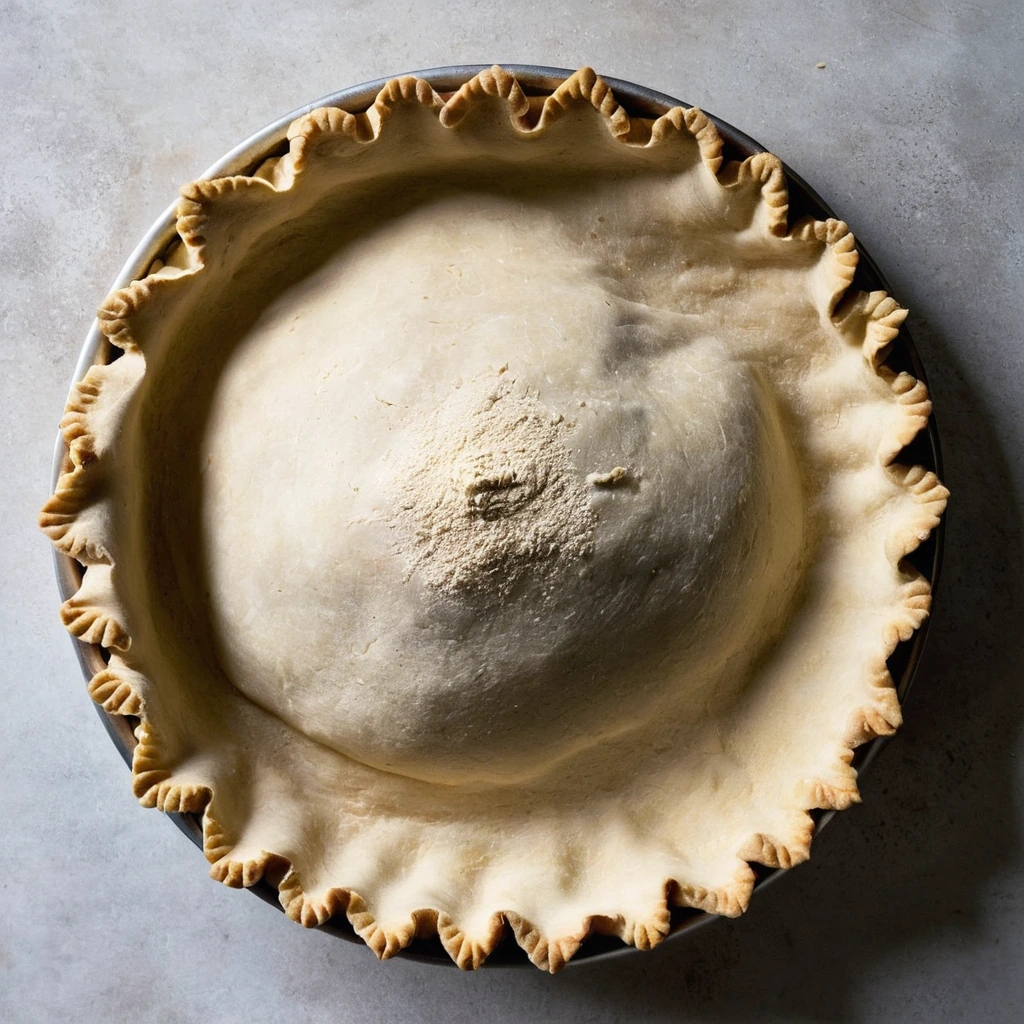
Pie Crust Dough
Pie crust dough is a fundamental component in the world of baking, serving as the base for both sweet and savory pies. Traditionally made from a mixture of flour, fat (such as butter or lard), and water, its origins trace back to ancient Egypt and have since become a staple in many cultures worldwide. The flavor is subtly buttery and rich, with a pleasant, slightly floury aroma. Its texture is ideally flaky and tender, offering a satisfying crunch with each bite. When cooked, pie crust dough transforms beautifully, browning to a golden hue and achieving a delightful contrast between a crisp exterior and a tender interior. Its ability to encase fillings while maintaining structure makes it indispensable in countless recipes.
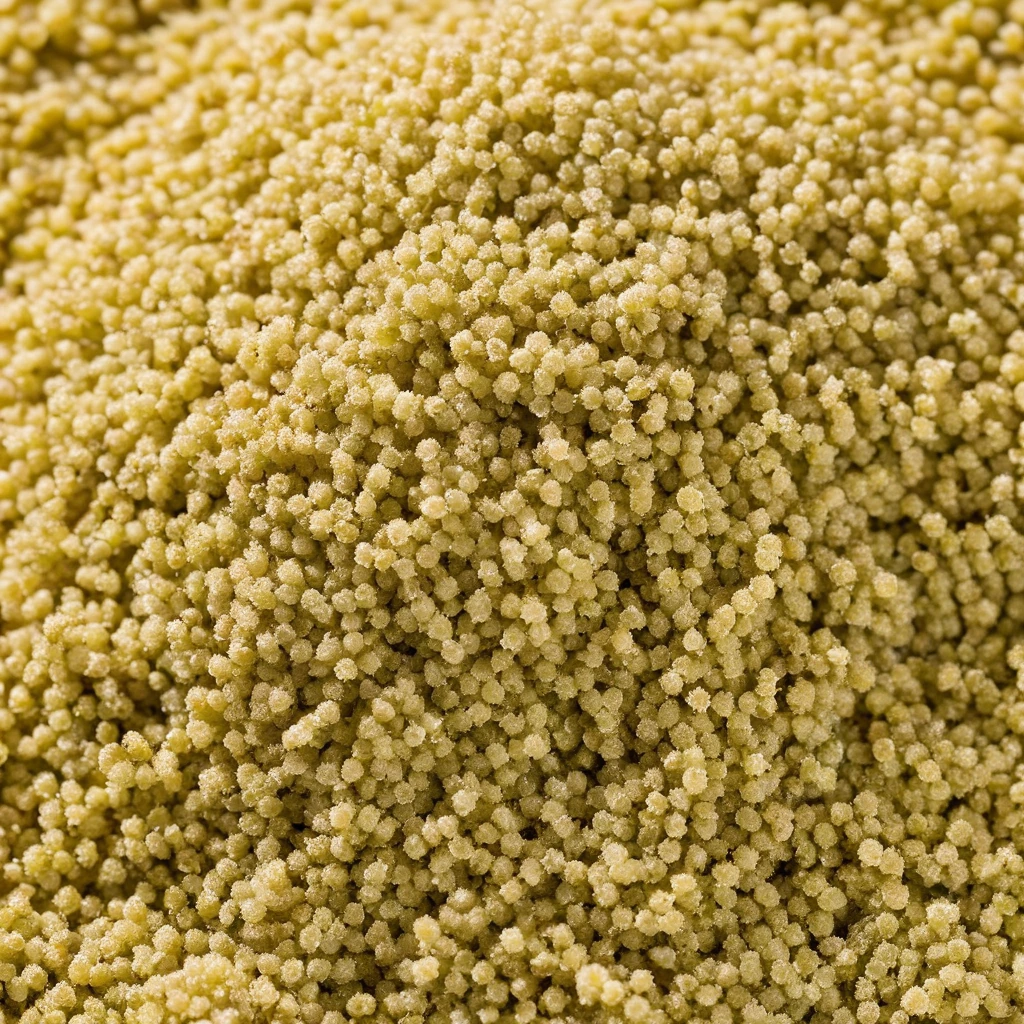
Millet
Millet is a small, round grain that has been cultivated for thousands of years, particularly in Africa and Asia. Known for its mild, slightly sweet, and nutty flavor, millet offers a pleasant aroma that is reminiscent of toasted grains. Its texture is light and fluffy when cooked, with a hint of chewiness that makes it satisfying to eat. In cooking, millet behaves well as a versatile grain that can absorb flavors from broths and spices, making it suitable for a variety of dishes. It cooks relatively quickly compared to other whole grains and holds its shape well, making it an excellent choice for pilafs, porridges, and even baked goods.
Recipes to try

Smoky BBQ Ground Beef and Cornbread Skillet
Imagine the rich smokiness of BBQ sauce mingling with tender ground beef atop golden, crumbly cornbread in a skillet.

Sweet Potato and Black Bean Loaded Nachos
Crispy tortilla chips piled high with roasted sweet potatoes, black beans, and melty cheese, all topped with fresh cilantro and a zesty lime kick.