Blackstrap Molasses
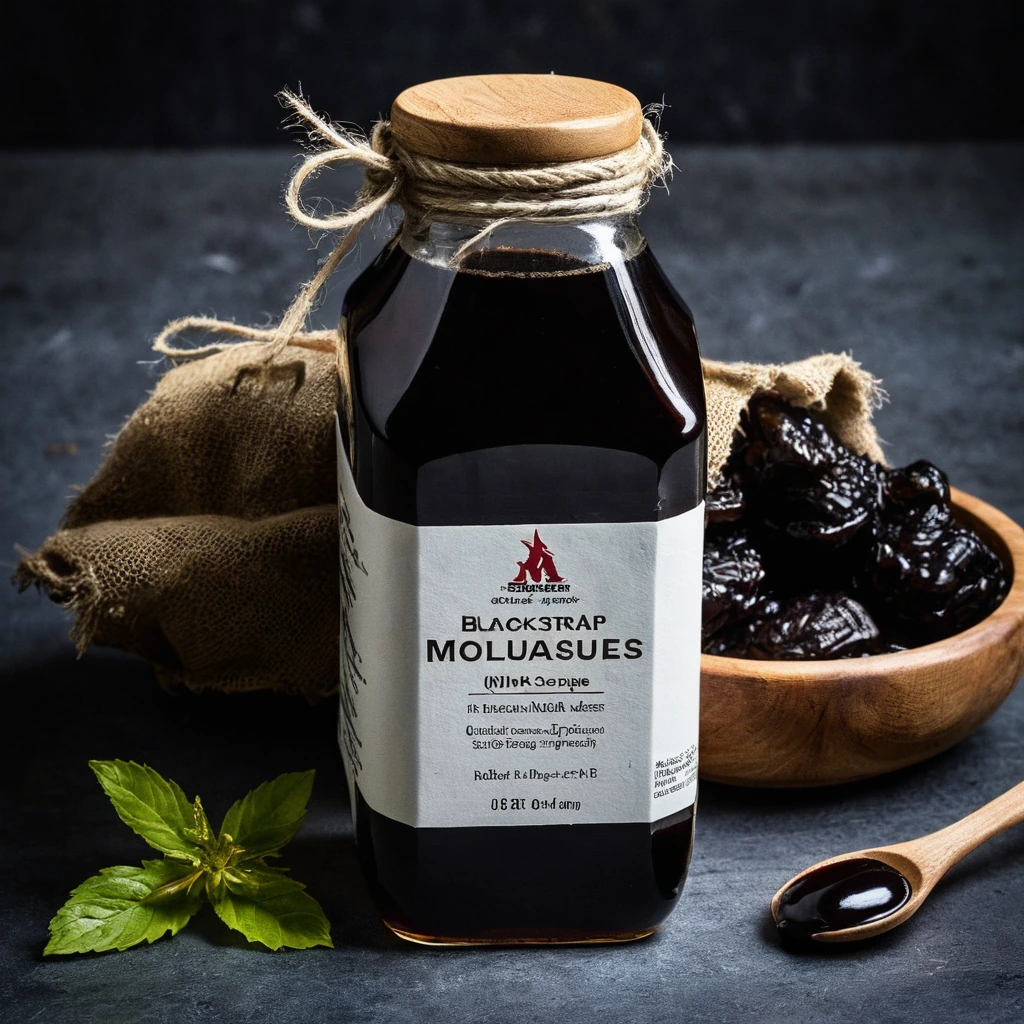
Blackstrap molasses is a thick, dark syrup that is the byproduct of refining sugarcane or sugar beets into sugar. It originates from the final boiling of the sugar syrup, after most of the sucrose has been crystallized and removed. This molasses is deeply rooted in Caribbean and American culinary traditions. Its flavor is robust, with notes of bittersweet, earthy, and slightly smoky undertones. The texture is viscous and sticky, coating the palate with a rich, dense mouthfeel. In cooking, blackstrap molasses is prized for its ability to add depth and complexity to dishes, as well as its capacity to retain moisture in baked goods. It also behaves well in marinades and sauces, contributing a deep color and rich flavor.
Notes
When selecting blackstrap molasses, look for a product that is dark and has a smooth, uniform consistency. Store it in a cool, dark place in a tightly sealed container, where it can keep indefinitely. Refrigeration is not necessary unless specified on the label. Be aware that blackstrap molasses is very strong in flavor, so use sparingly. It is also a good source of iron, making it a nutritious choice for those with dietary considerations. Handle with care as it can be quite sticky.
Uses
- Baking gingerbread
- Marinating meats
- Sweetening coffee
- Making barbecue sauce
- Enhancing baked beans
- Creating energy bites
Replacements
- Light molasses
- Dark molasses
- Brown sugar mixed with water
- Maple syrup
- Date syrup
You might also like
Bulgur Wheat
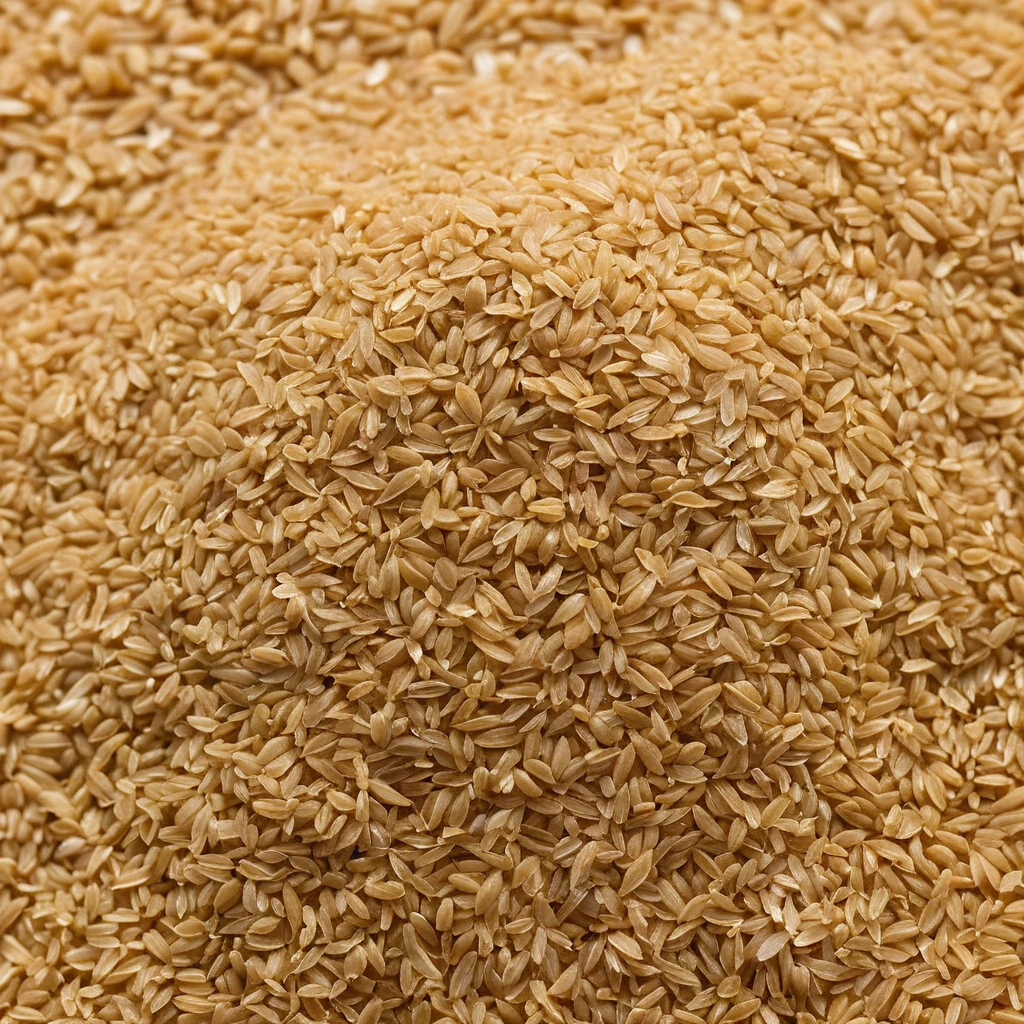
Bulgur wheat is a whole grain made from durum wheat that has been cleaned, parboiled, dried, and ground into varying coarseness. Originating in the Middle East, it has been a staple in cuisines such as Turkish, Syrian, and Lebanese for centuries. Bulgur offers a nutty, earthy flavor with a satisfyingly chewy yet tender texture. Its quick cooking time is due to the parboiling process, making it a convenient choice for busy cooks. In cooking, bulgur readily absorbs liquids and spices, making it an ideal base for pilafs, salads, and stuffings. Its versatility extends to both savory and occasionally sweet dishes, and it is highly regarded for its nutritional benefits, including high fiber and protein content.
Dried Figs
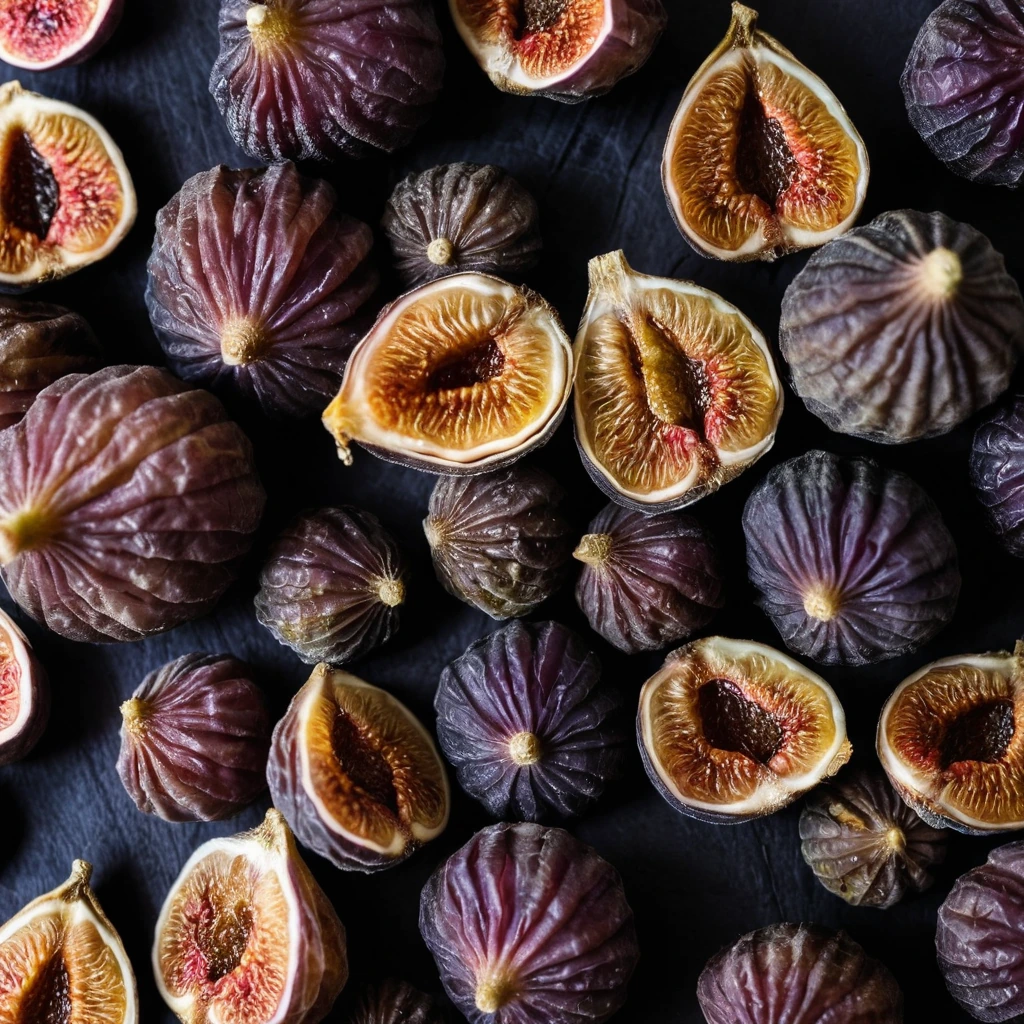
Dried figs are the preserved fruit of the common fig tree, Ficus carica, which has been cultivated since ancient times in regions spanning from the Middle East to the Mediterranean. These fruits undergo a drying process that concentrates their natural sugars, resulting in a chewy texture and a deep, complex sweetness often accompanied by subtle notes of caramel and honey. Dried figs are plump and tender, with a soft yet slightly grainy interior that envelops tiny edible seeds. In cooking, they are prized for their ability to add natural sweetness and richness to both savory and sweet dishes, while also contributing a moist texture to baked goods and stuffings. They rehydrate well and can be used in a variety of culinary applications, from salads to desserts.