Precision Knife Work: Clean Fish Fillets with Minimal Waste
Precision knife work is an essential skill for any home cook looking to elevate their seafood dishes. Filleting fish is both an art and a science, requiring patience, practice, and the right technique. When done correctly, you can transform a whole fish into perfectly clean fillets with minimal waste. This technique not only saves you money by utilizing every part of the fish but also ensures you get the most tender and flavorful meat. Understanding the anatomy of the fish is key; knowing where the bones lie and how to navigate around them will lead to waste-free filleting. We’ll explore the tools needed, the best way to hold your knife, and how to make strategic cuts that yield maximum results. Whether you’re working with a salmon, trout, or sea bass, mastering this skill will give you confidence in the kitchen and the ability to prepare fish like a professional chef.
Notes
The science behind precision knife work lies in understanding the structure of fish flesh and bones. A sharp knife is crucial; a dull blade can crush the delicate fibers of the fish, leading to waste and uneven cuts. Common mistakes include cutting too quickly, which can result in jagged edges and excess waste, or failing to properly remove pin bones, which can ruin the texture of your dish. Always prioritize safety by keeping your fingers clear of the blade’s path. Fish fillets can be stored in the refrigerator for up to two days or frozen for longer storage. Ensure they are well-wrapped to prevent freezer burn.
Steps
- 1 Select a sharp fillet knife with a flexible blade.
- 2 Lay the fish on a clean, sturdy cutting board.
- 3 Starting at the tail, make a diagonal cut behind the pectoral fin.
- 4 Slice down to the backbone, being careful not to cut through it.
- 5 Holding the knife at a slight angle, glide the blade along the backbone towards the head.
- 6 Use your free hand to gently pull the fillet away from the carcass as you cut.
- 7 Flip the fish over and repeat the process on the other side.
- 8 With the fillets laid skin-side down, insert the knife between the flesh and skin.
- 9 Slice at a 30-degree angle, using the knife’s edge to separate the skin from the flesh.
- 10 Trim any remaining bones or fins with tweezers and a small knife.
- 11 Check the fillets for pin bones with your fingers and remove them.
- 12 Rinse the fillets under cold water to clean off any remaining scales or debris.
- 13 Pat the fillets dry with paper towels to prepare them for cooking.
- 14 Store or cook the fillets immediately to preserve freshness.
Ingredients to explore

Active Dry Yeast
A fine, granulated leavening agent that brings baked goods to life with its gentle fermentation magic.
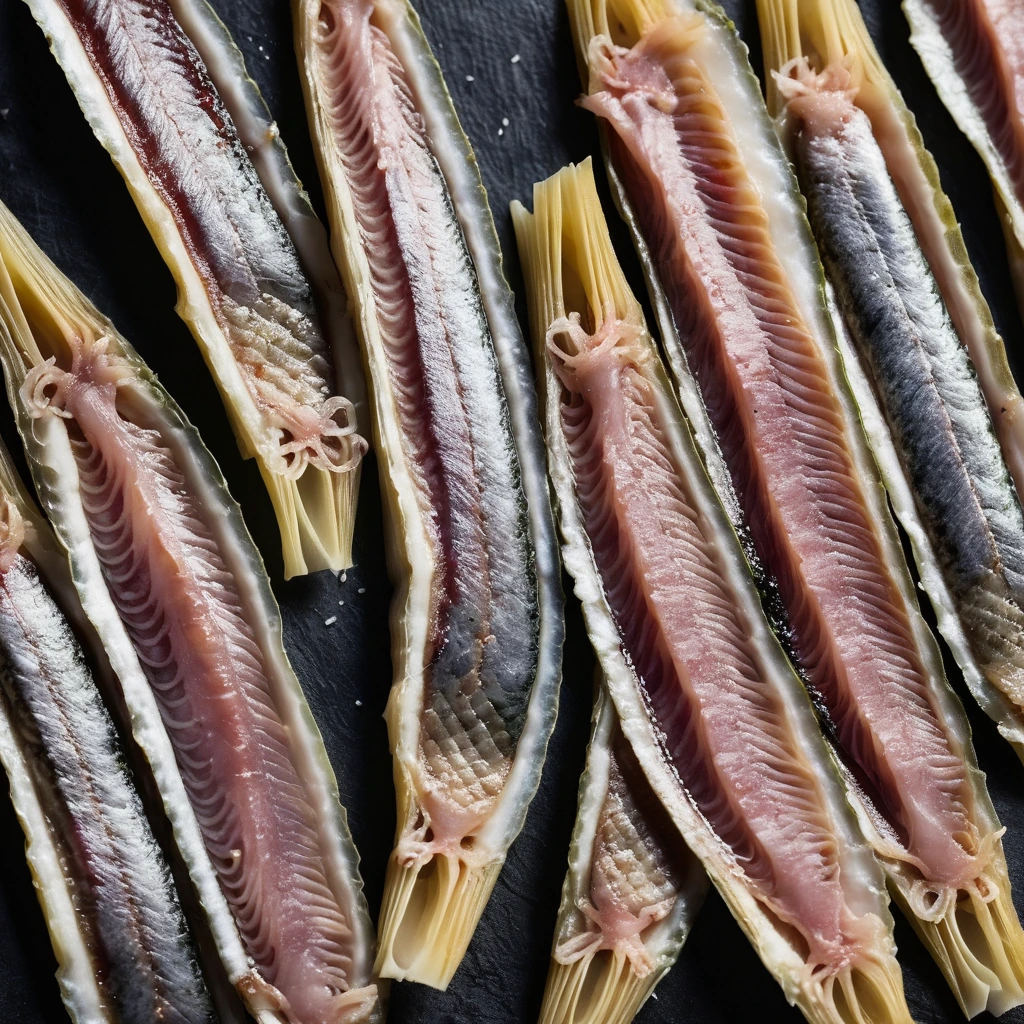
Anchovy Fillets
Silvery and succulent, anchovy fillets are a briny treasure from the sea. Their rich, umami flavor adds depth to dishes, making them a beloved ingredient in kitchens worldwide.
Recipes to try

Roasted Garlic and Tomato Basil Soup with Croutons
Creamy, fragrant, and bursting with roasted garlic sweetness, this soup is comfort in a bowl, crowned with golden, crunchy croutons.

Warm Quinoa Salad with Roasted Squash and Cranberries
A cozy mix of nutty quinoa, tender roasted squash, and sweet cranberries makes this salad a fall favorite.