Meat: Using Cast Iron for a Perfect Sear
Achieving a perfect sear on meat is a skill that can elevate your home cooking to restaurant quality. The secret often lies in using cast iron, a versatile and durable kitchen workhorse that retains heat exceptionally well. This technique is ideal for steaks, chicken breasts, pork chops, and more. The high heat capacity of cast iron allows for an even sear, creating a flavorful crust that locks in juices. In this guide, we'll explore the nuances of preheating your pan, selecting the right oil, and understanding how to monitor the cooking process to achieve that coveted caramelized exterior. We'll also touch on common pitfalls to avoid, ensuring your meat is seared to perfection every time.
Notes
The science behind searing is the Maillard reaction, a chemical process that occurs when amino acids and sugars in meat are exposed to high heat, creating complex flavors. Common mistakes include overcrowding the pan, which lowers the temperature and leads to steaming rather than searing. Always ensure your pan is properly preheated and avoid moving the meat around before a crust forms. For safety, use oven mitts when handling hot cast iron. Seared meats can be made ahead and stored in the refrigerator for up to 3 days; reheat gently to preserve texture.
Steps
- 1 Preheat your cast iron skillet over medium-high heat for 5-10 minutes.
- 2 Use a high-smoke-point oil like canola or grapeseed and add 1-2 tablespoons to the skillet.
- 3 Once the oil shimmers and just begins to smoke, it's ready for the meat.
- 4 Pat your meat dry with paper towels to remove any surface moisture.
- 5 Season the meat generously with salt and pepper.
- 6 Place the meat in the skillet away from you to avoid splatter.
- 7 Let the meat sear undisturbed for 2-4 minutes, depending on thickness.
- 8 Check for a deep golden-brown crust before flipping.
- 9 Flip the meat with tongs and sear the other side for an equal amount of time.
- 10 For thicker cuts, adjust the heat to medium to prevent burning while cooking through.
- 11 Use a meat thermometer to check for doneness: 135°F for medium-rare.
- 12 Transfer the seared meat to a plate and let it rest for 5 minutes before serving.
- 13 Clean the skillet while it's still warm with a stiff brush and hot water.
- 14 Dry thoroughly and apply a thin layer of oil to maintain the seasoning.
Ingredients to explore
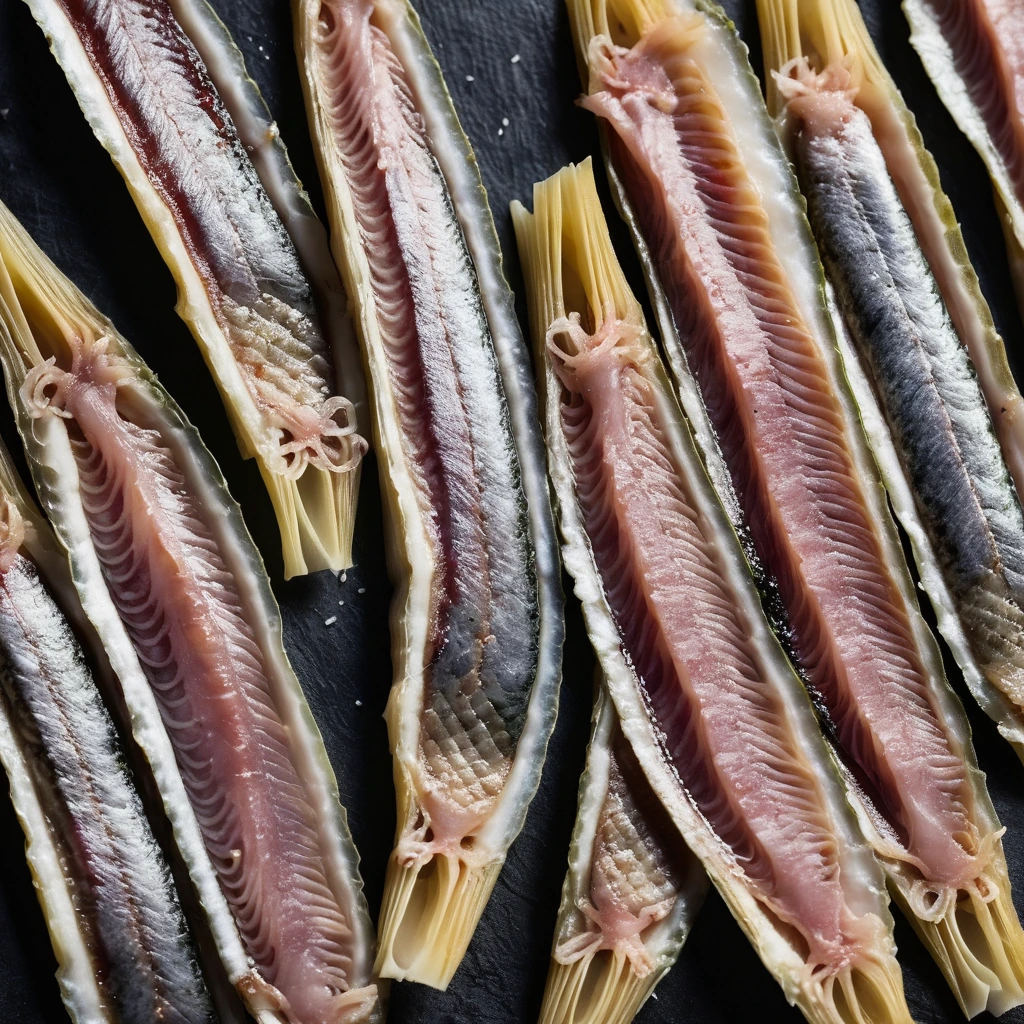
Anchovy Fillets
Silvery and succulent, anchovy fillets are a briny treasure from the sea. Their rich, umami flavor adds depth to dishes, making them a beloved ingredient in kitchens worldwide.

American Cheese Slices
Those iconic, perfectly pliable slices of creamy, mild American cheese. Each slice boasts a smooth, melt-in-your-mouth texture that brings comfort to any dish.
Recipes to try
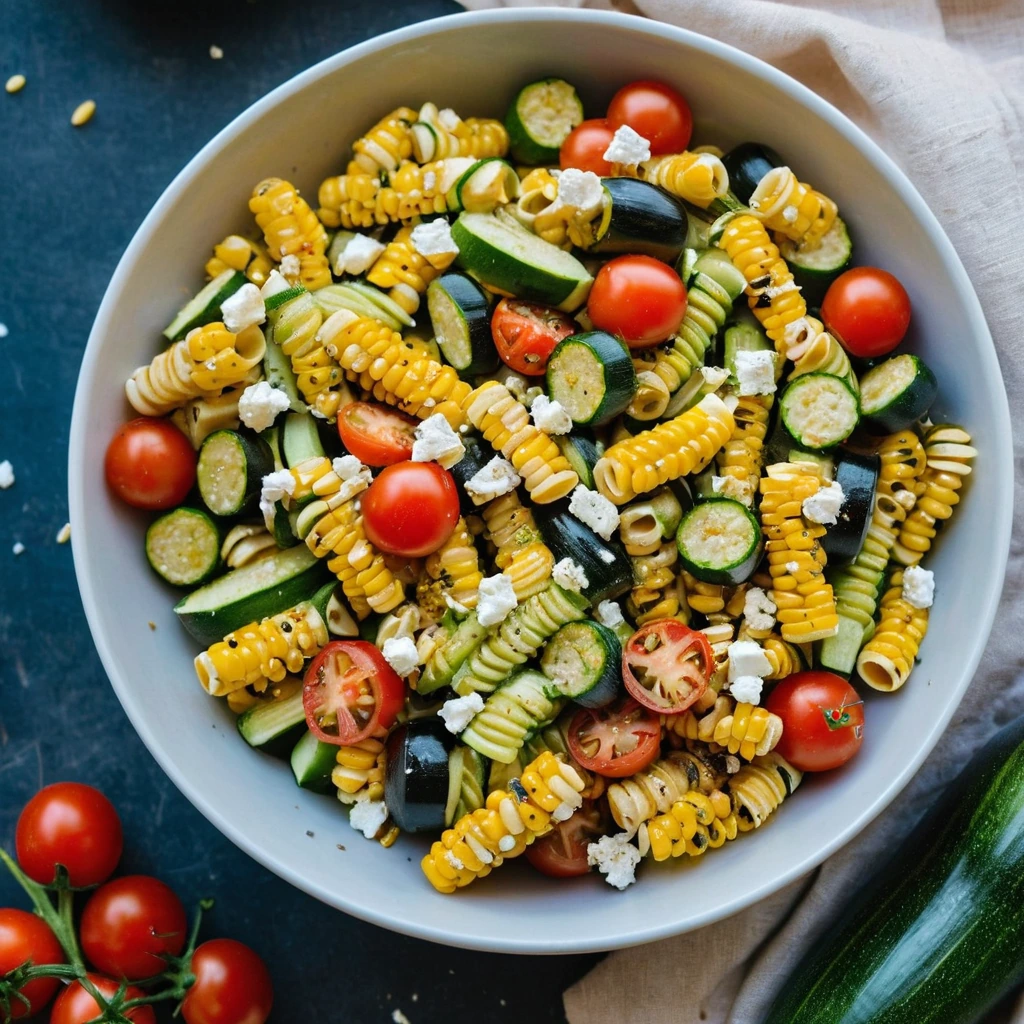
Roasted Zucchini, Corn, and Tomato Pasta Salad
This vibrant pasta salad is bursting with smoky roasted veggies and tangy feta, making every bite a taste of summer.
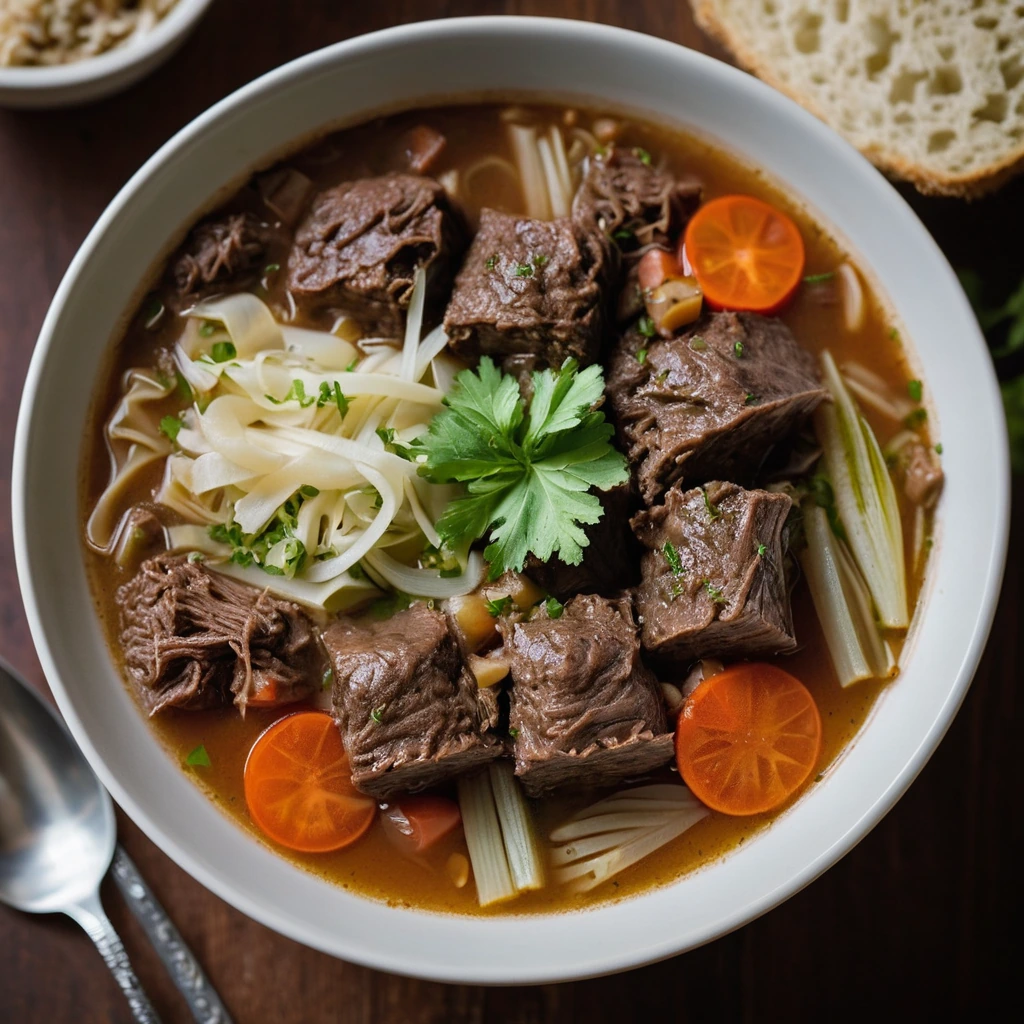
Stuffed Cabbage Roll Inspired Beef Soup
Warm up with this hearty soup that nods to classic stuffed cabbage rolls, brimming with tender beef and savory broth.