Meat Technique: Using Salt in Advance for Dry-Brined Roasts
Dry-brining is a transformative technique that enhances the flavor and texture of roasts by applying salt well in advance of cooking. Unlike wet brining, which involves submerging meat in a saltwater solution, dry-brining relies on a generous layer of salt applied directly to the surface of the meat. This method allows the salt to draw out moisture through osmosis, creating a brine that is reabsorbed into the meat, seasoning it deeply and encouraging enzymatic tenderization. Over time, the meat's surface dries out, forming a flavorful crust when roasted. The technique is particularly effective for larger cuts like pork loin, beef tenderloin, or chicken breasts. The key is patience—allowing the salt to work its magic over 24 to 72 hours in the refrigerator. This not only seasons the meat thoroughly but also helps it retain moisture during cooking, resulting in a juicy, flavorful roast. Understanding the science behind dry-brining empowers home cooks to elevate their roasting game, achieving restaurant-quality results with minimal effort.
Notes
The science behind dry-brining is fascinating. Salt not only seasons the meat but also denatures proteins, which helps retain moisture. However, it's crucial to use kosher salt due to its coarse texture and lower sodium density compared to table salt. Common mistakes include using too much salt or not patting the meat dry before roasting, which can lead to a bland or overly salty result. For food safety, always ensure your refrigerator is set at 40°F or below during the brining process. Dry-brined roasts can be stored in the refrigerator for up to 72 hours. Once roasted, leftovers can be refrigerated for up to 4 days.
Steps
- 1 Select your roast and pat it completely dry with paper towels.
- 2 Calculate 1 tablespoon of kosher salt per pound of meat.
- 3 Evenly sprinkle the salt all over the roast, ensuring every surface is covered.
- 4 Place the roast on a wire rack set inside a rimmed baking sheet.
- 5 Cover the roast loosely with plastic wrap.
- 6 Refrigerate the roast for 24 to 72 hours, depending on its size.
- 7 About an hour before roasting, remove the roast from the refrigerator.
- 8 Rinse off any remaining salt crystals under cold water.
- 9 Pat the roast completely dry with paper towels.
- 10 Preheat your oven to the desired roasting temperature.
- 11 Roast the meat until it reaches an internal temperature of 135°F for medium-rare.
- 12 Let the roast rest for at least 15 minutes before carving.
Ingredients to explore
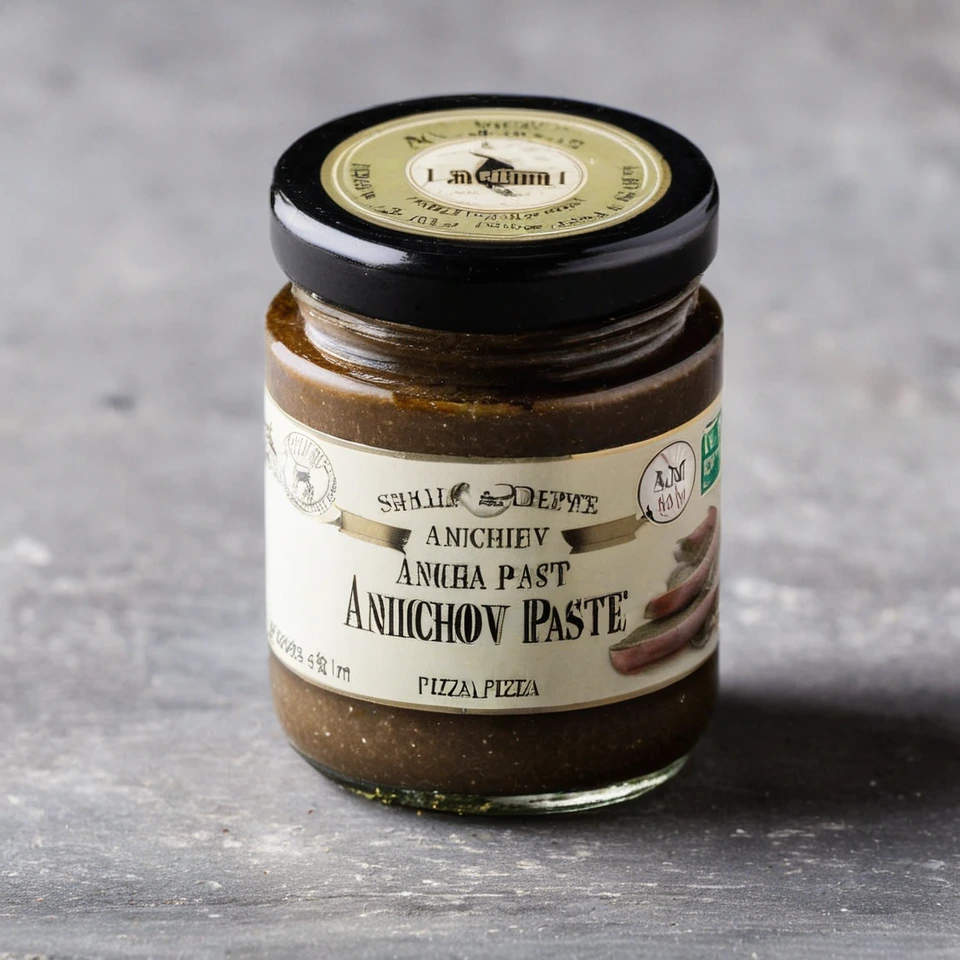
Anchovy Paste
Anchovy paste is a rich, salty spread made from finely ground anchovies, salt, and sometimes olive oil. It offers a deep umami flavor that enhances a variety of dishes.
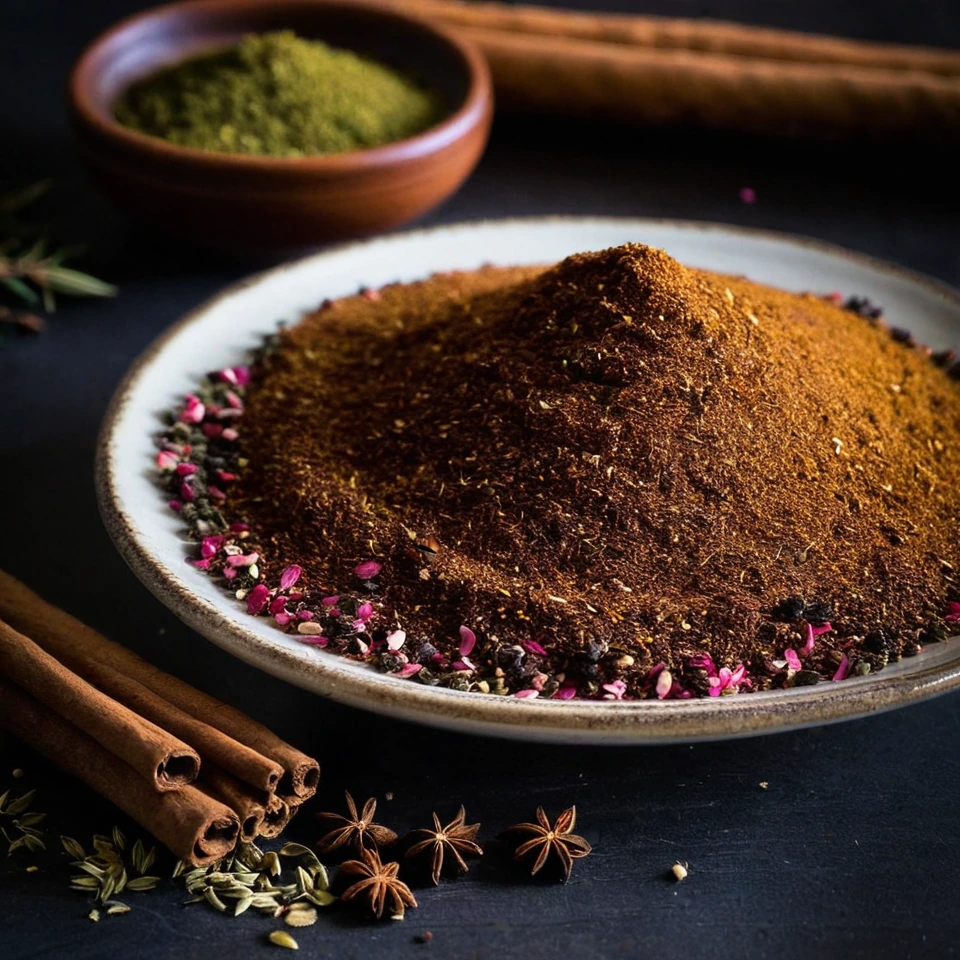
Advieh (Persian Spice Blend)
Advieh is a fragrant Persian spice blend that boasts a complex aroma of warm cinnamon, earthy cumin, and floral hints of rose and saffron. Its texture is finely ground, making it easy to incorporate into dishes. Originating from the rich culinary traditions of Iran, advieh adds depth and sophistication to both savory and sweet recipes. Its unique combination of spices reflects the historical spice trade routes that influenced Persian cuisine.
Recipes to try

Spiced Cauliflower and Potato Street Tacos
Crispy spiced cauliflower and tender potatoes packed into warm tortillas for a veggie-packed taco night.
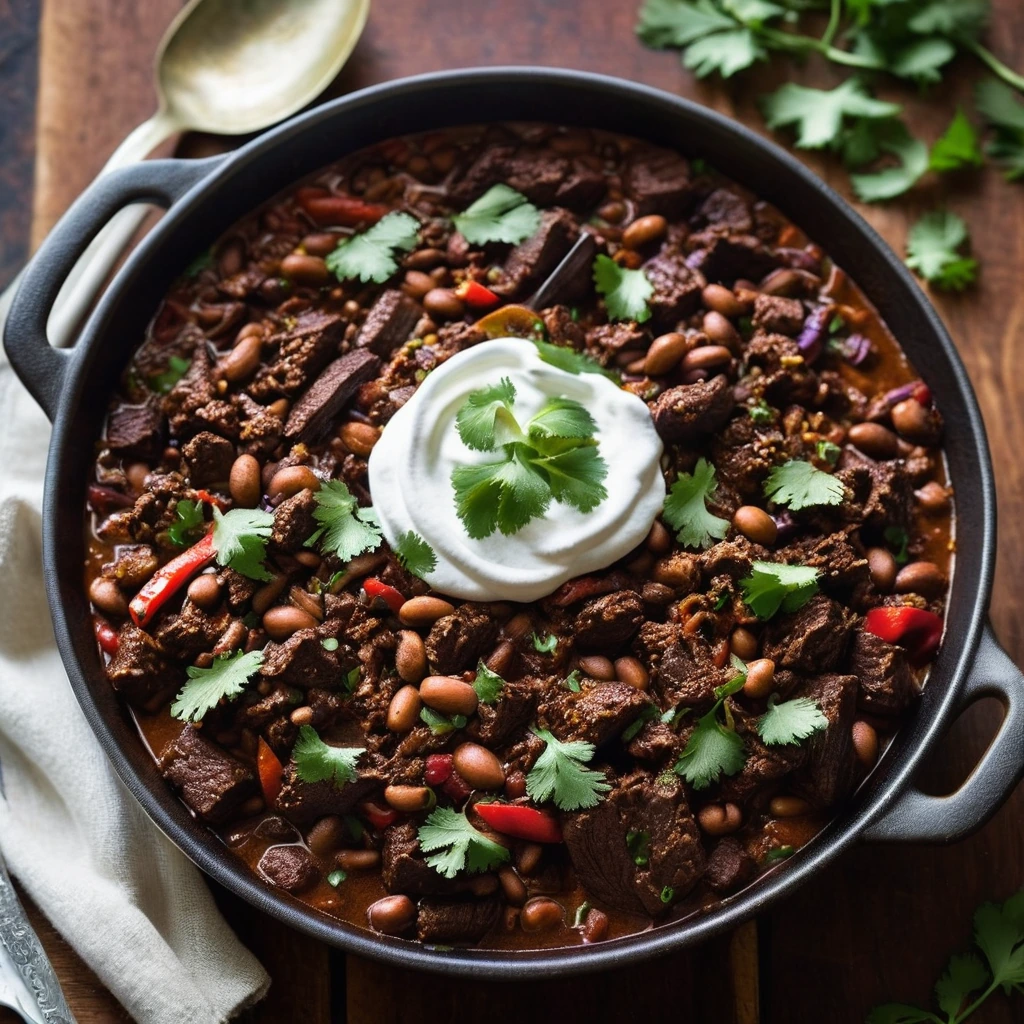
Smoky Ancho Chili Beef and Bean Skillet
Rich, smoky, and deeply satisfying, this skillet dish combines tender beef with hearty beans for a comforting meal.