Knife Technique: Trimming Whole Tenderloins into Even Medallions
Achieving perfectly even medallions from a whole tenderloin is a skill that can elevate your home cooking to restaurant quality. Whether you're preparing a tenderloin for a special occasion or just want to impress your dinner guests, mastering this knife technique is essential. The key to success lies in precision and a systematic approach. First, understanding the anatomy of a tenderloin is crucial; it's a long, narrow cut of meat that tapers at one end. Before slicing, ensure your tenderloin is chilled but not frozen, as this makes it easier to handle and yields cleaner cuts. Trimming is necessary to remove any silver skin or fat that can prevent even cooking. Once trimmed, you'll want to identify the thickest part of the tenderloin to guide your slicing. Using a sharp chef's knife is imperative—dull blades can crush the delicate meat fibers rather than slice them cleanly. Holding the knife at a consistent angle is key to creating uniform medallions. As you work your way down the tenderloin, adjust your grip to accommodate the taper, ensuring each medallion is as even as possible. This technique not only enhances presentation but also ensures each piece cooks evenly, resulting in juicy, perfectly seared tenderloin medallions.
Notes
The science behind this technique is simple: even thickness ensures even cooking. When medallions are uniform, they cook more predictably, reducing the risk of over or undercooking. A common mistake is using a dull knife, which can result in jagged edges and crushed meat fibers. Always use a sharp blade for clean cuts. Safety is crucial; keep your fingers clear of the knife's path. For storage, place medallions on a parchment-lined tray to prevent sticking and refrigerate for up to two days. For make-ahead convenience, medallions can be vacuum-sealed and frozen for up to three months. Thaw them in the refrigerator before cooking.
Steps
- 1 Chill the tenderloin in the refrigerator for at least 30 minutes before trimming.
- 2 Lay the tenderloin on a clean cutting board.
- 3 Using a sharp chef's knife, trim off any silver skin or excess fat from the surface.
- 4 Identify the thickest part of the tenderloin and measure its diameter.
- 5 Determine the thickness for your medallions and mark the first cut with a knife tip.
- 6 Slice straight down through the tenderloin to create the first medallion.
- 7 Rotate the remaining tenderloin to maintain a consistent angle for each cut.
- 8 Continue slicing medallions, adjusting the angle to follow the taper of the tenderloin.
- 9 Use your fingers or a fork to hold the tenderloin securely as you cut.
- 10 Aim for medallions that are all within 1/4 inch of each other in thickness.
- 11 Check each medallion for uniformity and trim any irregularities.
- 12 Place each medallion on a plate or tray as you go for easy handling.
- 13 Repeat the process until the entire tenderloin is cut into medallions.
Ingredients to explore
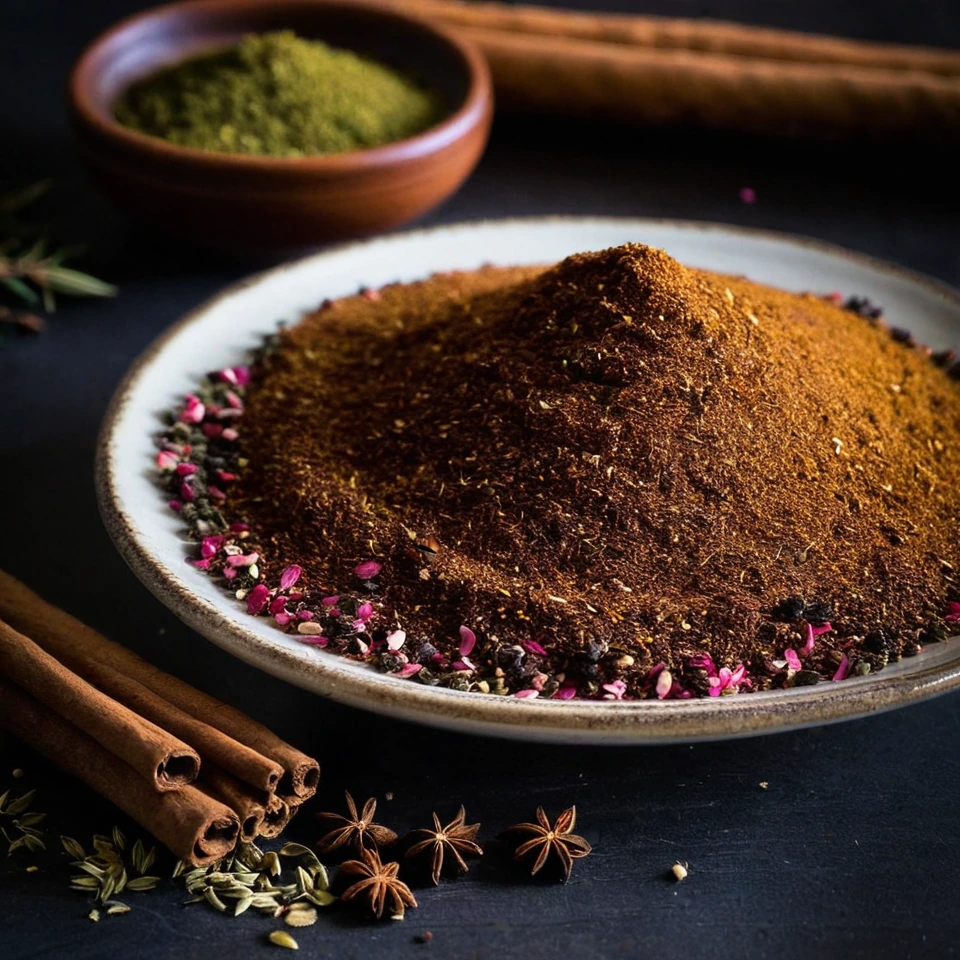
Advieh (Persian Spice Blend)
Advieh is a fragrant Persian spice blend that boasts a complex aroma of warm cinnamon, earthy cumin, and floral hints of rose and saffron. Its texture is finely ground, making it easy to incorporate into dishes. Originating from the rich culinary traditions of Iran, advieh adds depth and sophistication to both savory and sweet recipes. Its unique combination of spices reflects the historical spice trade routes that influenced Persian cuisine.
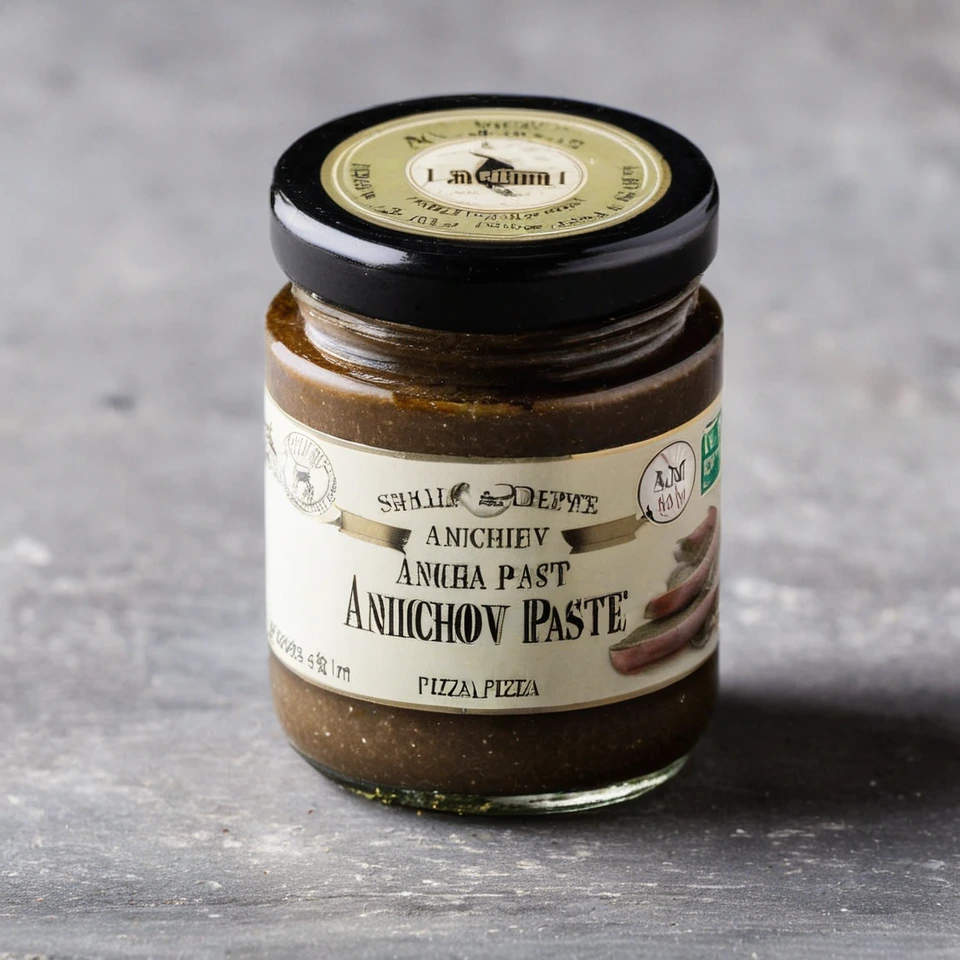
Anchovy Paste
Anchovy paste is a rich, salty spread made from finely ground anchovies, salt, and sometimes olive oil. It offers a deep umami flavor that enhances a variety of dishes.
Recipes to try
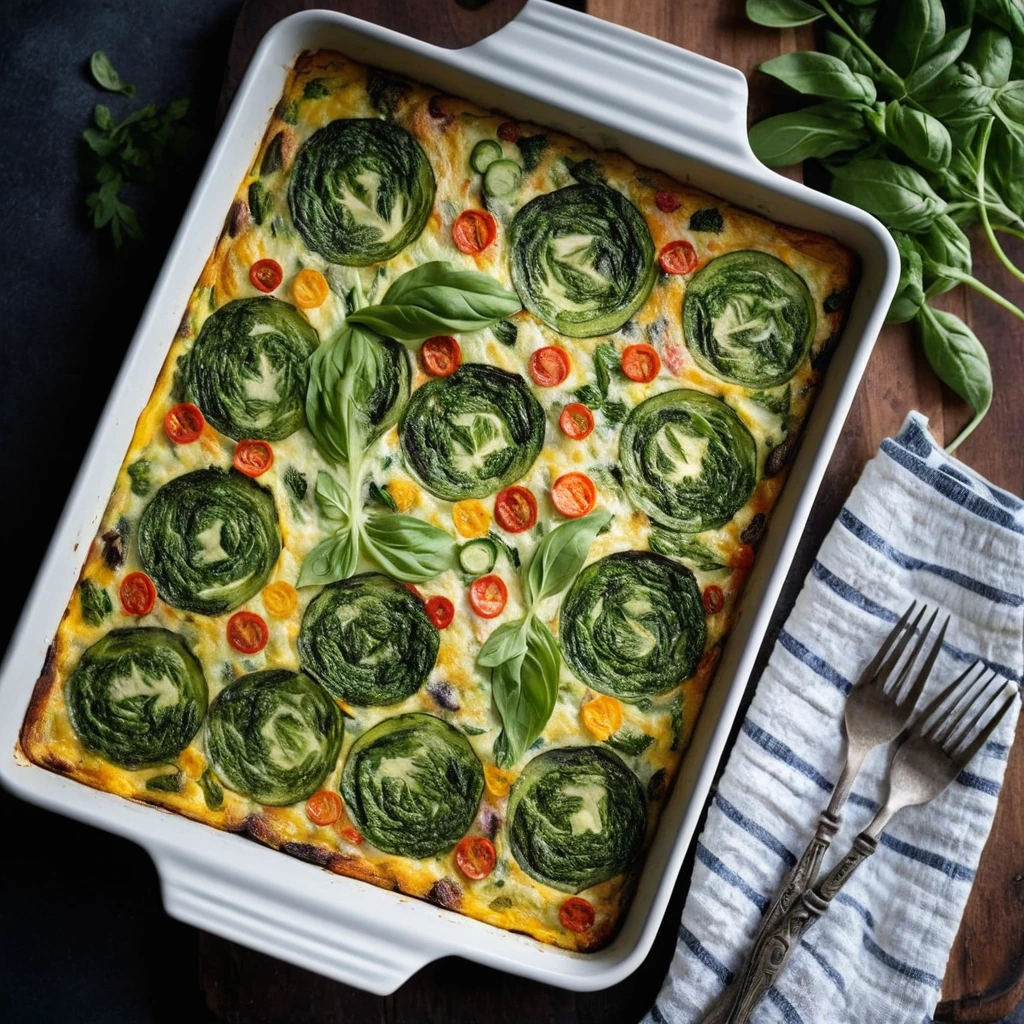
Veggie and Cheese Sheet Pan Frittata
Imagine a golden, bubbly frittata loaded with colorful veggies and melty cheese, all baked to perfection on a single sheet pan.
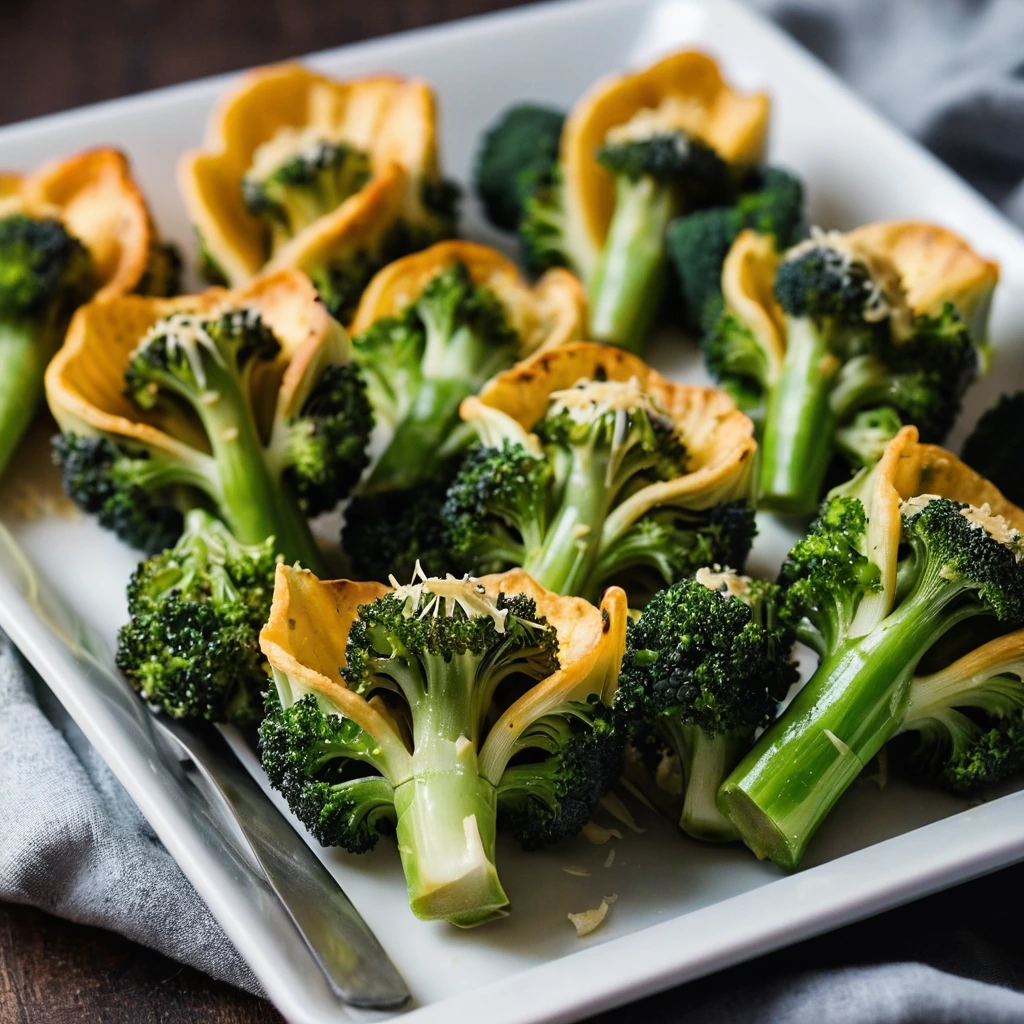
Roasted Broccoli and Cheddar Stuffed Shells
Creamy cheddar cheese and roasted broccoli unite in tender pasta shells for a veggie-packed, cheesy masterpiece.