Heat Management Technique: Testing Oil Temperature Without a Thermometer
Deep frying is an art that requires precision, especially when it comes to oil temperature. Achieving the perfect fry hinges on maintaining the right heat. But what if your thermometer is MIA? Fear not! This technique will guide you through testing oil temperature using simple visual and tactile cues. We'll delve into the science behind why oil temperature matters, how to recognize when it's just right, and how to adjust accordingly. From the gentle sizzle of moisture to the telltale browning of breadcrumbs, these signs will transform your frying game. You'll learn to harness your senses to gauge heat, ensuring your food is crispy on the outside and cooked to perfection within. Whether you're a seasoned home cook or just starting out, mastering this technique will elevate your frying endeavors to new heights.
Notes
The science behind this technique lies in understanding how different temperatures affect the cooking process. Too hot, and your food will burn before it cooks through; too cool, and it will absorb excess oil, becoming greasy. The bread test works because bread reacts predictably to temperature changes. Common mistakes include misjudging the oil's heat or failing to adjust it properly. Always use caution when working with hot oil to avoid burns. For make-ahead and storage, remember that oil can be reused if strained and stored properly, but it should not be left out at room temperature for extended periods.
Steps
- 1 Fill your frying vessel with the appropriate amount of oil.
- 2 Heat the oil over medium heat.
- 3 Drop a small cube of bread into the oil.
- 4 Observe the bread's behavior: if it sinks and bubbles gently around the edges, the oil is around 350°F.
- 5 If the bread immediately sizzles and turns golden in 10-15 seconds, the oil is around 375°F.
- 6 For deep frying, aim for a gentle, consistent bubbling, not a violent eruption.
- 7 If the bread browns too quickly, reduce the heat slightly.
- 8 If the bread takes too long to brown, increase the heat cautiously.
- 9 Remove the bread and discard it before proceeding with your recipe.
- 10 Test the oil again with another bread cube if you've adjusted the heat.
- 11 Once the desired temperature is reached, carefully add your food to the oil.
- 12 Avoid overcrowding the fryer to maintain consistent oil temperature.
- 13 Monitor the oil temperature throughout cooking using the bread test as needed.
- 14 Turn off the heat and remove the oil from the burner once done frying.
Ingredients to explore
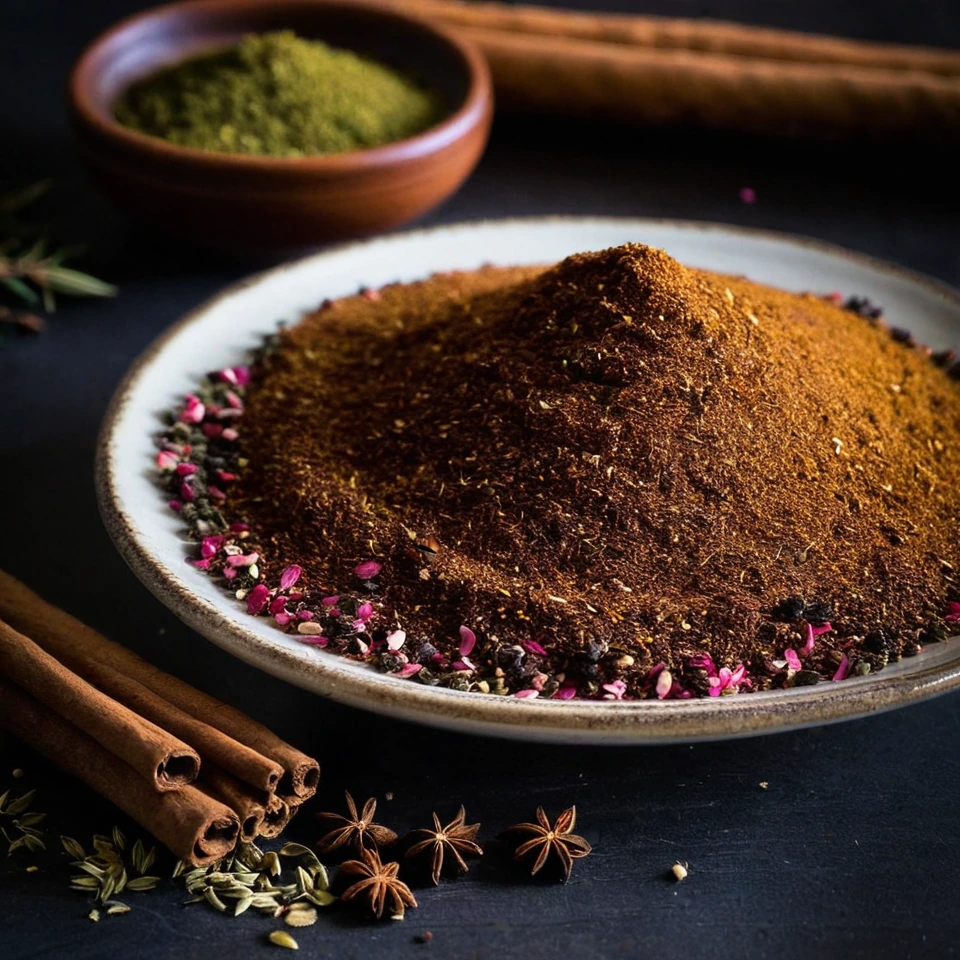
Advieh (Persian Spice Blend)
Advieh is a fragrant Persian spice blend that boasts a complex aroma of warm cinnamon, earthy cumin, and floral hints of rose and saffron. Its texture is finely ground, making it easy to incorporate into dishes. Originating from the rich culinary traditions of Iran, advieh adds depth and sophistication to both savory and sweet recipes. Its unique combination of spices reflects the historical spice trade routes that influenced Persian cuisine.
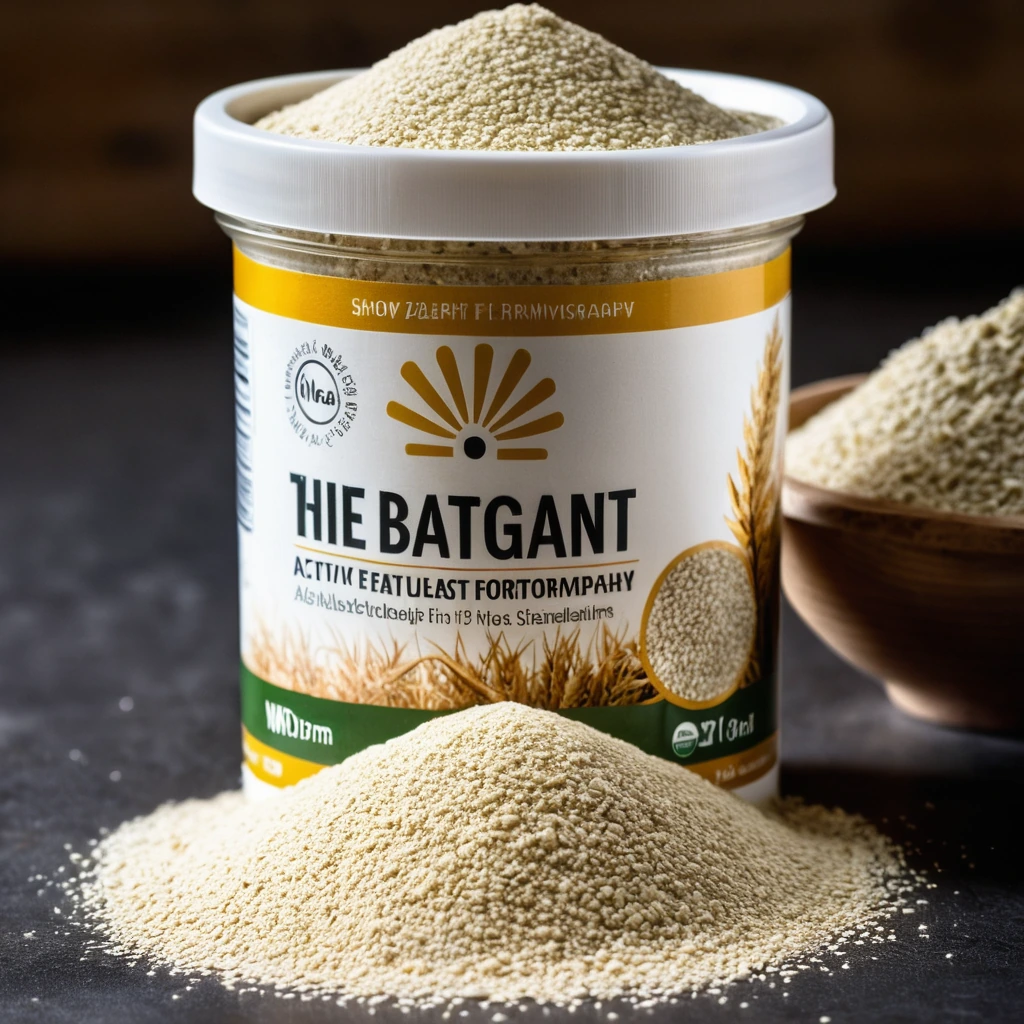
Active Dry Yeast
A fine, granulated leavening agent that brings baked goods to life with its gentle fermentation magic.
Recipes to try
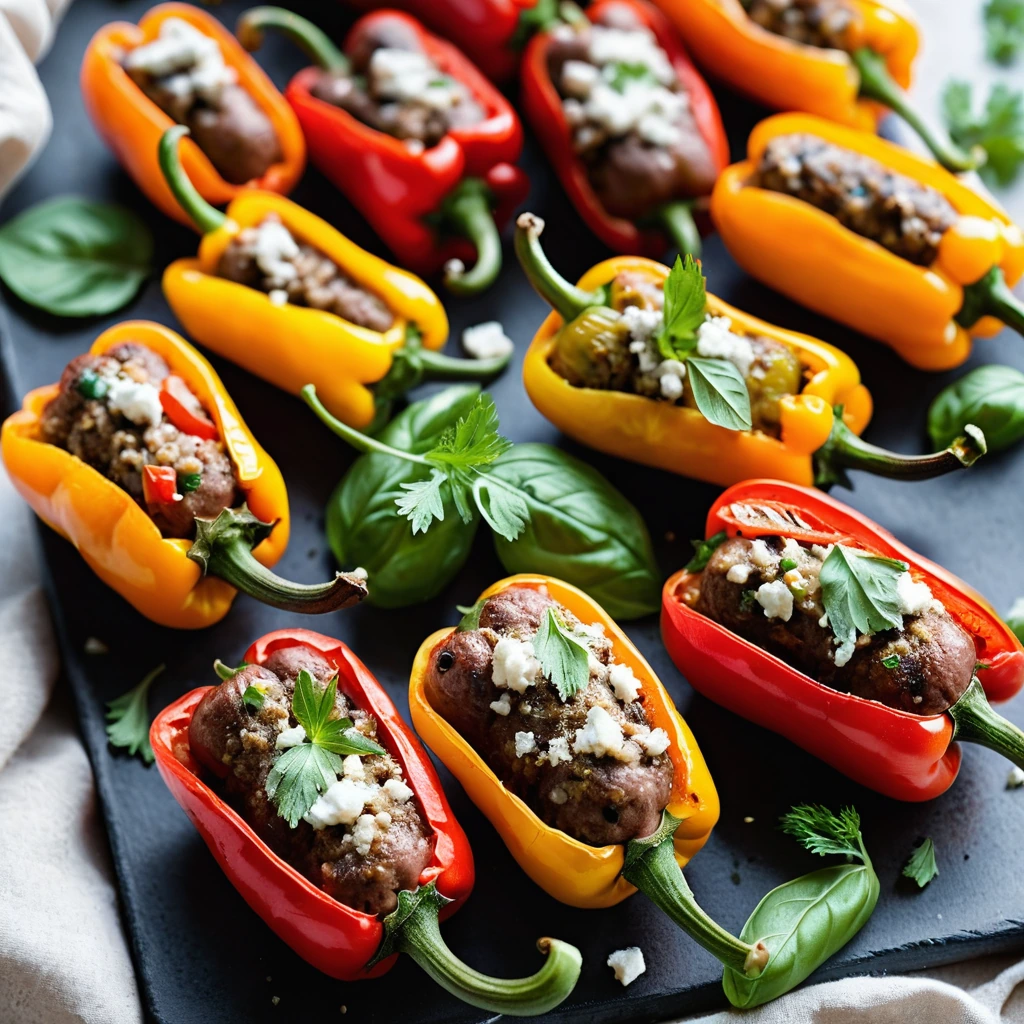
Sausage and Feta Stuffed Mini Peppers
These adorable mini peppers are packed with a savory blend of sausage and creamy feta, delivering a burst of flavor in every bite.

Maple Sausage and Cheddar Breakfast Biscuits
Golden, flaky biscuits stuffed with savory maple sausage and melted sharp cheddar—it's a hearty breakfast hug in every bite.