Baking: Hydration and Flour Types Explained
Understanding hydration and flour types is crucial for achieving consistent baking results. Hydration refers to the ratio of water to flour in a recipe, profoundly affecting texture and structure. Different flours absorb water differently due to their protein content, which impacts gluten formation. All-purpose flour, with its moderate protein level, is versatile but not ideal for everything. Bread flour, high in protein, creates a chewy texture perfect for crusty loaves. Conversely, cake flour's low protein content yields tender, crumbly cakes. Knowing your flour's protein content allows you to adjust hydration for desired outcomes. Too much water can lead to a sticky mess, while too little yields a dry, crumbly disaster. This guide dives into the science of hydration and flour, offering tips to tailor recipes to your needs, ensuring your baked goods rise beautifully and have the perfect texture.
Notes
The science behind hydration lies in gluten formation. When flour meets water, gluten proteins begin to bond, forming a network that traps air and provides structure. Too much water can overdevelop gluten, leading to toughness, while too little hinders proper gluten development, resulting in a crumbly texture. Common mistakes include measuring flour inaccurately or not adjusting for different flour types. For safety, ensure your workspace is clean to avoid contamination. Store flours in airtight containers to maintain freshness. Make-ahead tip: Prepare doughs with precise hydration levels and store them in the refrigerator for up to two days before baking.
Steps
- 1 Measure your flour accurately using a kitchen scale for precision.
- 2 Check the protein content of your flour to determine its ideal hydration level.
- 3 Start with the recipe's recommended hydration percentage as a baseline.
- 4 Gradually add water to the flour, mixing gently until just combined.
- 5 Observe the dough's consistency; adjust hydration by adding water or flour in small increments.
- 6 Knead the dough until smooth and elastic, ensuring even hydration throughout.
- 7 Allow the dough to rest for 10-15 minutes to let the flour fully absorb the water.
- 8 Assess the dough's texture and adjust hydration if necessary before proceeding.
- 9 Preheat your oven to the recipe's specified temperature, usually between 350°F and 450°F.
- 10 Bake your creation, monitoring closely for visual cues like browning or rising.
- 11 Cool baked goods on a wire rack to prevent sogginess.
- 12 Adjust future recipes based on your observations and experiences with different flours.
Ingredients to explore
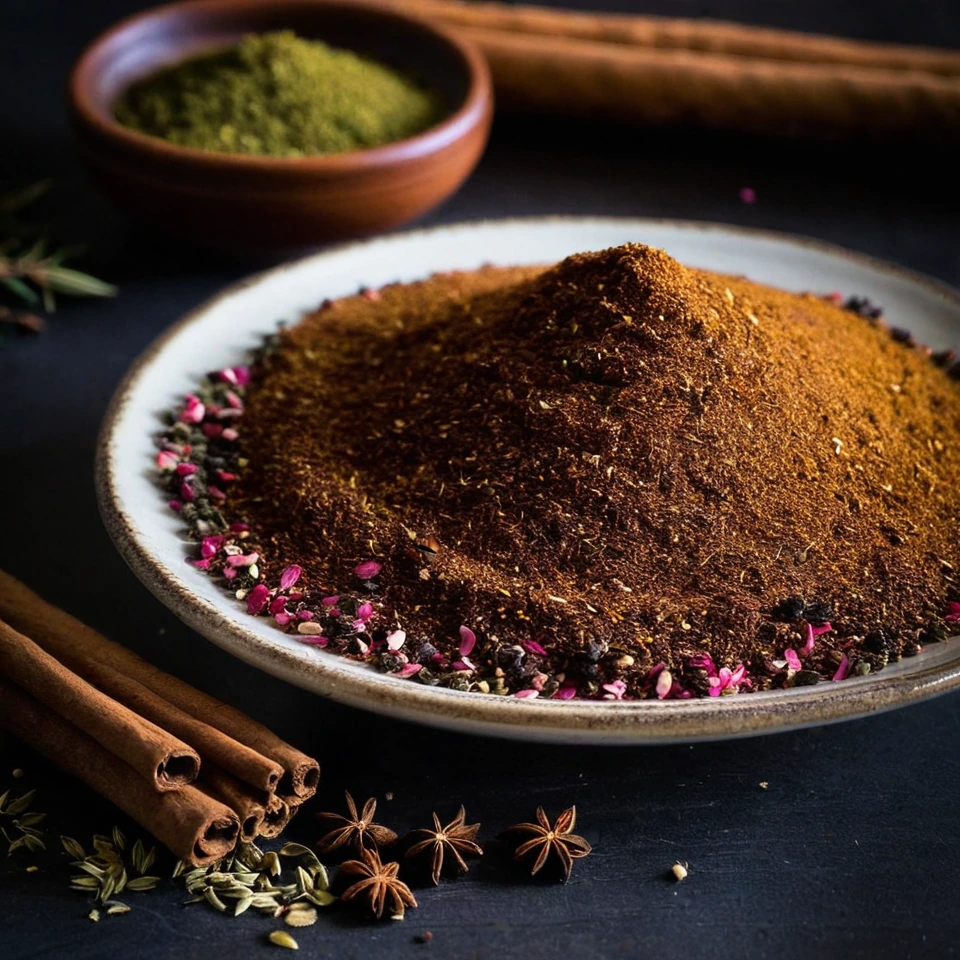
Advieh (Persian Spice Blend)
Advieh is a fragrant Persian spice blend that boasts a complex aroma of warm cinnamon, earthy cumin, and floral hints of rose and saffron. Its texture is finely ground, making it easy to incorporate into dishes. Originating from the rich culinary traditions of Iran, advieh adds depth and sophistication to both savory and sweet recipes. Its unique combination of spices reflects the historical spice trade routes that influenced Persian cuisine.
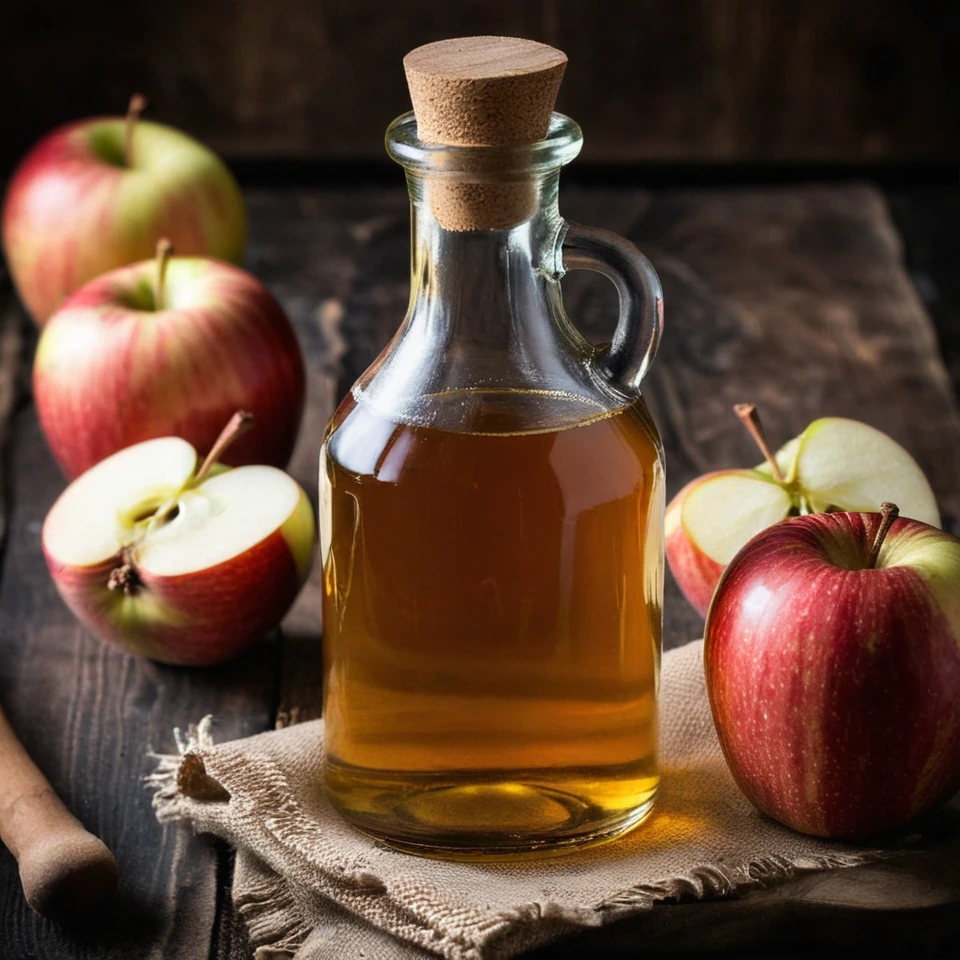
Apple Cider Vinegar
Apple cider vinegar is a type of vinegar made through the fermentation of apple cider, resulting in a tangy, slightly sweet liquid with a pale to medium amber color.
Recipes to try

Sausage, Egg, and Cheese Croissant Pockets
Buttery croissants envelop a warm, savory trio of sausage, fluffy scrambled eggs, and melty cheese for a breakfast pocket that's pure bliss.
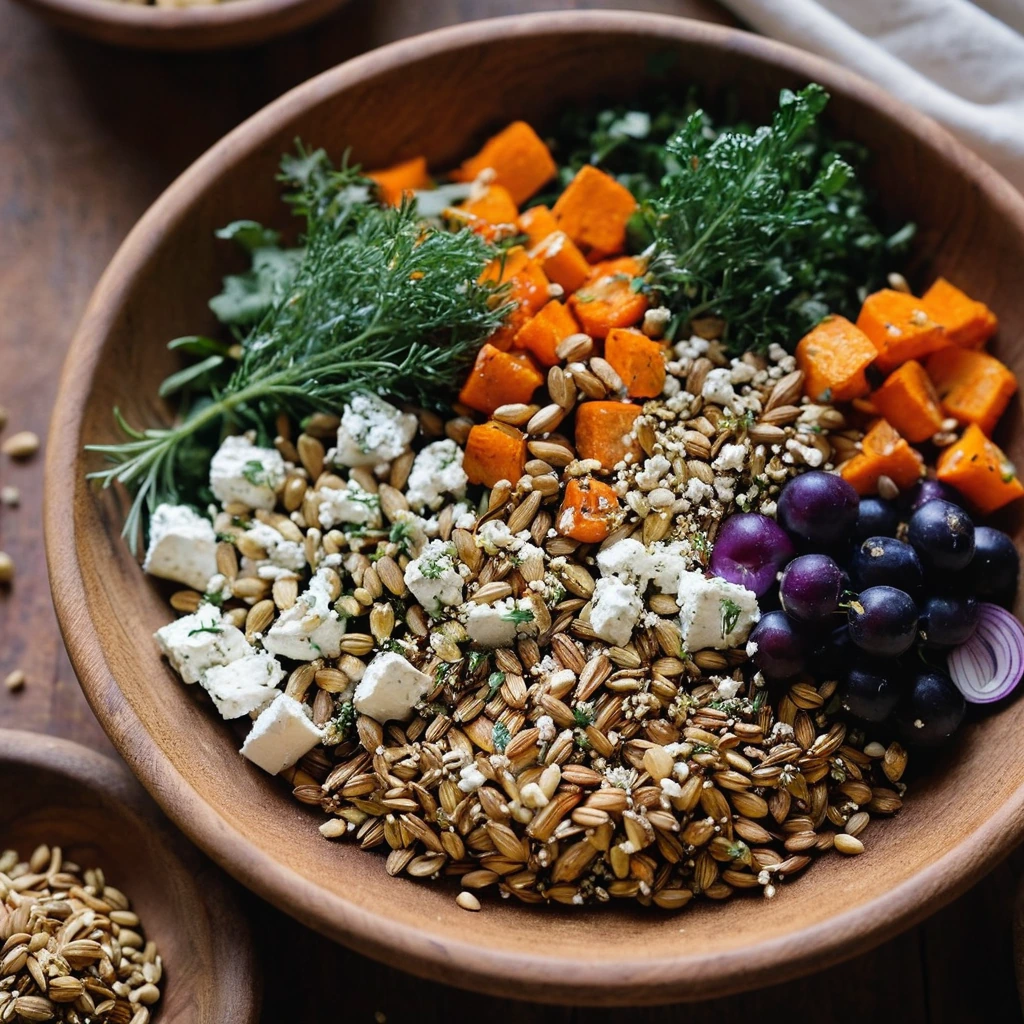
Roasted Vegetable and Goat Cheese Grain Bowls
Warm, roasted veggies mingle with creamy goat cheese over a bed of nutty grains for a comforting yet vibrant meal.