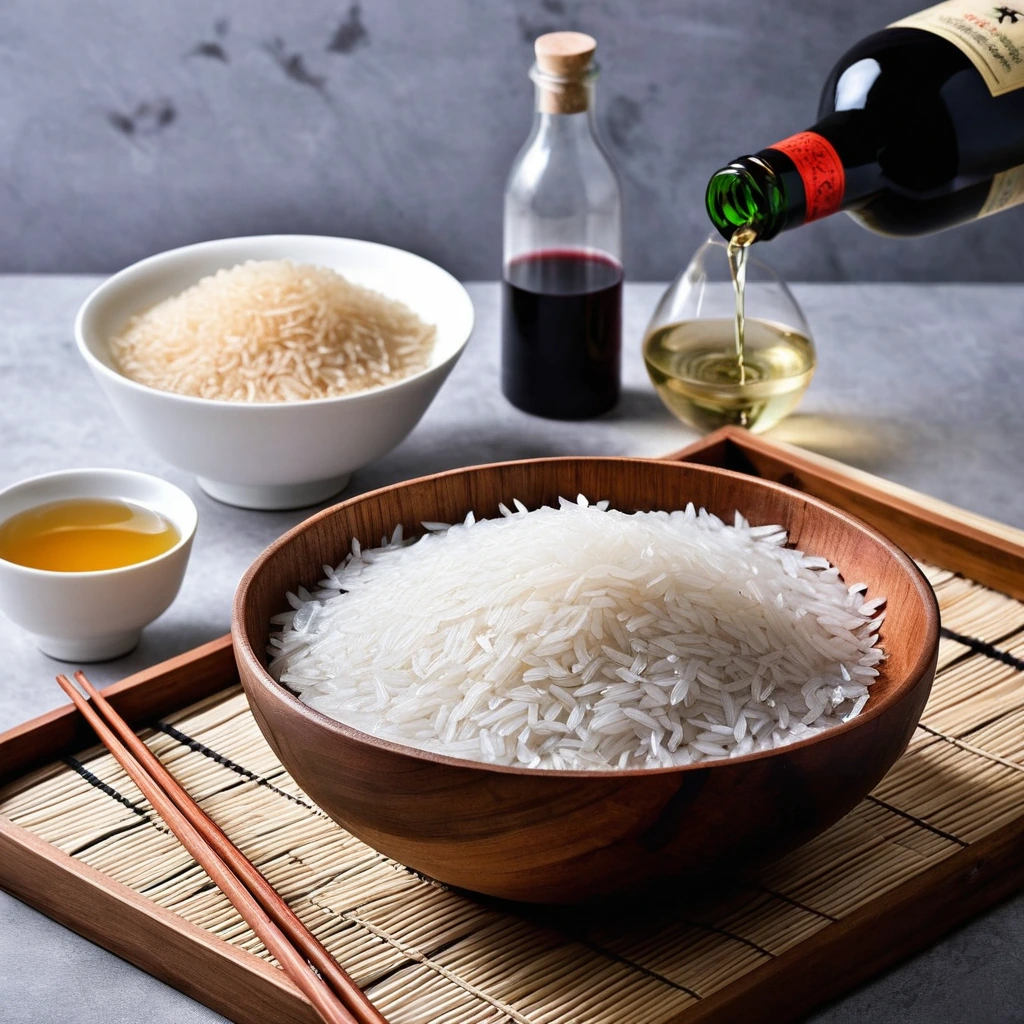
Rice Cooking Wine (Shaoxing)
Rice cooking wine, often referred to as Shaoxing wine, is a Chinese condiment made from fermented glutinous rice, wheat, water, and yeast. Originating from the city of Shaoxing in Zhejiang Province, this wine holds a revered place in Chinese culinary traditions. It boasts a complex flavor profile that is simultaneously sweet, savory, and slightly tangy with a subtle nuttiness. The texture is viscous and syrupy, which can add depth and richness to dishes. When used in cooking, it enhances umami and helps tenderize proteins. Its alcohol content also aids in balancing and harmonizing other flavors in a dish, while reducing can concentrate its sweetness and aromatic notes.
Notes
When selecting Shaoxing wine, opt for bottles labeled 'cooking wine' rather than'seasoned wine' if you seek a more authentic flavor, though both are suitable for cooking. Store unopened bottles in a cool, dark place for up to two years. Once opened, keep it in the refrigerator and use within a year. To avoid overpowering a dish, measure carefully; its robust flavor can dominate if used excessively. Note that Shaoxing wine is not a common allergen but contains alcohol, so consider this for dietary preferences or restrictions.
Uses
- Stir-fries for depth
- Marinades for meats
- Steamed fish enhancement
- Braising liquids for tenderness
- Dumpling filling seasoning
- Congee flavoring
Replacements
- Dry sherry
- Mirin
- Dry white wine
- Apple cider
- Miso paste diluted with water
You might also like
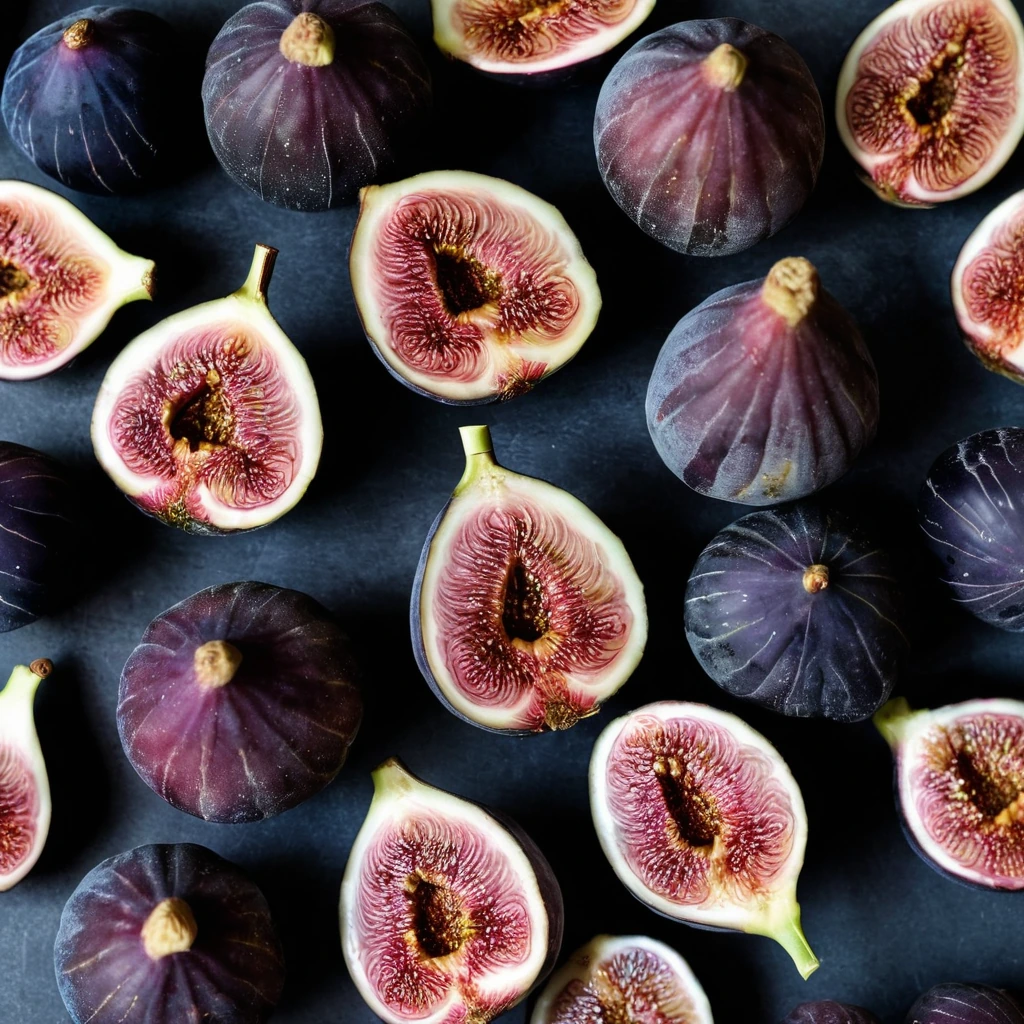
Fresh Figs
Fresh figs are the ripe fruit of the Ficus carica tree, a plant native to the Middle East and Western Asia but now cultivated worldwide in warm climates. These fruits are celebrated for their luscious sweetness and unique texture, offering a flavor profile that is both honeyed and subtly floral with a hint of berry tanginess. The flesh of a fresh fig is tender and juicy, with a delicate, almost melting quality that contrasts with its smooth, slightly chewy skin. In cooking, fresh figs behave delicately; they can bruise easily and should be handled gently. They are best used soon after harvesting, as they do not ripen well off the tree. Due to their high sugar content and soft flesh, they are ideal for both fresh consumption and culinary applications where their natural sweetness can shine.
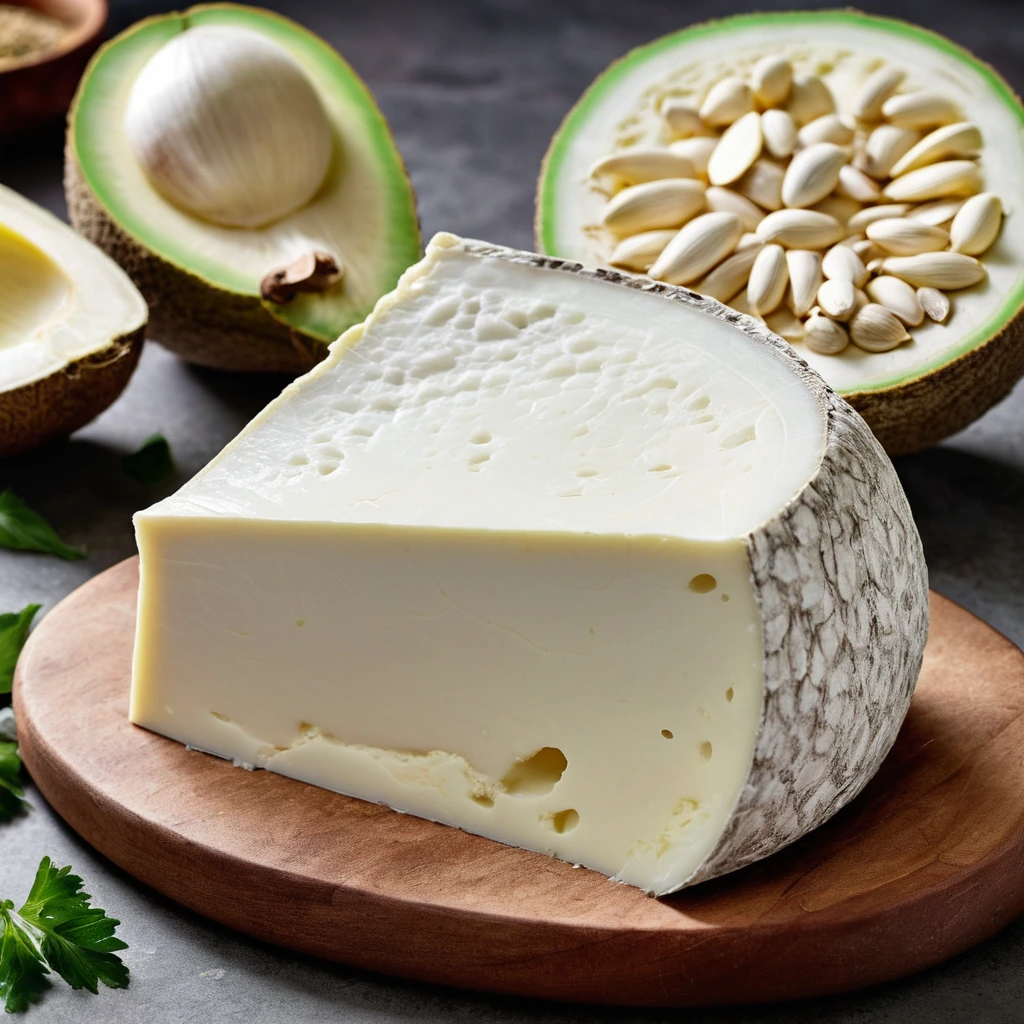
Queso Blanco
Queso Blanco is a fresh, unaged cheese hailing from Mexico, known for its mild, creamy flavor and smooth texture. This versatile cheese is crafted from cow's milk, often with the addition of vinegar or an acid to curdle the milk, resulting in a cheese that is both simple and deeply satisfying. Its taste is subtle, with a slightly tangy finish, making it an excellent complement to bold flavors. The texture is soft and crumbly yet holds its shape well when melted. In cooking, Queso Blanco is prized for its ability to melt smoothly without becoming stringy, making it ideal for dishes where a creamy consistency is desired. It is a staple in many traditional Mexican dishes, bringing a touch of richness and creaminess.
Recipes to try
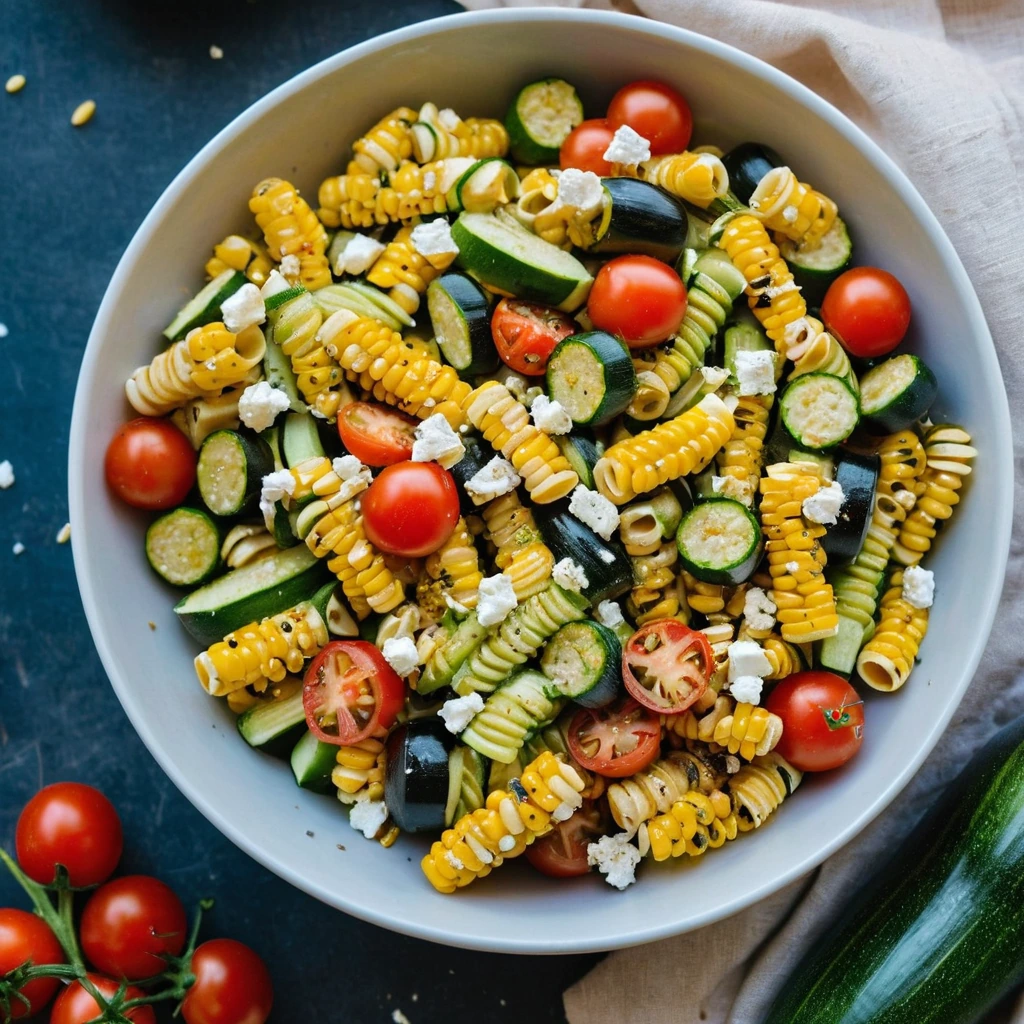
Roasted Zucchini, Corn, and Tomato Pasta Salad
This vibrant pasta salad is bursting with smoky roasted veggies and tangy feta, making every bite a taste of summer.

Mediterranean Chickpea Bowls with Lemon Tahini
A vibrant medley of textures and flavors, these bowls are packed with lemony tahini drizzle and fresh Mediterranean herbs.