Vegetables: Massaging Kale for Tender Greens
Transforming tough kale into tender greens is an art that every home cook should master. Massaging kale isn't just a quirky culinary trend; it's a simple technique that breaks down the fibrous cell walls of the leaves, making them more palatable and easier to digest. The process involves working the kale leaves with your hands and a bit of seasoning, like salt, lemon juice, or olive oil, which helps to soften the leaves and enhance their natural sweetness. The technique is particularly useful for recipes that call for raw kale, like salads or wraps, where you want to avoid the chewy texture often associated with this leafy green. By gently manipulating the leaves, you can unlock a more delicate texture and a flavor that's both vibrant and nuanced. The key is patience and a gentle touch, as rough handling can bruise the kale rather than tenderize it. Understanding the science behind the technique—how salt draws out moisture and acids break down cell walls—can elevate your cooking and lead to consistently impressive results. Whether you're a kale enthusiast or a skeptic looking to make the most of this nutritional powerhouse, mastering the art of massaging kale will transform your approach to cooking with leafy greens.
Notes
The science behind massaging kale is fascinating: when you apply pressure and introduce salt and acid, you begin to break down the cell walls, releasing moisture and softening the fibers. This process is akin to wilting, making the kale more palatable. A common mistake is using too much salt, which can make the kale overly bitter, so start with less and adjust to taste. Another mistake is rushing the process; give the kale enough time to soften properly. For storage, massaged kale is best used immediately, but if necessary, store it in an airtight container in the refrigerator for up to 24 hours. Remember, the texture will continue to soften slightly over time.
Steps
- 1 Remove the tough stems from the kale leaves and tear them into bite-sized pieces.
- 2 Place the kale in a large mixing bowl.
- 3 Sprinkle 1/2 teaspoon of salt over the kale leaves.
- 4 Drizzle 1-2 tablespoons of olive oil or lemon juice over the kale.
- 5 Use your hands to gently rub and squeeze the leaves, coating them with the liquid.
- 6 Continue massaging for 1-2 minutes, until the kale leaves turn a brighter green and feel softer.
- 7 Taste a leaf to check for desired tenderness, adding more salt or acid if needed.
- 8 Once tenderized, mix in additional seasonings or ingredients as desired for your recipe.
- 9 Use immediately in salads, wraps, or other dishes for the best texture.
Ingredients to explore
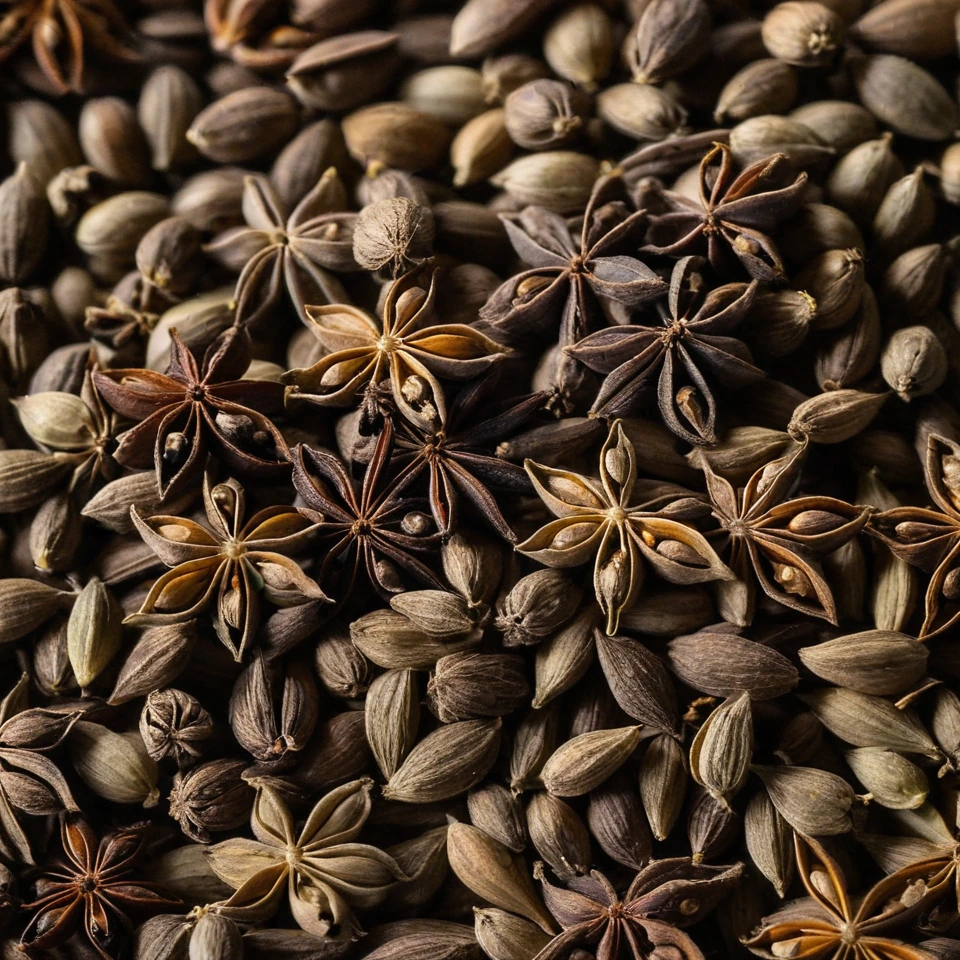
Anise Seeds
Anise seeds are small, oval seeds with a sweet, licorice-like flavor. They are commonly used in both sweet and savory dishes, offering a warm, aromatic taste.
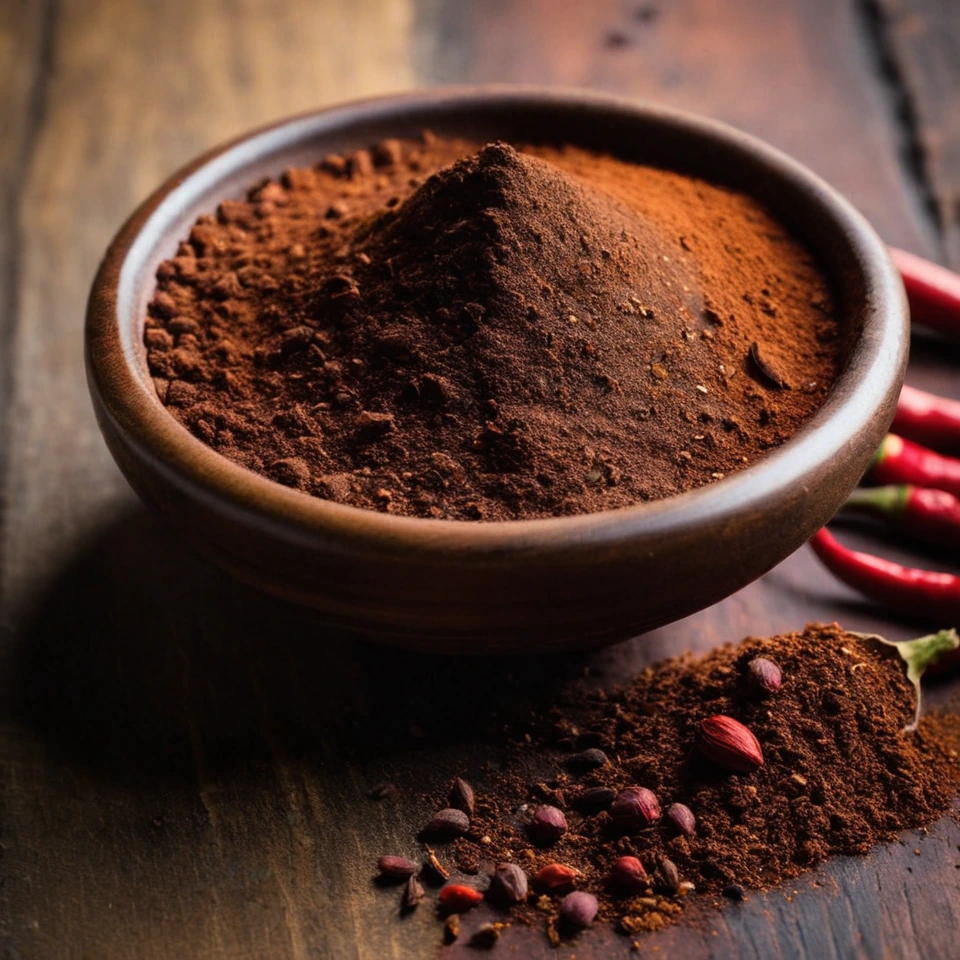
Ancho Chili Powder
Ancho chili powder offers a deep, smoky sweetness with hints of dried fruit and cocoa, reminiscent of its origin as dried poblano peppers from Mexico. Its aroma is warm and inviting, with a mild heat that lingers gently. The texture is fine and velvety, making it easy to incorporate into a variety of dishes. This powder is prized for its ability to add complexity without overwhelming spice, ideal for enriching both traditional Mexican moles and contemporary global cuisines.
Recipes to try

Smoky Sausage, Corn, and Potato Foil Packets
Imagine the smoky aroma of grilled sausage mingling with sweet corn and tender potatoes, all wrapped up in a neat foil packet.

Sweet Chili Glazed Meatball Lettuce Wraps
Juicy meatballs cloaked in a sticky-sweet chili glaze, nestled in crisp lettuce cups for a flavor explosion with every bite.