Vegetable Technique: Stir-Frying Vegetables for Crisp-Tender Bite
Stir-frying is a quick and vibrant cooking method that yields vegetables with a delightful crisp-tender texture. Achieving this requires high heat, a well-seasoned wok or large skillet, and precise timing. The key is to cook vegetables in small batches to maintain the high temperature, ensuring they sear rather than steam. This technique is perfect for busy weeknights or when you want to preserve the natural colors, flavors, and nutrients of your vegetables. Stir-frying is not just about speed; it's about balance—balancing heat, motion, and timing. First, prepare all your ingredients beforehand, as stir-frying happens fast. Choose vegetables that are firm and fresh for the best results. Understanding the order in which to cook different vegetables is crucial, as some cook faster than others. For example, denser vegetables like carrots and broccoli need more time than delicate greens like spinach or bok choy. Seasoning is also important; a touch of oil with high smoke point, like peanut or vegetable oil, and a well-timed addition of aromatics like garlic and ginger, can elevate the flavors. Finally, mastering the wok hei, or 'breath of the wok,' adds a smoky, slightly charred flavor that is prized in traditional stir-fries. Let’s dive into the specifics to make your stir-fry a success.
Notes
The science behind stir-frying lies in the Maillard reaction, where high heat creates those desirable browning and flavor compounds. To avoid common mistakes, ensure your vegetables are dry before cooking to prevent steaming. Overcrowding the pan is another pitfall; cook in batches if necessary to maintain heat. For safety, always use oven mitts when handling a hot wok. Stir-fried vegetables are best served immediately, but if you need to make ahead, store in an airtight container in the fridge for up to 2 days. Reheat gently over low heat to maintain texture.
Steps
- 1 Heat a wok or large skillet over high heat until a drop of water evaporates instantly.
- 2 Add 2 tablespoons of high smoke point oil, such as peanut or vegetable oil.
- 3 Add firm vegetables like carrots or broccoli first, stirring constantly.
- 4 Cook these vegetables for 2-3 minutes until they start to crisp up.
- 5 Add medium-cooking vegetables like bell peppers or zucchini.
- 6 Stir-fry for another 1-2 minutes.
- 7 Incorporate quick-cooking vegetables like snow peas or spinach.
- 8 Toss in minced garlic and ginger, stirring for 30 seconds to infuse flavor.
- 9 Season with soy sauce, salt, or other desired seasonings.
- 10 Toss to combine and cook for another 30 seconds.
- 11 Finish with a splash of sesame oil for added flavor if desired.
- 12 Remove from heat immediately to prevent overcooking.
- 13 Transfer to a serving dish and serve hot.
Ingredients to explore
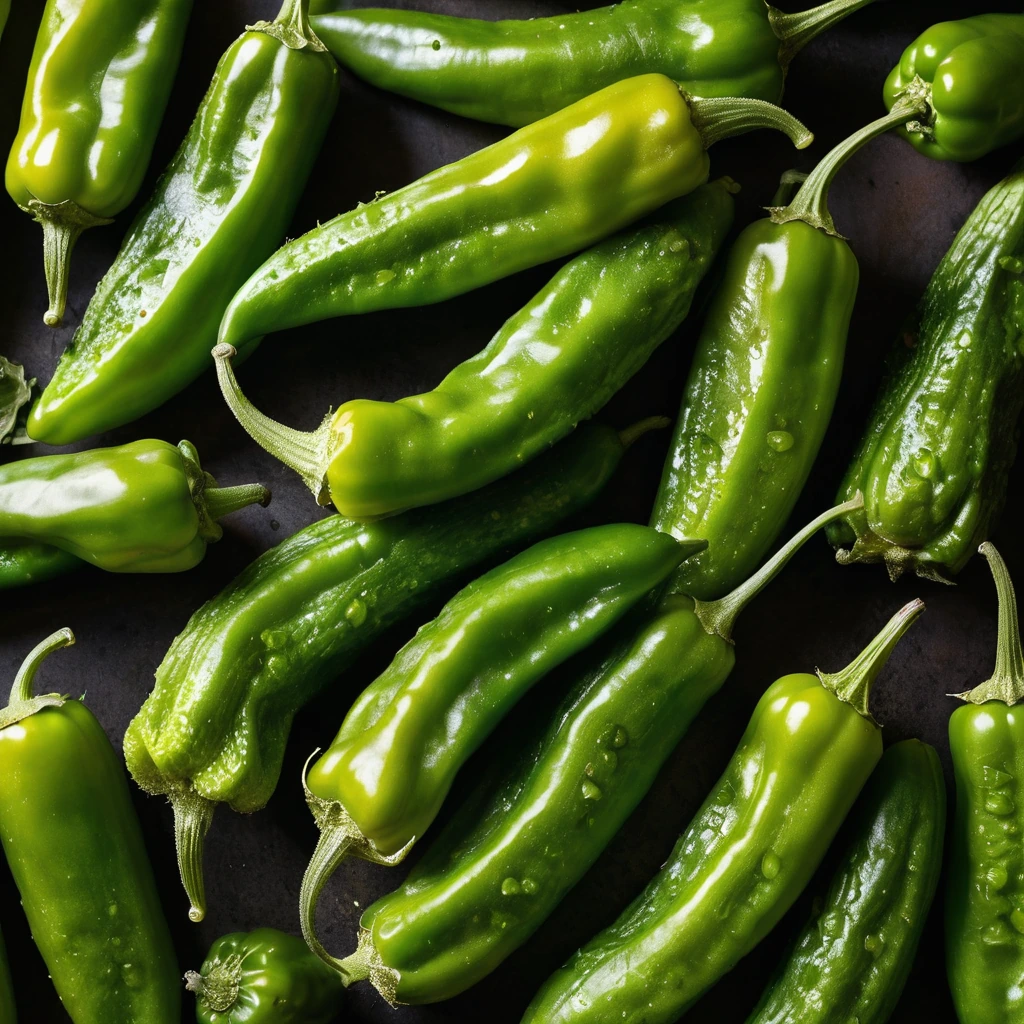
Anaheim Peppers
Anaheim peppers are a mild chili pepper variety named after Anaheim, California, where they were first cultivated commercially. Originating from the New Mexico region, these peppers are celebrated for their versatility and gentle heat. They possess a flavor that is mildly sweet with a subtle tang, and a pleasant vegetal note reminiscent of green bell peppers, but with a hint of spice. Their texture is firm and crisp when fresh, becoming tender and slightly smoky when roasted or cooked. In cooking, Anaheim peppers behave well across a range of techniques, from grilling and roasting to stuffing and sautéing, contributing a nuanced depth without overwhelming other ingredients with heat.
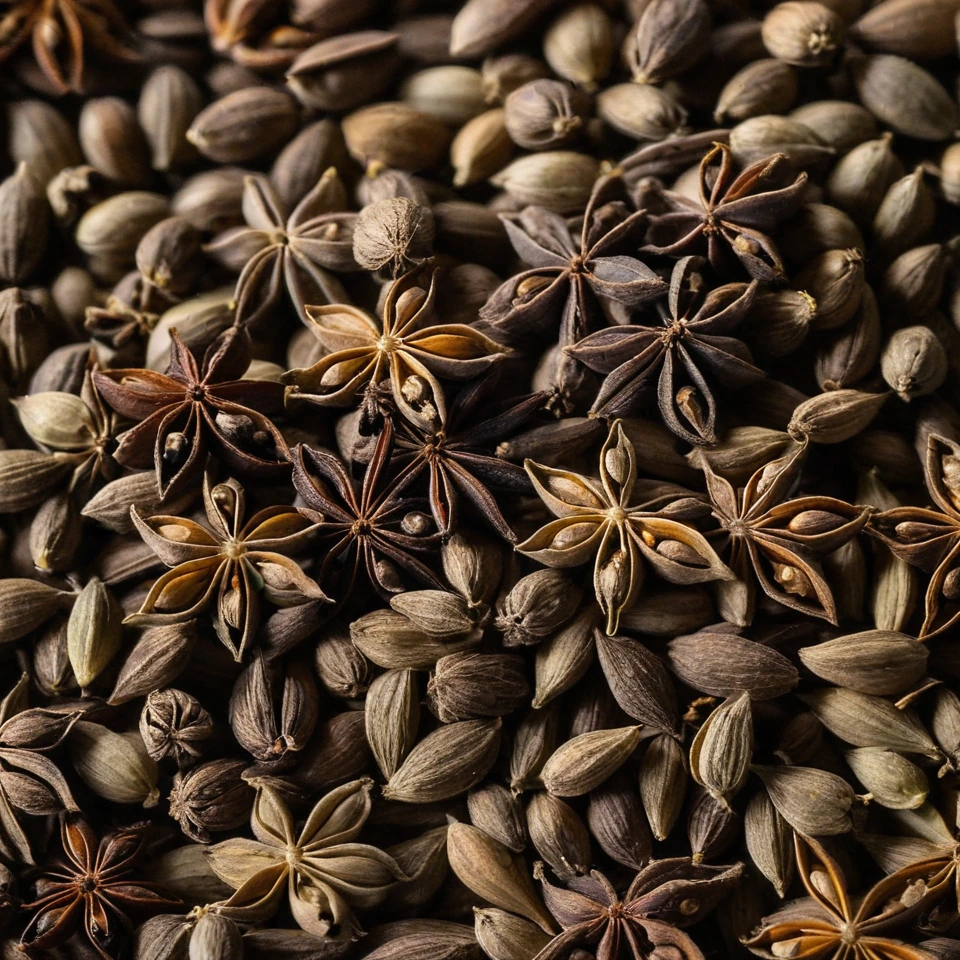
Anise Seeds
Anise seeds are small, oval seeds with a sweet, licorice-like flavor. They are commonly used in both sweet and savory dishes, offering a warm, aromatic taste.
Recipes to try
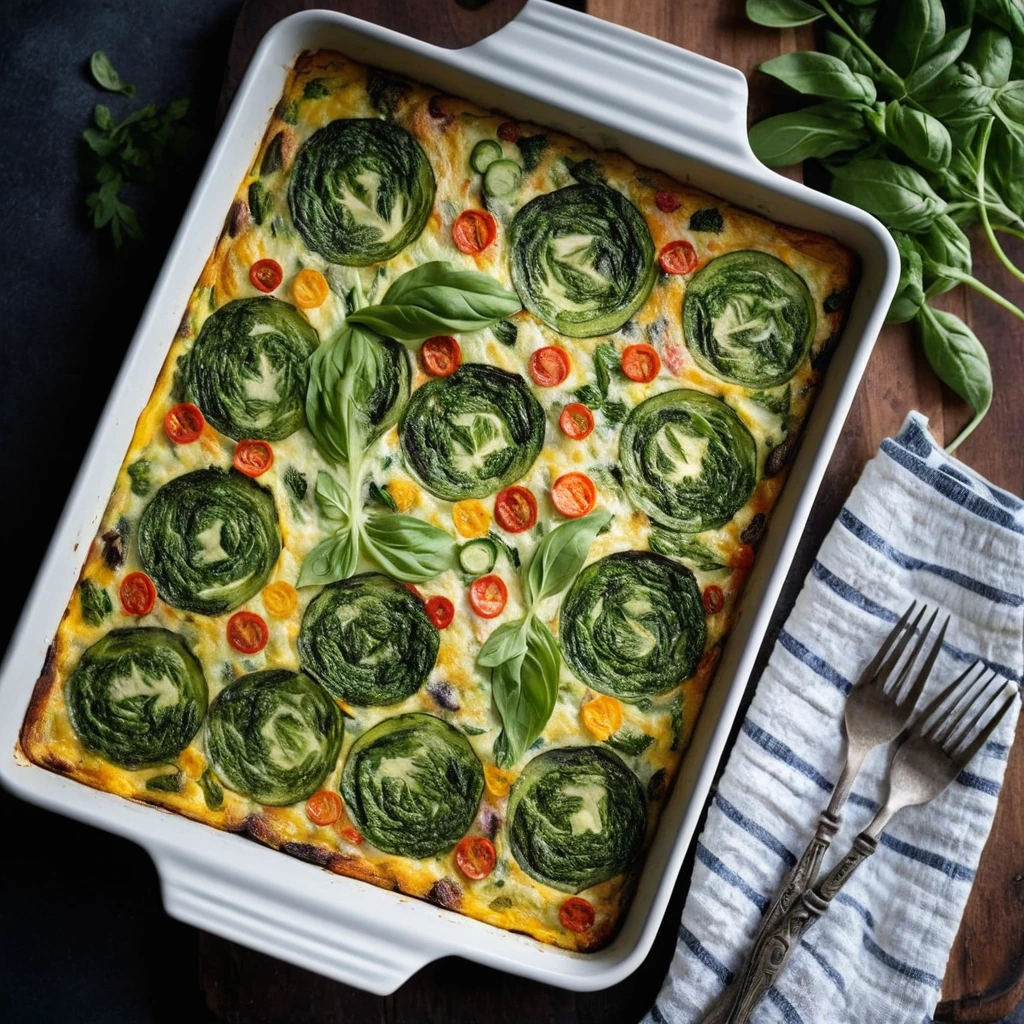
Veggie and Cheese Sheet Pan Frittata
Imagine a golden, bubbly frittata loaded with colorful veggies and melty cheese, all baked to perfection on a single sheet pan.
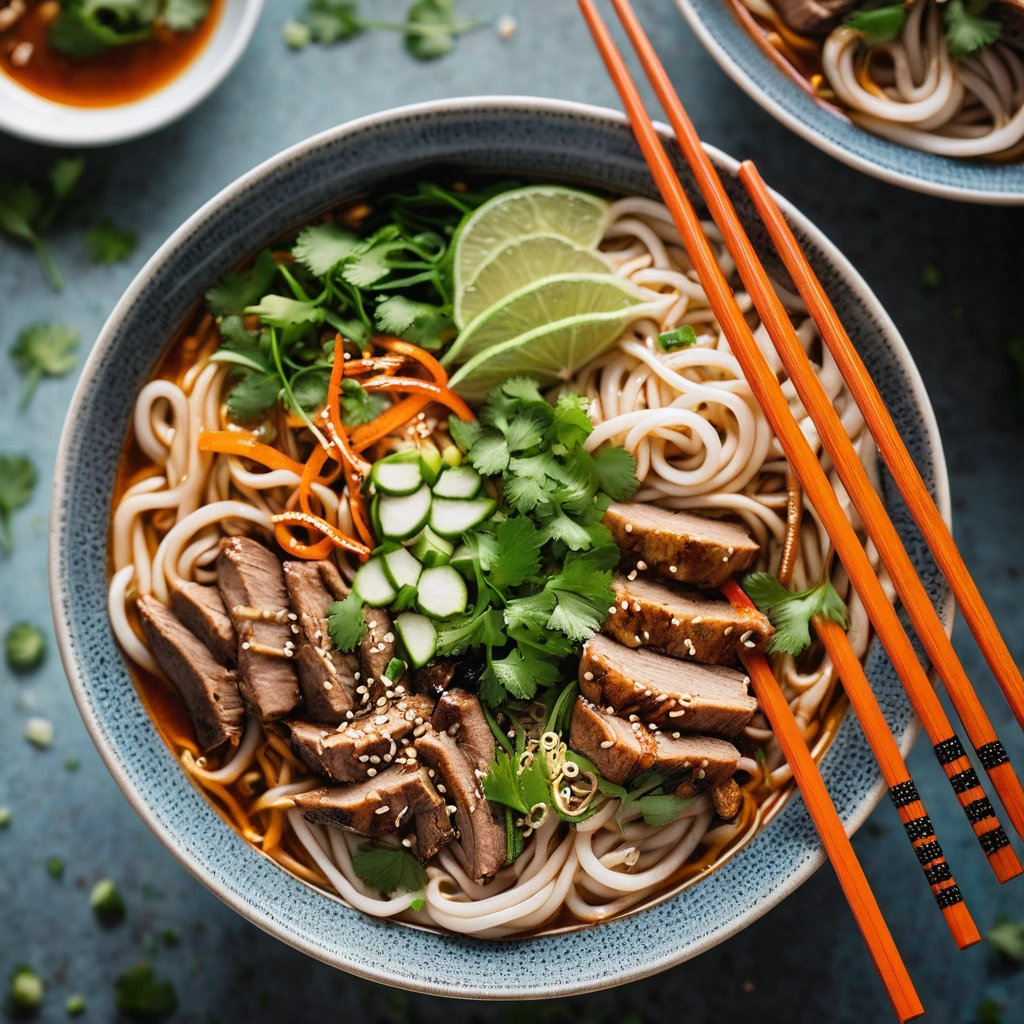
Sweet Chili Pork Noodle Bowls
Tender pork and chewy noodles are smothered in a tangy, sweet chili sauce that'll have you coming back for seconds.