Vegetable Technique: Shocking Vegetables to Lock In Texture
Shocking vegetables is a culinary technique designed to halt the cooking process immediately, preserving color, texture, and nutrients. This method is particularly effective for vegetables that are quickly blanched in boiling water. The shock, typically achieved by transferring the vegetables to an ice bath, stops the vegetables from overcooking and becoming mushy. This technique is essential for preparing vibrant, crisp-tender vegetables that elevate dishes with their fresh appearance and firm bite. Understanding the science behind shocking vegetables can transform your cooking, ensuring your veggies remain at their peak quality. The process is straightforward yet impactful, making it a staple in both home and professional kitchens. By mastering this technique, you'll be able to consistently produce vegetables that are both visually appealing and texturally delightful. Whether you're preparing a side dish or incorporating vegetables into a main course, shocking them post-blanching will yield superior results. Let’s dive into how and why this technique works, ensuring your vegetables are always restaurant-quality.
Notes
The science behind shocking vegetables lies in enzyme activity. Cooking vegetables activates enzymes that continue to break down cell walls, leading to a softer texture if left unchecked. The ice bath halts this enzymatic activity, preserving texture. A common mistake is leaving vegetables in boiling water too long, leading to overcooking. Always time your blanching precisely. For storage, shocking helps vegetables maintain quality in the fridge for up to 3 days. Ensure they are completely dry before refrigerating to prevent sogginess. This technique also boosts the visual appeal of vegetables by maintaining their vibrant colors, ideal for presentations or salads.
Steps
- 1 Bring a large pot of water to a rolling boil.
- 2 Prepare an ice bath by filling a large bowl with ice and water.
- 3 Trim and cut your vegetables into uniform pieces.
- 4 Submerge the vegetables in the boiling water for 10-60 seconds, depending on type and size.
- 5 Immediately transfer the vegetables to the ice bath using a slotted spoon.
- 6 Let the vegetables cool in the ice bath for 1-2 minutes.
- 7 Drain the vegetables thoroughly using a colander.
- 8 Pat the vegetables dry with a clean kitchen towel.
- 9 Season with salt and other desired seasonings.
- 10 Use immediately or store properly for later use.
Ingredients to explore
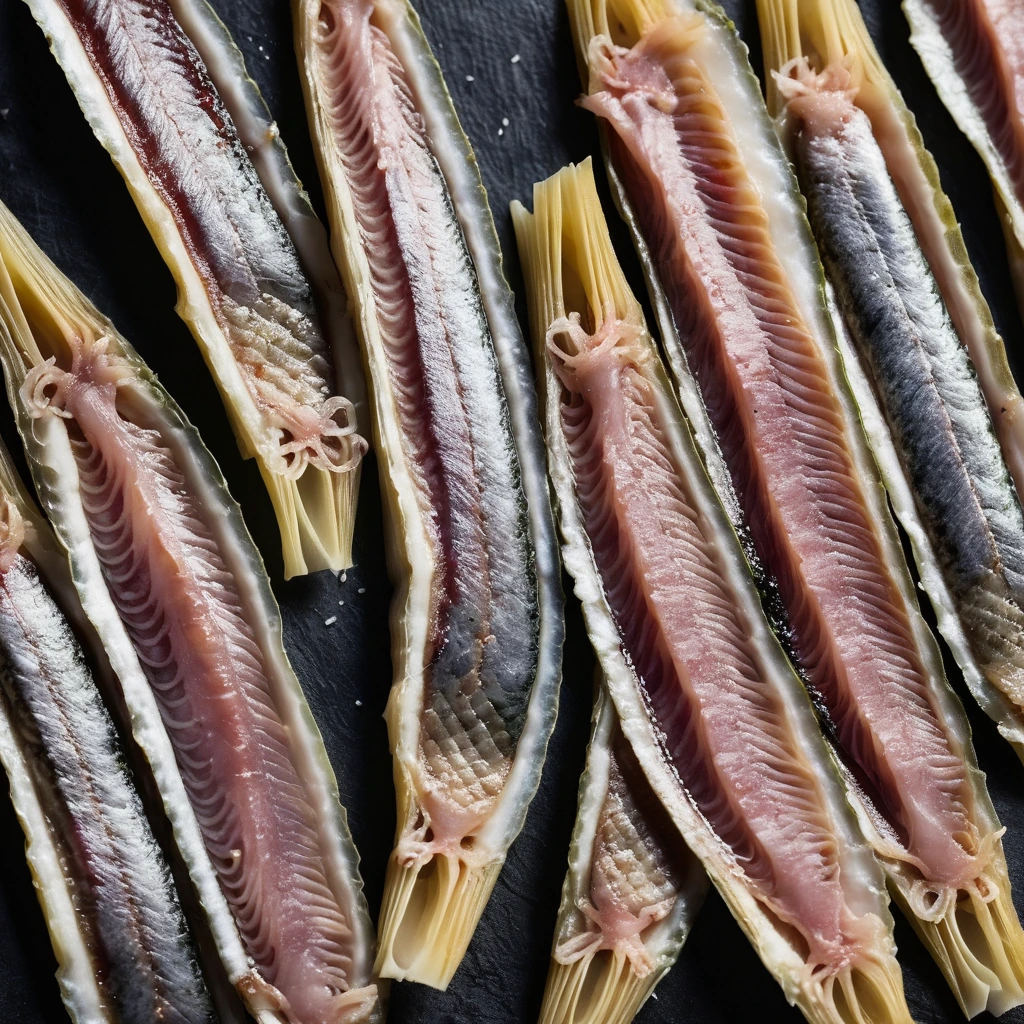
Anchovy Fillets
Silvery and succulent, anchovy fillets are a briny treasure from the sea. Their rich, umami flavor adds depth to dishes, making them a beloved ingredient in kitchens worldwide.

2% Milk
Creamy and just a touch lighter than whole milk, 2% milk offers a perfect balance of richness and reduced fat. Its smooth texture and subtle sweetness make it a delightful choice for sipping or cooking.
Recipes to try
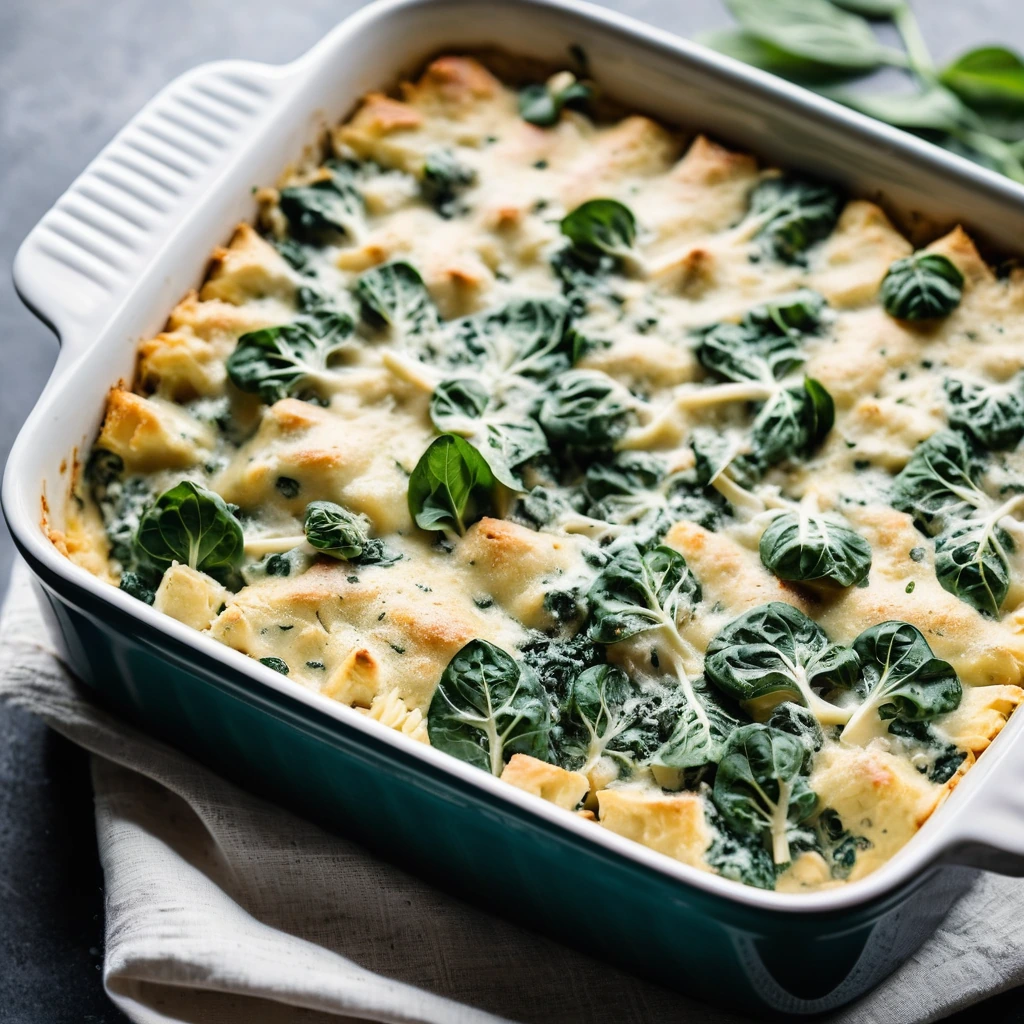
Spinach and Artichoke Chicken Casserole
Creamy, cheesy, and packed with tender chicken, this casserole is a cozy hug in a baking dish.
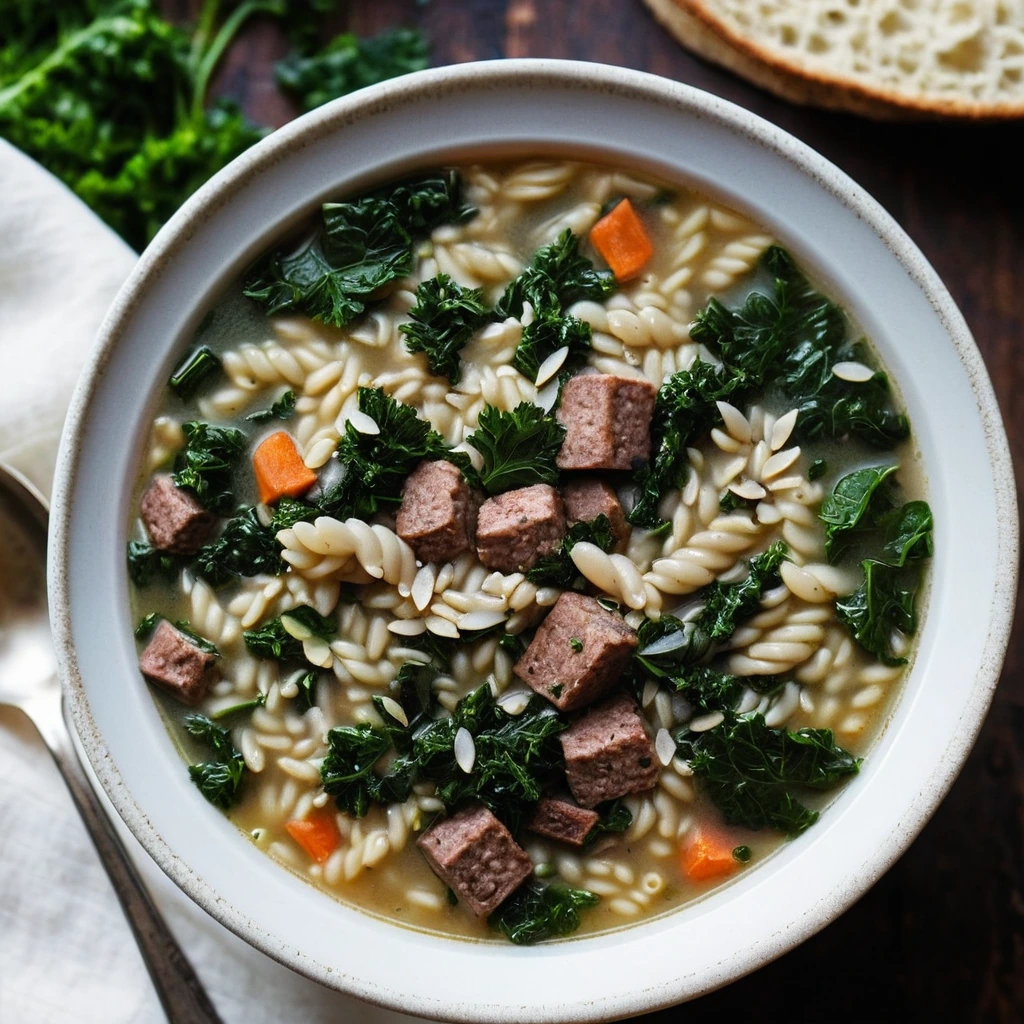
Sausage, Kale, and White Bean Orzo Soup
This hearty soup is a cozy hug in a bowl, brimming with smoky sausage, tender kale, and creamy white beans in a savory broth.