Stovetop: Matching Pan Size to Burner
Achieving culinary excellence often begins with mastering the basics, and one such fundamental is understanding how to match your pan size to your stove burner. This technique might seem trivial, but it's crucial for efficient cooking and energy use. When a pan is too small, heat is wasted, and when it's too large, food might not cook evenly. The right fit ensures optimal heat transfer, which means your food cooks faster and more evenly, saving you time and energy. Moreover, it prevents hot spots that can lead to burnt food or uneven cooking. Understanding the relationship between pan and burner sizes can elevate your cooking game, ensuring that every dish you create is cooked to perfection. Whether you're simmering a delicate sauce or searing a steak, the correct pan-to-burner match can make all the difference. Let's dive into how you can ensure your pans and burners are perfectly aligned for culinary success.
Notes
The science behind matching pan size to burner lies in the principles of heat transfer. When a pan is properly matched to a burner, heat is transferred more efficiently from the burner to the pan's base, reducing energy consumption and improving cooking performance. One common mistake is assuming that larger pans always mean better cooking, which isn't the case due to potential heat distribution issues. To troubleshoot, always start with a properly matched pan and adjust your heat settings as you cook. Safety is important; never leave an empty pan unattended on a burner to prevent overheating. For storage, ensure pans are dry to prevent rust, especially cast iron, and store them in a way that the base remains flat and undamaged.
Steps
- 1 Select a pan with a flat base that makes full contact with the burner.
- 2 Ensure the pan's diameter is roughly equal to the burner's diameter.
- 3 Avoid using pans that are significantly larger than the burner to prevent heat waste.
- 4 Do not use pans that are smaller than the burner to avoid uneven heating.
- 5 Check the pan's base for any warping or damage that might affect contact with the burner.
- 6 Place the pan on the burner and adjust it to ensure it is centered.
- 7 Turn the burner to medium heat and allow the pan to heat up gradually.
- 8 Observe the heat distribution by noting any hot spots or uneven cooking.
- 9 Adjust the heat level as needed to maintain consistent cooking conditions.
- 10 Consider using a diffuser ring if your pan is slightly larger than the burner.
- 11 Experiment with different pan sizes to understand how they affect cooking times.
- 12 Remember that different materials (stainless steel, cast iron, copper) conduct heat differently.
- 13 Clean your pan regularly to maintain efficient heat transfer.
Ingredients to explore
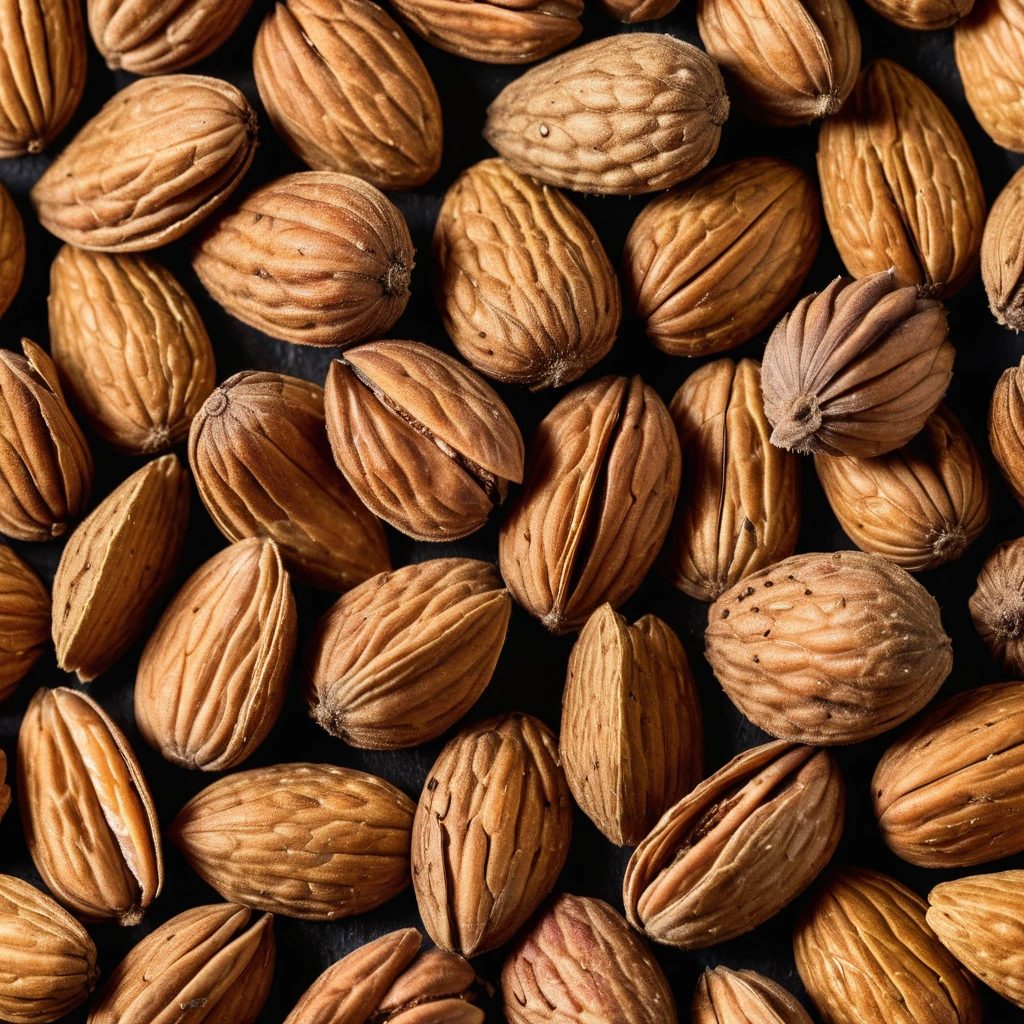
Almonds
With their golden-brown hue and delicate, edible skin, almonds are a crunchy delight. These versatile nuts boast a rich, buttery flavor that adds depth to both sweet and savory dishes.
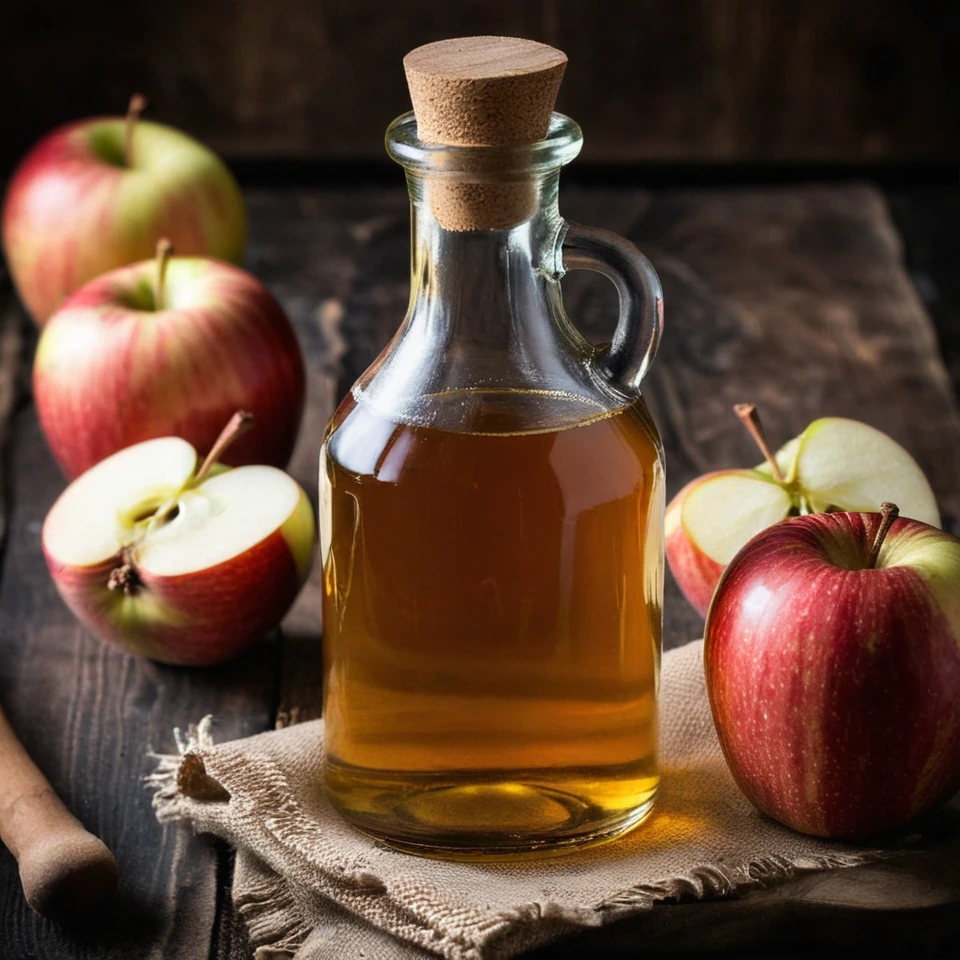
Apple Cider Vinegar
Apple cider vinegar is a type of vinegar made through the fermentation of apple cider, resulting in a tangy, slightly sweet liquid with a pale to medium amber color.
Recipes to try
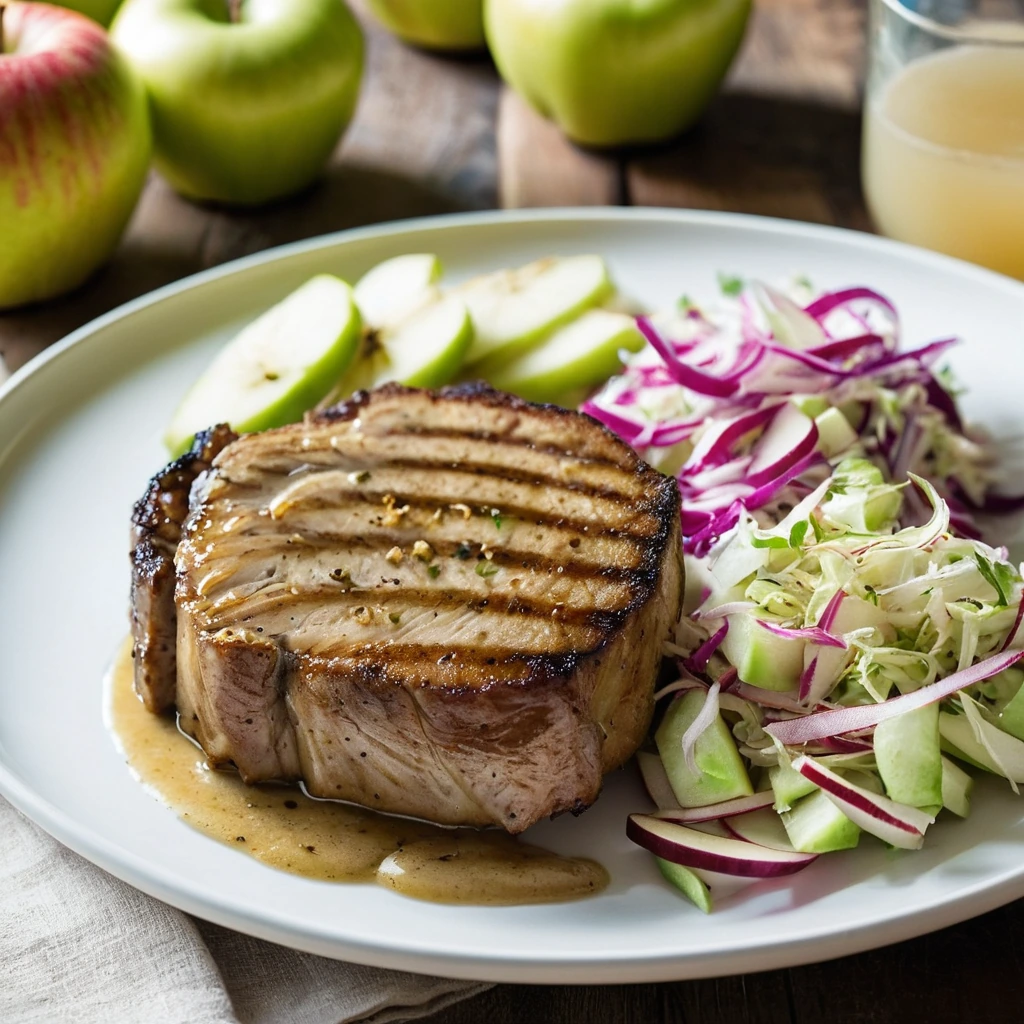
Maple Mustard Pork Chops with Apple Slaw
Tender pork chops kissed with a tangy maple mustard glaze, served alongside a crisp, sweet-tart apple slaw.
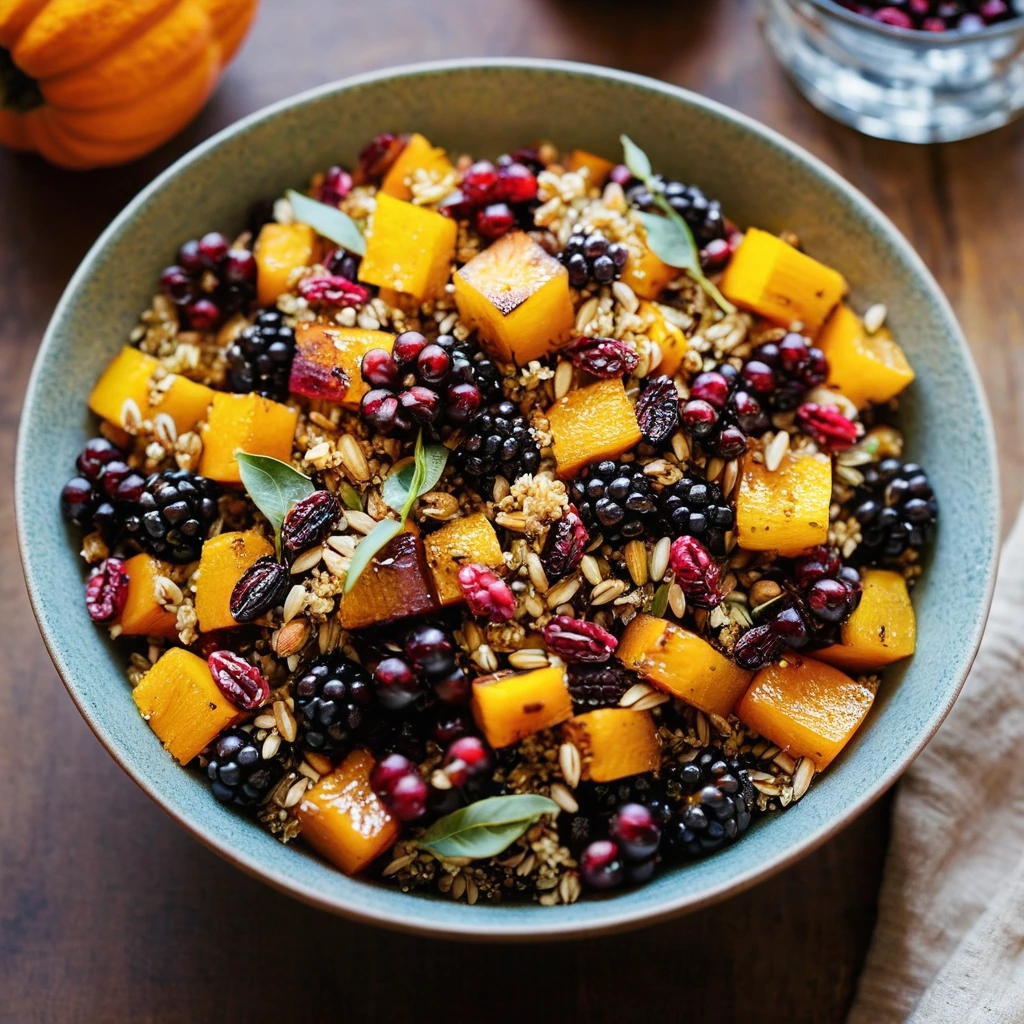
Warm Quinoa Salad with Roasted Squash and Cranberries
A cozy mix of nutty quinoa, tender roasted squash, and sweet cranberries makes this salad a fall favorite.