Stock and Stew Technique: Finishing Soups with Acid and Fresh Herbs
The art of finishing soups with acid and fresh herbs is a subtle yet transformative technique that can elevate a simple stock or stew into a restaurant-quality dish. Acid, often in the form of lemon juice, vinegar, or wine, brightens the flavors and balances richness, while fresh herbs add a burst of color and aromatic complexity. This technique is essential for home cooks looking to add depth and vibrancy to their soups. Understanding the role of acid and herbs is key; acid cuts through heaviness and refreshes the palate, while herbs contribute layers of flavor that are lost when cooked too long. Adding these elements at the right moment ensures that their delicate nuances are preserved, enhancing rather than overwhelming the soup. The key is to taste and adjust carefully, considering the soup's base and intended flavor profile. Too much acid can make a soup overly tart, while too little can leave it flat. Similarly, herbs should be introduced just before serving to maintain their fresh, vibrant essence. This technique is not just about improving taste but also about presenting a soup that is visually appealing and aromatic, inviting diners to savor each spoonful.
Notes
The science behind this technique lies in the acidity's ability to heighten other flavors and break down proteins, enhancing texture. Troubleshooting common mistakes involves starting with a small amount of acid, as it can be easily overdone. Safety is not a major concern, but always ensure your herbs are fresh and properly washed to avoid foodborne illnesses. For make-ahead soups, wait to add the acid and herbs until just before serving to maintain their potency. Store any leftovers in an airtight container in the refrigerator for up to 3 days, though know that the herbs may lose some vibrancy over time.
Steps
- 1 Taste your soup and determine its current balance of flavors.
- 2 Select an appropriate acid such as lemon juice, white wine vinegar, or red wine based on the soup's base.
- 3 Begin with 1 tablespoon of acid per quart of soup, stirring well.
- 4 Taste again and adjust the acid, adding in small increments if needed.
- 5 Once satisfied with the acid balance, taste for seasoning and adjust salt accordingly.
- 6 Choose fresh herbs that complement your soup, such as parsley, cilantro, dill, or chives.
- 7 Wash and dry the herbs thoroughly, then chop them just before use for maximum freshness.
- 8 Gently stir in the herbs, just enough to distribute them evenly throughout the soup.
- 9 Avoid prolonged cooking after adding herbs to preserve their color and flavor.
- 10 Taste once more before serving, making any final adjustments.
- 11 Serve immediately to enjoy the soup at its peak freshness and flavor.
Ingredients to explore
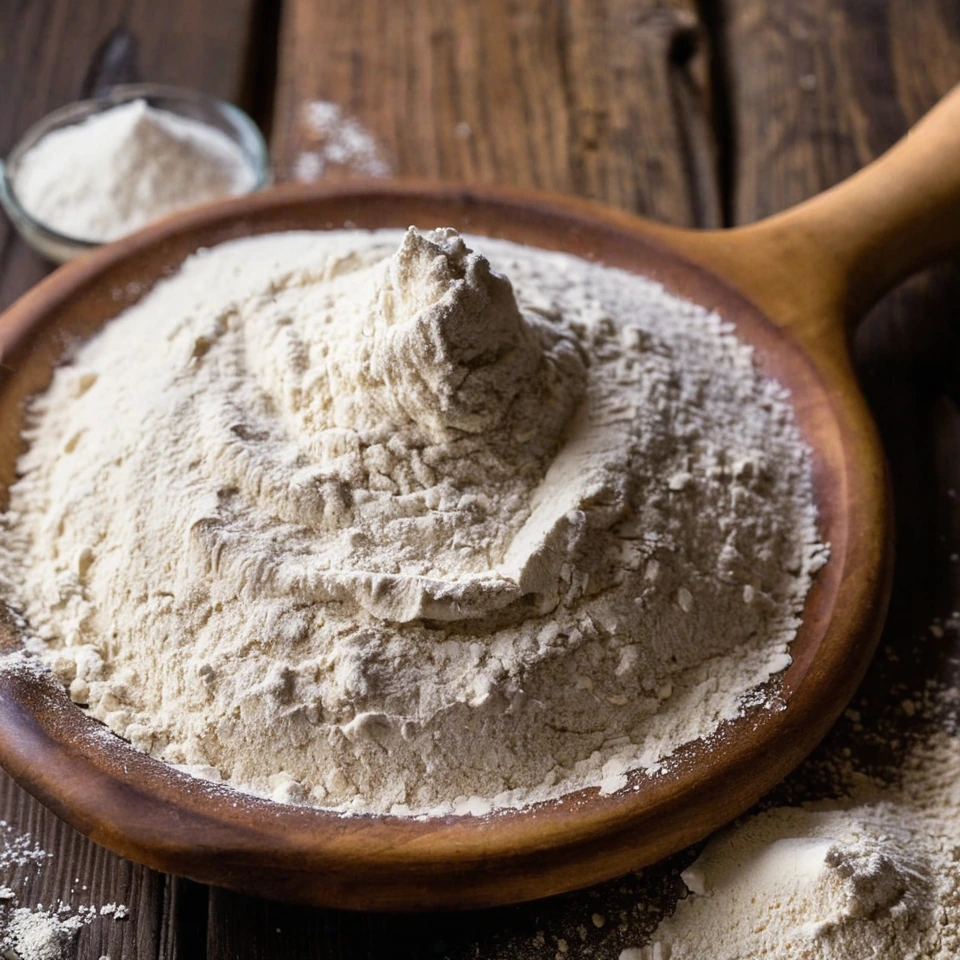
All-Purpose Flour
All-purpose flour is a versatile wheat flour that contains a moderate level of protein and gluten, making it suitable for a wide range of baking and cooking needs.

Active Dry Yeast
A fine, granulated leavening agent that brings baked goods to life with its gentle fermentation magic.
Recipes to try

Lemon Garlic Butter Scallops over Rice
Tender scallops kissed with lemon and garlicky butter, served over fluffy white rice for a luxurious yet simple dinner.

Pumpkin Spice Cheesecake Swirl Brownies
Indulge in the cozy combo of fudgy brownies with a creamy pumpkin cheesecake swirl - autumn's dream dessert come to life.