Starches: Steaming Couscous So it Doesn’t Clump
Steaming couscous is a simple yet transformative technique that ensures each tiny granule remains separate and fluffy, rather than clumping into a dense mass. Achieving this requires understanding the unique properties of couscous, which is technically a tiny pasta made from durum wheat semolina. Unlike rice or quinoa, couscous doesn't need prolonged cooking because it's already been partially precooked and dried. The key to perfect couscous lies in controlled steaming, which allows the granules to rehydrate evenly without sticking together. This method is particularly useful for home cooks who want restaurant-quality results without the fuss. By mastering the art of steaming couscous, you can elevate salads, stews, and even desserts with perfectly textured grains. The process is quick, typically taking just a few minutes, making it ideal for busy weeknight dinners. Moreover, steaming couscous properly preserves its nutty flavor and light texture, enhancing any dish it accompanies. Understanding the science behind this technique – namely how steam gently rehydrates the granules while preventing them from becoming gummy – can demystify the process and inspire confidence in your cooking. With just a few simple tools and a bit of patience, you can enjoy couscous that’s airy, aromatic, and utterly delightful.
Notes
The science behind steaming couscous lies in controlled rehydration. When couscous meets boiling water, the granules absorb moisture and expand. Covering the bowl traps steam, ensuring even hydration and preventing clumping. A common mistake is over-stirring, which can crush the delicate granules. For best results, gently fluff the couscous instead. Safety-wise, be cautious when handling boiling water to avoid burns. To make ahead, store steamed couscous in an airtight container in the fridge for up to 3 days. Reheat gently with a splash of water to restore its fluffy texture.
Steps
- 1 Measure 1 cup of couscous into a heatproof bowl.
- 2 Add 1 cup of boiling water to the couscous.
- 3 Stir gently with a fork to separate the grains.
- 4 Cover the bowl with a clean kitchen towel or lid to trap steam.
- 5 Let it sit for exactly 5 minutes to rehydrate.
- 6 After 5 minutes, fluff the couscous with a fork, breaking up any clumps.
- 7 Transfer the couscous to a fine-mesh sieve.
- 8 Rinse briefly with cold water to remove excess starch (optional).
- 9 Return the couscous to the bowl and toss with a teaspoon of olive oil or butter.
- 10 Season with salt and pepper to taste.
- 11 Serve immediately or keep warm until ready to use.
Ingredients to explore
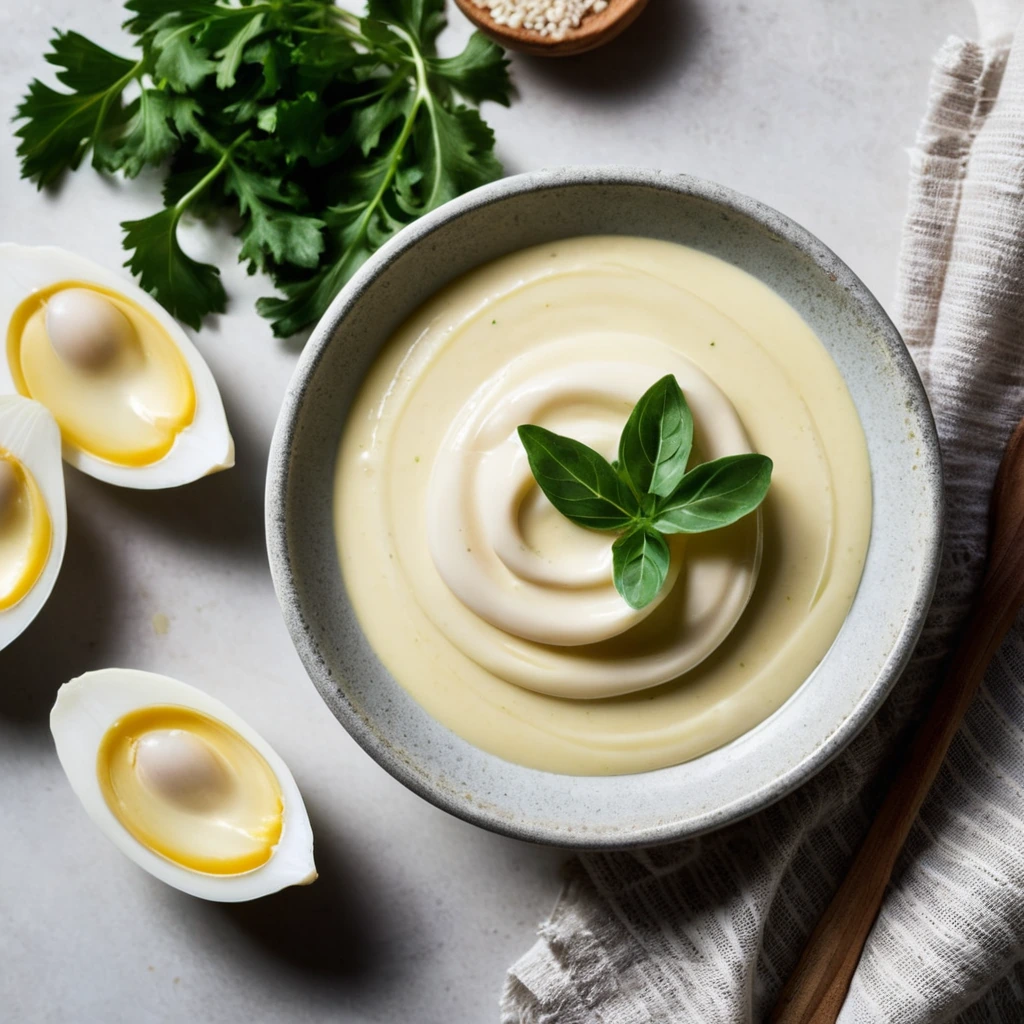
Aioli
A luscious, velvety emulsion of garlic and olive oil, aioli is a rich and aromatic sauce that dances on the palate with its creamy texture and bold, pungent flavor.
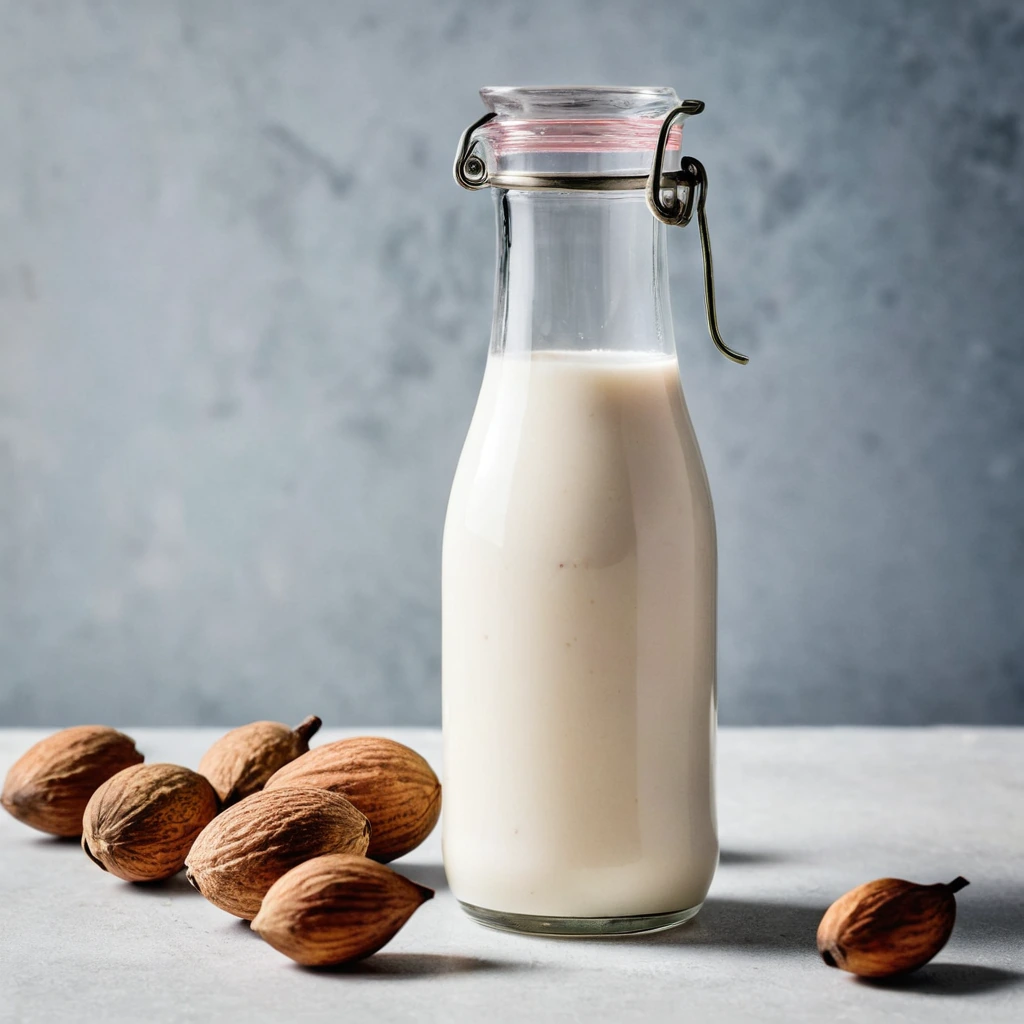
Almond Milk
Almond milk is a plant-based milk alternative made from ground almonds and water. Originating from traditional recipes in medieval Europe and the Middle East, it has gained widespread popularity in modern times as a dairy-free option. Almond milk has a subtly nutty flavor with a mild sweetness, and its aroma is reminiscent of fresh almonds. Its texture is smooth and creamy, though typically lighter than dairy milk. In cooking, almond milk behaves well in both savory and sweet applications, though it does not brown or caramelize like dairy milk. It is often used in cereals, smoothies, and baking, where its delicate flavor complements rather than overpowers other ingredients.
Recipes to try

Peanut Butter Chocolate Chip Baked Oat Cups
These oat cups are a cozy hug in every bite, with gooey chocolate chips and a rich peanut butter swirl that makes mornings worth waking up for.
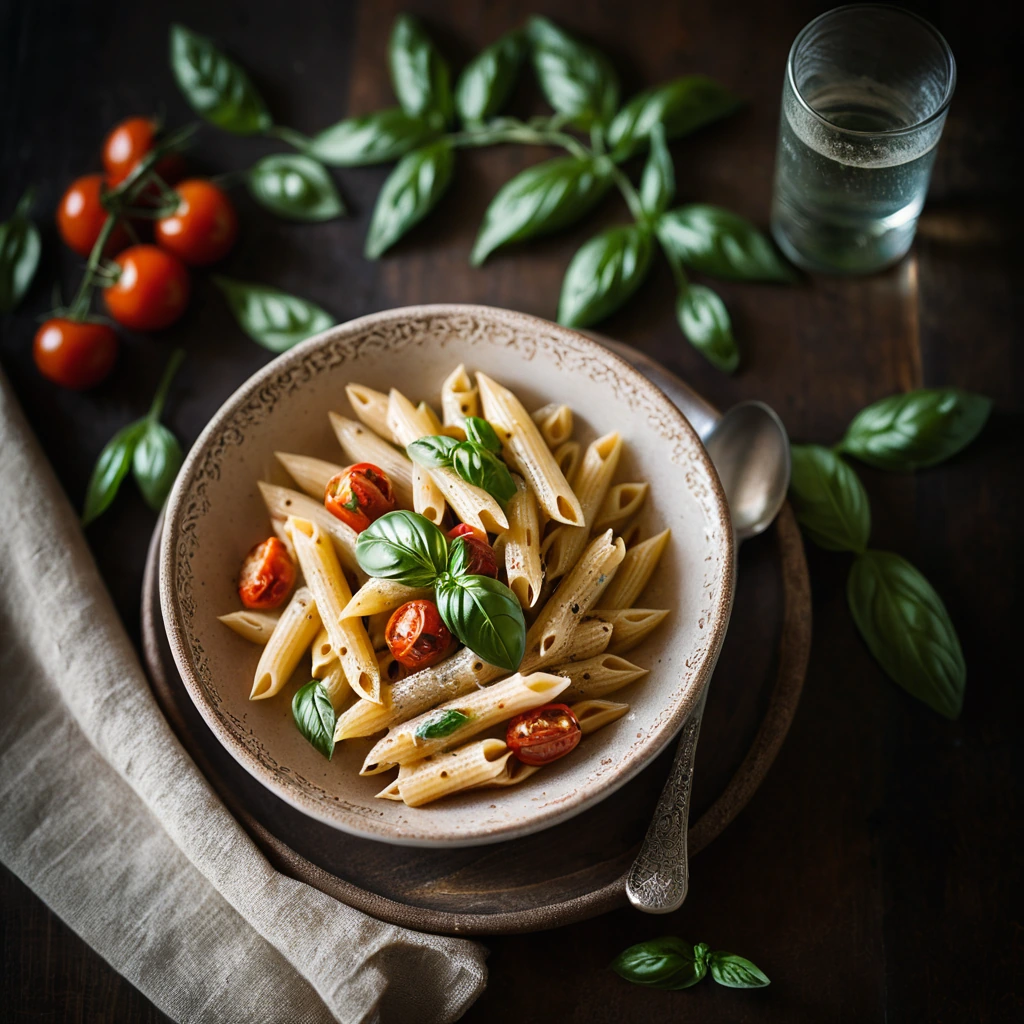
Roasted Tomato and Basil Cream Penne
Sun-kissed roasted tomatoes meld with creamy sauce and fresh basil for a penne that's both comforting and vibrant.