Soups: Adjusting Seasoning at the End
Adjusting seasoning at the end of cooking is a critical step in soup making that can elevate your dish from good to gourmet. This technique involves tasting and tweaking the flavor profile of your soup just before serving, ensuring every spoonful is perfectly balanced. While cooking, ingredients release different flavors and intensities, making it difficult to predict the final taste. By waiting until the end, you can make precise adjustments that account for any flavor changes that occurred during cooking. Salt is often the first seasoning to consider, as it enhances all other flavors. However, acidity from ingredients like lemon juice or vinegar can brighten the soup, while herbs and spices add complexity and aroma. Learning to adjust seasoning properly requires patience and practice, but once mastered, it becomes second nature. Understanding how each component interacts allows you to create a harmonious blend of flavors. This technique also helps correct any imbalances, such as a soup that’s too salty or lacks depth. The key is to approach seasoning adjustments thoughtfully, adding small amounts at a time and tasting frequently. By the end, your soup should be well-rounded, with layers of flavor that complement each other beautifully.
Notes
Understanding the science behind seasoning can improve your soup immensely. Salt dissolves in water and interacts with taste receptors to amplify other flavors. Acidity cuts through richness and enhances brightness, while herbs and spices introduce volatile compounds that contribute to aroma and depth. Common mistakes include adding too much salt early or overcorrecting with acidic ingredients. To troubleshoot, remember that flavors intensify as soup cools, so season conservatively. For safety, ensure all ingredients are fresh and properly stored. If making ahead, note that flavors continue to develop, so season just before serving. Store seasoned soup in an airtight container in the refrigerator for up to 3 days.
Steps
- 1 Taste your soup before making any adjustments.
- 2 Assess whether the soup needs more salt and add ¼ teaspoon at a time.
- 3 Stir well and taste again after each addition of salt.
- 4 Determine if the soup requires acidity; add 1 teaspoon lemon juice or vinegar if needed.
- 5 Check for depth of flavor; consider a pinch of sugar to balance acidity if required.
- 6 Add fresh herbs or spices to enhance aroma and complexity.
- 7 Taste once more to ensure all elements are balanced.
- 8 Adjust any remaining imbalances with small increments of seasoning.
- 9 Allow the soup to rest for 5 minutes before serving to let flavors meld.
Ingredients to explore

American Cheese Slices
Those iconic, perfectly pliable slices of creamy, mild American cheese. Each slice boasts a smooth, melt-in-your-mouth texture that brings comfort to any dish.
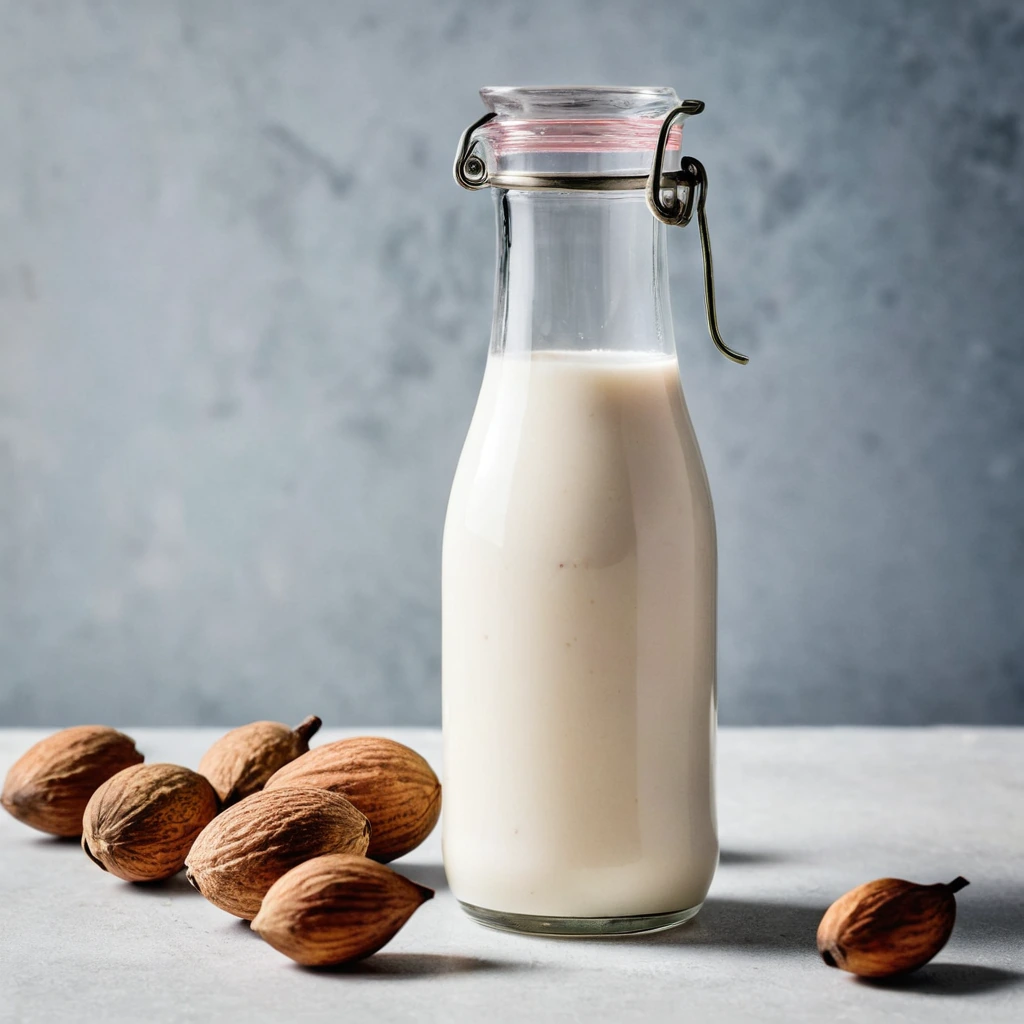
Almond Milk
Almond milk is a plant-based milk alternative made from ground almonds and water. Originating from traditional recipes in medieval Europe and the Middle East, it has gained widespread popularity in modern times as a dairy-free option. Almond milk has a subtly nutty flavor with a mild sweetness, and its aroma is reminiscent of fresh almonds. Its texture is smooth and creamy, though typically lighter than dairy milk. In cooking, almond milk behaves well in both savory and sweet applications, though it does not brown or caramelize like dairy milk. It is often used in cereals, smoothies, and baking, where its delicate flavor complements rather than overpowers other ingredients.
Recipes to try

Mushroom and Lentil Bolognese over Spaghetti
A hearty, savory Bolognese packed with earthy mushrooms and protein-rich lentils, served over perfectly al dente spaghetti.

Pork and Pineapple BBQ Sheet Pan Supper
Sweet, tangy, and smoky flavors mingle in this fuss-free sheet pan supper that'll have you licking your plate clean.