Seafood Technique: Pan-Searing Skin-On Fish Without Sticking
Pan-searing skin-on fish can be a tricky endeavor, but with the right technique, you can achieve a beautifully crisp skin and a tender, flavorful fillet. The key to success is patience and preparation. Begin by selecting a fillet with the skin still intact, as the skin provides structure and helps prevent the delicate flesh from sticking to the pan. Ensure your fish is very dry before cooking, as moisture can cause the skin to steam rather than sear. A properly heated pan and the right oil are essential; you want something with a high smoke point like avocado or peanut oil. The searing process creates a Maillard reaction, which is the browning that contributes to flavor. This technique is versatile and works well with salmon, trout, or sea bass. Understanding how to control the heat and resist the urge to move the fish too soon are crucial steps in mastering this method. Let’s dive into the detailed steps to ensure your fish is perfectly seared every time.
Notes
The science behind this technique lies in the Maillard reaction, which requires high heat to transform amino acids and sugars into complex flavor compounds. To avoid sticking, ensure your pan is hot enough before adding the fish. A common mistake is flipping the fish too soon; patience is key to achieving a perfect sear. Safety is straightforward with this technique, but always handle hot pans with care. For make-ahead options, cook the fish just until opaque and refrigerate it for up to a day. Reheat gently in a warm oven to maintain texture.
Steps
- 1 Pat the fish fillet dry with paper towels.
- 2 Season the fish generously with salt and pepper.
- 3 Heat a heavy-bottomed skillet over medium-high heat until hot.
- 4 Add 2 tablespoons of high smoke-point oil to the skillet.
- 5 Once the oil shimmers, carefully place the fish skin-side down in the pan.
- 6 Let the fish cook undisturbed for 4-5 minutes, or until the skin is crispy and golden brown.
- 7 Use a thin spatula to gently check if the fish releases easily from the pan.
- 8 Flip the fish and sear for another 2-4 minutes, depending on thickness, for medium doneness.
- 9 Transfer the fish to a plate and let it rest for 2-3 minutes before serving.
Ingredients to explore
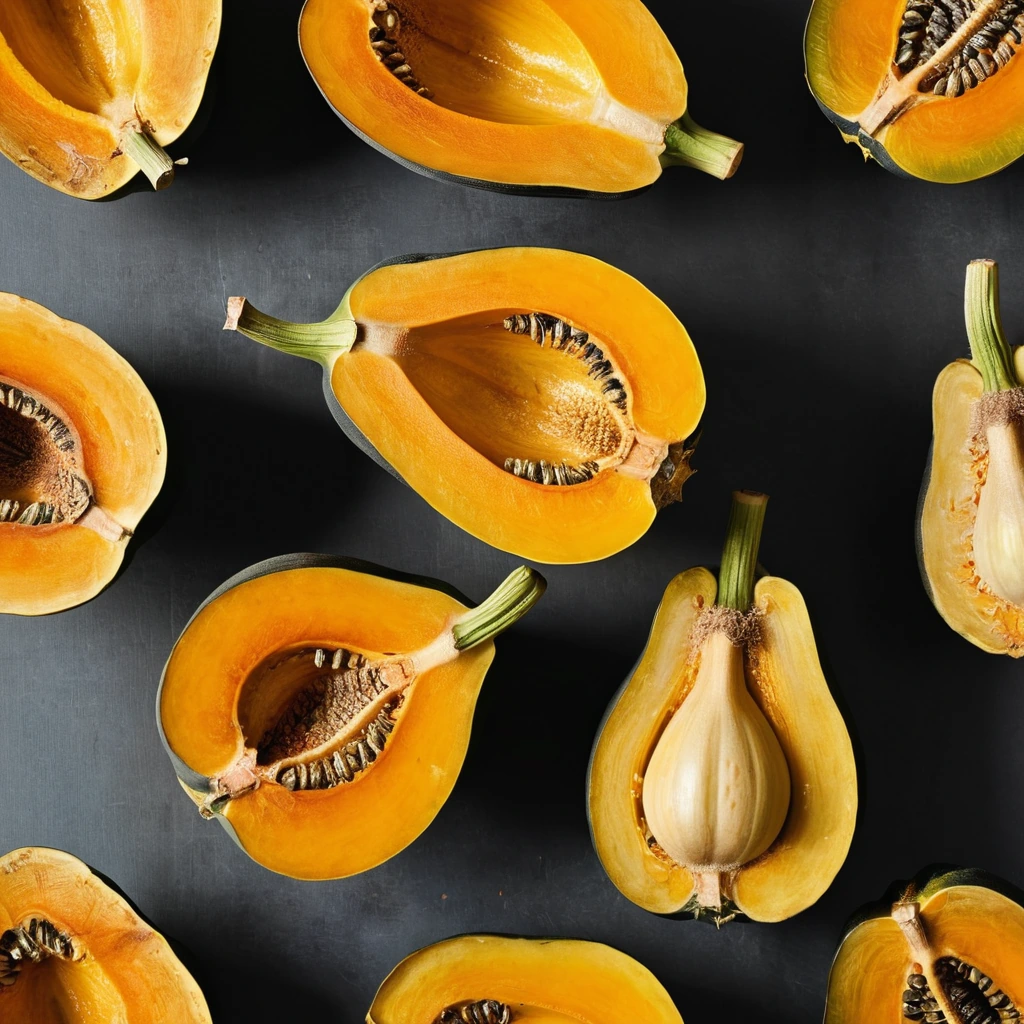
Acorn Squash
Acorn squash is a winter squash variety known for its distinctive teardrop shape and deep ridges resembling the texture of an acorn shell. Originating in the Americas, it has been cultivated for centuries and is a staple in autumn cuisine. The flesh is sweet and nutty with a hint of earthiness, offering a delightful contrast to savory dishes. Its texture is dense yet tender when cooked, making it ideal for roasting or pureeing. In cooking, acorn squash holds its shape well and absorbs flavors from herbs and spices, enhancing both its taste and versatility in recipes.
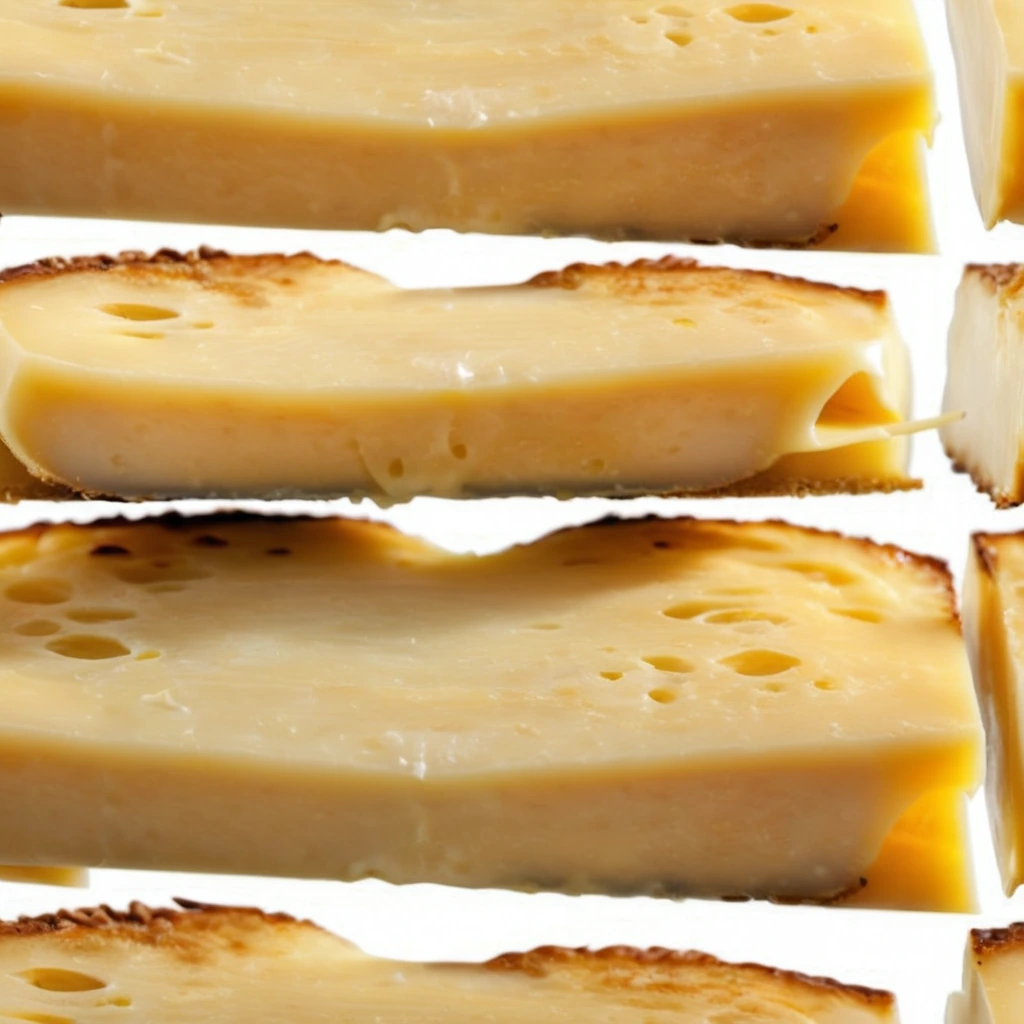
American Cheese Slices
Those iconic, perfectly pliable slices of creamy, mild American cheese. Each slice boasts a smooth, melt-in-your-mouth texture that brings comfort to any dish.
Recipes to try

Sausage, Pepper, and Onion Hoagies
Juicy Italian sausages nestled in soft hoagie rolls with a sweet and smoky medley of peppers and onions.
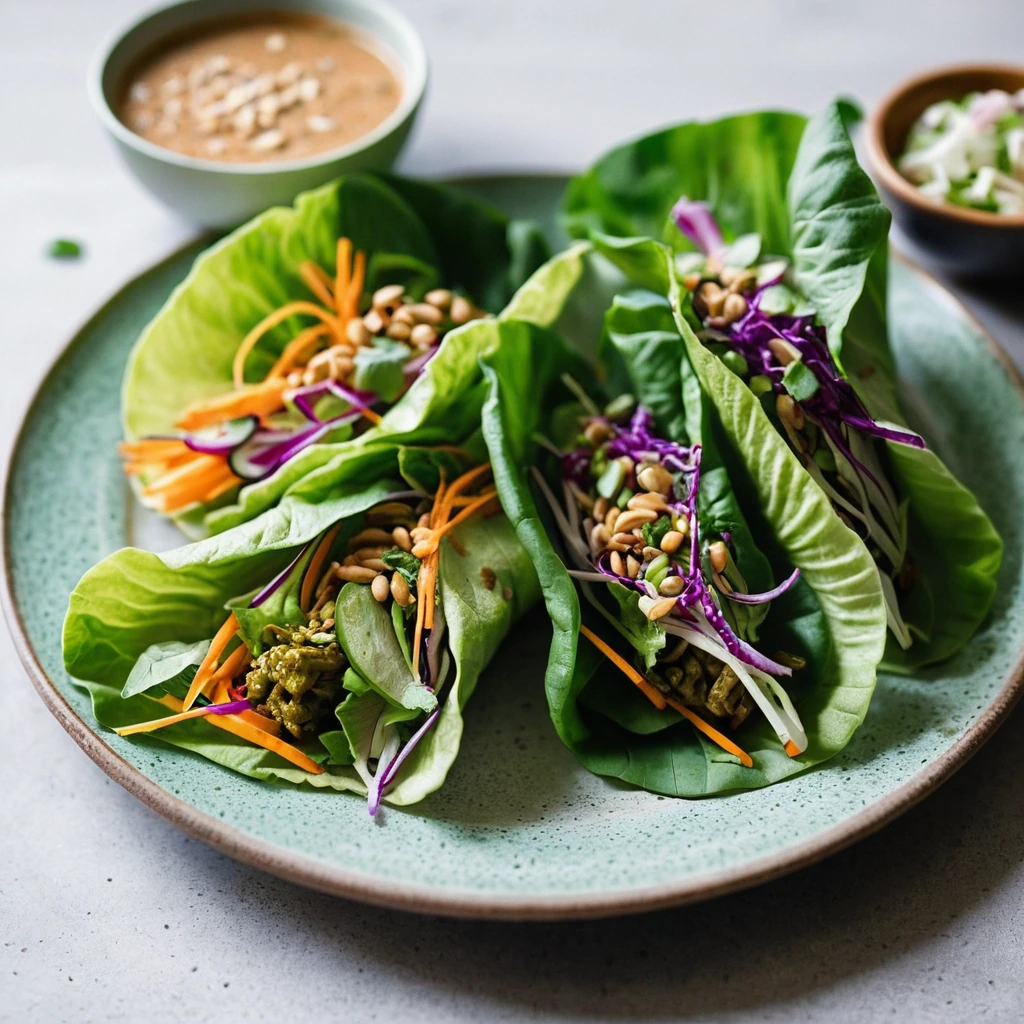
Thai Peanut Veggie Lettuce Wraps
Crispy, fresh veggies hugged by buttery lettuce leaves, drizzled with a creamy, tangy peanut sauce that'll make your taste buds do the tango.