Sauces: Xanthan Gum for Cold Thickening
Xanthan gum is a game-changer in the world of sauces, offering a way to achieve a silky, velvety texture without the need for heat. Derived from sugar fermentation by the bacterium Xanthomonas campestris, this versatile thickener is a boon for those looking to stabilize dressings, create smooth cold soups, or perfect ice cream bases. Unlike traditional thickeners like cornstarch or flour, xanthan gum doesn’t require cooking to activate, making it ideal for recipes that are served chilled or at room temperature. Its ability to suspend particles ensures your sauces stay homogeneous, preventing unsightly separation. In this guide, we'll delve into the science behind xanthan gum, how to measure it accurately, and how to incorporate it seamlessly into your culinary creations. Whether you’re a fan of creamy Caesar dressings or crave a luxurious cold gazpacho, mastering xanthan gum will elevate your sauces to new heights of sophistication.
Notes
Xanthan gum works by creating a network of long molecules that trap water, resulting in a stable, thickened sauce. Its effectiveness is due to its high viscosity even at low concentrations. One common mistake is using too much xanthan gum, which can lead to a slimy texture; always start with a small amount and add more if needed. Ensure your measuring tools are clean and dry to avoid clumping. Xanthan gum is safe for consumption, but if you have dietary restrictions, consult a healthcare professional. For make-ahead convenience, prepare your sauce a day in advance to allow flavors to meld and adjust consistency if necessary before serving.
Steps
- 1 Measure out your liquid base, ensuring it is at room temperature for best results.
- 2 Weigh your xanthan gum carefully using a digital scale; typically, 1/8 to 1/4 teaspoon per cup of liquid is sufficient.
- 3 Sprinkle the xanthan gum over the surface of the liquid while whisking gently to avoid clumps.
- 4 Whisk vigorously for 2 to 3 minutes to fully incorporate the gum into the liquid.
- 5 Let the mixture rest for 10 to 15 minutes, allowing the xanthan gum to fully hydrate and thicken.
- 6 Whisk again to ensure a smooth texture and adjust thickness by adding more xanthan gum if necessary.
- 7 Taste and season your sauce with salt, pepper, or any other desired flavorings.
- 8 Store your sauce in an airtight container in the refrigerator for up to one week.
Ingredients to explore
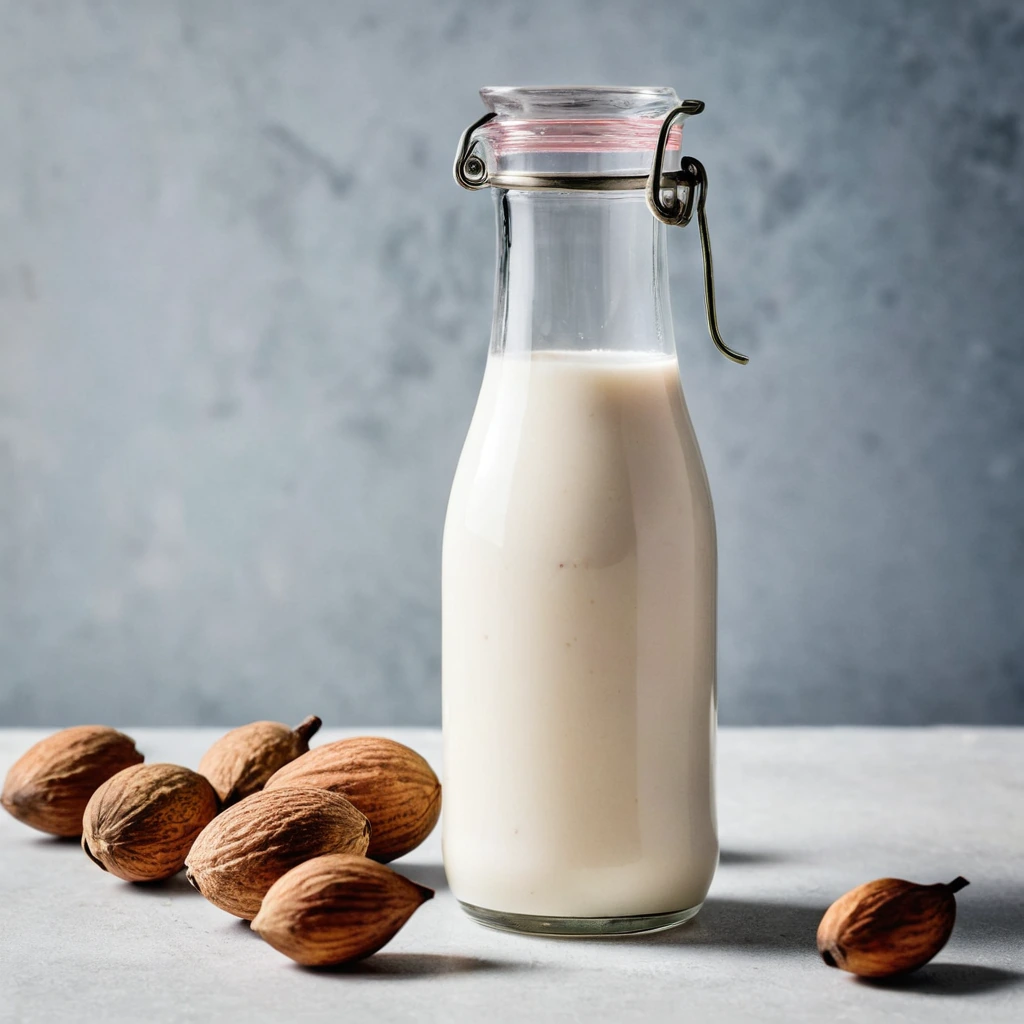
Almond Milk
Almond milk is a plant-based milk alternative made from ground almonds and water. Originating from traditional recipes in medieval Europe and the Middle East, it has gained widespread popularity in modern times as a dairy-free option. Almond milk has a subtly nutty flavor with a mild sweetness, and its aroma is reminiscent of fresh almonds. Its texture is smooth and creamy, though typically lighter than dairy milk. In cooking, almond milk behaves well in both savory and sweet applications, though it does not brown or caramelize like dairy milk. It is often used in cereals, smoothies, and baking, where its delicate flavor complements rather than overpowers other ingredients.
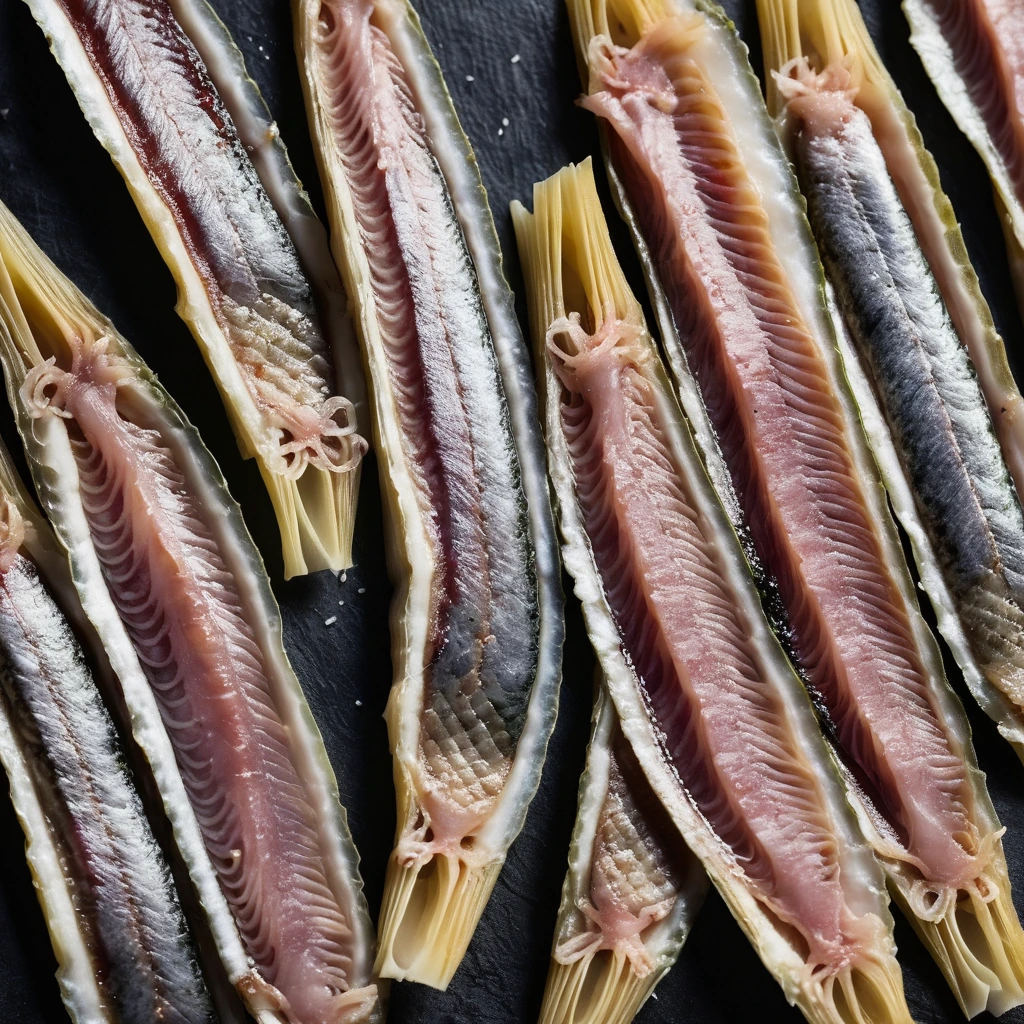
Anchovy Fillets
Silvery and succulent, anchovy fillets are a briny treasure from the sea. Their rich, umami flavor adds depth to dishes, making them a beloved ingredient in kitchens worldwide.
Recipes to try
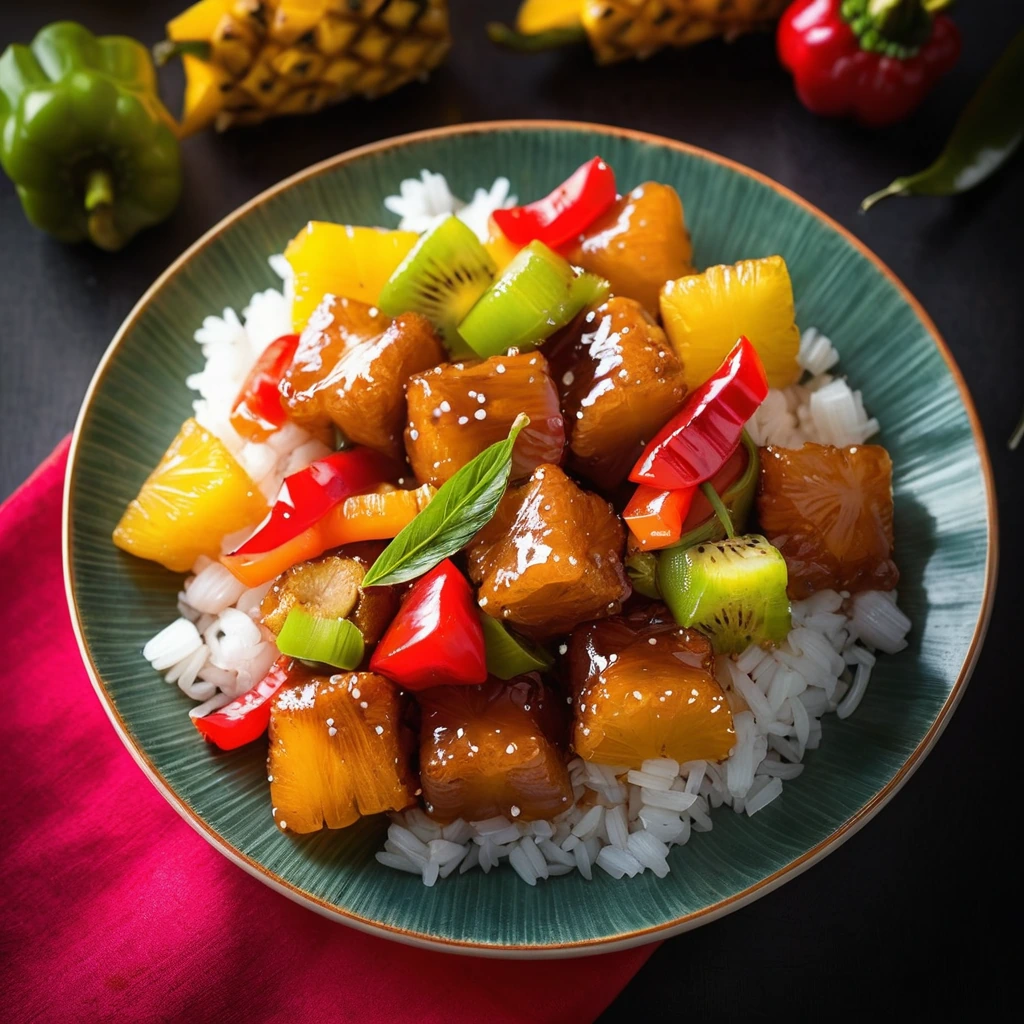
Sweet and Sour Pork with Pineapple and Peppers
Tangy, sweet, and a touch sour, this pork dish is a carnival of flavors with juicy pineapple chunks and crisp bell peppers.

Sausage and Potato Breakfast Casserole
This hearty casserole combines savory sausage, crispy potatoes, and melty cheese into a golden, bubbly brunch masterpiece.