Safety: Storing Raw Meat on the Bottom Shelf
Storing raw meat on the bottom shelf of your refrigerator might seem like an arbitrary rule, but it's actually a crucial food safety practice. This technique minimizes the risk of cross-contamination, ensuring that any potential drippings from raw meat do not come into contact with ready-to-eat foods or other ingredients stored above. The bottom shelf is the coldest part of most refrigerators, which helps keep meat at a safe temperature. Additionally, placing raw meat on the lowest shelf prevents accidental spills from contaminating other items. This practice aligns with USDA guidelines and is a simple yet effective way to maintain a hygienic kitchen. Understanding the science behind this technique can empower you to make informed decisions about food storage and handling. Proper storage not only extends the shelf life of your meat but also protects your family from foodborne illnesses. In this guide, we’ll delve into why this method works, how to execute it correctly, and how to troubleshoot common issues.
Notes
The science behind storing raw meat on the bottom shelf is straightforward: it leverages the natural flow of gravity to prevent contamination. By placing meat at the lowest point in your fridge, you eliminate the risk of juices dripping onto other foods. A common mistake is not using a container or bag, which can lead to spills and cross-contamination. To avoid this, always double-check your packaging. If you notice any leaks, transfer the meat immediately to a new container. For make-ahead convenience, raw meat can be stored this way for up to 3-5 days, depending on the type of meat. For longer storage, consider freezing. Remember to label and date your stored meat for optimal tracking.
Steps
- 1 Check your refrigerator to ensure it is set at 40°F or below.
- 2 Remove raw meat from its original packaging if necessary.
- 3 Place raw meat in a leak-proof container or seal it in a plastic bag.
- 4 Position the container or bag on the bottom shelf of the refrigerator.
- 5 Avoid overcrowding the shelf to allow air circulation.
- 6 Ensure the meat is not touching any walls or edges to prevent freezer burn.
- 7 Monitor the meat regularly for any signs of spoilage.
- 8 Consume or cook the meat within the recommended time frame for safety.
Ingredients to explore
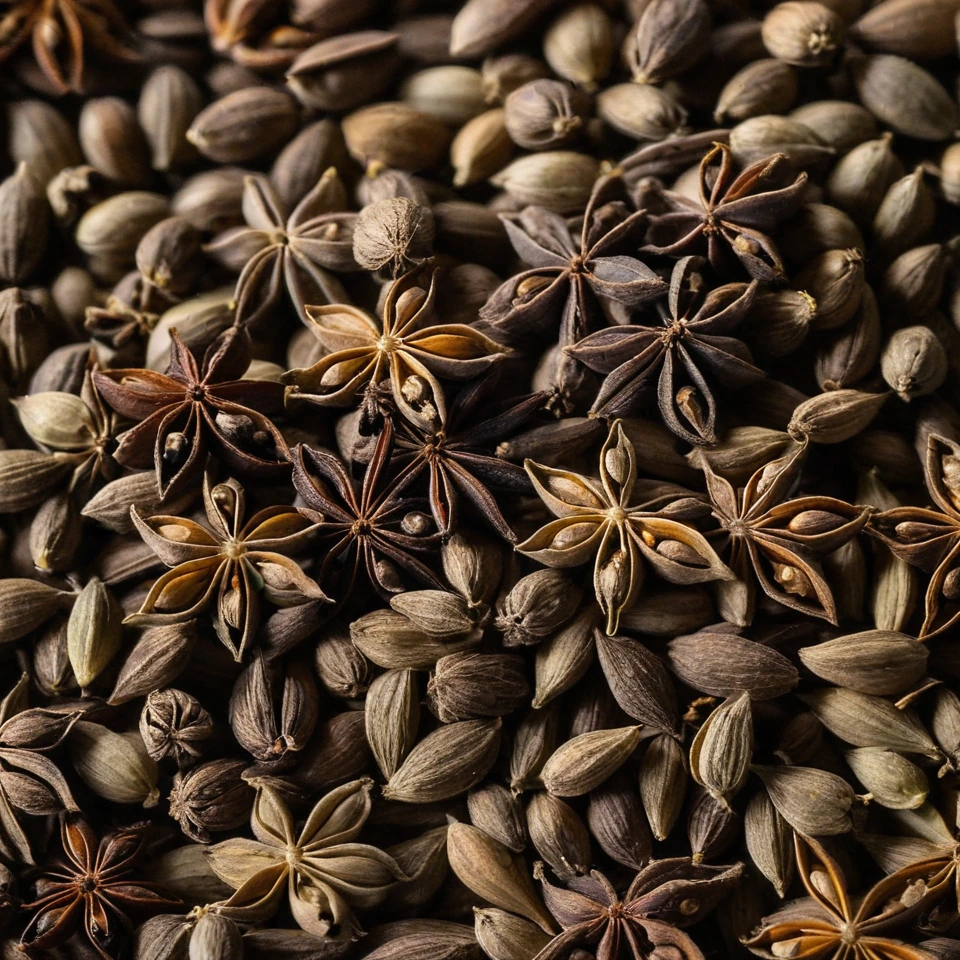
Anise Seeds
Anise seeds are small, oval seeds with a sweet, licorice-like flavor. They are commonly used in both sweet and savory dishes, offering a warm, aromatic taste.
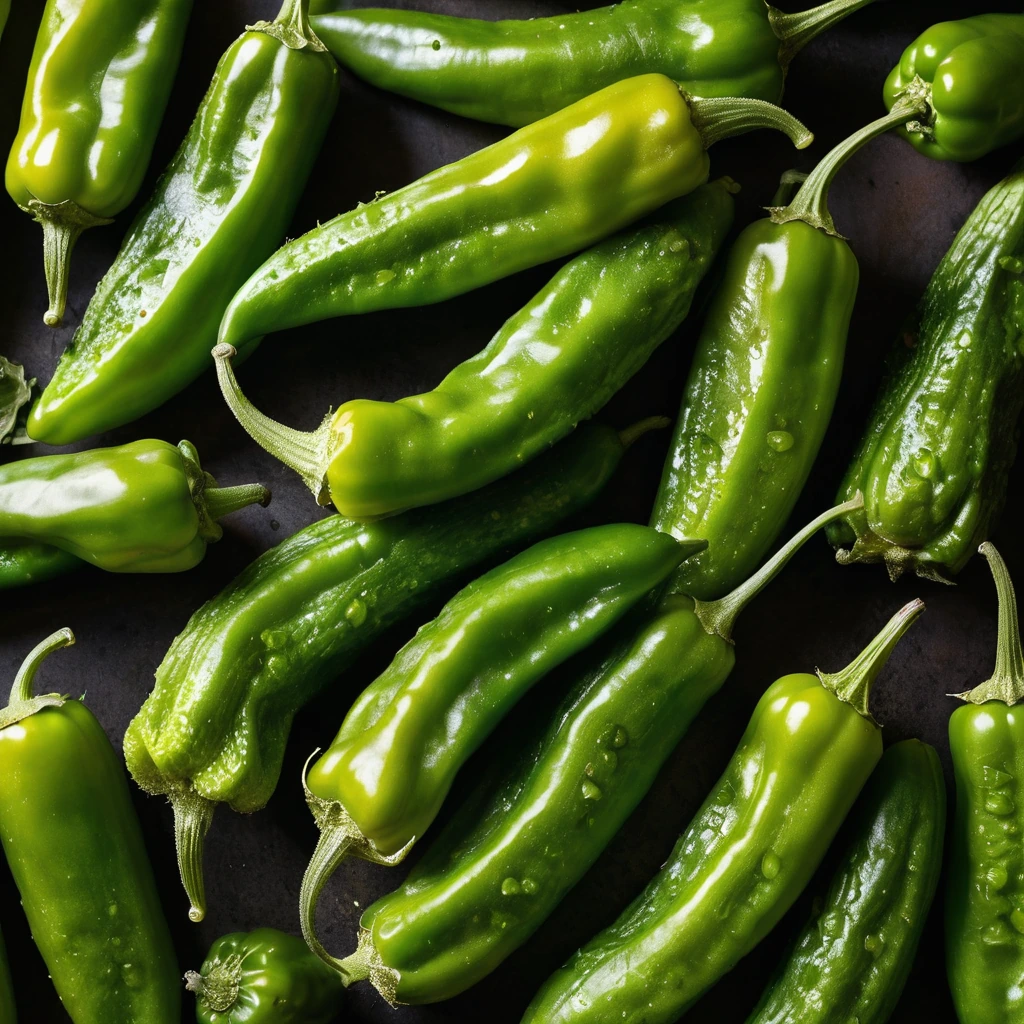
Anaheim Peppers
Anaheim peppers are a mild chili pepper variety named after Anaheim, California, where they were first cultivated commercially. Originating from the New Mexico region, these peppers are celebrated for their versatility and gentle heat. They possess a flavor that is mildly sweet with a subtle tang, and a pleasant vegetal note reminiscent of green bell peppers, but with a hint of spice. Their texture is firm and crisp when fresh, becoming tender and slightly smoky when roasted or cooked. In cooking, Anaheim peppers behave well across a range of techniques, from grilling and roasting to stuffing and sautéing, contributing a nuanced depth without overwhelming other ingredients with heat.
Recipes to try
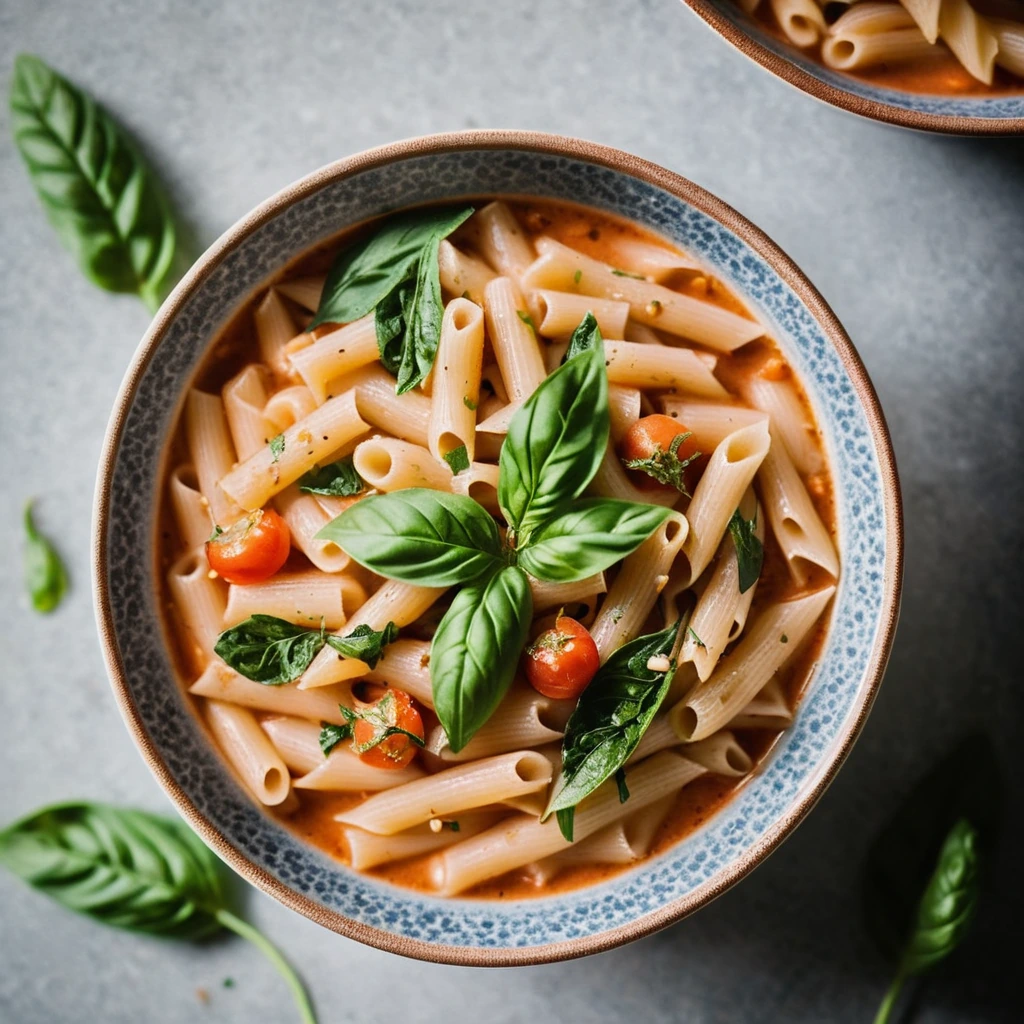
One-Pot Tuscan White Bean and Pasta Stew
Warm up with this hearty stew where tender pasta mingles with creamy cannellini beans in a rich, garlicky tomato broth.
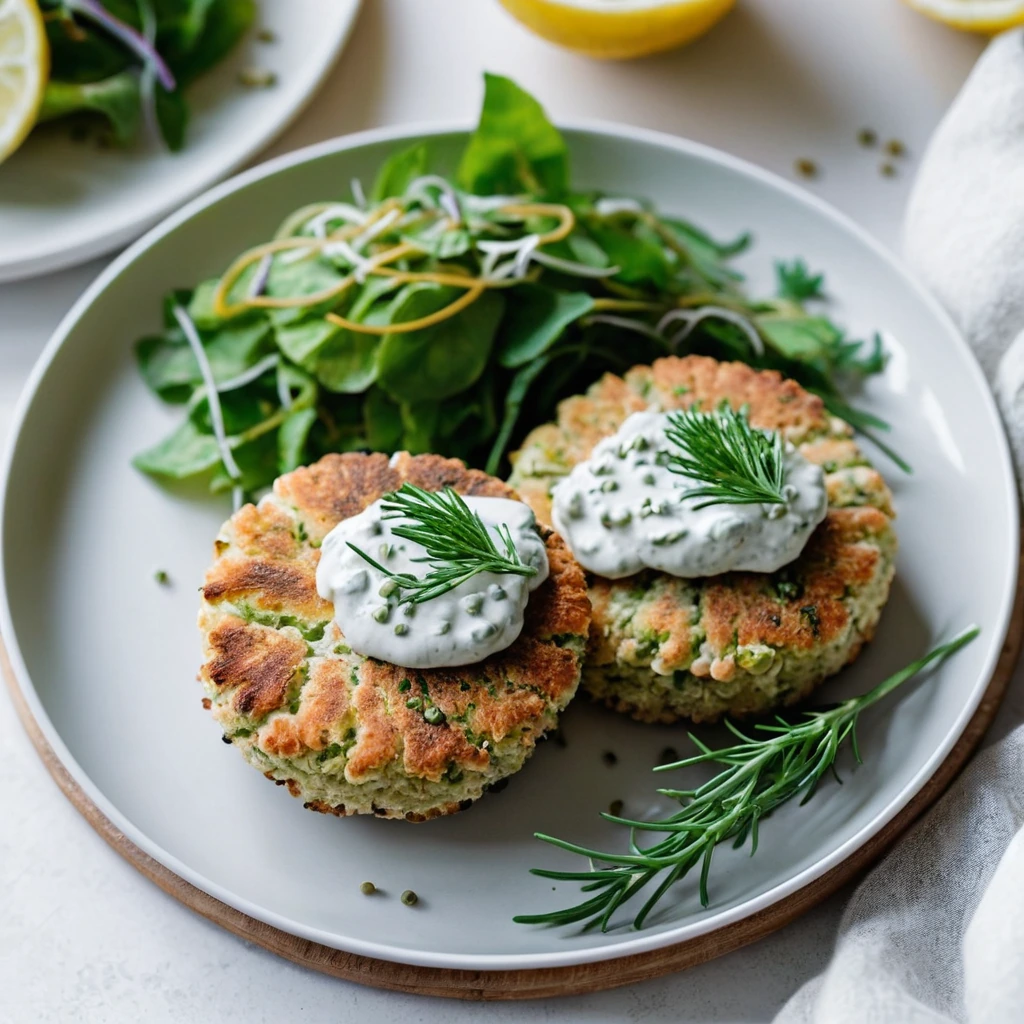
Lemon Dill Salmon Cakes with Caper Mayo
Golden, crispy salmon cakes bursting with fresh dill and zesty lemon, served with a tangy caper mayo that'll have you hooked.