Safety: Setting Up a Safe Cutting Station
Creating a safe cutting station in your kitchen is essential for preventing accidents and ensuring efficient food preparation. Whether you're dicing vegetables or slicing meats, a well-organized space can make all the difference. Start by selecting a sturdy, non-slip cutting board that provides a stable surface. Pair it with a sharp knife—counterintuitive though it may seem, a sharp blade is safer than a dull one because it requires less force. Keep your workspace clear of clutter to avoid any obstacles that might lead to slips or trips. Adequate lighting is crucial; ensure your cutting area is well-lit to clearly see what you're doing. Position your cutting station near an outlet if you plan to use an electric knife or food processor. Lastly, always keep a first aid kit nearby, just in case. By setting up your station thoughtfully, you'll not only protect yourself from injury but also enhance your cooking experience, making it more enjoyable and less stressful. Remember, safety is not just about avoiding accidents—it's about creating an environment where you can cook with confidence and ease.
Notes
A safe cutting station works because it minimizes distractions and potential hazards, allowing you to focus on the task at hand. The science behind a sharp knife is simple: it requires less pressure to cut, reducing the risk of the blade slipping. Common mistakes include using a dull knife or working in a cluttered space, both of which can lead to accidents. To troubleshoot, regularly check your knife's sharpness and keep your station tidy. Safety should always come first, so never rush through the prep work. For storage, ensure your cutting board is dry before putting it away to prevent warping, and store your knives in a secure place to avoid accidental cuts.
Steps
- 1 Choose a sturdy, non-slip cutting board.
- 2 Ensure your knife is sharp before use.
- 3 Clear your workspace of unnecessary items.
- 4 Position a well-lit lamp or overhead light over your cutting area.
- 5 Arrange your ingredients within easy reach but out of the way.
- 6 Place a damp kitchen towel under the cutting board to prevent slipping.
- 7 Keep a first aid kit nearby for emergencies.
- 8 Stand in a comfortable, balanced stance while cutting.
- 9 Use a knife guard or blade cover when not in use.
- 10 Dispose of scraps promptly to maintain a tidy workspace.
- 11 Consider using a knife magnet or block to store knives safely.
- 12 Always cut away from your body to prevent accidental injury.
- 13 Check that electrical cords are safely tucked away if using powered appliances.
- 14 Wash your hands and sanitize your station after use.
Ingredients to explore
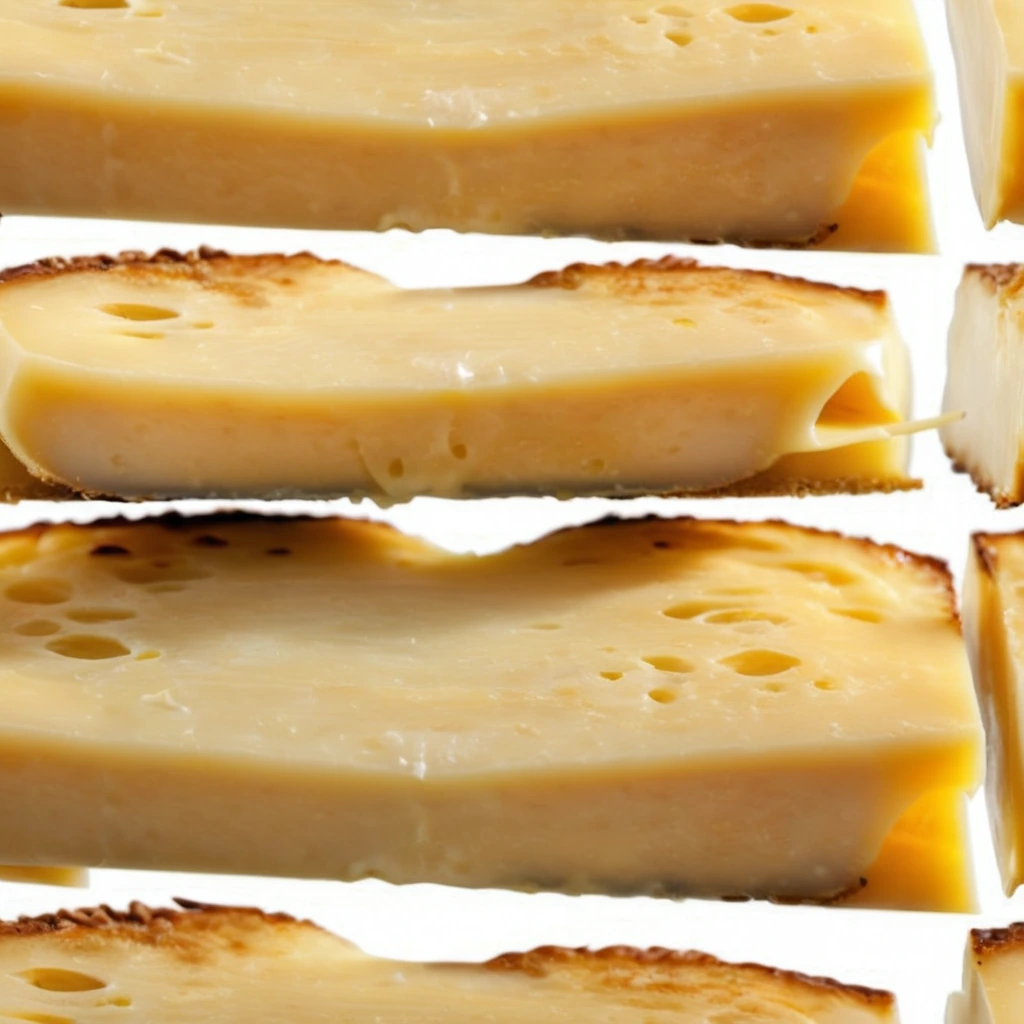
American Cheese Slices
Those iconic, perfectly pliable slices of creamy, mild American cheese. Each slice boasts a smooth, melt-in-your-mouth texture that brings comfort to any dish.
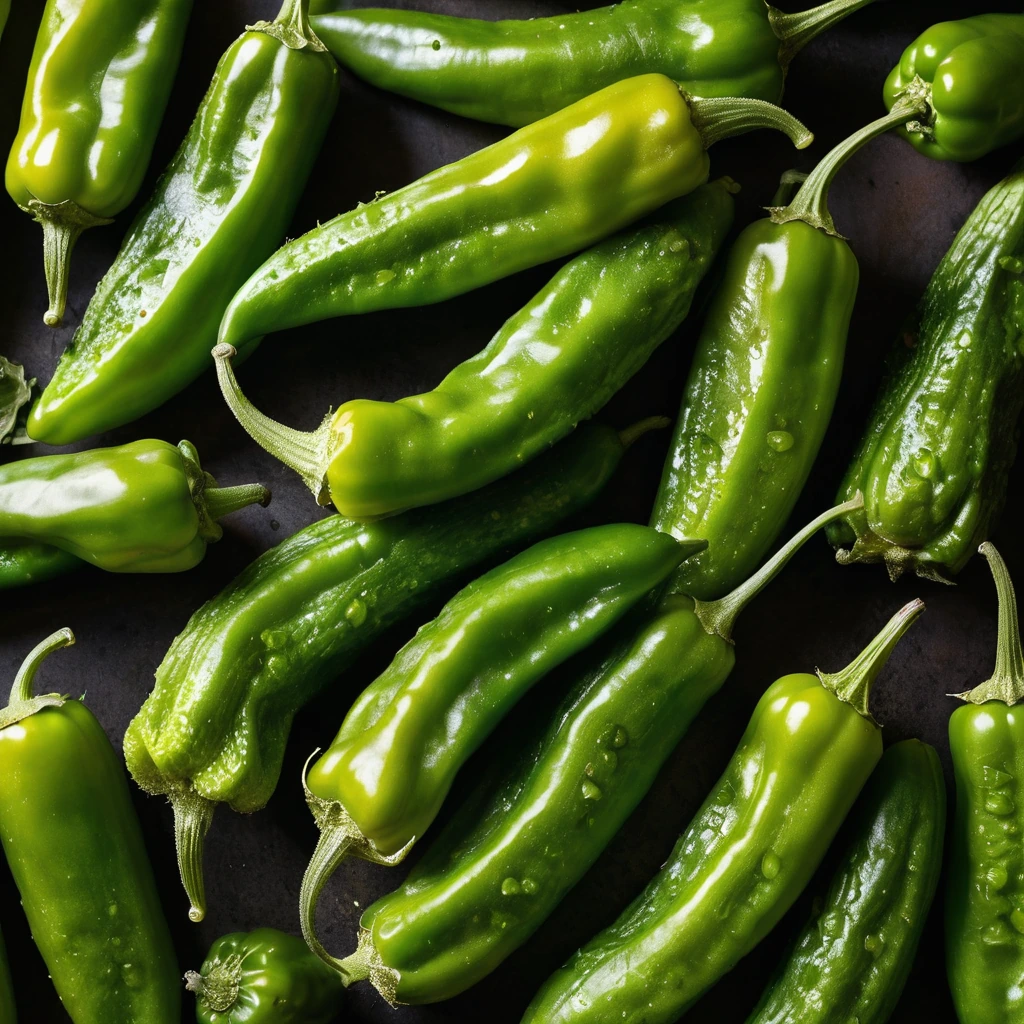
Anaheim Peppers
Anaheim peppers are a mild chili pepper variety named after Anaheim, California, where they were first cultivated commercially. Originating from the New Mexico region, these peppers are celebrated for their versatility and gentle heat. They possess a flavor that is mildly sweet with a subtle tang, and a pleasant vegetal note reminiscent of green bell peppers, but with a hint of spice. Their texture is firm and crisp when fresh, becoming tender and slightly smoky when roasted or cooked. In cooking, Anaheim peppers behave well across a range of techniques, from grilling and roasting to stuffing and sautéing, contributing a nuanced depth without overwhelming other ingredients with heat.
Recipes to try
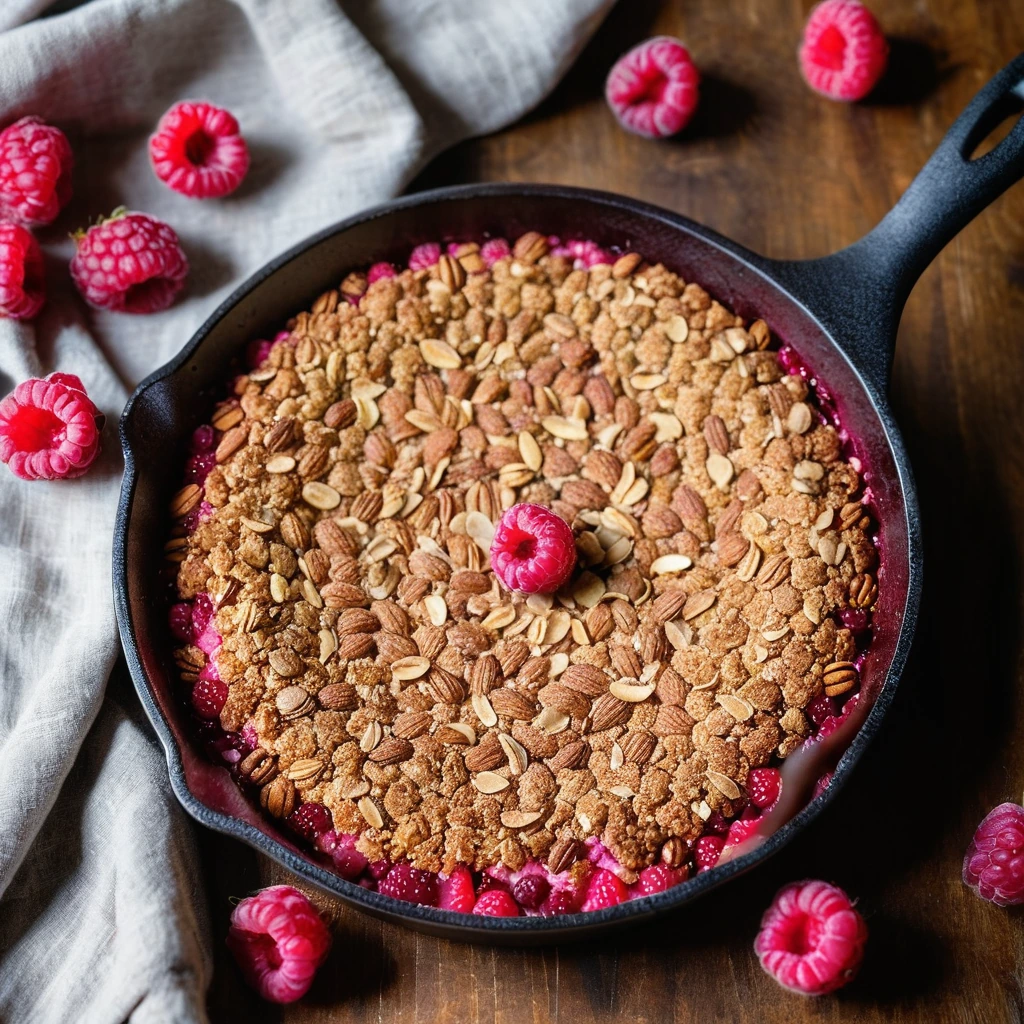
Raspberry Almond Crumble Skillet
A symphony of sweet raspberries nestled under a golden, almond-studded crumble, perfect for cozy evenings and brunch spreads.
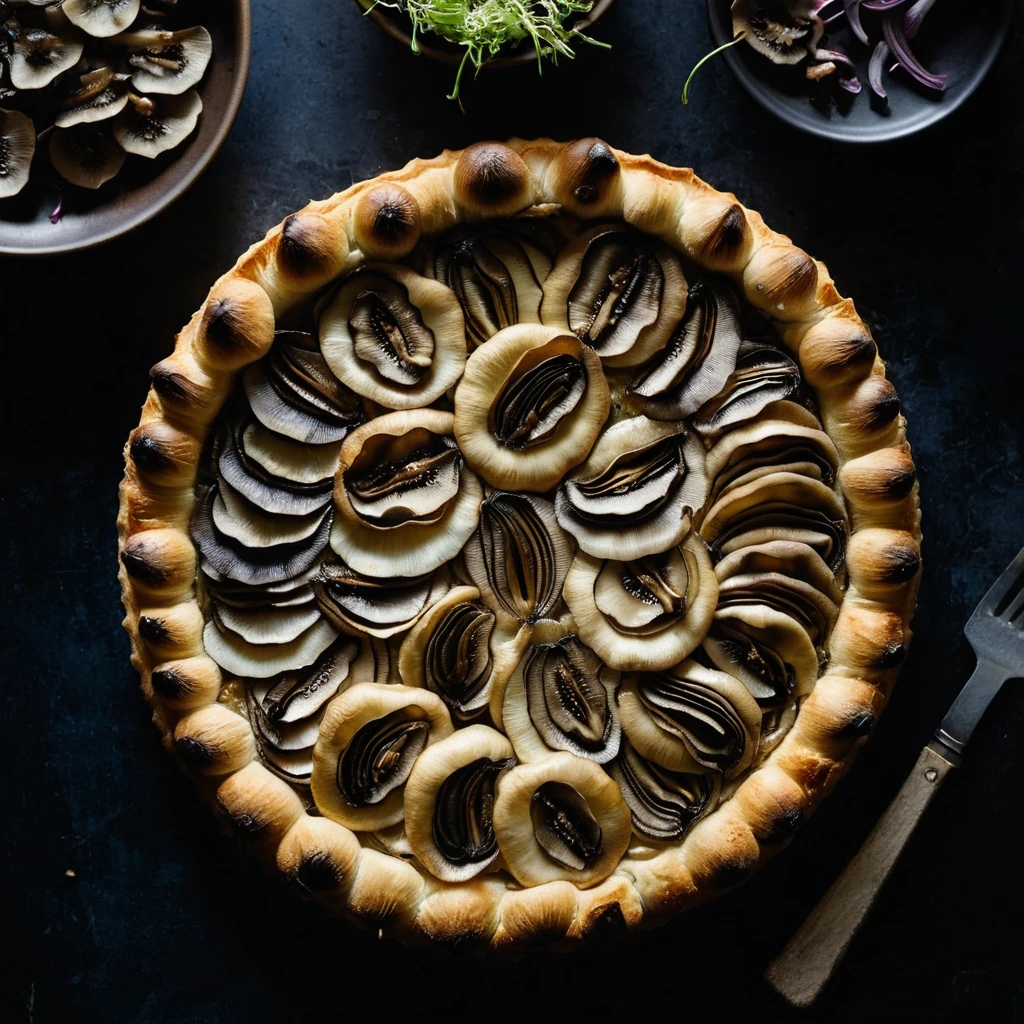
Mushroom, Onion, and Gruyère Tart
Golden, flaky pastry cradles a rich, earthy filling of sautéed mushrooms and onions, crowned with melty Gruyère.