Preservation Technique: Basic Dry Brining for Everyday Cooking
Dry brining is a simple yet transformative technique that enhances the flavor and moisture of meats without the need for a wet brine. Unlike traditional brining, which involves submerging meat in a saltwater solution, dry brining relies on seasoning the surface of the meat with salt and letting it rest in the refrigerator. This method allows the salt to draw out moisture from the meat's surface, which is then reabsorbed, creating a more flavorful and juicy result. The process is particularly effective for cuts like chicken breasts, pork chops, and steaks. Dry brining not only preserves the meat but also amplifies its natural taste, making it a go-to method for home cooks looking to elevate their everyday meals. The technique is straightforward, requiring minimal ingredients and equipment, making it accessible to anyone with a basic kitchen setup. Understanding the science behind dry brining—how salt breaks down proteins and improves moisture retention—can help you troubleshoot and perfect your results. With a bit of patience and planning, dry brining can turn even the most mundane cuts into a culinary delight.
Notes
The science behind dry brining is fascinating: salt not only enhances flavor but also denatures proteins, allowing the meat to retain more moisture during cooking. This technique is ideal for home cooks as it avoids the need for managing large quantities of liquid brine. However, it's crucial not to over-salt, as this can make the meat unpleasantly salty. Adjust the amount of salt based on the type of meat and your personal taste preferences. Common mistakes include brining for too long, which can lead to a mushy texture, and not patting the meat dry before cooking, which can hinder browning. For safety, always ensure your refrigerator is set to 40°F or below to prevent bacterial growth during the brining process. Dry-brined meats can be stored in the fridge for up to 24 hours before cooking, making it a convenient method for meal planning.
Steps
- 1 Preheat your oven to 375°F if you plan to cook the meat immediately after brining.
- 2 Pat the meat dry with paper towels to remove any surface moisture.
- 3 Evenly sprinkle kosher salt over all surfaces of the meat, using about 1 teaspoon per pound.
- 4 Optional: Add other seasonings like black pepper, garlic powder, or herbs at this stage.
- 5 Place the seasoned meat on a wire rack set over a baking sheet to allow air circulation.
- 6 Cover the meat loosely with plastic wrap to protect it from drying out.
- 7 Refrigerate the meat for 6 to 24 hours, depending on thickness; thinner cuts need less time.
- 8 After brining, remove the meat from the fridge and let it sit at room temperature for 30 minutes before cooking.
- 9 Pat the meat dry again with paper towels to ensure a good sear.
- 10 Cook the meat using your preferred method, whether grilling, roasting, or pan-searing.
- 11 For oven cooking, place the meat in a preheated oven and cook to desired doneness.
- 12 Use a meat thermometer to check the internal temperature for safety and doneness.
- 13 Let the cooked meat rest for 5-10 minutes before slicing or serving to redistribute juices.
- 14 Enjoy the enhanced flavor and moisture of your dry-brined meat.
Ingredients to explore

Almond Milk
Almond milk is a plant-based milk alternative made from ground almonds and water. Originating from traditional recipes in medieval Europe and the Middle East, it has gained widespread popularity in modern times as a dairy-free option. Almond milk has a subtly nutty flavor with a mild sweetness, and its aroma is reminiscent of fresh almonds. Its texture is smooth and creamy, though typically lighter than dairy milk. In cooking, almond milk behaves well in both savory and sweet applications, though it does not brown or caramelize like dairy milk. It is often used in cereals, smoothies, and baking, where its delicate flavor complements rather than overpowers other ingredients.
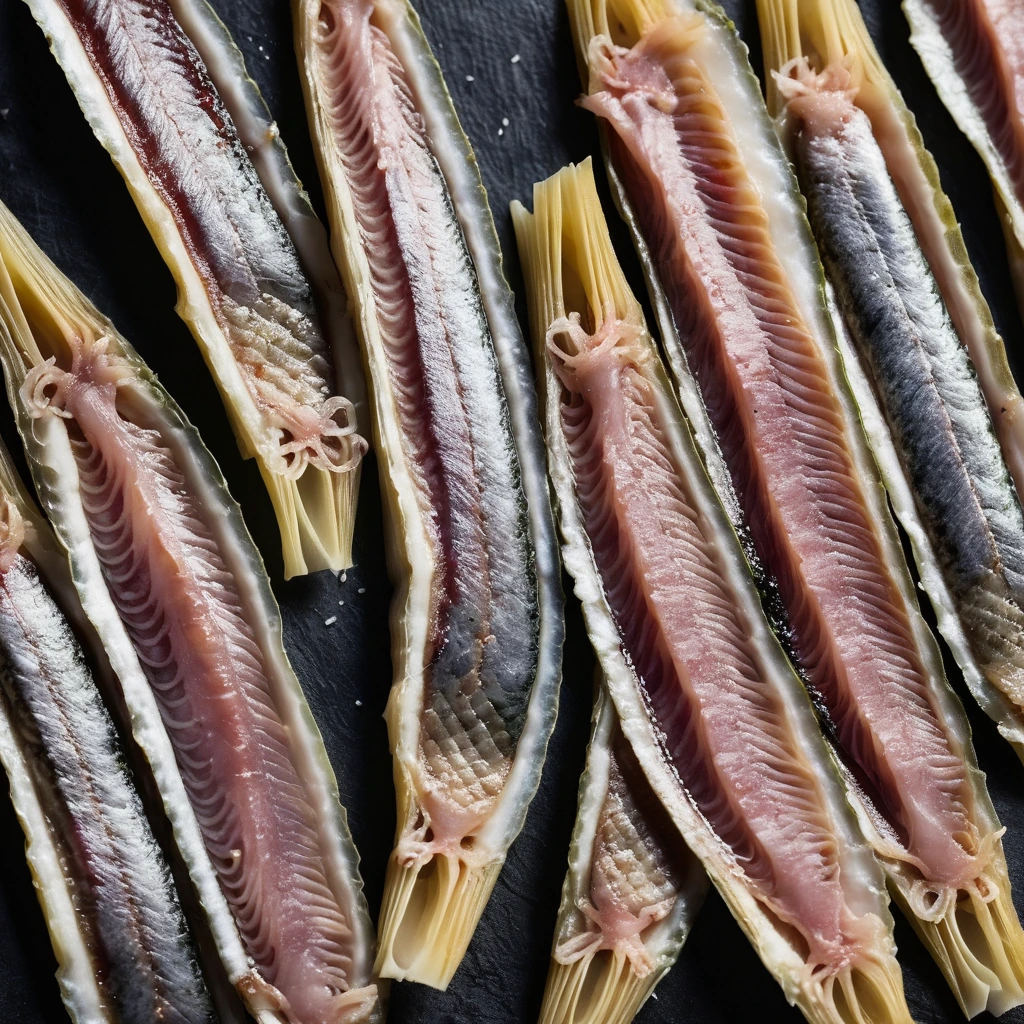
Anchovy Fillets
Silvery and succulent, anchovy fillets are a briny treasure from the sea. Their rich, umami flavor adds depth to dishes, making them a beloved ingredient in kitchens worldwide.
Recipes to try
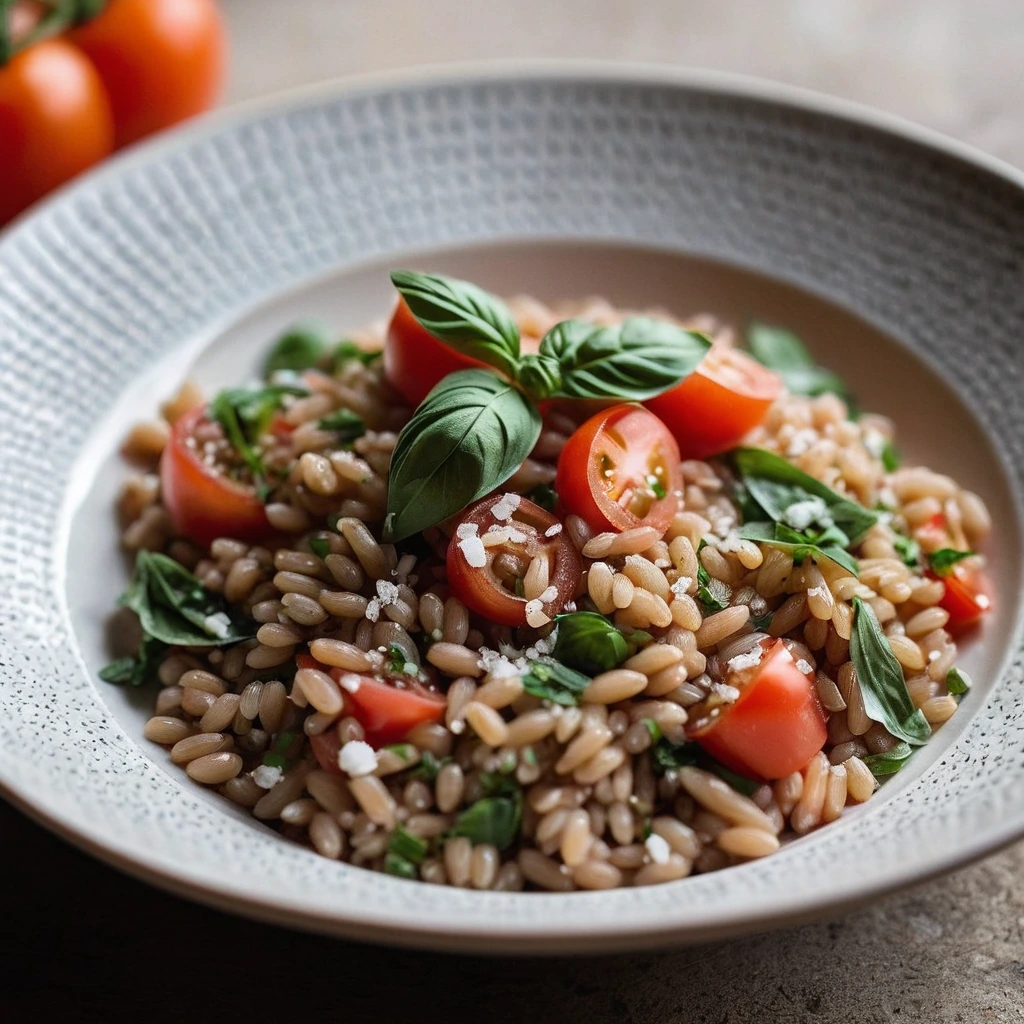
Tomato Basil Parmesan Farro Risotto
Creamy farro risotto kissed with fresh basil and sun-ripened tomatoes, topped with a generous sprinkle of Parmesan.

Roasted Garlic and Tomato Basil Soup with Croutons
Creamy, fragrant, and bursting with roasted garlic sweetness, this soup is comfort in a bowl, crowned with golden, crunchy croutons.