Poultry: Dry Brining vs Wet Brining Explained
Understanding the difference between dry brining and wet brining can transform your poultry dishes from good to gourmet. Dry brining involves seasoning the bird with salt and sometimes other spices, allowing it to rest in the refrigerator for several hours or overnight. This method draws moisture out of the meat initially, but then reabsorbs it, leading to a more flavorful and crispy-skinned bird. Wet brining, on the other hand, submerges the poultry in a saltwater solution, often with added aromatics, to infuse moisture and flavor throughout the meat. Both techniques work through osmosis, but they yield different textures and flavors. Dry brining is simpler and requires no extra space for brining bags or containers, while wet brining can lead to juicier results due to the meat absorbing the brine. This article delves into the science behind these methods, offering insights into when and why you might choose one over the other. Whether you're roasting a Thanksgiving turkey or grilling chicken breasts, mastering these brining techniques will elevate your cooking to new heights.
Notes
The science behind brining lies in osmosis, where the salt concentration outside the meat draws moisture out initially, but then allows the meat to reabsorb a flavorful brine. In dry brining, the surface moisture evaporates in the fridge, leading to a crispy skin. In wet brining, the meat absorbs moisture and salt throughout. Common mistakes include over-brining, which can lead to a mushy texture, and not patting the poultry dry before cooking, which can cause steaming instead of browning. For safety, always keep brined poultry refrigerated. Dry brined poultry can be stored uncovered in the fridge for up to 24 hours, while wet brined poultry should be cooked immediately after rinsing and drying.
Steps
- 1 Select your poultry and pat it dry with paper towels.
- 2 For dry brining, evenly sprinkle kosher salt over the entire surface of the poultry.
- 3 Add any desired spices or herbs directly onto the poultry.
- 4 Gently rub the seasoning into the skin and crevices of the poultry.
- 5 Place the poultry on a wire rack set over a baking sheet to catch drippings.
- 6 Cover loosely with plastic wrap and refrigerate for 8 to 24 hours.
- 7 For wet brining, dissolve 1 cup of kosher salt in 1 gallon of cold water in a large container.
- 8 Submerge the poultry completely in the brine and add aromatics like garlic, herbs, or peppercorns.
- 9 Ensure the poultry is fully covered by the brine, weighting it down if necessary.
- 10 Refrigerate for 8 to 24 hours, depending on the size of the poultry.
- 11 Remove the poultry from the brine and rinse it thoroughly under cold water.
- 12 Pat the poultry dry with paper towels to ensure even browning during cooking.
- 13 Proceed with your chosen cooking method, whether roasting, grilling, or frying.
Ingredients to explore
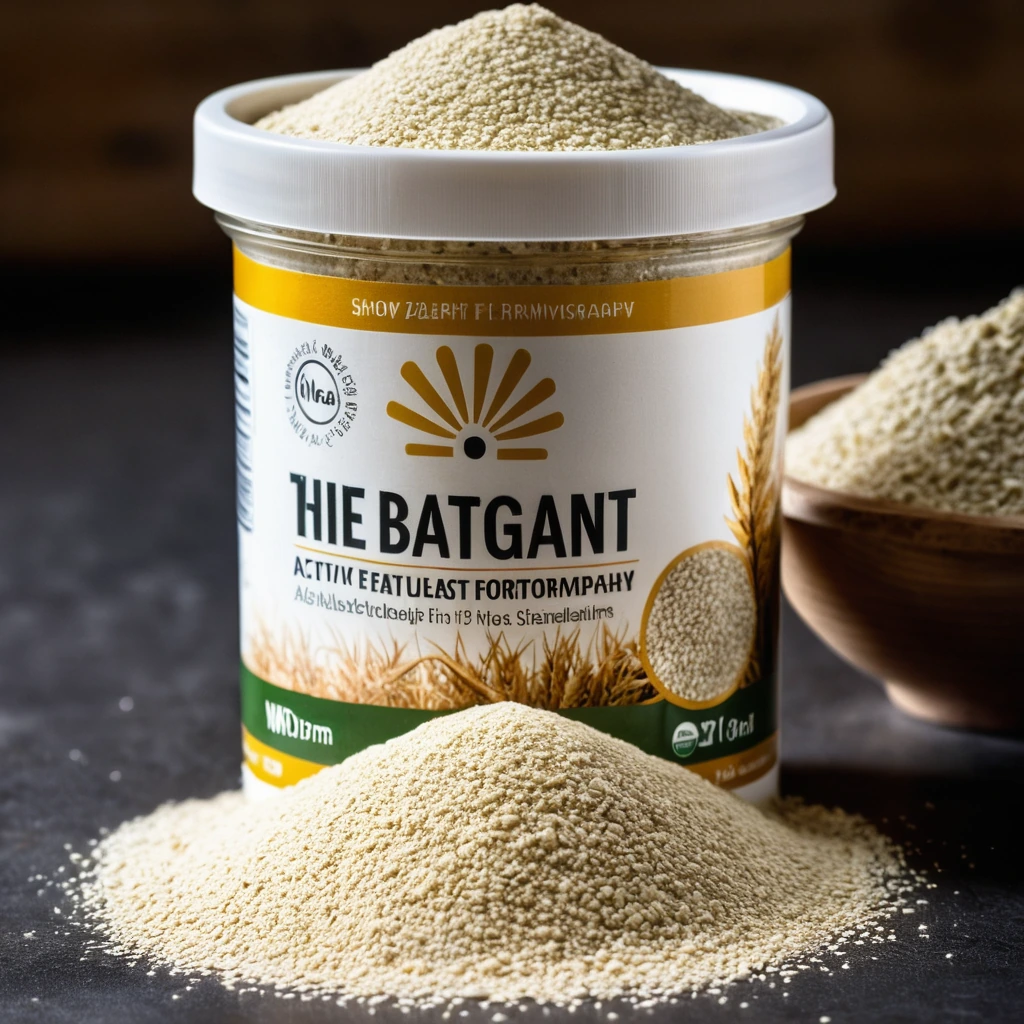
Active Dry Yeast
A fine, granulated leavening agent that brings baked goods to life with its gentle fermentation magic.
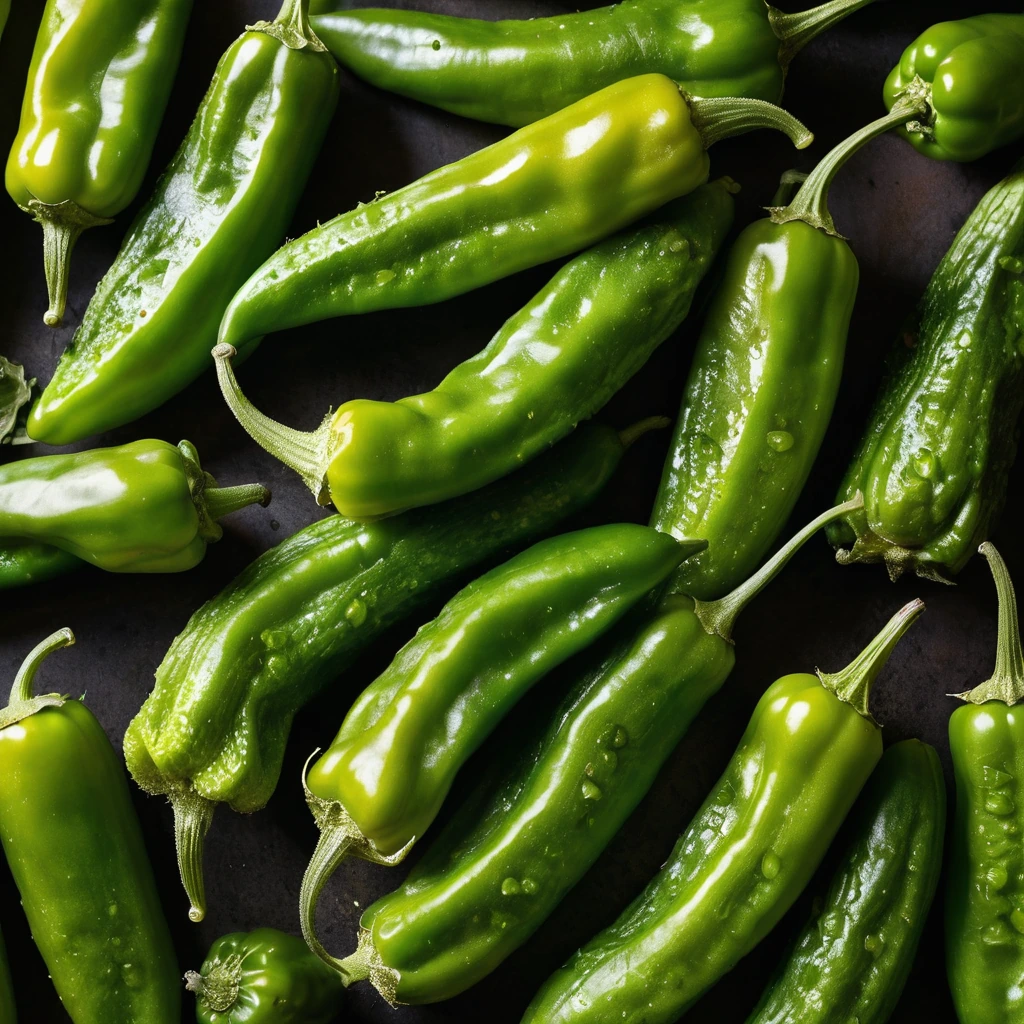
Anaheim Peppers
Anaheim peppers are a mild chili pepper variety named after Anaheim, California, where they were first cultivated commercially. Originating from the New Mexico region, these peppers are celebrated for their versatility and gentle heat. They possess a flavor that is mildly sweet with a subtle tang, and a pleasant vegetal note reminiscent of green bell peppers, but with a hint of spice. Their texture is firm and crisp when fresh, becoming tender and slightly smoky when roasted or cooked. In cooking, Anaheim peppers behave well across a range of techniques, from grilling and roasting to stuffing and sautéing, contributing a nuanced depth without overwhelming other ingredients with heat.
Recipes to try
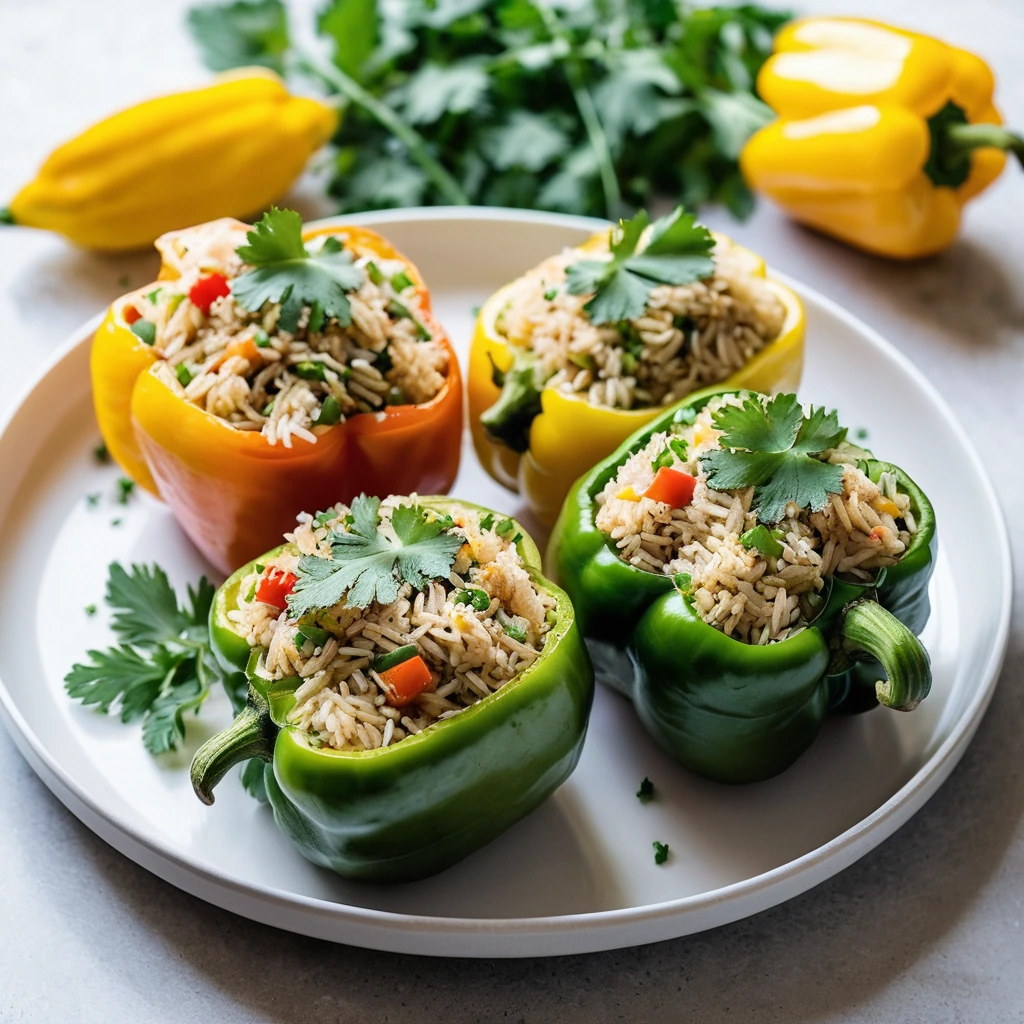
Lemon Garlic Chicken and Rice Stuffed Peppers
Bright and tangy lemon garlic chicken nestled in fluffy rice, all wrapped up in juicy bell peppers for a zesty comfort meal.
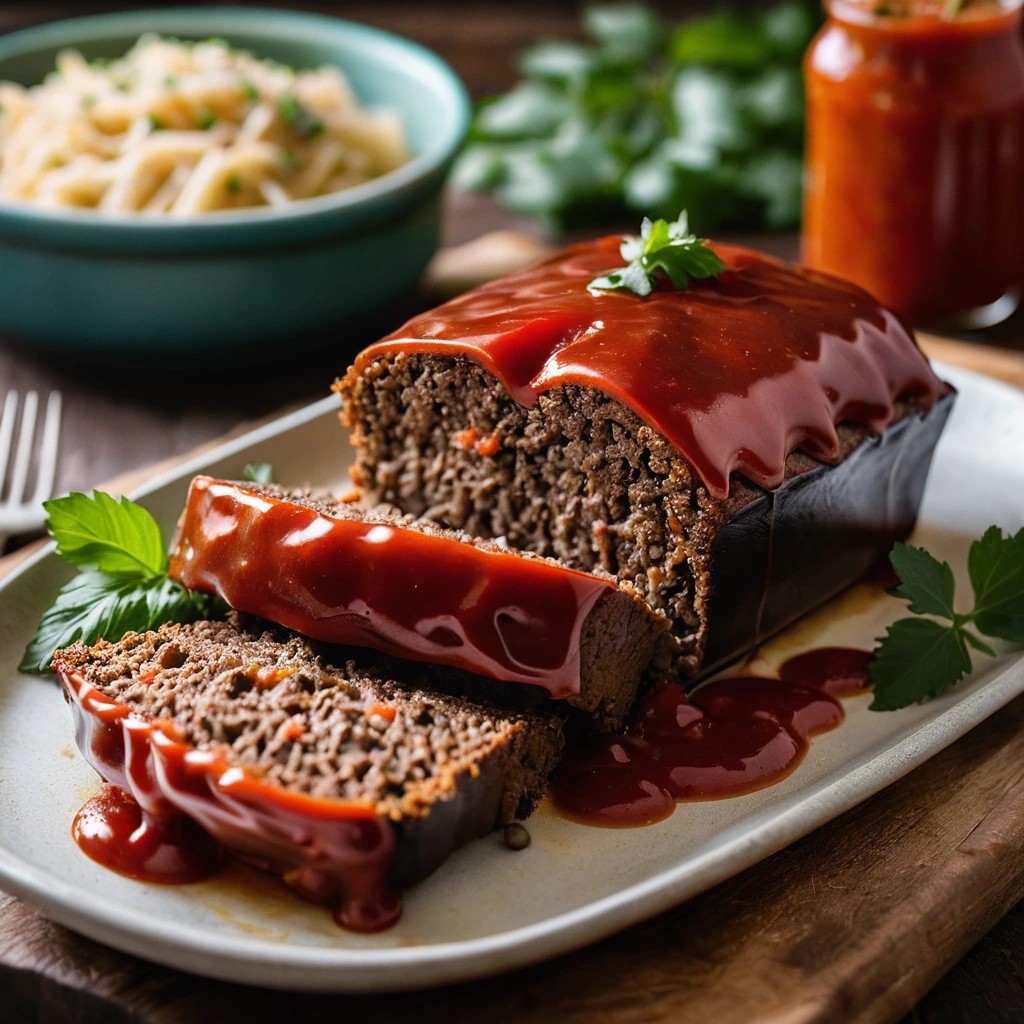
Pepper Jack Stuffed Meatloaf with Salsa Glaze
A savory meatloaf stuffed with gooey pepper jack cheese and topped with a tangy, zesty salsa glaze that'll have your taste buds doing a happy dance.