Poultry: Brining a Turkey Safely
Brining a turkey is a beloved technique that ensures your holiday bird is juicy and flavorful from edge to edge. It's a simple process that involves soaking the turkey in a saltwater solution, often with added aromatics and seasonings. Contrary to popular belief, brining isn't just about adding moisture—it's about enhancing the turkey's natural flavors and creating a protective barrier against dryness during roasting. The science behind brining is osmosis: the turkey absorbs the brine, which helps break down proteins, resulting in a more tender and succulent bird. However, safety is paramount when handling raw poultry. This guide will walk you through the steps to brine your turkey safely, ensuring a delicious outcome without compromising food safety.
Notes
Brining works by infusing the turkey with a saline solution, which helps to denature proteins and retain moisture during cooking. One common mistake is over-brining, which can lead to an overly salty turkey, so always adhere to the recommended time. Ensure your brining container and tools are clean to prevent cross-contamination. Always brine in the refrigerator to keep the turkey at a safe temperature below 40°F. For storage, a brined turkey can be kept in the refrigerator for up to two days before cooking. If you plan to make ahead, brine the turkey and then store it uncovered in the fridge to air dry the skin for better crispiness.
Steps
- 1 Select a food-safe container large enough to hold the turkey and brine.
- 2 Dissolve 1 cup of kosher salt in 1 gallon of water in a large pot.
- 3 Add your choice of aromatics like garlic, herbs, and spices to the brine.
- 4 Bring the brine to a simmer to help the salt dissolve completely, then cool to room temperature.
- 5 Rinse the turkey inside and out with cold water and pat dry with paper towels.
- 6 Place the turkey in the brining container and pour the cooled brine over it.
- 7 Ensure the turkey is fully submerged, using a plate or lid if necessary.
- 8 Cover the container and refrigerate for 12 to 24 hours.
- 9 After brining, remove the turkey and discard the brine.
- 10 Rinse the turkey again under cold water to remove excess salt.
- 11 Pat the turkey dry with paper towels to ensure crisp skin.
- 12 Proceed with your roasting recipe, ensuring the oven is preheated.
- 13 Use a meat thermometer to check the internal temperature, aiming for 165°F.
- 14 Let the turkey rest for at least 20 minutes before carving.
Ingredients to explore
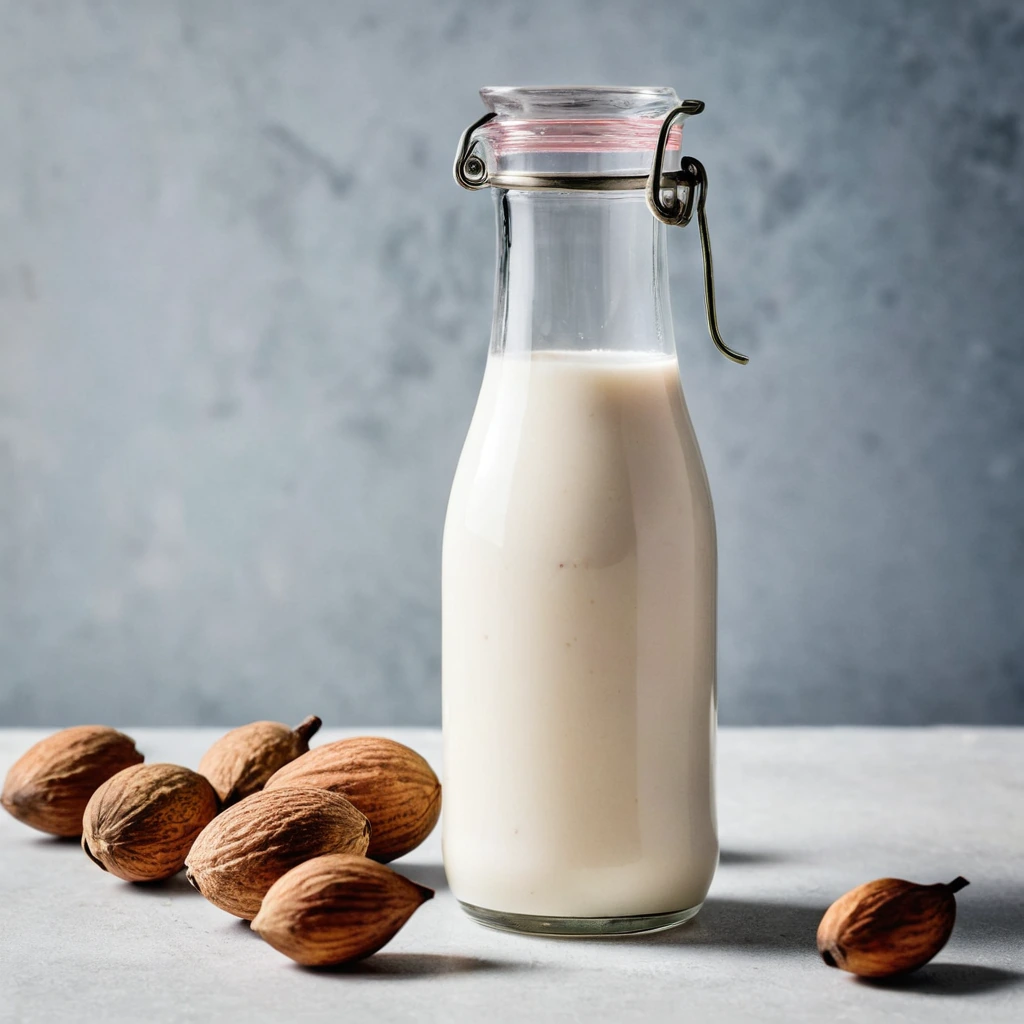
Almond Milk
Almond milk is a plant-based milk alternative made from ground almonds and water. Originating from traditional recipes in medieval Europe and the Middle East, it has gained widespread popularity in modern times as a dairy-free option. Almond milk has a subtly nutty flavor with a mild sweetness, and its aroma is reminiscent of fresh almonds. Its texture is smooth and creamy, though typically lighter than dairy milk. In cooking, almond milk behaves well in both savory and sweet applications, though it does not brown or caramelize like dairy milk. It is often used in cereals, smoothies, and baking, where its delicate flavor complements rather than overpowers other ingredients.
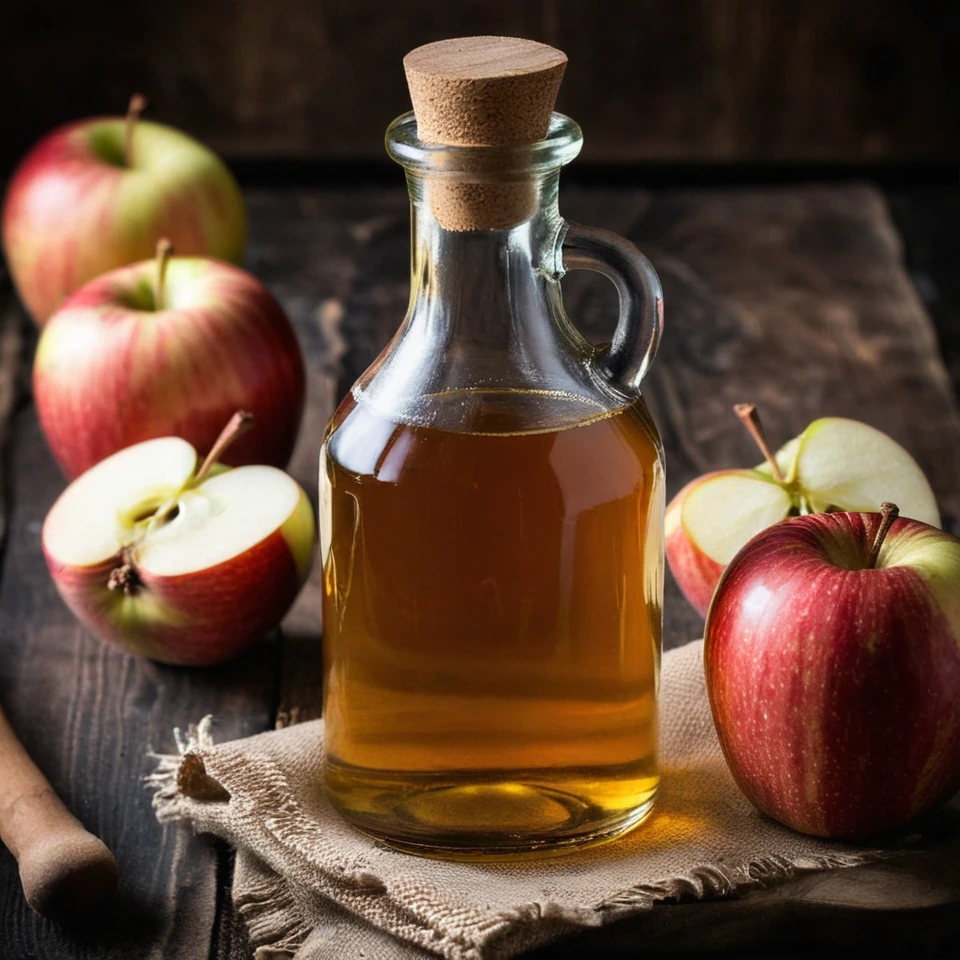
Apple Cider Vinegar
Apple cider vinegar is a type of vinegar made through the fermentation of apple cider, resulting in a tangy, slightly sweet liquid with a pale to medium amber color.
Recipes to try
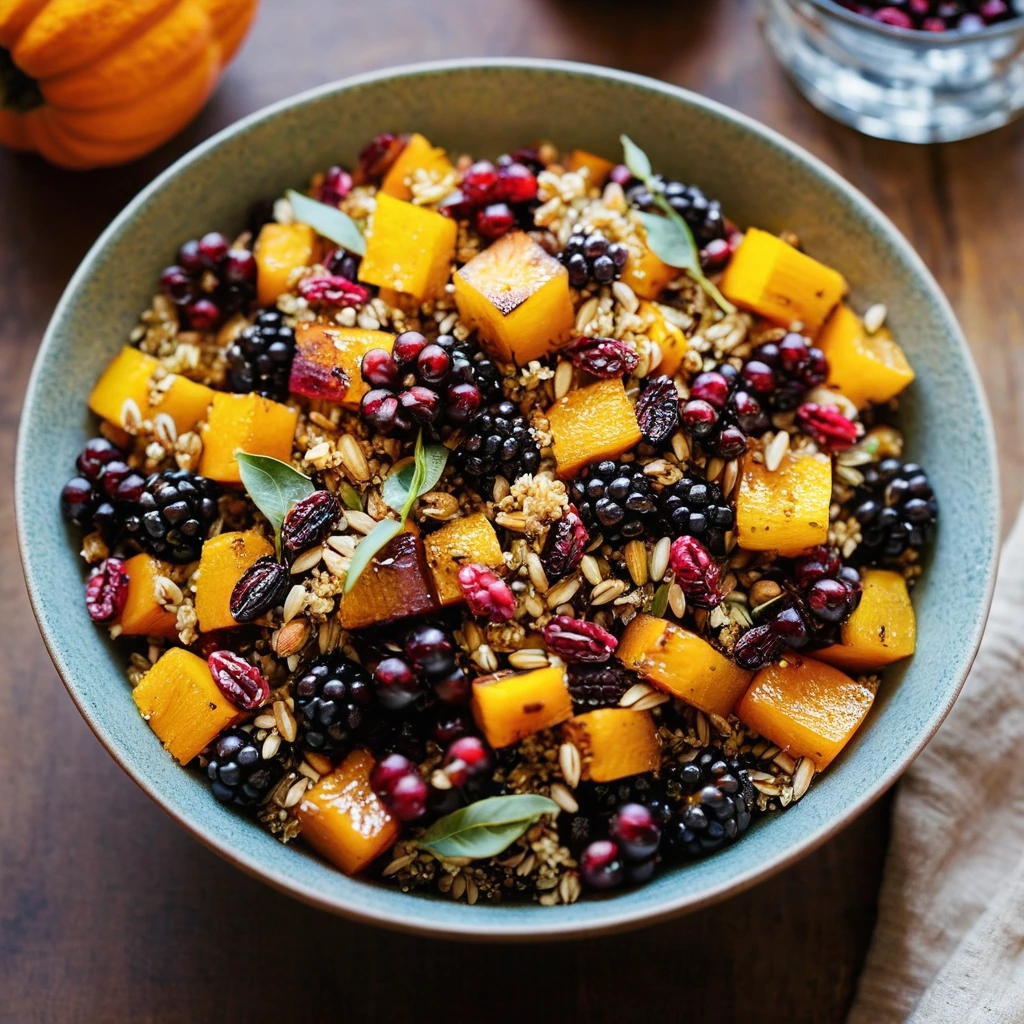
Warm Quinoa Salad with Roasted Squash and Cranberries
A cozy mix of nutty quinoa, tender roasted squash, and sweet cranberries makes this salad a fall favorite.
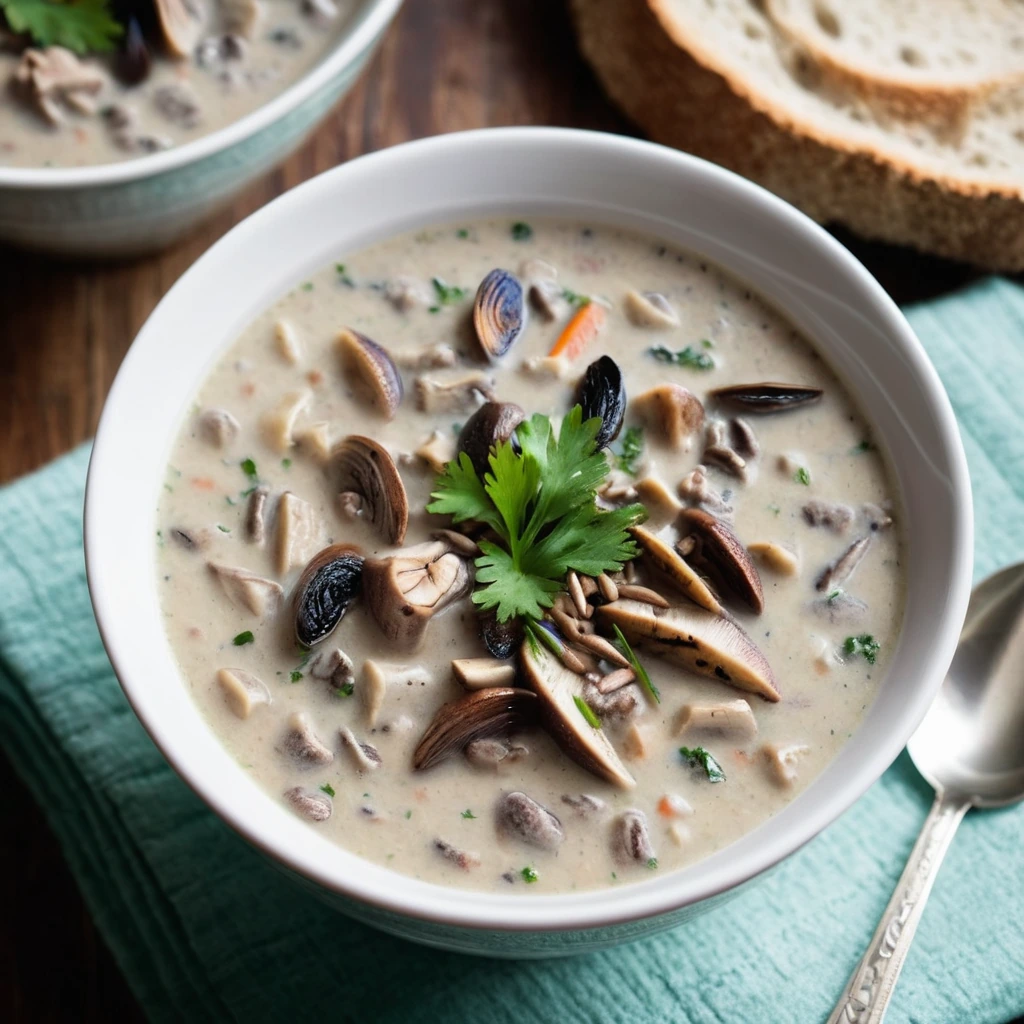
Turkey and Wild Rice Mushroom Soup
Warm up with this hearty soup, brimming with tender turkey, earthy wild rice, and a medley of savory mushrooms in a rich, comforting broth.