Pasta: Building a Simple Cacio e Pepe
Cacio e Pepe is a Roman classic that relies on just three main ingredients: pasta, Pecorino Romano cheese, and black pepper. The beauty of this dish lies in its simplicity and the way these humble ingredients come together to create something truly special. The technique focuses on creating a silky, emulsified sauce using the starchy pasta water and the natural fats from the cheese. Achieving the perfect texture requires timing, patience, and attention to detail. First, understanding the pasta's role is crucial—it must be cooked al dente to provide both structure and starch. Meanwhile, freshly cracked black pepper adds depth and a subtle heat that complements the cheese's saltiness. The key to a successful Cacio e Pepe is balancing these elements to create a sauce that clings to the pasta without being overly rich or greasy. The process involves reserving pasta water, timing the cheese addition, and mastering the art of emulsification. While the technique might seem daunting at first, with practice, it becomes an intuitive dance of ingredients. The result is a luxurious, comforting dish that celebrates Italian culinary tradition.
Notes
The science behind Cacio e Pepe lies in the emulsion created by the pasta water's starch and the fat in the cheese, forming a sauce that's both rich and light. To troubleshoot, ensure your pasta is truly al dente; overcooked pasta will result in a gummy sauce. If the sauce breaks, remove it from heat and continue stirring while adding water slowly. Safety-wise, be cautious when handling boiling water and hot skillets. For make-ahead options, this dish is best served fresh, but you can prepare components separately. Store leftover pasta in an airtight container for up to 2 days, though reheating may affect the sauce's texture.
Steps
- 1 Bring a large pot of salted water to a rolling boil.
- 2 Add the pasta to the boiling water and cook until al dente, usually 1-2 minutes less than package instructions.
- 3 Reserve 1 ½ cups of the pasta cooking water before draining.
- 4 While the pasta cooks, toast ¼ cup of freshly cracked black pepper in a dry skillet over medium heat for 1-2 minutes until fragrant.
- 5 Remove the skillet from heat and set aside.
- 6 In a separate bowl, grate 1 ½ cups of high-quality Pecorino Romano cheese.
- 7 Transfer the drained pasta to the skillet with the toasted pepper, tossing to coat.
- 8 Remove the skillet from heat and gradually add the cheese, stirring vigorously.
- 9 Slowly incorporate reserved pasta water, a little at a time, until a silky sauce forms.
- 10 Continue to toss the pasta, adding more water if necessary, until it reaches your desired creaminess.
- 11 Serve immediately, garnishing with additional cracked pepper and a sprinkle of cheese.
Ingredients to explore
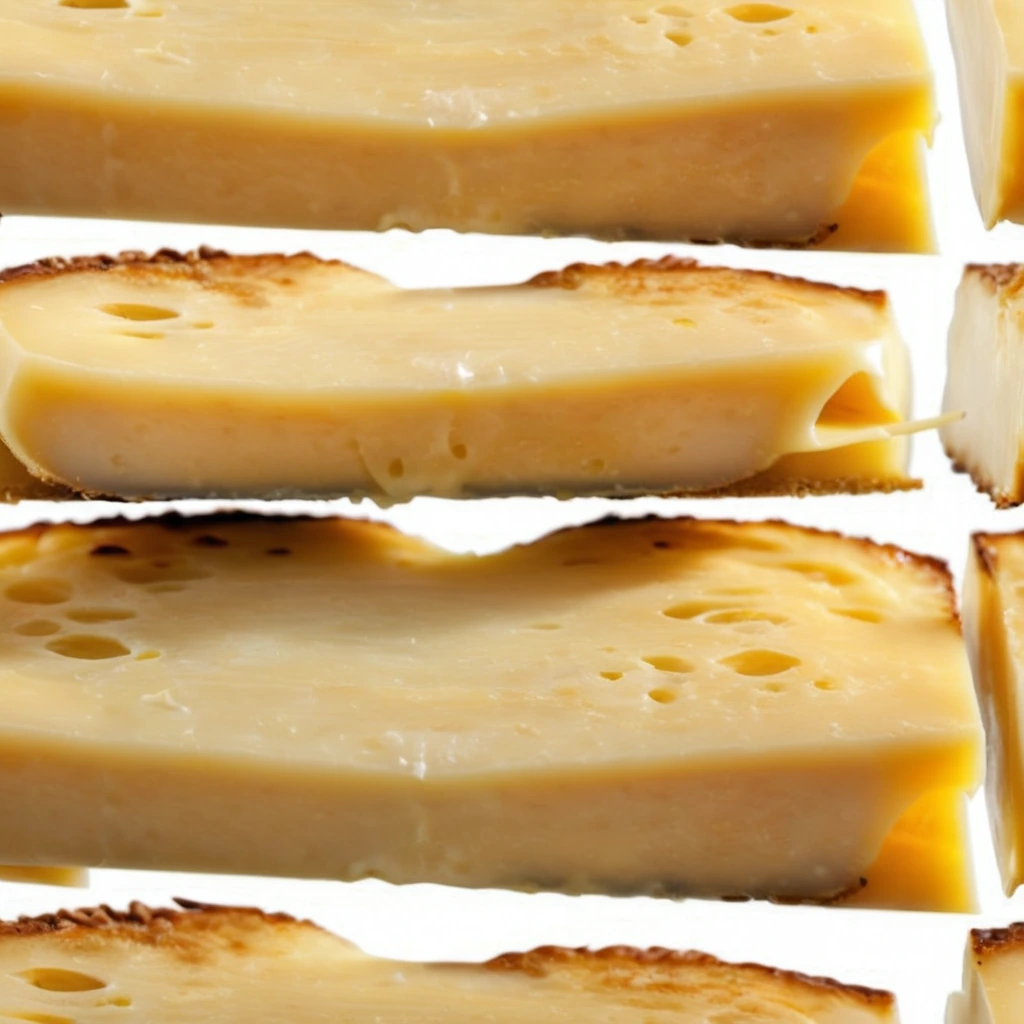
American Cheese Slices
Those iconic, perfectly pliable slices of creamy, mild American cheese. Each slice boasts a smooth, melt-in-your-mouth texture that brings comfort to any dish.
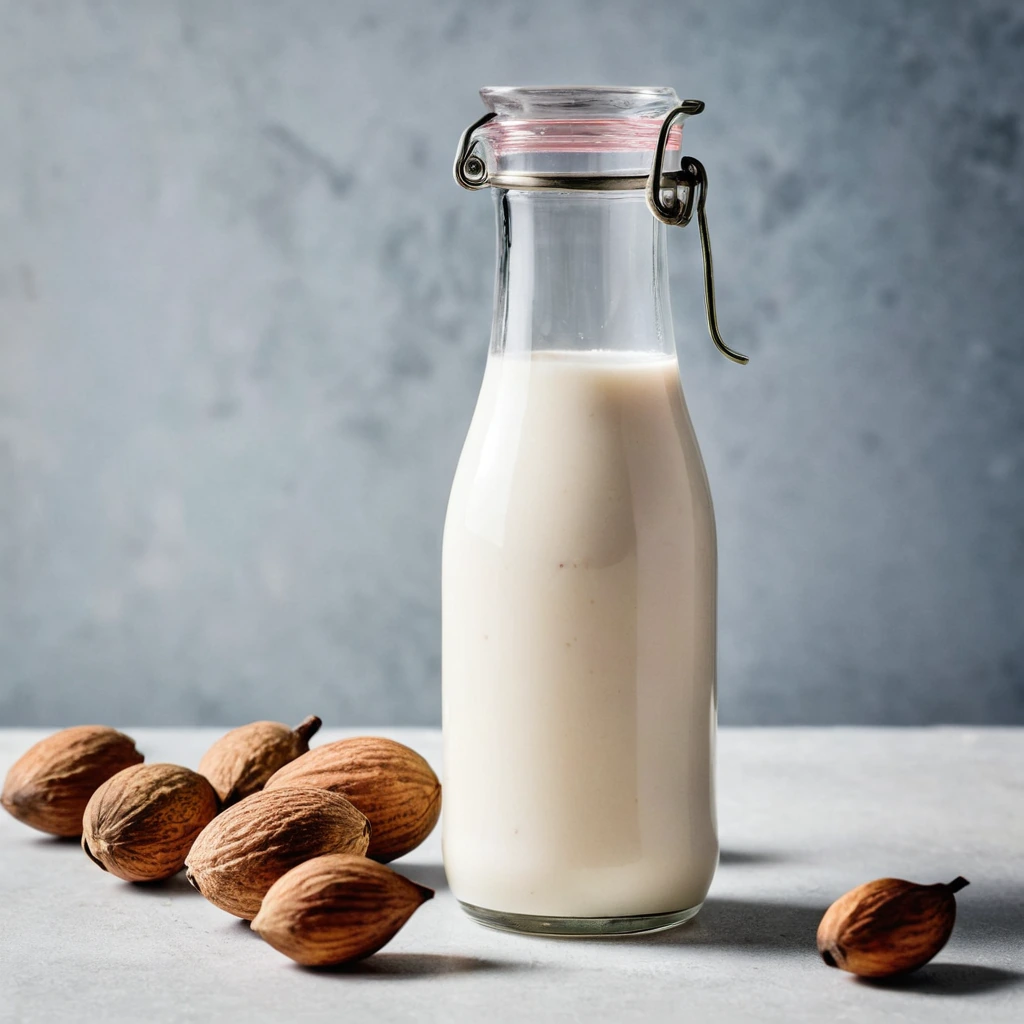
Almond Milk
Almond milk is a plant-based milk alternative made from ground almonds and water. Originating from traditional recipes in medieval Europe and the Middle East, it has gained widespread popularity in modern times as a dairy-free option. Almond milk has a subtly nutty flavor with a mild sweetness, and its aroma is reminiscent of fresh almonds. Its texture is smooth and creamy, though typically lighter than dairy milk. In cooking, almond milk behaves well in both savory and sweet applications, though it does not brown or caramelize like dairy milk. It is often used in cereals, smoothies, and baking, where its delicate flavor complements rather than overpowers other ingredients.
Recipes to try

Pumpkin Spice Cheesecake Swirl Brownies
Indulge in the cozy combo of fudgy brownies with a creamy pumpkin cheesecake swirl - autumn's dream dessert come to life.
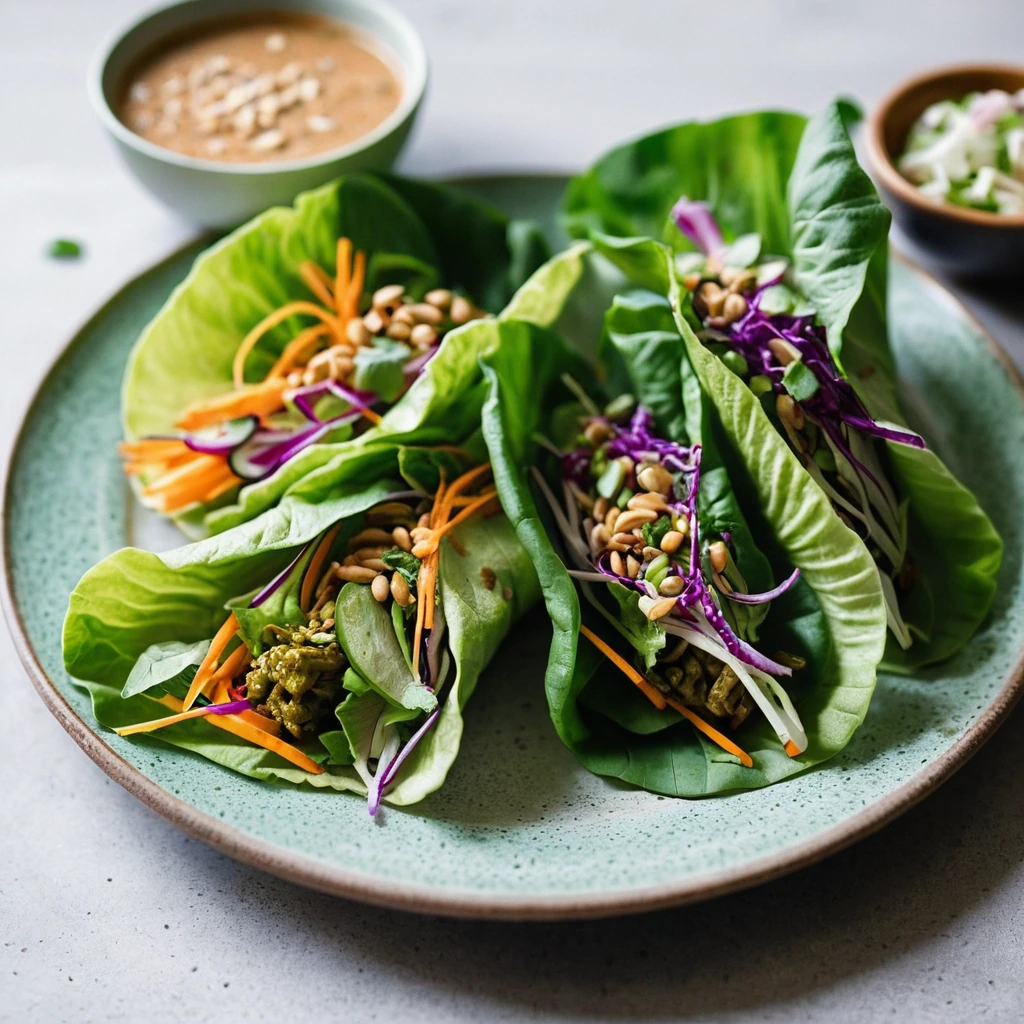
Thai Peanut Veggie Lettuce Wraps
Crispy, fresh veggies hugged by buttery lettuce leaves, drizzled with a creamy, tangy peanut sauce that'll make your taste buds do the tango.