Knife Technique: Cleanly Cutting Layer Cakes Without Crumbs
Achieving clean, crumb-free slices of layer cake is both an art and a science. It requires precision, patience, and the right tools. The key is to minimize the cake's exposure to air and pressure, which can cause crumbling. Start by ensuring your cake is fully chilled before cutting. A chilled cake is firmer and less likely to fall apart. Use a long, serrated knife, which is ideal for slicing through delicate layers without compressing the cake. Regularly clean the knife between cuts to prevent crumbs from transferring to subsequent slices. The angle and motion of your knife are crucial; employ a gentle sawing motion rather than pressing down. This technique preserves the cake's structure and yields neat, professional-looking slices every time. Additionally, consider using dental floss for particularly fragile cakes, as it can glide through without disturbing the layers. Finally, presentation is key; use a clean plate or cake stand to showcase your beautifully cut slices.
Notes
This technique works because chilling firms up the cake, making it easier to slice without crumbling. The serrated knife is designed to cut through soft textures without compressing them, unlike a straight-edged knife. Cleaning the knife between cuts prevents crumbs from contaminating future slices. Using dental floss is an alternative method for extremely delicate cakes, as it distributes pressure evenly and doesn't tear the cake. Common mistakes include using a dull knife, cutting too quickly, or pressing down too hard. Always prioritize safety by handling sharp knives carefully and keeping fingers clear of the blade. For storage, ensure cake slices are covered and refrigerated to maintain freshness.
Steps
- 1 Chill the cake in the refrigerator for at least 1 hour before cutting.
- 2 Select a long serrated knife with a blade length appropriate for your cake size.
- 3 Wipe the knife clean and dry before each cut.
- 4 Hold the knife at a slight angle to the cake, ensuring the serrations face downward.
- 5 Begin with a gentle sawing motion, using even pressure from the wrist.
- 6 Avoid pressing down hard; let the serrations do the work.
- 7 After each cut, clean the knife with a damp cloth to remove crumbs.
- 8 For particularly delicate cakes, consider using unwaxed dental floss instead of a knife.
- 9 Pull the floss gently and evenly across the cake for a clean cut.
- 10 Place each slice on a clean plate or cake stand immediately after cutting.
- 11 Keep remaining cake covered while cutting to prevent drying out.
- 12 Serve immediately or return slices to the refrigerator until ready to serve.
Ingredients to explore
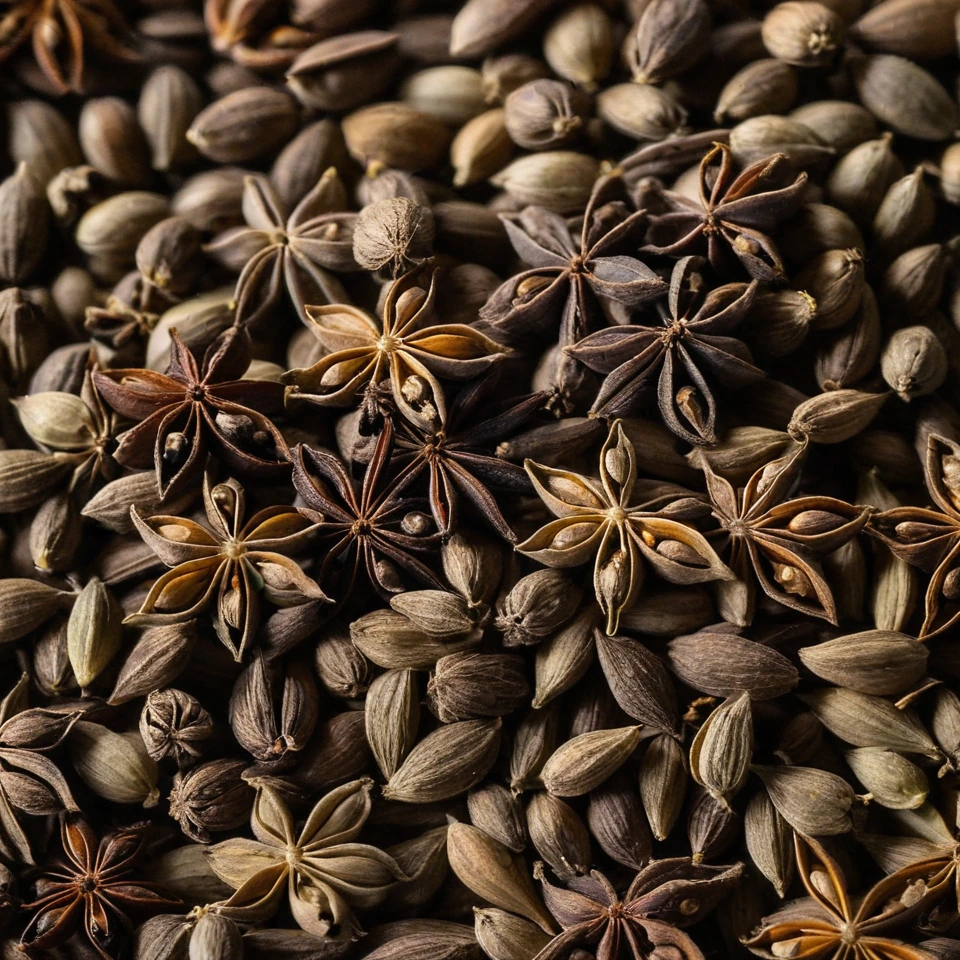
Anise Seeds
Anise seeds are small, oval seeds with a sweet, licorice-like flavor. They are commonly used in both sweet and savory dishes, offering a warm, aromatic taste.
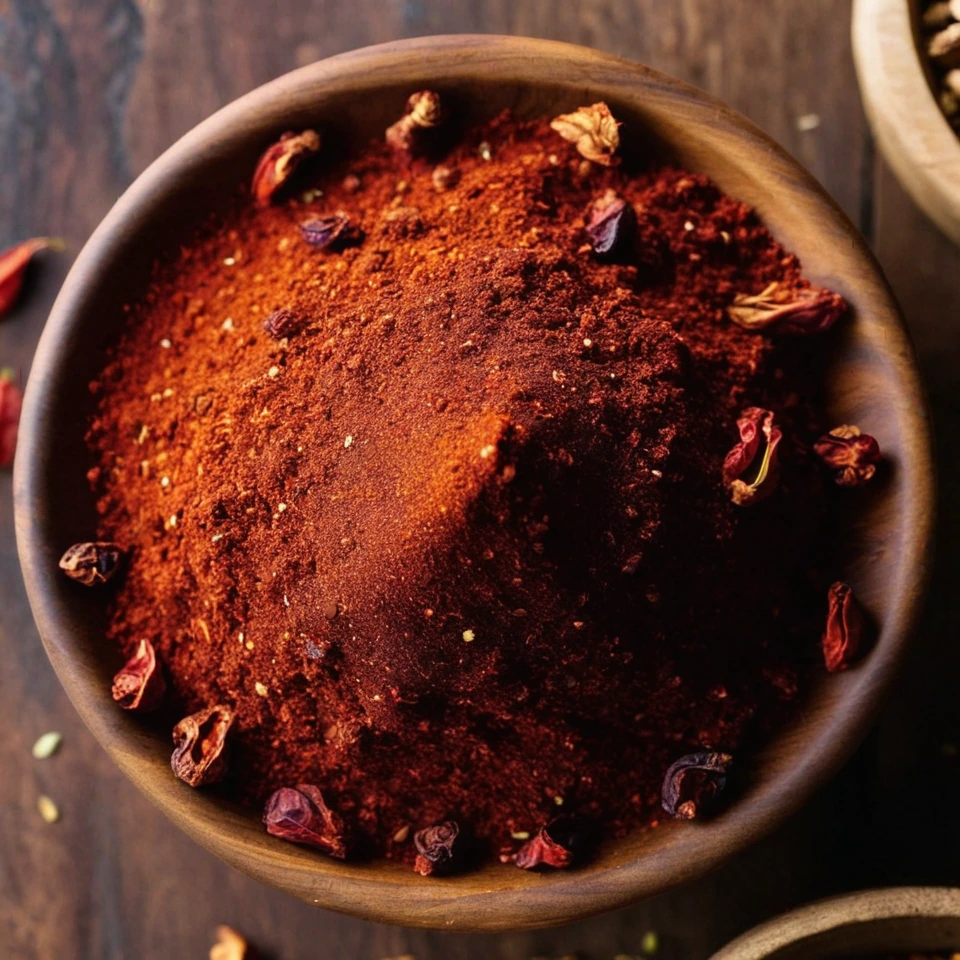
Aleppo Pepper
Aleppo pepper offers a harmonious balance of heat and sweetness, with a subtle fruity aroma reminiscent of sun-dried tomatoes and currants. Originating from the region around Aleppo, Syria, it has a fine, slightly coarse texture that shatters easily between fingers. Its mild yet complex flavor profile makes it a prized seasoning for enhancing dishes without overwhelming them. Valued for its versatility, it bridges the gap between spice and seasoning, bringing a touch of warmth and depth to a variety of cuisines.
Recipes to try
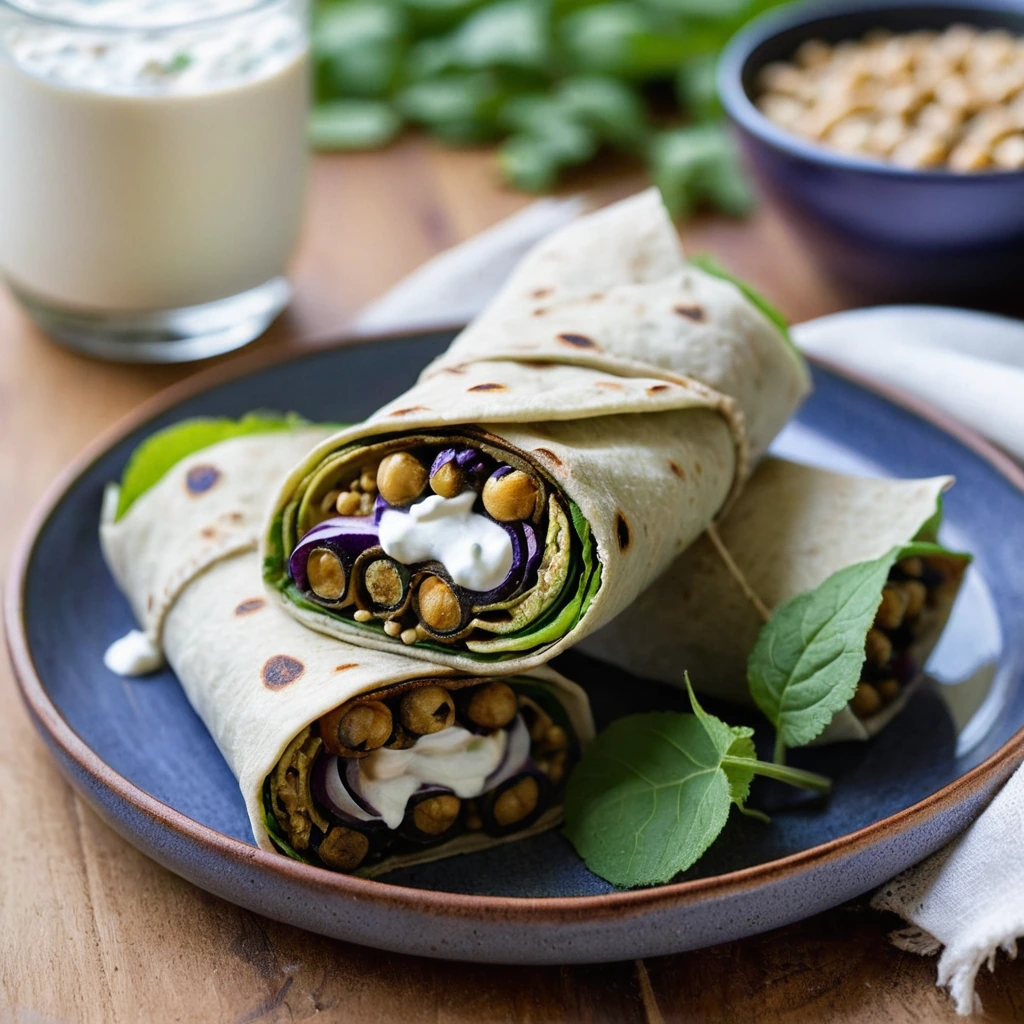
Roasted Eggplant and Chickpea Wraps with Yogurt
Creamy yogurt swirls with smoky roasted eggplant and hearty chickpeas, all wrapped in a warm tortilla for a veggie-packed meal.

Pork Carnitas Nachos with Queso and Jalapeños
Crispy tortilla chips smothered in tender pork carnitas, melty queso, and zesty jalapeños for a fiesta in your mouth.