Knife Skills: Trimming Silver Skin from Meat
Trimming silver skin from meat is a crucial technique that can elevate your culinary game. Silver skin is a tough, collagen-rich layer that can cause meat to curl during cooking and lead to an undesirable chewy texture if left intact. Understanding how to identify and remove it properly ensures your dishes are tender and visually appealing. This technique requires patience and precision, but once mastered, it will become second nature. Silver skin is often found on cuts like pork tenderloin, beef roasts, and chicken breasts. Its translucent, silvery appearance can be deceptive, often leading novice cooks to overlook it. However, with the right approach, you can confidently trim it away to enhance your dishes. This guide will walk you through the process step by step, providing tips to make it easier and more efficient. Whether you're preparing a succulent roast or a delicate cutlet, mastering this skill will improve the texture and presentation of your meat. Let’s dive into the details of this essential knife skill that will have you slicing with confidence and flair.
Notes
Trimming silver skin works because it removes the tough collagen layer that resists breaking down during cooking, ensuring a more tender result. A common mistake is using a dull knife, which can tear the meat instead of cleanly separating the skin. Always use a sharp knife to maintain control. For safety, keep your fingers clear of the blade’s path and use a stable cutting surface. If you're preparing meat in advance, trim the silver skin just before cooking to prevent moisture loss. Store trimmed meat in the refrigerator for up to two days or freeze for longer storage, ensuring it's well-wrapped to prevent freezer burn.
Steps
- 1 Select a sharp boning knife or a flexible fillet knife for precision.
- 2 Lay the meat flat on a clean cutting board with good lighting.
- 3 Identify the silver skin by its shiny, translucent appearance.
- 4 Anchor the silver skin with your non-dominant hand using a claw grip for safety.
- 5 Insert the knife tip under the silver skin at a slight angle.
- 6 Gently lift the knife while applying even pressure to separate the skin from the meat.
- 7 Use smooth, continuous strokes to follow the contours of the meat.
- 8 If the skin resists, pause and adjust your angle rather than forcing it.
- 9 Continue trimming until all visible silver skin is removed.
- 10 Check the meat for any missed spots and repeat as necessary.
- 11 Rinse the meat under cold water to remove any remaining debris.
- 12 Pat the meat dry with paper towels to prepare for seasoning or cooking.
- 13 Dispose of the silver skin properly to maintain a clean workspace.
Ingredients to explore
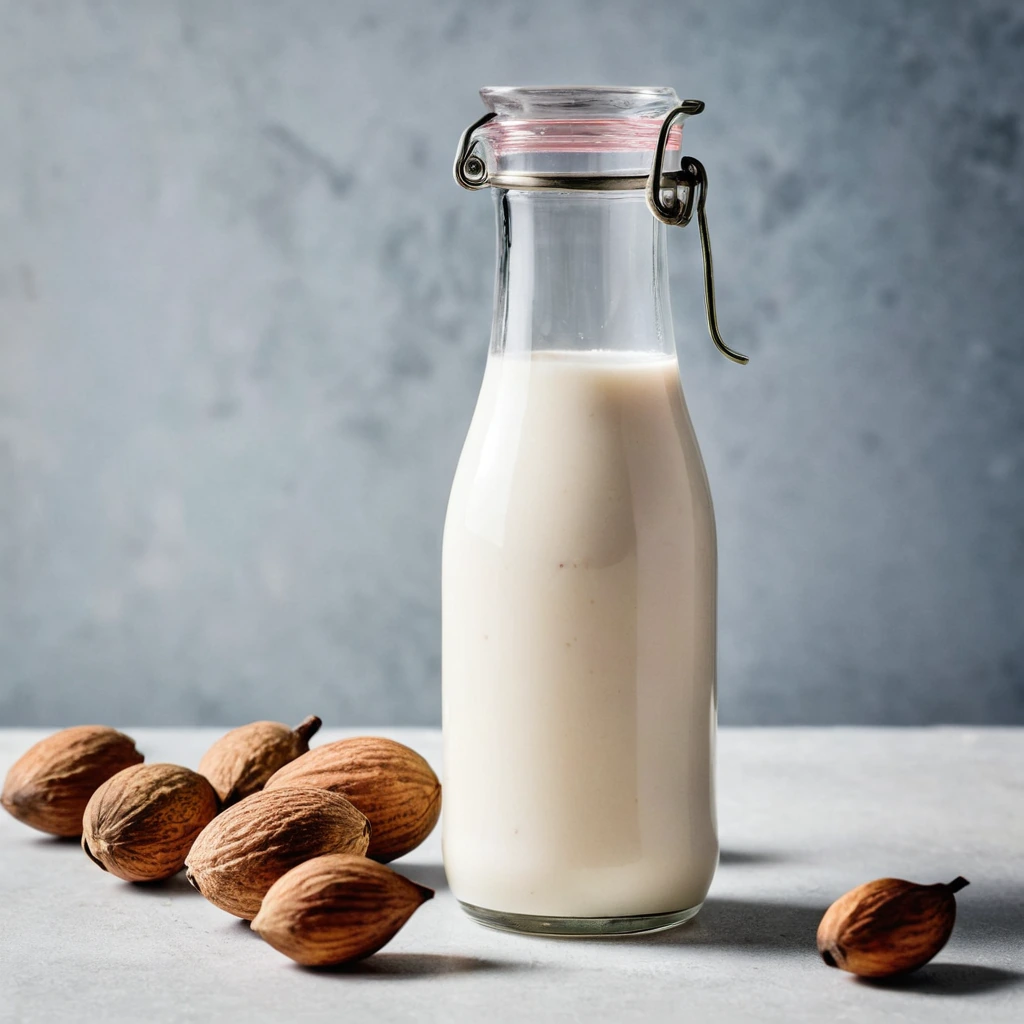
Almond Milk
Almond milk is a plant-based milk alternative made from ground almonds and water. Originating from traditional recipes in medieval Europe and the Middle East, it has gained widespread popularity in modern times as a dairy-free option. Almond milk has a subtly nutty flavor with a mild sweetness, and its aroma is reminiscent of fresh almonds. Its texture is smooth and creamy, though typically lighter than dairy milk. In cooking, almond milk behaves well in both savory and sweet applications, though it does not brown or caramelize like dairy milk. It is often used in cereals, smoothies, and baking, where its delicate flavor complements rather than overpowers other ingredients.
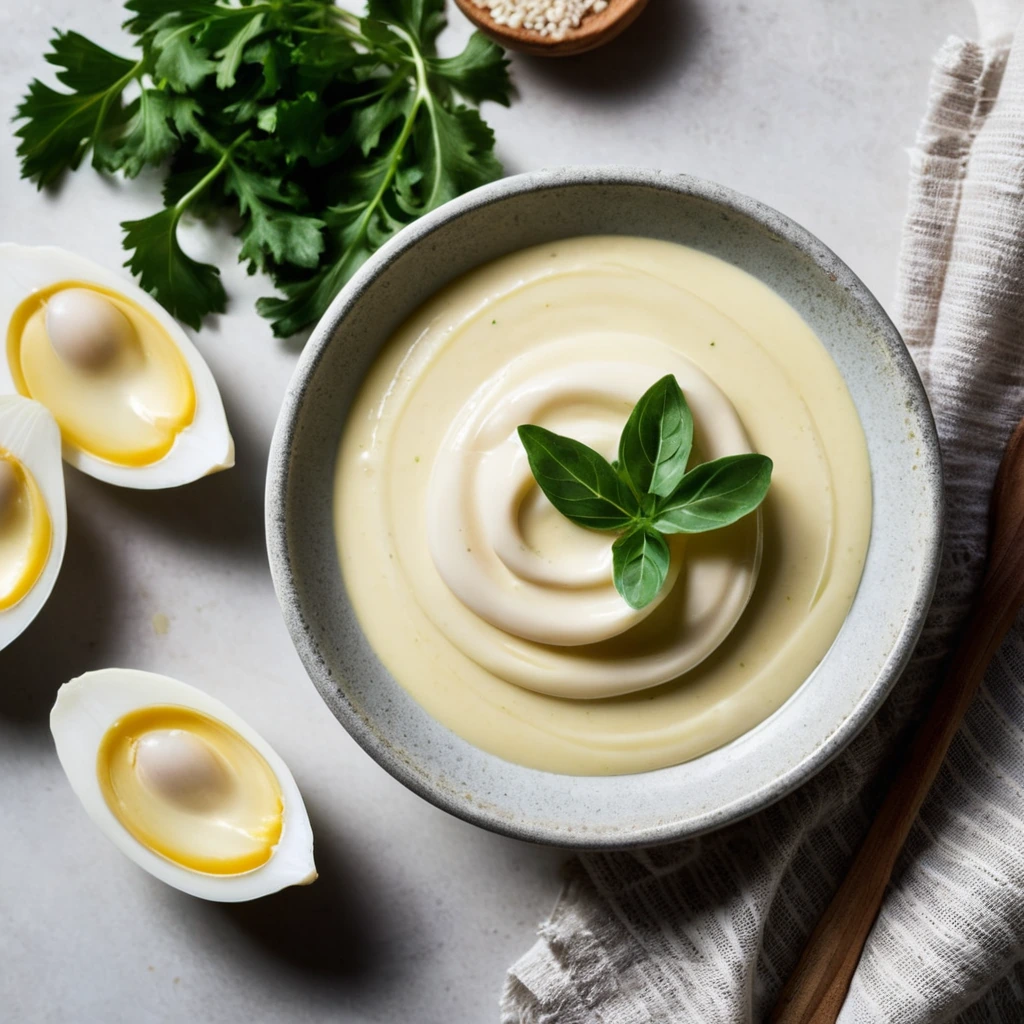
Aioli
A luscious, velvety emulsion of garlic and olive oil, aioli is a rich and aromatic sauce that dances on the palate with its creamy texture and bold, pungent flavor.
Recipes to try
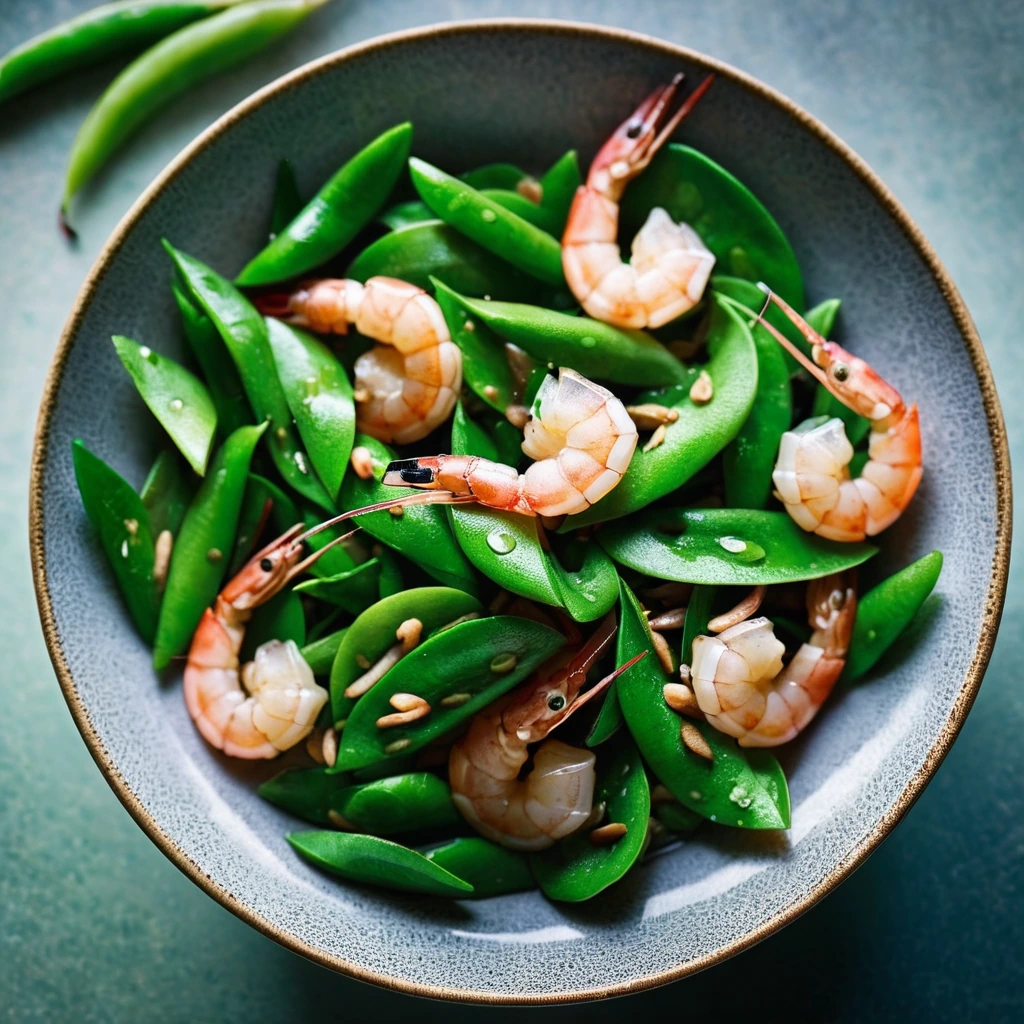
Shrimp and Snow Pea Stir Fry with Ginger
Succulent shrimp and crisp snow peas dance together in a fragrant, ginger-infused stir fry that's quick, zesty, and utterly satisfying.
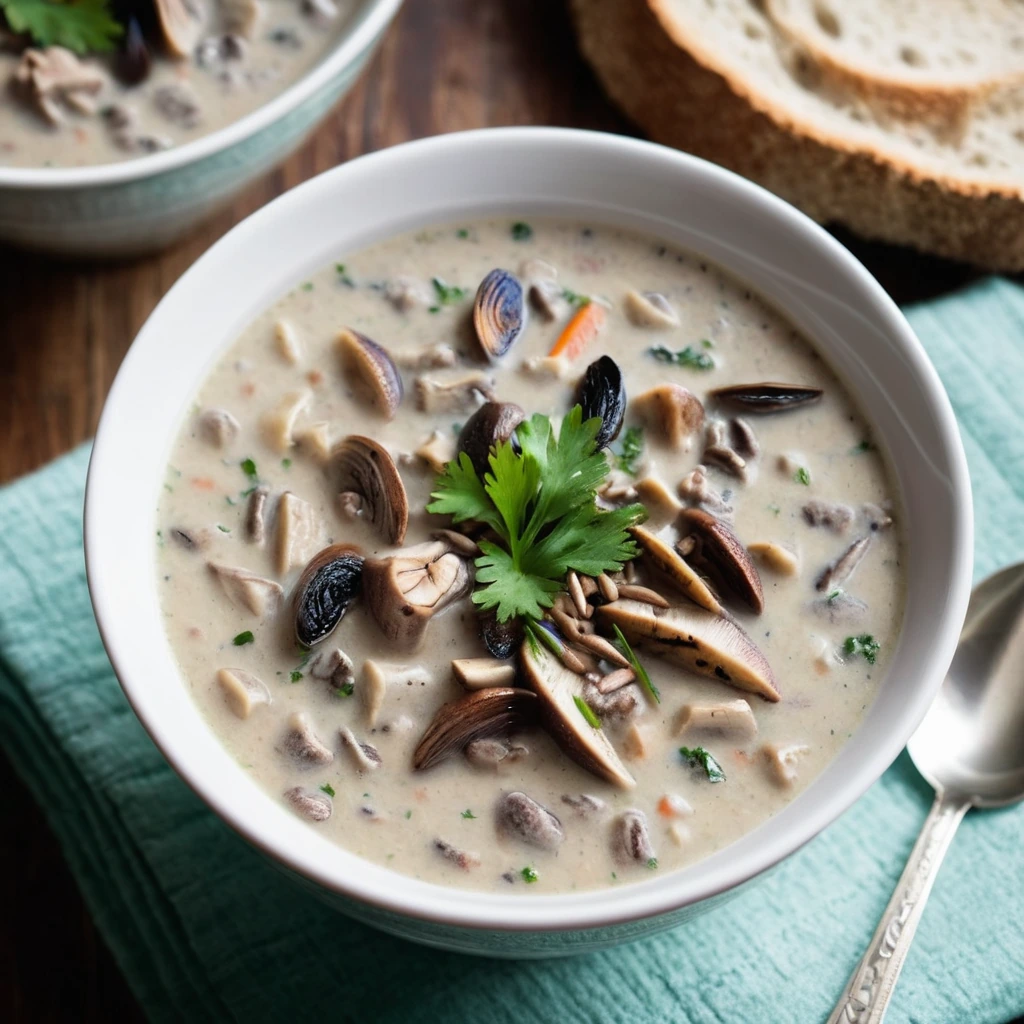
Turkey and Wild Rice Mushroom Soup
Warm up with this hearty soup, brimming with tender turkey, earthy wild rice, and a medley of savory mushrooms in a rich, comforting broth.