Knife Skills: Segmenting and Cubing Melons
Mastering the art of segmenting and cubing melons can elevate your culinary game, bringing a professional touch to your fruit presentations and dishes. Whether you're preparing a refreshing fruit salad or garnishing a summer drink, these techniques are essential. Segmenting melons involves removing the individual fruit sections from the rind and membrane, while cubing focuses on creating uniform, bite-sized pieces. Understanding the structure of melons like cantaloupe, honeydew, and watermelon is key. Each melon has a unique texture and rind thickness, requiring slight adjustments in technique. Proper knife skills not only ensure safety but also precision, reducing waste and maximizing yield. Start by selecting a ripe melon with a sweet aroma and a slight give when pressed. A sharp chef's knife is crucial; a dull blade can slip and cause injury. Keep your fingers tucked and use a stable cutting surface to prevent accidents. Segmenting is ideal for showcasing the melon's vibrant color and natural shape, while cubing offers versatility in cooking and presentation. Both techniques require patience and practice to perfect. With these skills, you can transform a simple melon into a star of your culinary creations.
Notes
The science behind sharp knife skills lies in reducing resistance and force needed to cut through the melon, minimizing cell damage and preserving texture. A common mistake is using a dull knife, which can lead to uneven cuts and increased risk of injury. Always ensure your knife is razor-sharp before starting. Another pitfall is not properly removing all seeds and fibers, which can detract from the eating experience. For safety, maintain a firm grip on both the knife and the melon, and always cut away from your body. Melons can be prepared ahead of time; store segmented or cubed melon in an airtight container for up to 3 days to maintain freshness.
Steps
- 1 Wash the melon thoroughly under cool running water.
- 2 Stand the melon on one of its flat ends for stability.
- 3 Slice off both ends of the melon to create flat surfaces.
- 4 Cut the melon in half from stem to blossom end.
- 5 Use a spoon to scoop out and discard the seeds and stringy fibers.
- 6 For segmenting: Place one half cut-side down, slice downward along the contours to remove the flesh from the rind.
- 7 Hold each segment over a bowl to catch the juices, and slice off the membrane on both sides.
- 8 For cubing: Slice the flesh into planks of desired thickness.
- 9 Stack a few planks together and slice into strips.
- 10 Cut across the strips to create uniform cubes.
- 11 Transfer the cubes to a serving dish or storage container.
- 12 Repeat with the remaining melon halves.
- 13 Taste a piece to ensure sweetness and proper ripeness.
- 14 Store any unused melon in an airtight container in the refrigerator.
Ingredients to explore
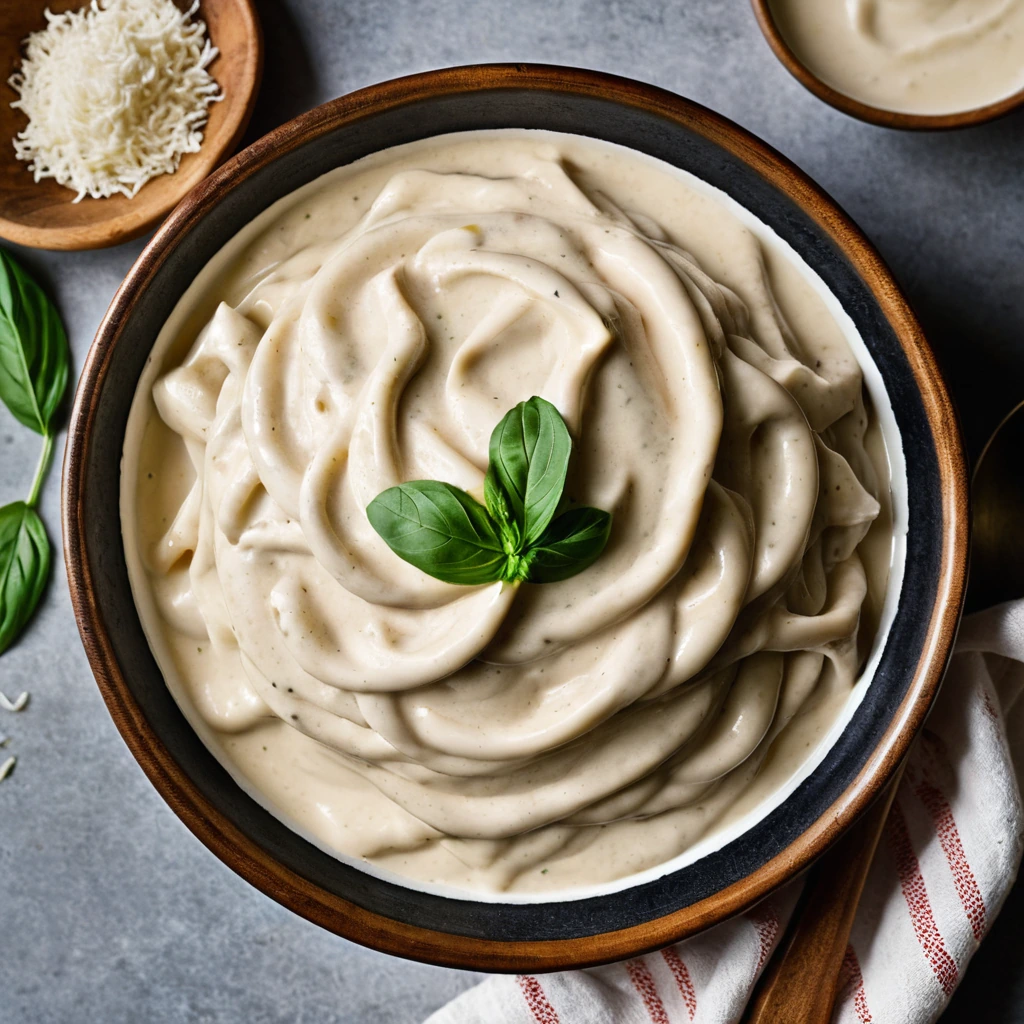
Alfredo Sauce
Creamy, rich, and utterly indulgent, Alfredo sauce is a dreamy blend of butter, heavy cream, and Parmesan cheese. Its velvety texture and savory depth make it a beloved staple in Italian-American cuisine.
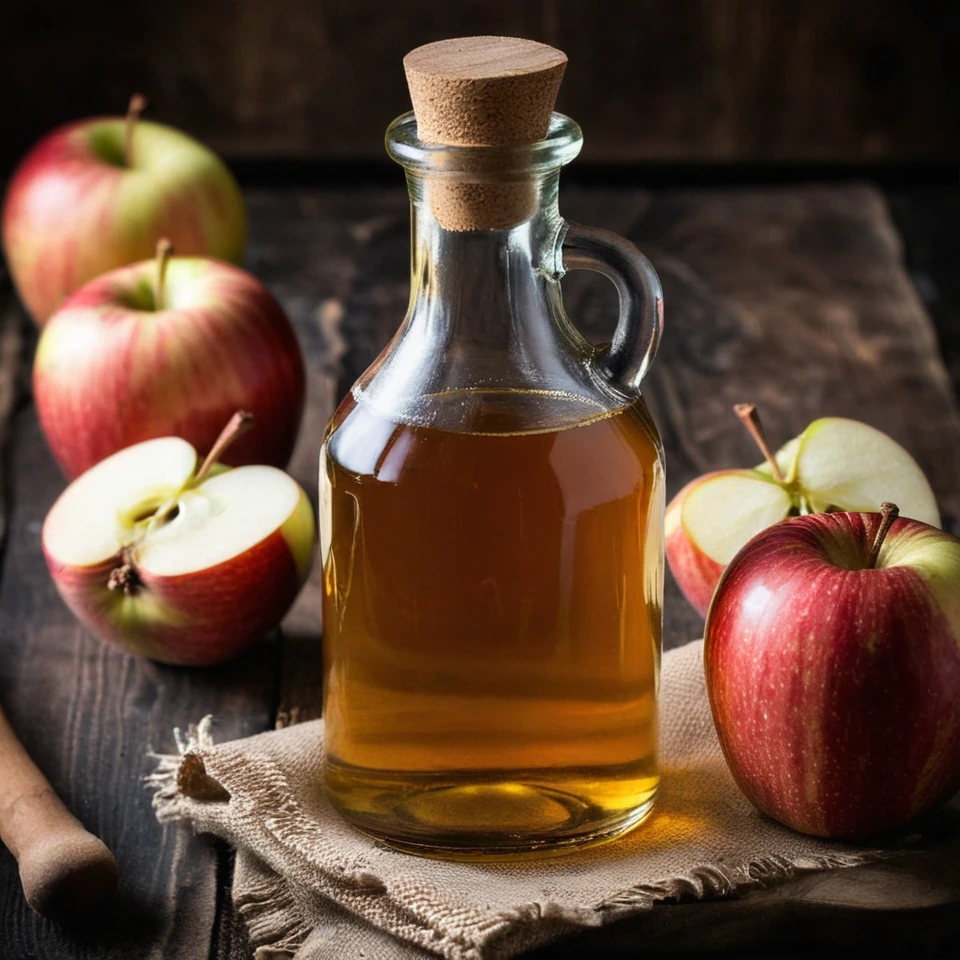
Apple Cider Vinegar
Apple cider vinegar is a type of vinegar made through the fermentation of apple cider, resulting in a tangy, slightly sweet liquid with a pale to medium amber color.
Recipes to try

Spicy Sausage and Roasted Red Pepper Rigatoni
A zesty dance of spicy sausage and smoky roasted red peppers twirled in al dente rigatoni.

Sausage and Ricotta Stuffed Squash Boats
Tender roasted squash halves are stuffed with a savory mix of Italian sausage and creamy ricotta, making for a comforting and hearty meal.