Knife Skills: Removing Corn from the Cob Cleanly
Mastering the art of removing corn from the cob cleanly is an essential skill for any home cook looking to elevate their culinary game. This technique not only saves time but also ensures minimal waste and maximum kernel yield. By employing a sharp chef's knife and a few simple steps, you can efficiently strip the corn kernels from the cob without smashing them, preserving their delicate sweetness and texture. This method is particularly useful for recipes that require whole kernels, such as salads, salsas, and soups. Understanding how to properly grip the corn, angle the knife, and maneuver with control will transform your cooking experience. Safety is paramount when handling a sharp blade, so maintaining a steady hand and practicing proper cutting techniques is crucial. With patience and practice, you'll soon find this method faster and more efficient than traditional scraping methods. Whether you're prepping for a summer barbecue or a cozy fall meal, this technique will prove invaluable in your kitchen adventures.
Notes
The key to cleanly removing corn from the cob is a sharp knife, which makes precise cuts and prevents crushing the kernels. A dull blade can tear the kernels, leading to an uneven texture. Additionally, positioning your hand safely away from the blade's path is crucial to avoid accidents. Troubleshooting common mistakes involves ensuring the knife is sharp and adjusting your grip for better control. To store freshly removed corn kernels, keep them in an airtight container in the refrigerator for up to three days to maintain their freshness. This technique is efficient and can be adapted for making corn milk, a flavorful addition to soups and stews, by collecting the remnants after scraping the cob.
Steps
- 1 Stand the corn cob upright on one end on a sturdy cutting board.
- 2 Holding the cob firmly with one hand, grip a sharp chef's knife in the other.
- 3 Angle the knife at about 45 degrees against the cob, starting from the top.
- 4 Slice downwards gently, following the contour of the cob to remove kernels.
- 5 Use the heel of the knife for better control and leverage.
- 6 Work your way around the cob, rotating it after each slice.
- 7 After removing the kernels, flip the cob over.
- 8 Use the knife's back edge to scrape remaining corn milk and fragments into your bowl.
- 9 Repeat for each cob, maintaining a consistent angle for even slices.
Ingredients to explore
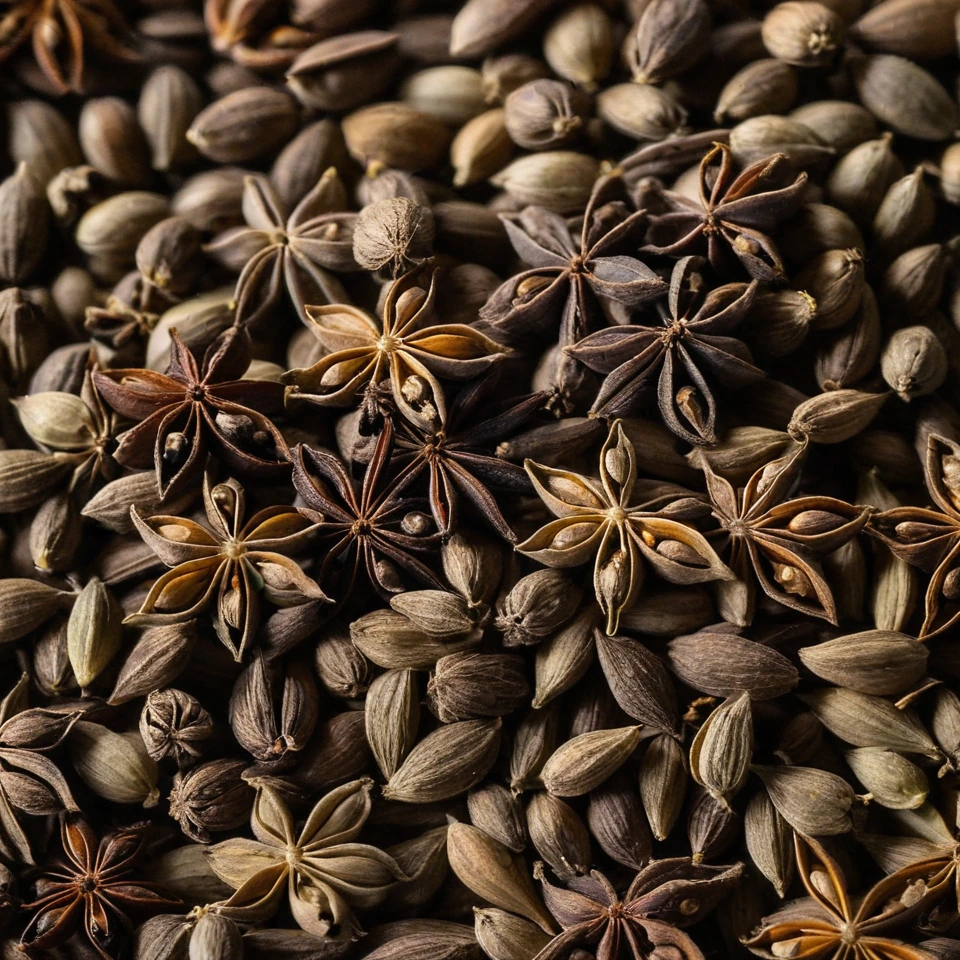
Anise Seeds
Anise seeds are small, oval seeds with a sweet, licorice-like flavor. They are commonly used in both sweet and savory dishes, offering a warm, aromatic taste.
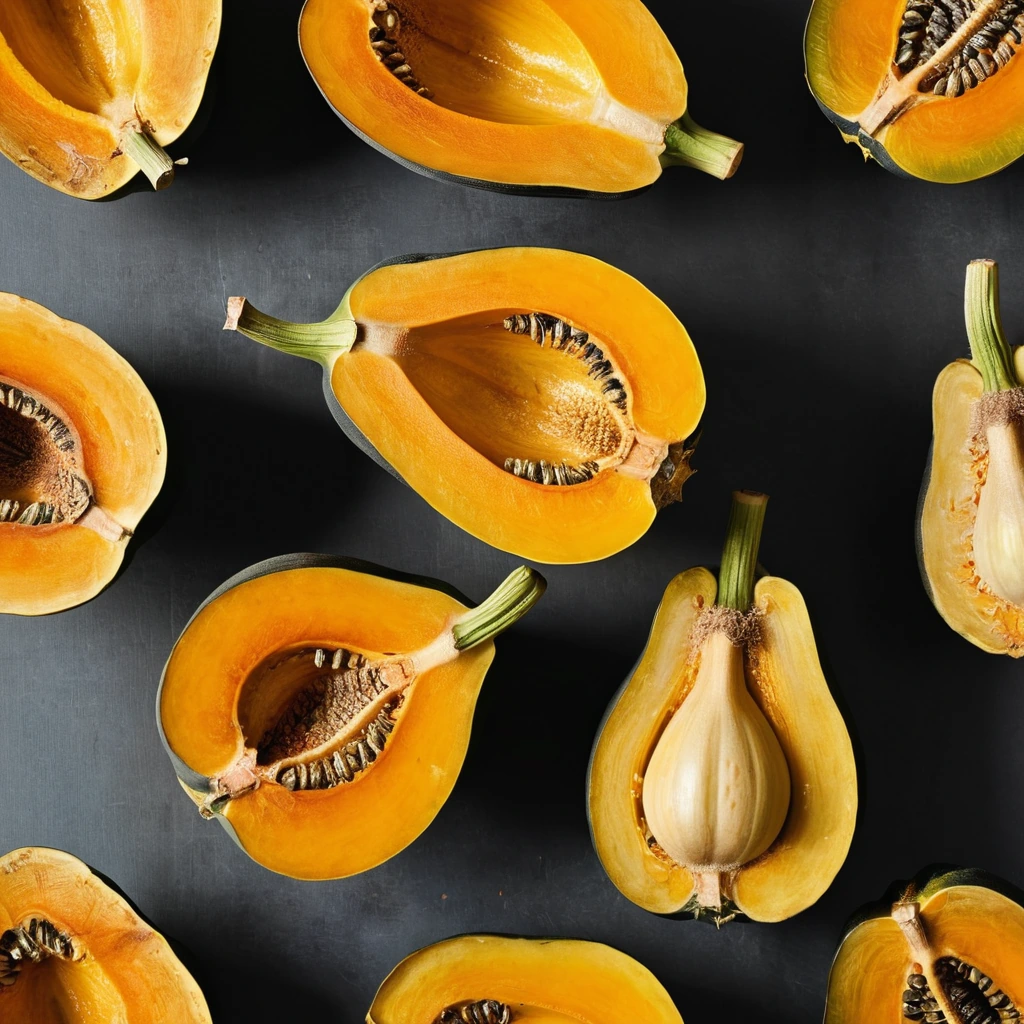
Acorn Squash
Acorn squash is a winter squash variety known for its distinctive teardrop shape and deep ridges resembling the texture of an acorn shell. Originating in the Americas, it has been cultivated for centuries and is a staple in autumn cuisine. The flesh is sweet and nutty with a hint of earthiness, offering a delightful contrast to savory dishes. Its texture is dense yet tender when cooked, making it ideal for roasting or pureeing. In cooking, acorn squash holds its shape well and absorbs flavors from herbs and spices, enhancing both its taste and versatility in recipes.
Recipes to try
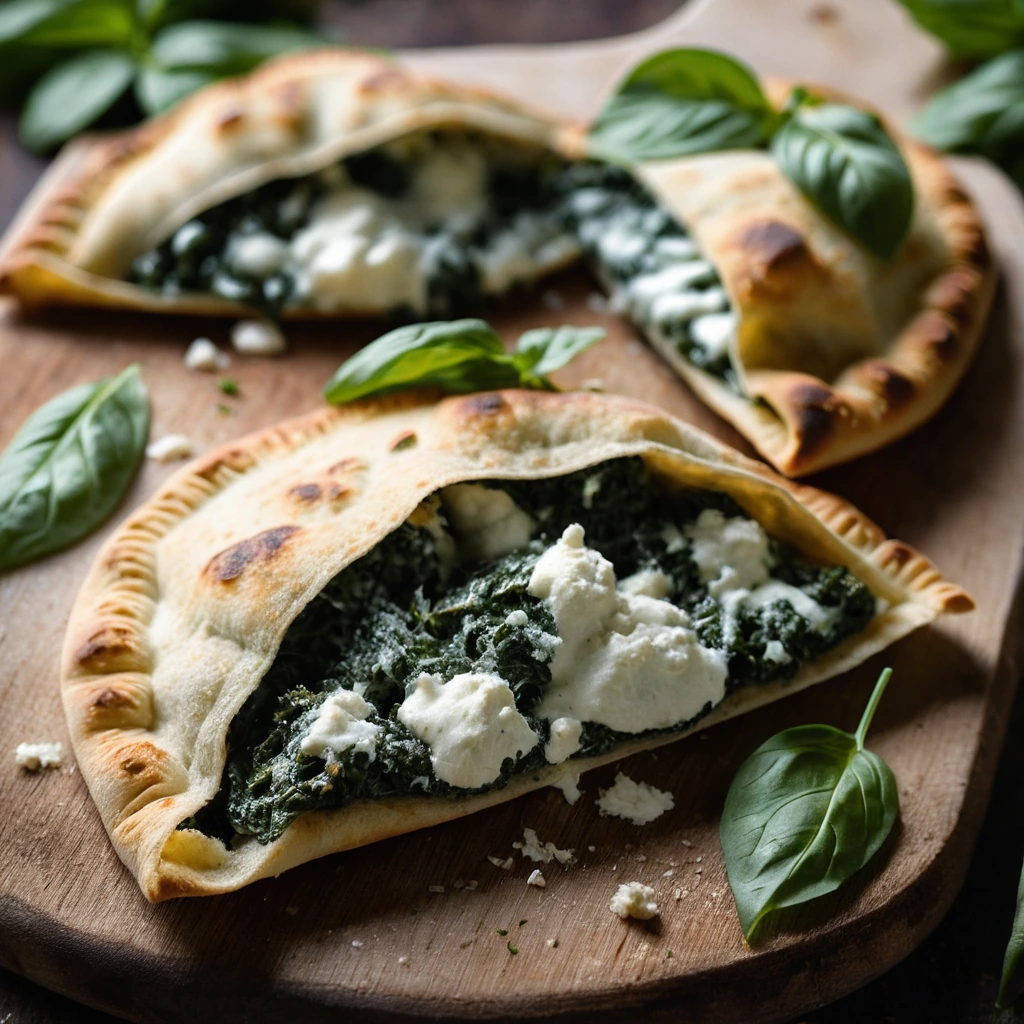
Spinach and Ricotta Stuffed Pizza Pockets
Golden, crispy pockets filled with a creamy ricotta and spinach blend that'll have you reaching for seconds.

Sheet Pan Chicken Tikka with Garlic Potatoes
Juicy chicken and golden potatoes roasted to perfection on one sheet pan, infused with smoky tikka spices and garlicky goodness.