Grain Technique: Using the Pilaf Method with Any Grain
The pilaf method is a classic cooking technique that transforms ordinary grains into fluffy, aromatic side dishes. Unlike simple boiling, pilaf involves toasting the grains first, which enhances their nutty flavor and texture. This method is versatile, working beautifully with rice, quinoa, barley, or even wild rice. The secret lies in the initial sauté, which creates a barrier around each grain, preventing it from becoming mushy. The gentle simmering that follows allows the grains to absorb flavorful broth or water evenly. Whether you're a novice cook or a seasoned home chef, mastering the pilaf method will elevate your grain dishes to restaurant quality. It's all about understanding the importance of each step: from toasting the grains to simmering them just right. We'll explore how this technique works, why it's so effective, and share tips to ensure your pilaf turns out perfectly every time.
Notes
The pilaf method works by first coating the grains in fat, which helps prevent them from sticking together and becoming mushy. The toasting step also amplifies the natural nutty flavors. If your pilaf is too dry, you might not have used enough liquid; grains typically require a 2:1 ratio of liquid to grain, but this can vary. If it's too wet, you may have overcooked it or used too much liquid. Keep an eye on the cooking time, especially if using a different type of grain. For make-ahead, cook the pilaf and let it cool completely before refrigerating in an airtight container for up to 3 days. Reheat gently with a splash of broth to restore moisture.
Steps
- 1 Heat 2 tablespoons of butter or oil in a medium saucepan over medium heat.
- 2 Add 1 diced onion or aromatic of choice and sauté until translucent, about 3-4 minutes.
- 3 Stir in 1 cup of your chosen grain and toast, stirring frequently, until lightly golden, about 2-3 minutes.
- 4 Pour in 2 cups of broth or water, bringing it to a gentle boil.
- 5 Season with 1 teaspoon of salt, or to taste, and any additional herbs or spices.
- 6 Reduce heat to low, cover the saucepan with a tight-fitting lid, and simmer undisturbed.
- 7 Cook for 15-20 minutes, depending on the grain type, until liquid is absorbed and grains are tender.
- 8 Remove from heat and let stand, covered, for 5 minutes to steam.
- 9 Fluff the grains gently with a fork before serving.
Ingredients to explore
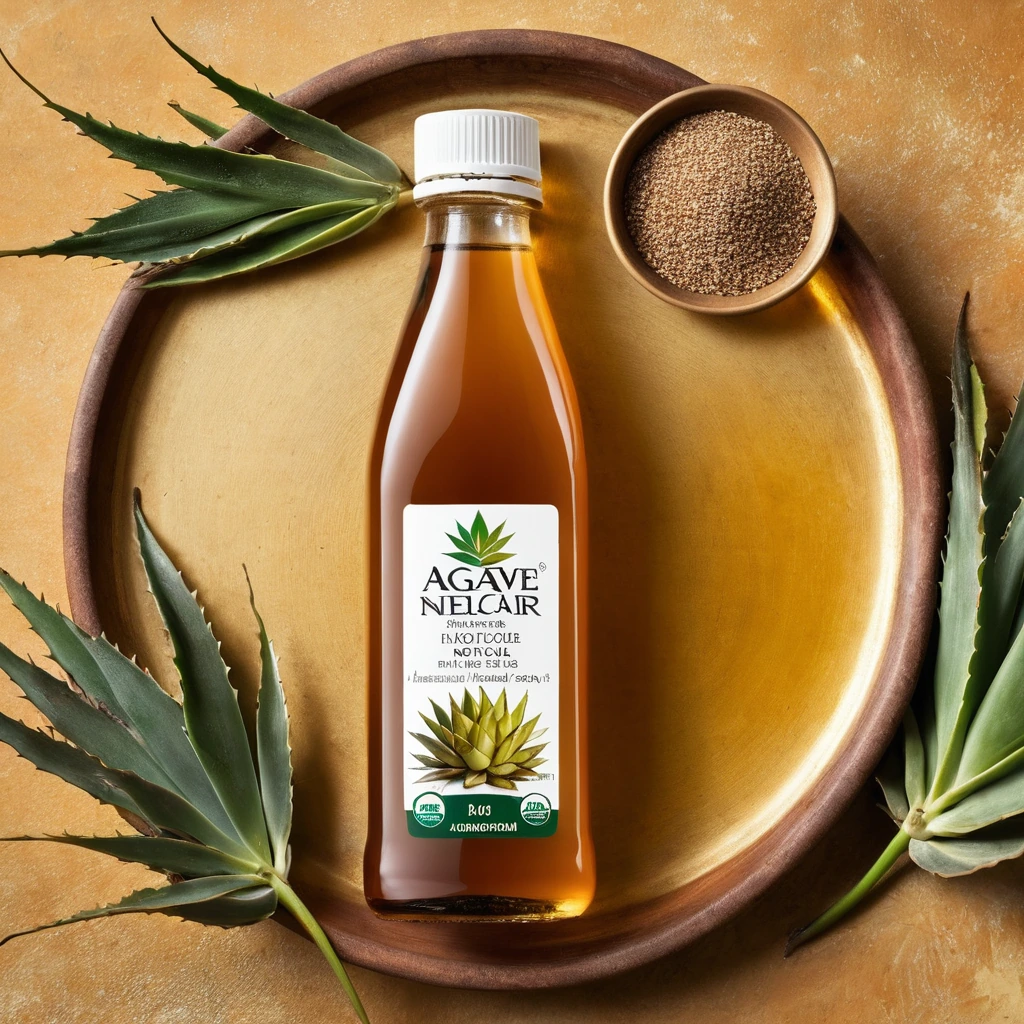
Agave Nectar
A golden, velvety sweetener derived from the agave plant, offering a subtly sweet flavor with a smooth, syrup-like texture.
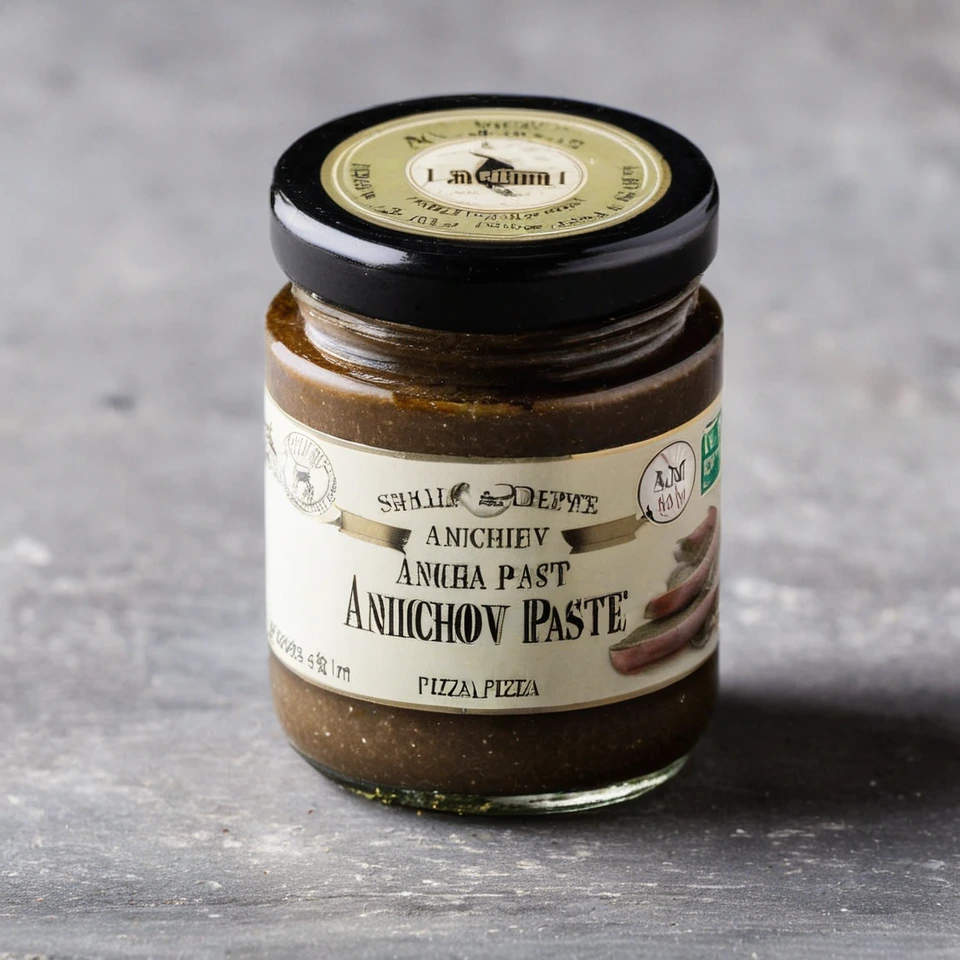
Anchovy Paste
Anchovy paste is a rich, salty spread made from finely ground anchovies, salt, and sometimes olive oil. It offers a deep umami flavor that enhances a variety of dishes.
Recipes to try
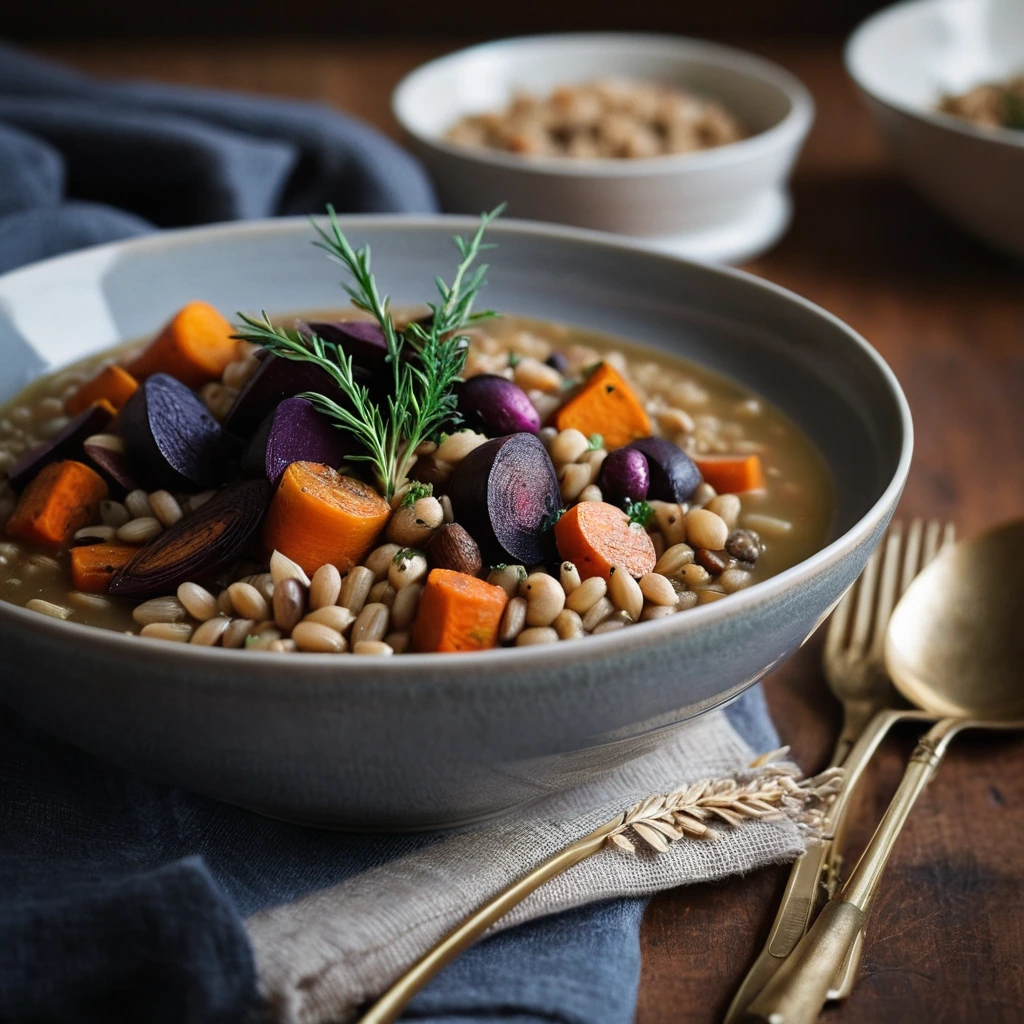
Roasted Root Vegetable and Barley Stew
Hearty and deeply flavorful, this stew marries caramelized root veggies with chewy barley for a comforting bowlful of warmth.
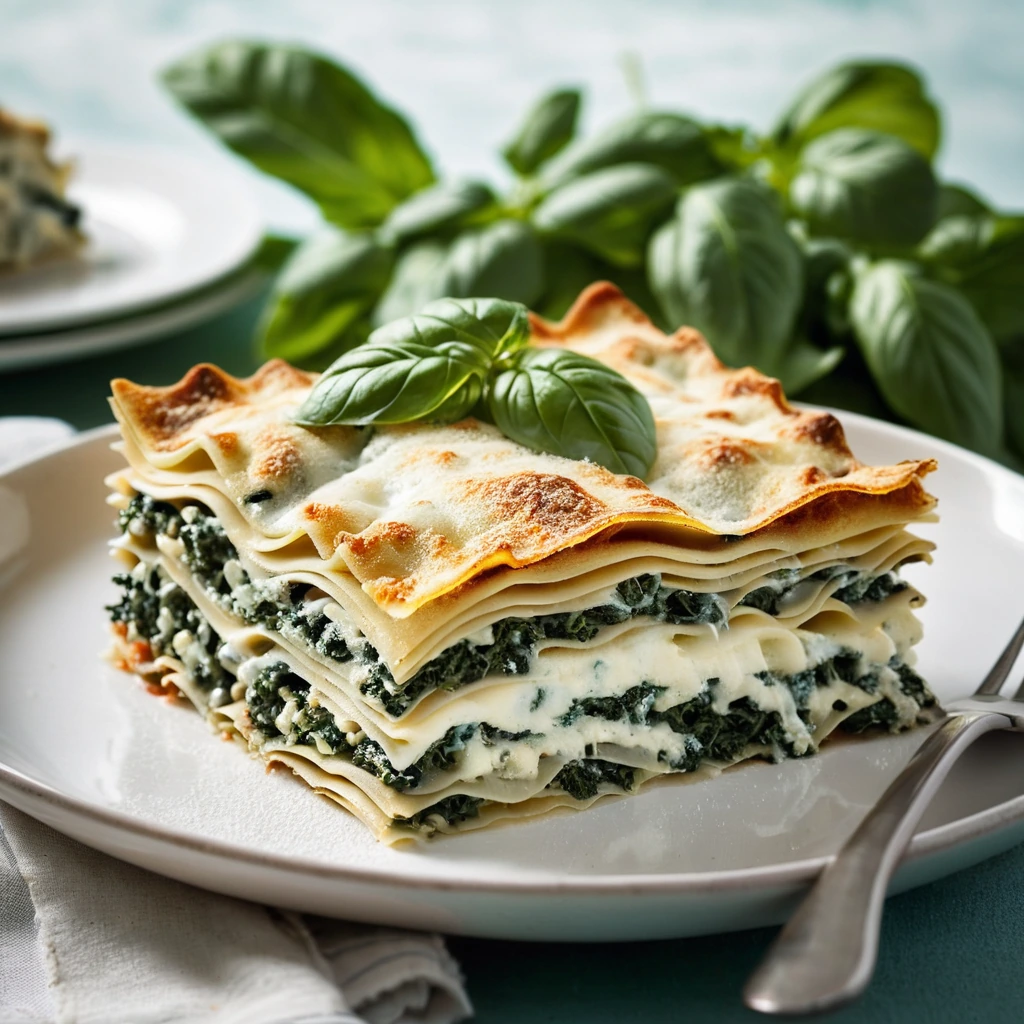
Vegetable Lasagna with Spinach and Ricotta
Layers of tender pasta, creamy ricotta, and a vibrant mix of spinach and veggies come together in a comforting, cheesy casserole.