Everyday Baking: Cooling Cookies on the Pan vs Rack
When it comes to baking cookies, the cooling process is just as crucial as the baking itself. Deciding whether to cool cookies on the pan or transfer them to a rack can significantly impact their texture and appearance. Cooling cookies on the pan allows them to continue baking slightly from residual heat, which can lead to a crispier cookie. On the other hand, cooling on a rack promotes air circulation around the cookie, preventing sogginess and encouraging even cooling. This technique dives into the science behind these methods, offering insights into how each approach affects your cookies. Whether you prefer the chewy texture of rack-cooled cookies or the crisp perfection of pan-cooled ones, understanding these processes will elevate your baking game. Learn about the ideal conditions for each method, troubleshooting tips, and how to adapt your cooling strategy based on the type of cookie you're making.
Notes
The science behind cooling cookies lies in heat transfer and moisture retention. Cooling on a pan leverages residual heat to set the cookie's structure, often resulting in a crisper exterior. Rack cooling allows for convection, where air circulates around the cookie, preventing moisture accumulation and promoting a chewier texture. Common mistakes include cooling cookies too quickly, leading to a lack of structure, or leaving them too long on a hot pan, causing over-browning. For safety, always use oven mitts when handling hot pans and ensure racks are stable to prevent tipping. Cookies can be stored at room temperature in an airtight container for up to 3 days. For make-ahead convenience, cool cookies completely before storing.
Steps
- 1 Preheat oven to 350°F.
- 2 Bake cookies according to your recipe's instructions.
- 3 Remove cookies from oven using oven mitts.
- 4 For pan cooling, leave cookies on the baking sheet for 5 minutes.
- 5 Observe how cookies firm up and continue to cook slightly on the hot pan.
- 6 For rack cooling, immediately transfer cookies to a wire rack using a spatula.
- 7 Allow cookies to cool completely on the rack, ensuring air circulates around each cookie.
- 8 Check cookies for desired texture after cooling.
- 9 Repeat process for subsequent batches, adjusting cooling method as desired.
- 10 Serve or store cookies once they reach room temperature.
- 11 Experiment with cooling times to find your preferred texture.
- 12 Consider the cookie type: delicate cookies may need rack cooling to prevent breakage.
- 13 For crispier cookies, extend pan cooling time slightly.
- 14 For chewier cookies, prioritize rack cooling to avoid over-crisping.
Ingredients to explore
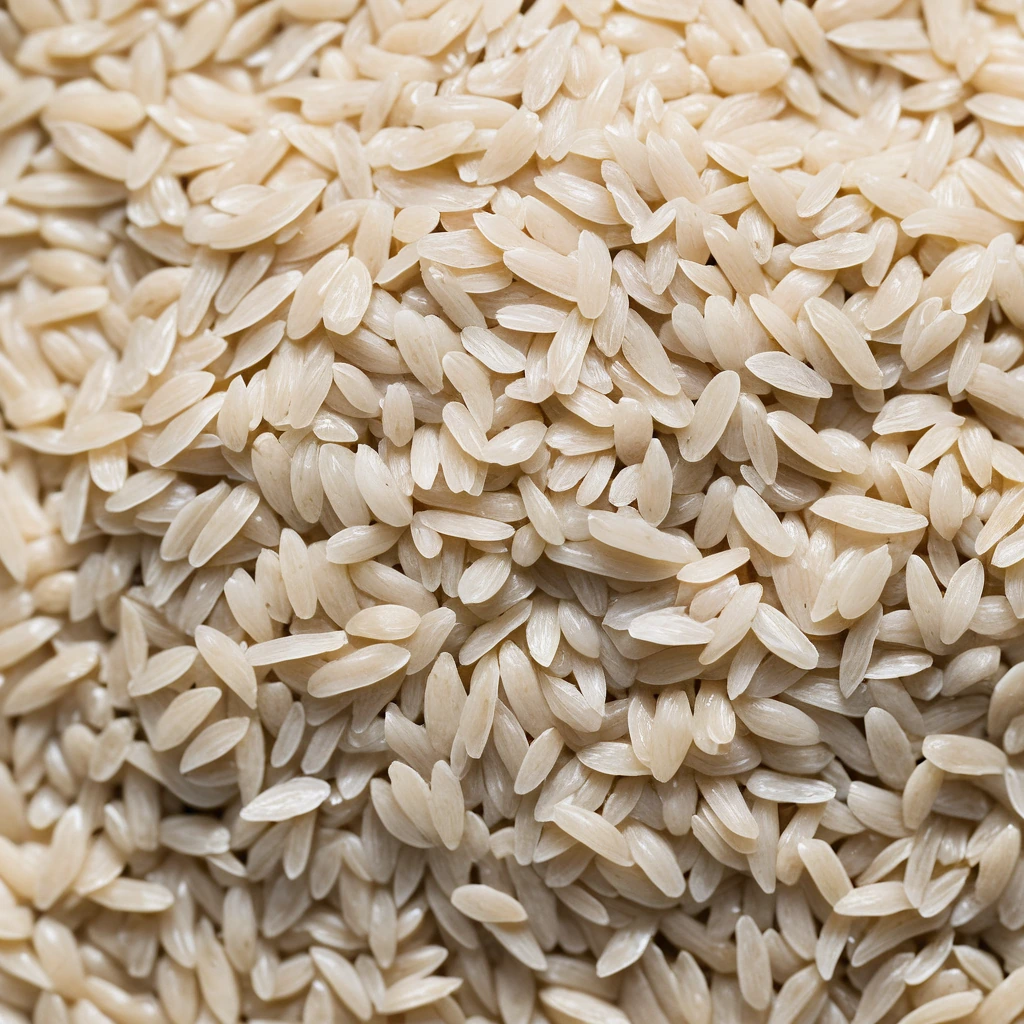
Arborio Rice
Arborio rice is a short-grain Italian rice variety renowned for its use in risotto. Originating from the Po Valley in Northern Italy, it is a staple in Italian cuisine. Its flavor is mild and nutty, with a pleasant creamy texture when cooked due to its high amylopectin content, which releases starch and creates a velvety consistency. The grains remain plump and firm to the bite, offering a satisfying chewiness. In cooking, Arborio rice excels at absorbing flavors from broths and seasonings while maintaining its shape, making it ideal for dishes that require both creaminess and structure.
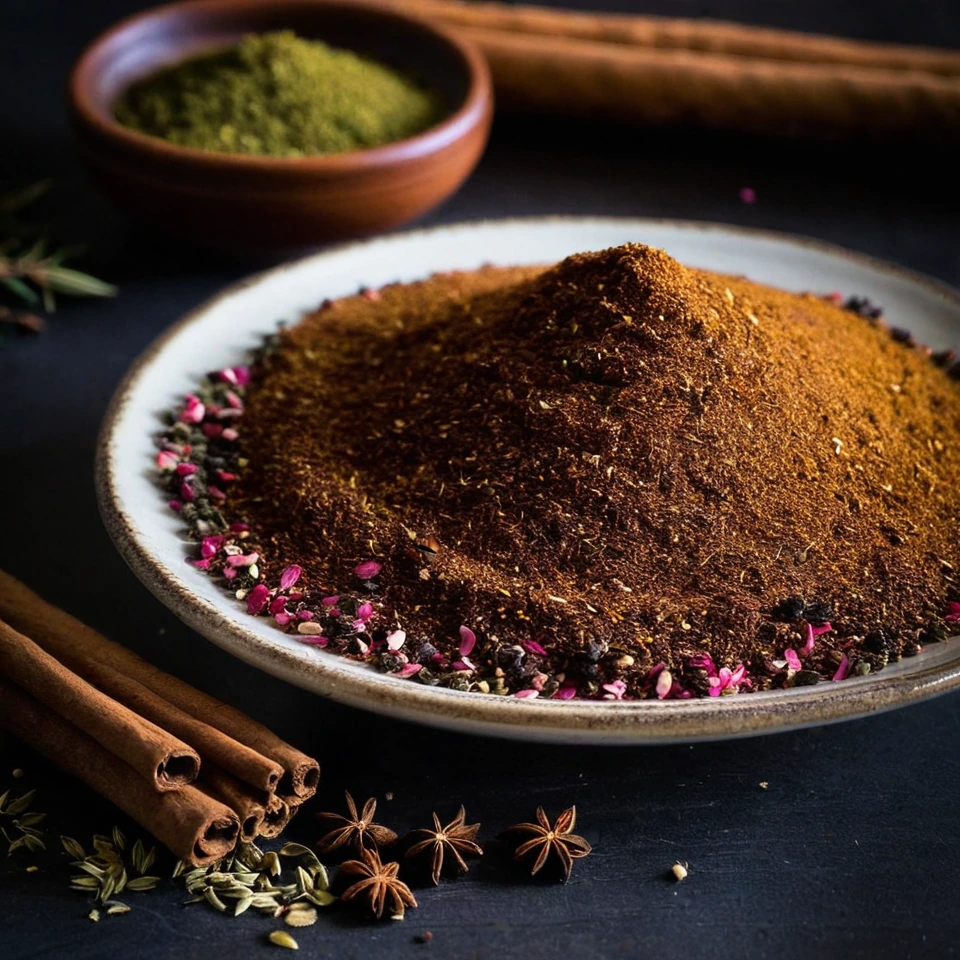
Advieh (Persian Spice Blend)
Advieh is a fragrant Persian spice blend that boasts a complex aroma of warm cinnamon, earthy cumin, and floral hints of rose and saffron. Its texture is finely ground, making it easy to incorporate into dishes. Originating from the rich culinary traditions of Iran, advieh adds depth and sophistication to both savory and sweet recipes. Its unique combination of spices reflects the historical spice trade routes that influenced Persian cuisine.