Egg Technique: Poaching Eggs with Neat Whites
Poaching eggs can seem like a culinary enigma, but with the right technique, you can achieve perfectly poached eggs with neat whites every time. The key is to control the egg white's dispersal in the water, ensuring a clean, round shape that encapsulates the yolk. This technique starts by preparing your ingredients and tools properly. Crack your eggs into individual ramekins to ensure easy transfer into the water. Adding a splash of vinegar to the water helps the egg whites coagulate faster, maintaining their structure. Fresh eggs are preferable because their whites have a higher protein content and are less likely to spread. Bringing the water to a gentle simmer, rather than a rolling boil, is crucial to prevent the eggs from breaking apart. Using a slotted spoon to swirl the water creates a vortex that encourages the egg whites to wrap around the yolk. With patience and precision, you can master this technique and elevate your breakfast game with restaurant-quality poached eggs.
Notes
The science behind neat egg whites lies in protein coagulation. At around 140°F, egg proteins begin to coagulate, forming a solid structure. Vinegar helps lower the pH of the water, aiding in this process. A common mistake is using water that's too hot; a gentle simmer is key to prevent whites from dispersing. For safety, ensure your eggs are fresh and your water is clean. Poached eggs can be made ahead and gently reheated in simmering water, but they are best enjoyed fresh. Store unused eggs in their shells in the refrigerator for up to a week.
Steps
- 1 Fill a medium saucepan with 2-3 inches of water and add 1 tablespoon of white vinegar.
- 2 Heat the water over medium heat until it reaches a gentle simmer (around 160°F).
- 3 Crack each egg into a separate ramekin or small bowl.
- 4 Use a spoon to stir the water in a circular motion to create a gentle vortex.
- 5 Gently slide one egg from its ramekin into the center of the vortex.
- 6 Allow the egg to cook undisturbed for 3-4 minutes, depending on desired yolk runniness.
- 7 Use a slotted spoon to carefully remove the egg from the water.
- 8 Transfer the egg to a paper towel-lined plate to drain excess water.
- 9 Repeat with remaining eggs, ensuring the water returns to a simmer between each egg.
- 10 Serve immediately with your favorite breakfast dishes.
Ingredients to explore
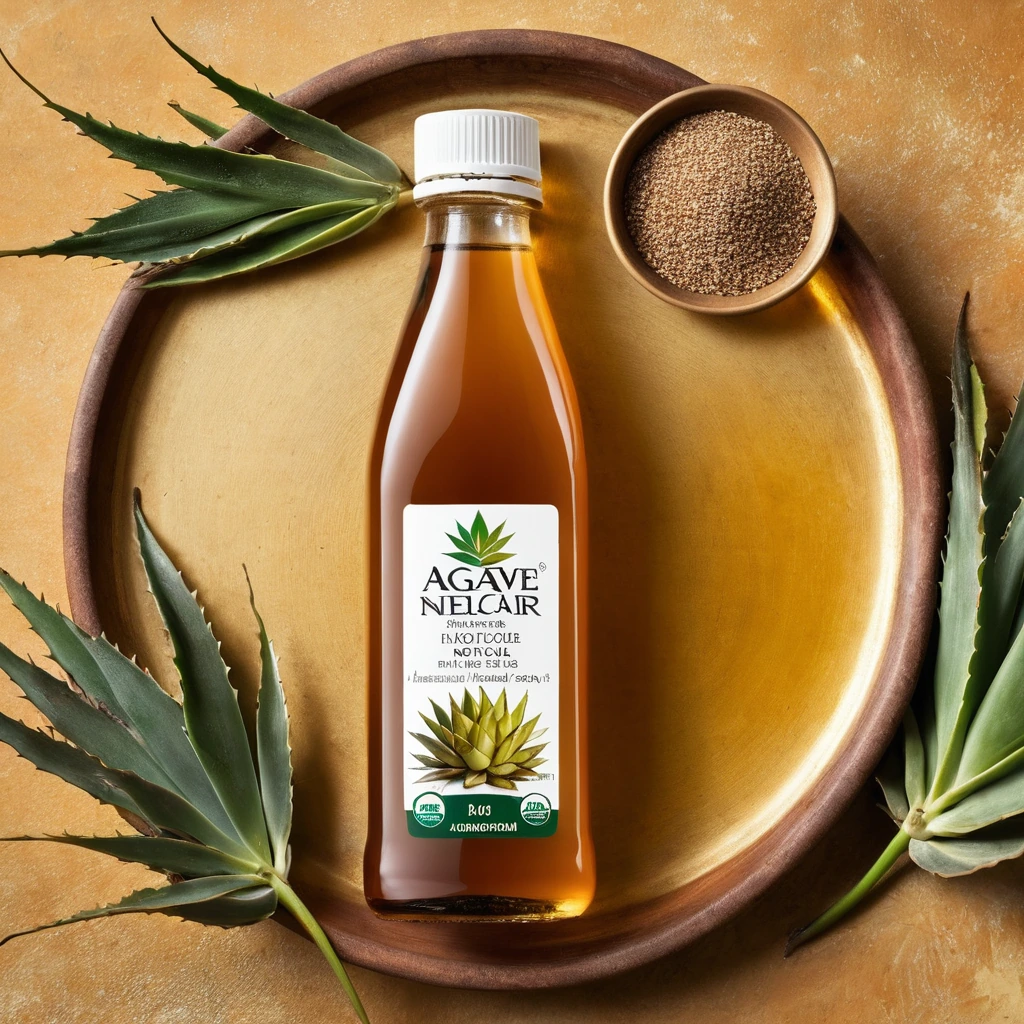
Agave Nectar
A golden, velvety sweetener derived from the agave plant, offering a subtly sweet flavor with a smooth, syrup-like texture.
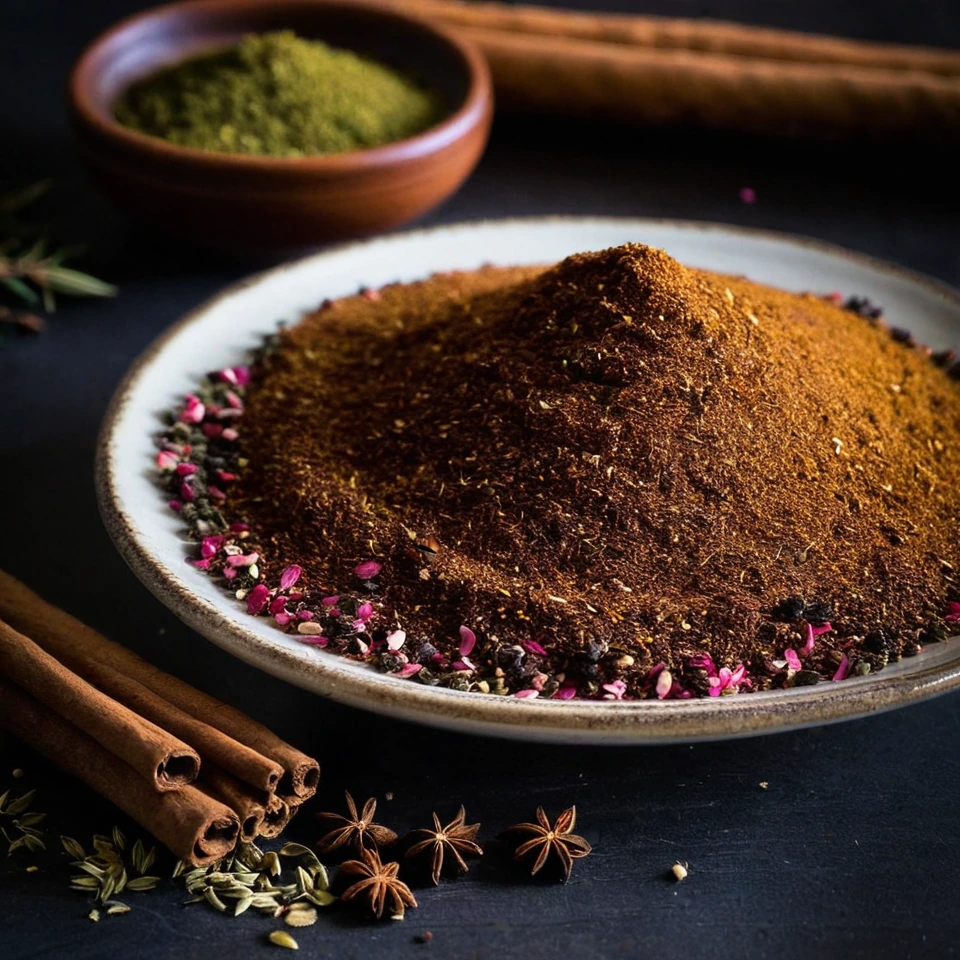
Advieh (Persian Spice Blend)
Advieh is a fragrant Persian spice blend that boasts a complex aroma of warm cinnamon, earthy cumin, and floral hints of rose and saffron. Its texture is finely ground, making it easy to incorporate into dishes. Originating from the rich culinary traditions of Iran, advieh adds depth and sophistication to both savory and sweet recipes. Its unique combination of spices reflects the historical spice trade routes that influenced Persian cuisine.
Recipes to try

Smoky BBQ Ground Beef and Cornbread Skillet
Imagine the rich smokiness of BBQ sauce mingling with tender ground beef atop golden, crumbly cornbread in a skillet.
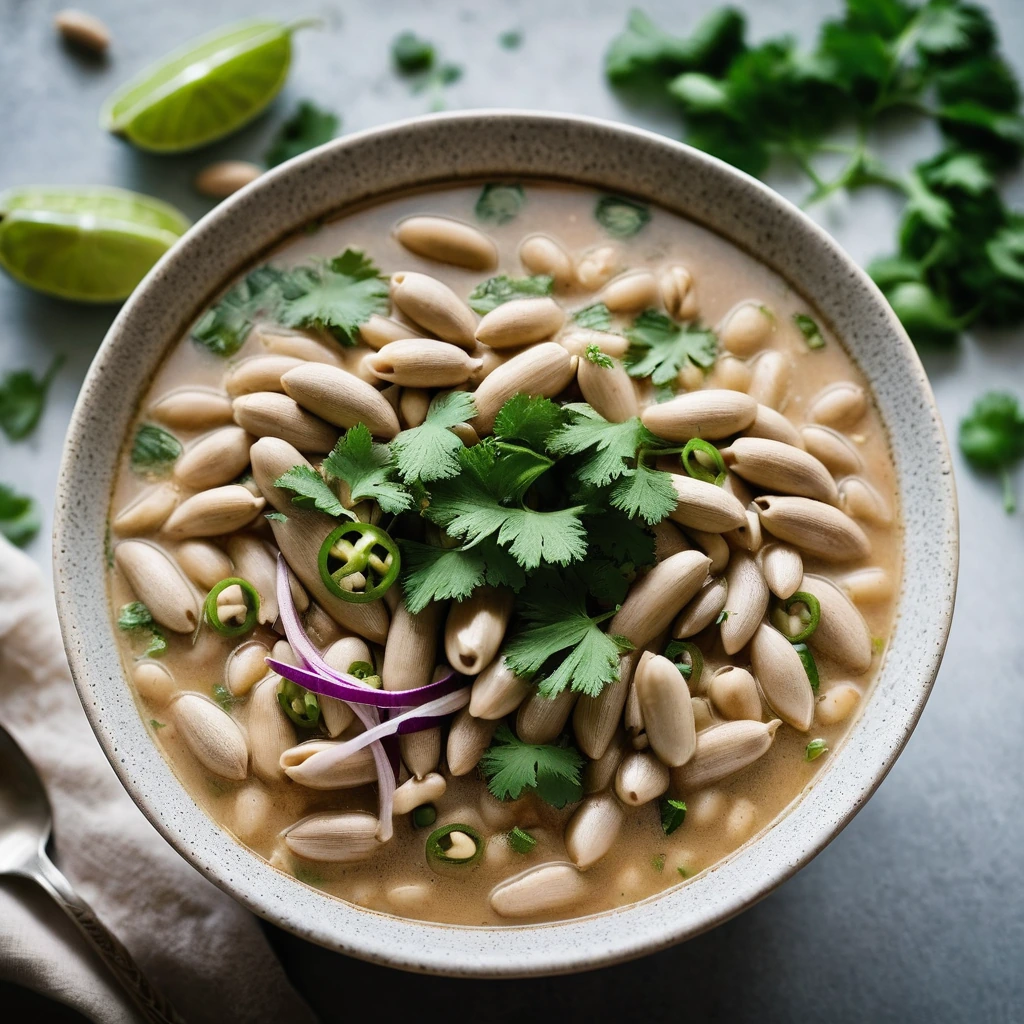
White Bean Chicken Chili with Green Chiles
A hearty, creamy chili brimming with tender chicken, buttery white beans, and a kick of smoky green chiles.