Egg Technique: Hard-Boiling Eggs with Easy-Peel Shells
Hard-boiling eggs might seem straightforward, but achieving perfectly cooked eggs with shells that slip off effortlessly is an art. The key lies in understanding the chemistry of eggs and applying precise cooking techniques. Fresh eggs are notoriously difficult to peel because their pH is lower, causing the egg white to bond tightly to the shell membrane. Aging eggs slightly or adding baking soda to the water raises the pH, making peeling a breeze. Furthermore, starting the eggs in cold water and bringing them to a gentle boil ensures even cooking, preventing the dreaded green ring around the yolk. This technique covers all these nuances to deliver eggs that are tender, flavorful, and a cinch to peel.
Notes
The baking soda increases the pH of the cooking water, loosening the bond between the egg white and the shell membrane, which is why peeling becomes easier. Avoid overcooking the eggs, as this can lead to a greenish-gray ring around the yolk, caused by a reaction between the iron in the yolk and sulfur in the white. If you find shells particularly stubborn, let the eggs age in the refrigerator for a week before cooking, as older eggs have a higher pH and are easier to peel. For storage, keep hard-boiled eggs in their shells in the refrigerator for up to one week. Always ensure eggs are fully submerged in water during cooking to prevent cracking and uneven cooking.
Steps
- 1 Place eggs in a single layer at the bottom of a saucepan.
- 2 Add enough cold water to cover the eggs by 1 inch.
- 3 Add 1 teaspoon of baking soda to the water.
- 4 Place the saucepan over medium heat and bring the water to a gentle boil.
- 5 Once boiling, cover the saucepan and remove it from the heat.
- 6 Let the eggs sit, covered, for 9 minutes for medium yolks or 12 minutes for firmer yolks.
- 7 Prepare a bowl of ice water while the eggs are cooking.
- 8 After the eggs have sat, transfer them immediately to the ice water bath for at least 5 minutes.
- 9 Gently tap each egg on a hard surface to crack the shell all over.
- 10 Start peeling the eggs under cool running water, beginning at the wider end.
- 11 Peel away the shell and membrane under the water, ensuring smooth removal.
- 12 Pat the peeled eggs dry with a clean towel.
- 13 Store the eggs in the refrigerator until ready to use.
- 14 Check for any missed shell fragments before serving.
Ingredients to explore
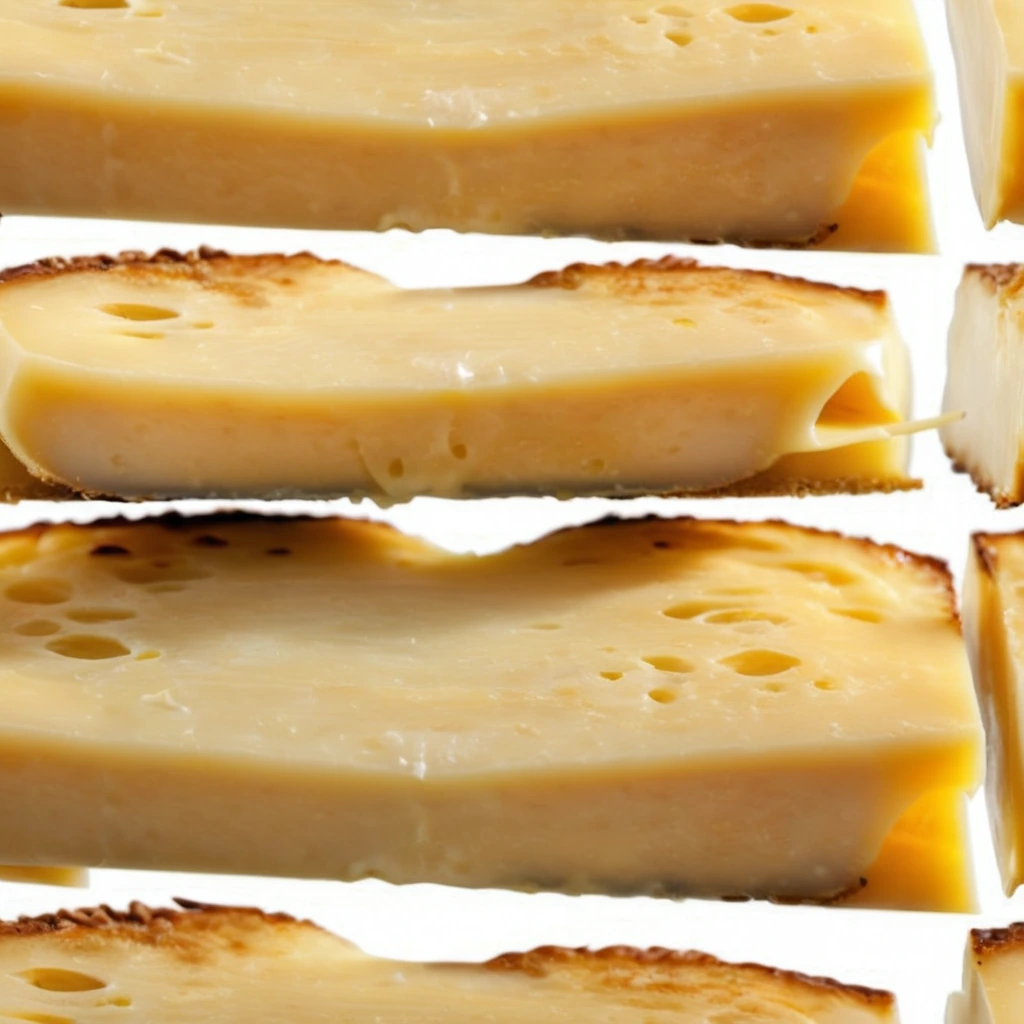
American Cheese Slices
Those iconic, perfectly pliable slices of creamy, mild American cheese. Each slice boasts a smooth, melt-in-your-mouth texture that brings comfort to any dish.
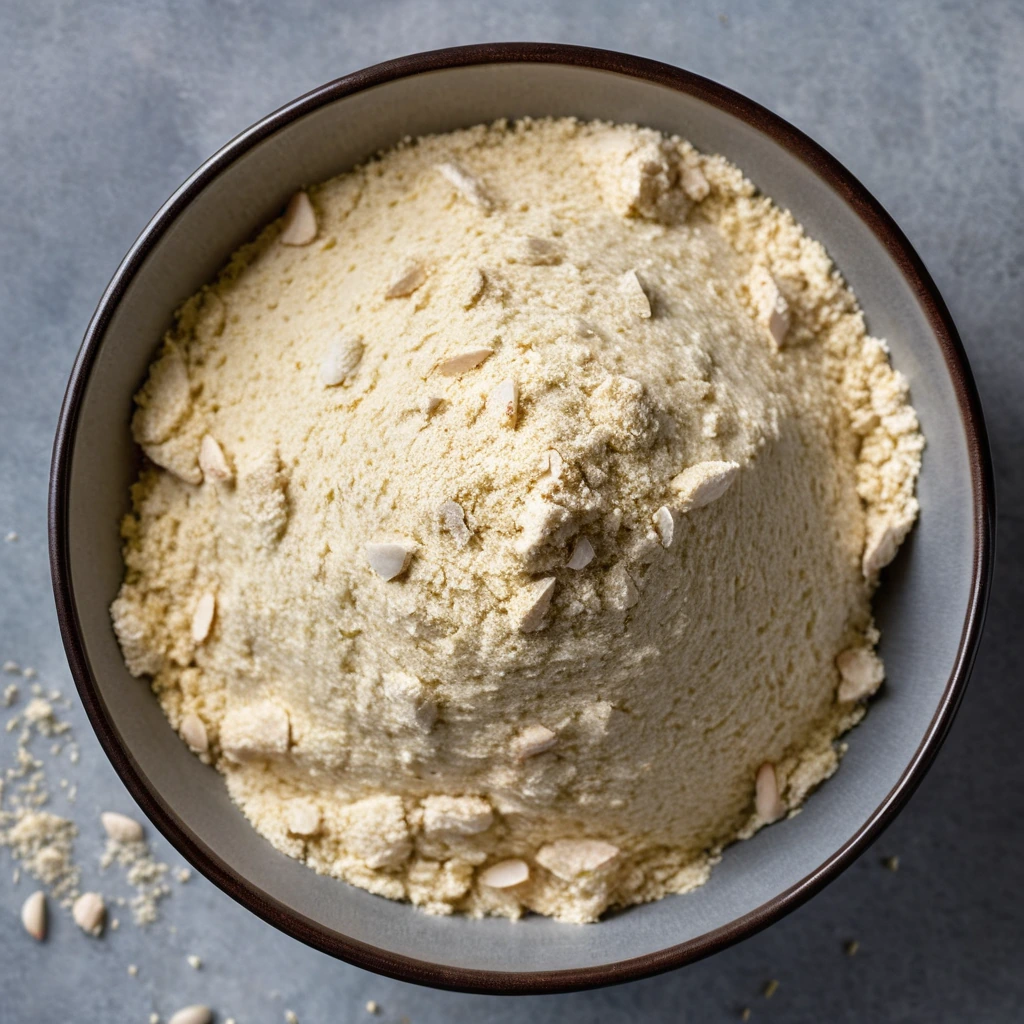
Almond Flour
A finely ground flour made from blanched almonds, offering a delicate nutty aroma and a tender crumb to your baked goods.
Recipes to try
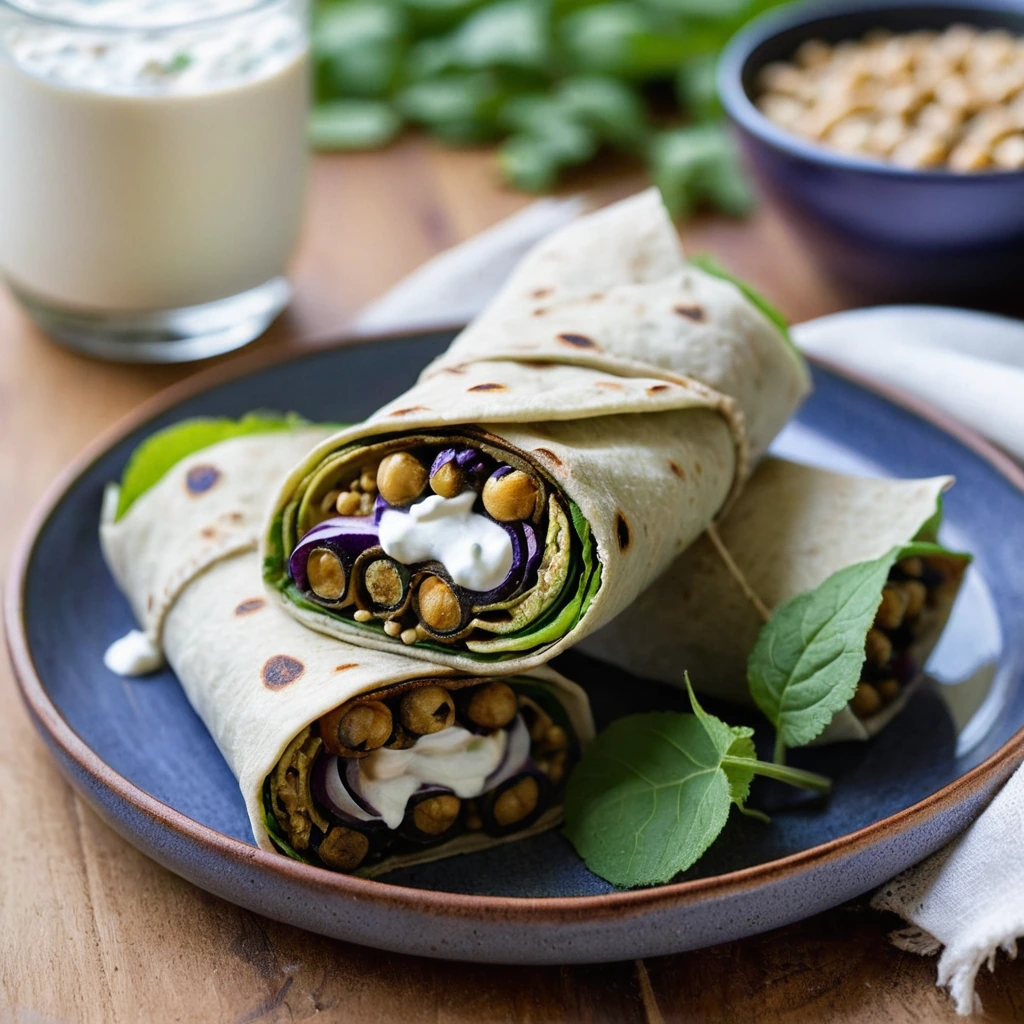
Roasted Eggplant and Chickpea Wraps with Yogurt
Creamy yogurt swirls with smoky roasted eggplant and hearty chickpeas, all wrapped in a warm tortilla for a veggie-packed meal.

Pumpkin and Sweet Potato Bisque
Creamy and comforting, this bisque marries the earthy sweetness of pumpkin with the subtle nuttiness of sweet potato.