Condiments: Building a Burger Sauce from Pantry Staples
Creating a burger sauce from pantry staples is a delightful exercise in culinary creativity that allows you to customize your burger experience. A good burger sauce isn’t just about adding moisture; it’s about enhancing the flavor profile of your creation. Starting with a base of mayonnaise, you can transform it into a tangy, creamy, or spicy sauce with just a few ingredients you likely already have at home. Mustard adds a zesty kick, while pickle relish contributes tanginess and crunch. Hot sauce brings the heat, and Worcestershire sauce adds depth and umami. This technique is versatile, encouraging you to experiment with proportions until you find your perfect balance. Moreover, making your own sauce allows you to control the ingredients, ensuring freshness and avoiding preservatives. By understanding the role each component plays, you can adjust the sauce to suit any burger style, from classic cheeseburgers to gourmet creations. Whether you’re craving something smoky, herby, or garlicky, the foundation is simple: start with mayonnaise and build upon it. This guide will walk you through creating a balanced, flavorful sauce that will elevate your burgers to new heights.
Notes
The science behind this sauce is simple yet profound: mayonnaise acts as an emulsifier, binding all the ingredients together while providing a creamy texture. Mustard contains acetic acid, which helps preserve the sauce and adds tanginess. The hot sauce isn't just for heat; it contributes a layer of complexity with its vinegary base. Worcestershire sauce, with its fermented ingredients, boosts umami, enhancing the savory notes. Common mistakes include over-seasoning or not refrigerating the sauce long enough to let the flavors develop. For safety, always use clean utensils and containers to prevent contamination. To make ahead, prepare the sauce a day before serving for optimal flavor. Store in an airtight container and it will keep well in the fridge for about a week.
Steps
- 1 Start with 1/2 cup of mayonnaise in a medium bowl.
- 2 Add 1 tablespoon of yellow mustard for a tangy base.
- 3 Stir in 1 tablespoon of pickle relish for added tang and texture.
- 4 Add 1/2 teaspoon of hot sauce if you desire a bit of spice.
- 5 Include 1 teaspoon of Worcestershire sauce for depth and umami.
- 6 Mix in 1/2 teaspoon of garlic powder for a savory kick.
- 7 Season with salt and black pepper to taste.
- 8 Whisk all ingredients together until smooth and well combined.
- 9 Taste and adjust the seasoning or spice levels as needed.
- 10 Cover and refrigerate for at least 30 minutes to allow flavors to meld.
- 11 Give the sauce a final stir before serving.
- 12 Store any leftovers in an airtight container in the fridge for up to a week.
Ingredients to explore
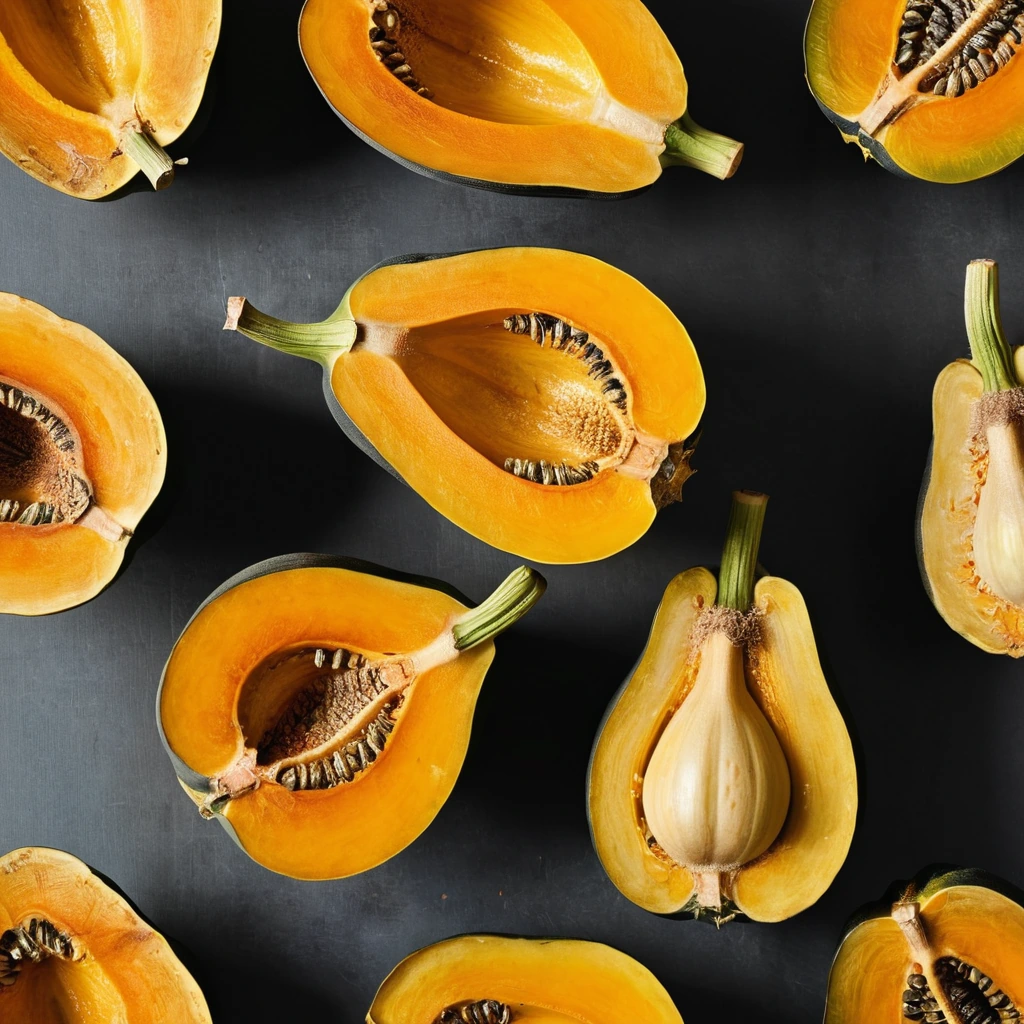
Acorn Squash
Acorn squash is a winter squash variety known for its distinctive teardrop shape and deep ridges resembling the texture of an acorn shell. Originating in the Americas, it has been cultivated for centuries and is a staple in autumn cuisine. The flesh is sweet and nutty with a hint of earthiness, offering a delightful contrast to savory dishes. Its texture is dense yet tender when cooked, making it ideal for roasting or pureeing. In cooking, acorn squash holds its shape well and absorbs flavors from herbs and spices, enhancing both its taste and versatility in recipes.
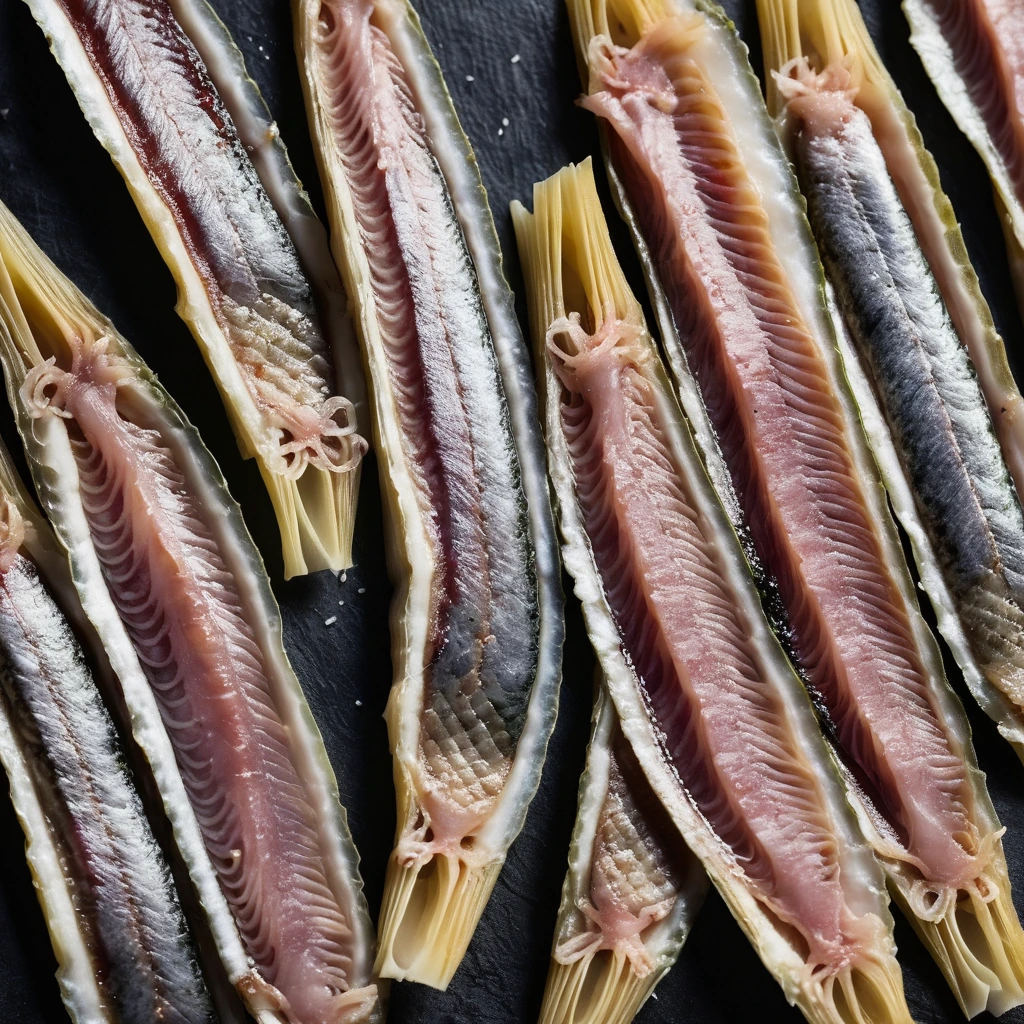
Anchovy Fillets
Silvery and succulent, anchovy fillets are a briny treasure from the sea. Their rich, umami flavor adds depth to dishes, making them a beloved ingredient in kitchens worldwide.
Recipes to try

Sweet Potato and Black Bean Loaded Nachos
Crispy tortilla chips piled high with roasted sweet potatoes, black beans, and melty cheese, all topped with fresh cilantro and a zesty lime kick.
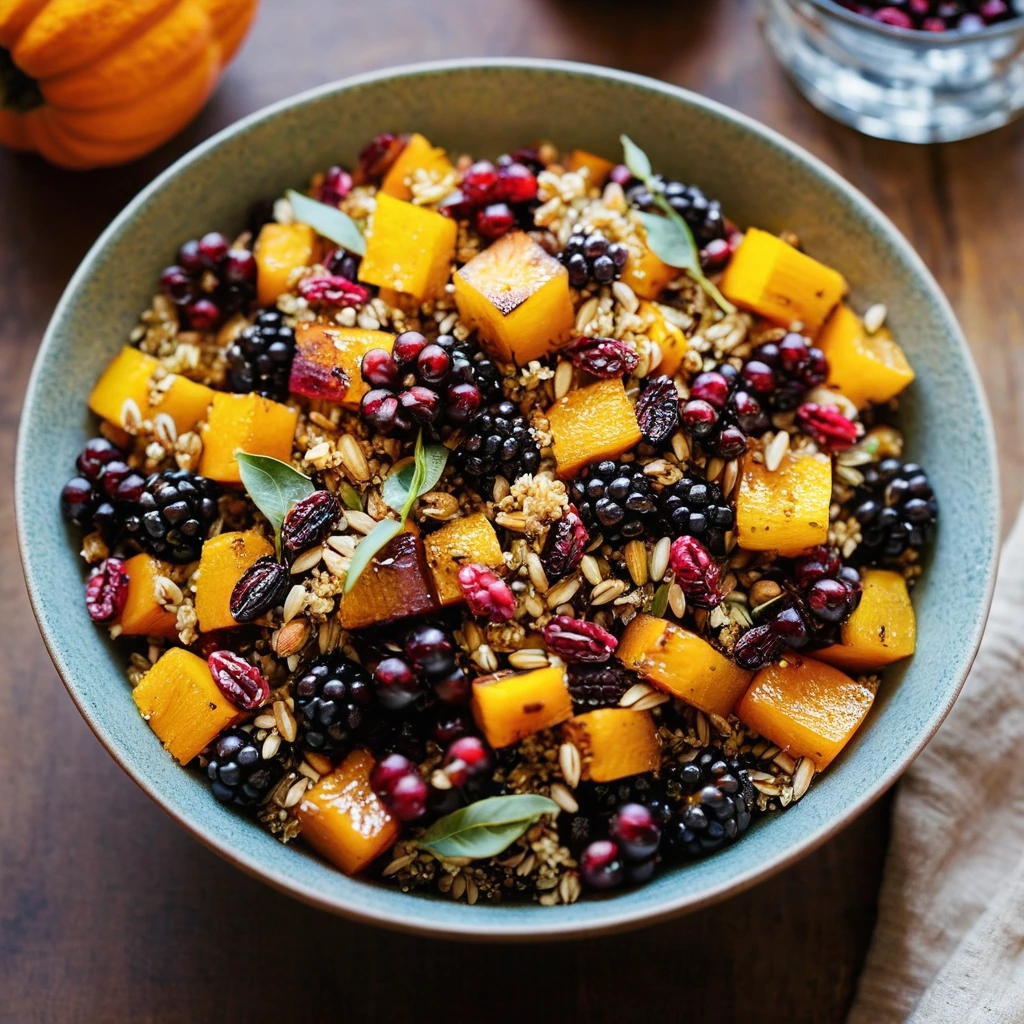
Warm Quinoa Salad with Roasted Squash and Cranberries
A cozy mix of nutty quinoa, tender roasted squash, and sweet cranberries makes this salad a fall favorite.