Bread Technique: Handling High-Hydration Doughs Confidently
High-hydration doughs can seem intimidating to the home baker, but with the right approach, they yield bread with open crumb structure and a chewy texture that's worth the effort. High-hydration doughs contain a higher proportion of water compared to flour, resulting in a stickier, more challenging dough to manage. However, mastering this technique will elevate your bread game. The key lies in understanding the dough's behavior and adjusting your handling techniques accordingly. Start by ensuring your workspace is prepped correctly—flour dusted surfaces and a bowl of water nearby for frequent hand washing are essential. When mixing, expect the dough to be shaggy and wet; resist the urge to add extra flour. Instead, embrace wetter conditions and use a dough scraper to aid in shaping and transferring. Kneading high-hydration doughs is best done with a stretch-and-fold method, which develops gluten without overworking the dough. This technique involves gently folding the dough onto itself at regular intervals, giving it time to rest in between. Proofing, or allowing the dough to rise, requires patience, as high-hydration doughs often take longer to develop. A well-floured banneton or a proofing basket lined with a floured kitchen towel will support the dough's shape during this delicate phase. Baking requires a steamy environment to achieve that coveted oven spring. Finally, mastering the art of scoring is crucial—it allows controlled expansion during baking, leading to a beautifully irregular crust pattern. With practice, you'll gain the confidence to handle these doughs with ease and produce artisan-quality loaves at home.
Notes
High-hydration doughs work because the extra water helps develop a strong gluten network, resulting in bread with a desirable open crumb structure. Troubleshooting common mistakes includes ensuring your dough doesn't tear during shaping by handling it gently and using enough flour for support but not so much that you inhibit gluten development. To prevent sticking, always have a bench scraper handy. Safety is key when creating oven steam—be cautious of hot surfaces and steam burns. For storage, allow bread to cool completely before wrapping it in a clean kitchen towel or storing it in a paper bag to maintain crust texture.
Steps
- 1 Prepare your workspace with a bowl of water and flour dusted surfaces.
- 2 Combine your ingredients in a large bowl, mixing until shaggy and wet.
- 3 Rest the dough for 20 minutes to allow flour to hydrate fully.
- 4 Perform a series of stretch-and-folds every 30 minutes for 2-3 hours.
- 5 After the final fold, cover the dough and let it rest for 30 minutes.
- 6 Shape the dough gently into a round or oblong form.
- 7 Place the shaped dough into a well-floured banneton or proofing basket.
- 8 Cover and proof the dough at room temperature for 2-4 hours, or until doubled.
- 9 Preheat your oven and a baking stone or Dutch oven to 475°F.
- 10 Score the top of the dough with a sharp blade just before baking.
- 11 Transfer the dough to the preheated oven, creating steam with a spray bottle or hot water in a pan.
- 12 Bake covered for 20 minutes, then uncover and bake for another 20-25 minutes, or until deeply golden.
- 13 Cool the bread on a wire rack completely before slicing.
Ingredients to explore
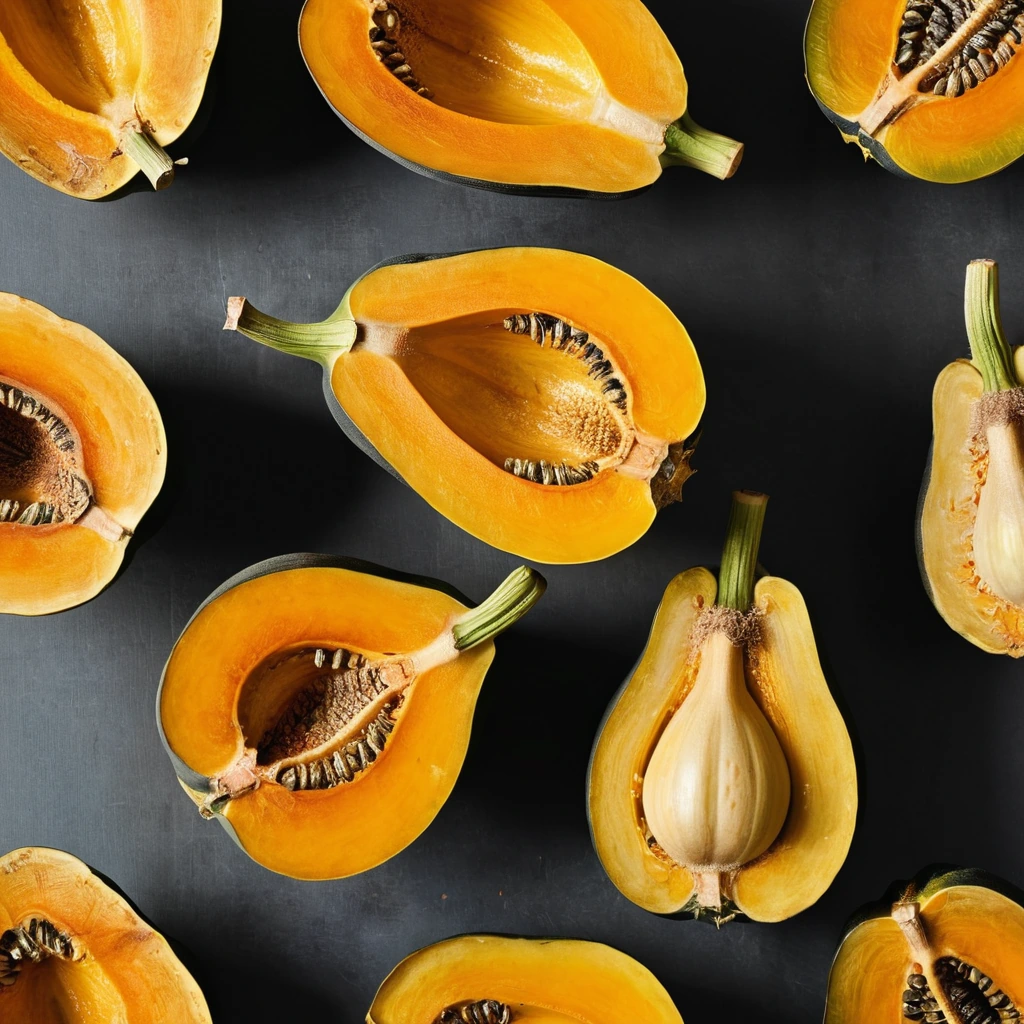
Acorn Squash
Acorn squash is a winter squash variety known for its distinctive teardrop shape and deep ridges resembling the texture of an acorn shell. Originating in the Americas, it has been cultivated for centuries and is a staple in autumn cuisine. The flesh is sweet and nutty with a hint of earthiness, offering a delightful contrast to savory dishes. Its texture is dense yet tender when cooked, making it ideal for roasting or pureeing. In cooking, acorn squash holds its shape well and absorbs flavors from herbs and spices, enhancing both its taste and versatility in recipes.
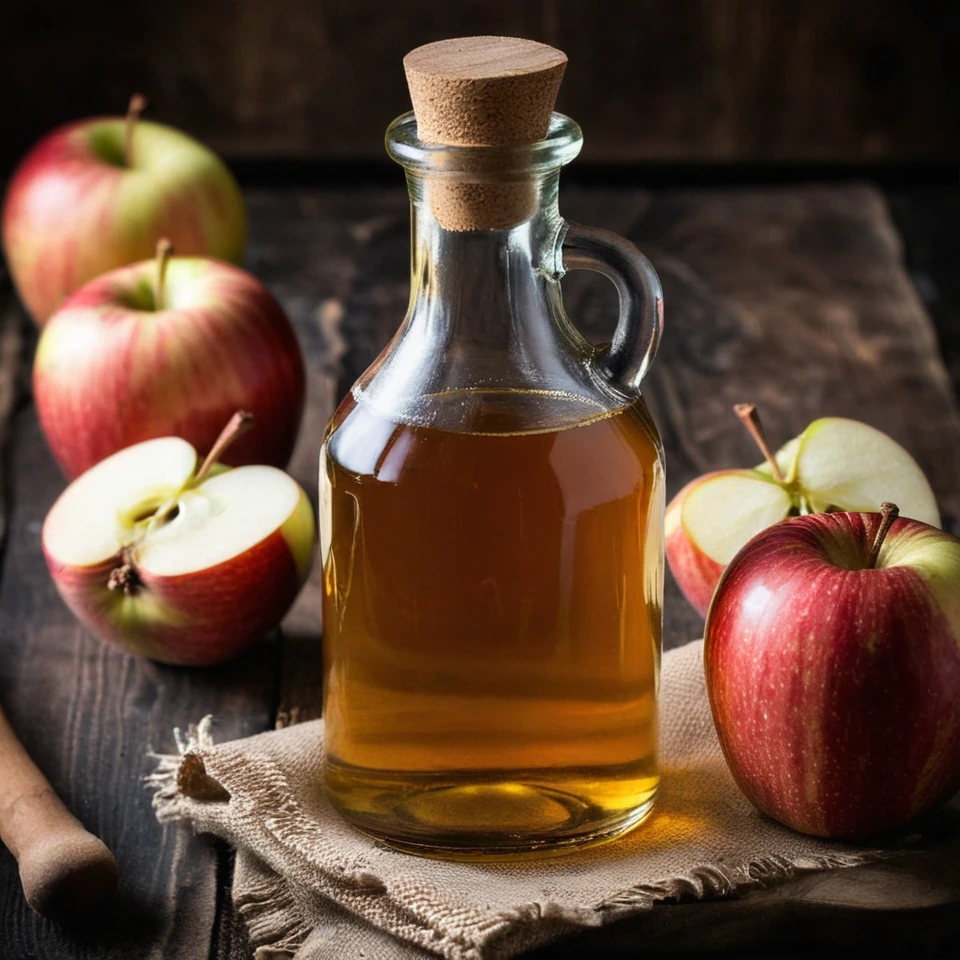
Apple Cider Vinegar
Apple cider vinegar is a type of vinegar made through the fermentation of apple cider, resulting in a tangy, slightly sweet liquid with a pale to medium amber color.
Recipes to try

Sausage and Potato Breakfast Casserole
This hearty casserole combines savory sausage, crispy potatoes, and melty cheese into a golden, bubbly brunch masterpiece.
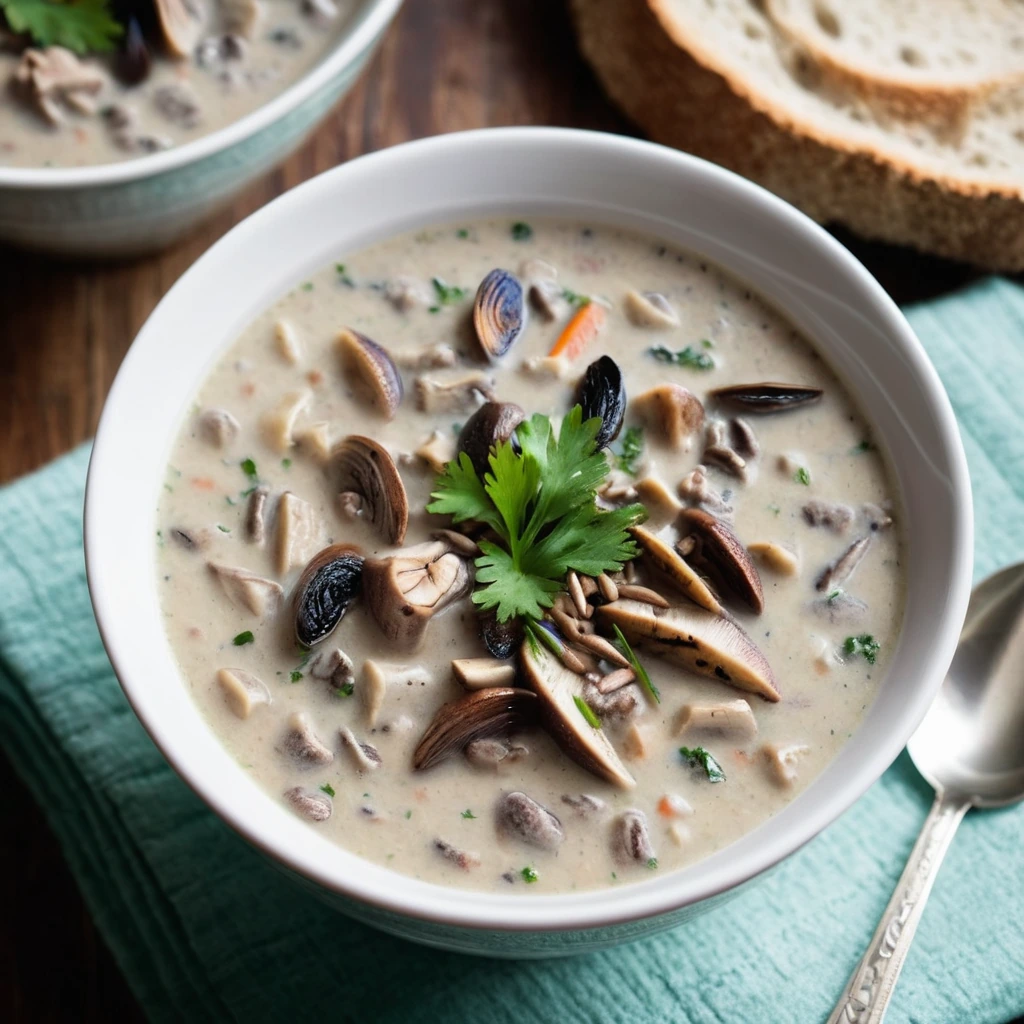
Turkey and Wild Rice Mushroom Soup
Warm up with this hearty soup, brimming with tender turkey, earthy wild rice, and a medley of savory mushrooms in a rich, comforting broth.