Bread Technique: Developing Gluten Through Proper Kneading
Creating the perfect loaf of bread starts with understanding how to develop gluten properly through kneading. Gluten is a network of proteins that gives bread its structure and elasticity. Without adequate gluten development, your bread may turn out dense and crumbly. The kneading process aligns and strengthens gluten strands, creating a stretchy dough that can hold gas bubbles during fermentation and baking. This technique dives into the importance of gluten, how kneading affects it, and the tactile cues to look for to ensure your dough is ready. Whether you're a novice baker or looking to refine your skills, mastering kneading is a game-changer. We'll explore the science behind gluten formation, the role of hydration and kneading time, and how to adjust your technique based on environmental factors like humidity and temperature. Achieving the ideal dough consistency requires attention and practice, but once you get it right, you'll be well on your way to baking artisanal-quality bread at home.
Notes
The science behind gluten development lies in the interaction of two proteins in wheat flour: gliadin and glutenin. When water is added and the dough is kneaded, these proteins form long, elastic strands. Proper hydration is key, as too little water can inhibit gluten development, while too much can make the dough slack. Kneading time can vary based on your strength and the flour's protein content, so always rely on tactile cues rather than a fixed timer. Common mistakes include over-kneading, which can lead to a tough bread, or under-kneading, resulting in a weak structure. To troubleshoot, adjust your kneading technique based on how the dough feels. For storage, place your kneaded dough in a lightly oiled bowl, cover, and let it rise in a warm spot until doubled in size. Refrigerate if making ahead, allowing for a slower, more flavorful fermentation.
Steps
- 1 Combine flour and water in a large bowl until a shaggy dough forms.
- 2 Turn the dough out onto a lightly floured surface.
- 3 Use the heels of your hands to push the dough away from you with force.
- 4 Fold the dough back onto itself with a firm pull.
- 5 Rotate the dough 90 degrees and repeat the push and fold.
- 6 Continue kneading for 8 to 10 minutes, or until the dough is smooth and elastic.
- 7 Perform the windowpane test by stretching a small piece of dough; it should thin without tearing.
- 8 If the dough passes the test, it's ready; if not, continue kneading in 1-minute increments.
- 9 Keep the dough covered with a bowl or towel to prevent drying out during the process.
- 10 Adjust flour or water if the dough is too sticky or dry, adding a little at a time.
- 11 Observe the dough's texture and resistance, aiming for a pliable yet firm structure.
- 12 Ensure consistent kneading pressure throughout to avoid uneven gluten development.
- 13 Once gluten is properly developed, shape your dough for proofing.
Ingredients to explore
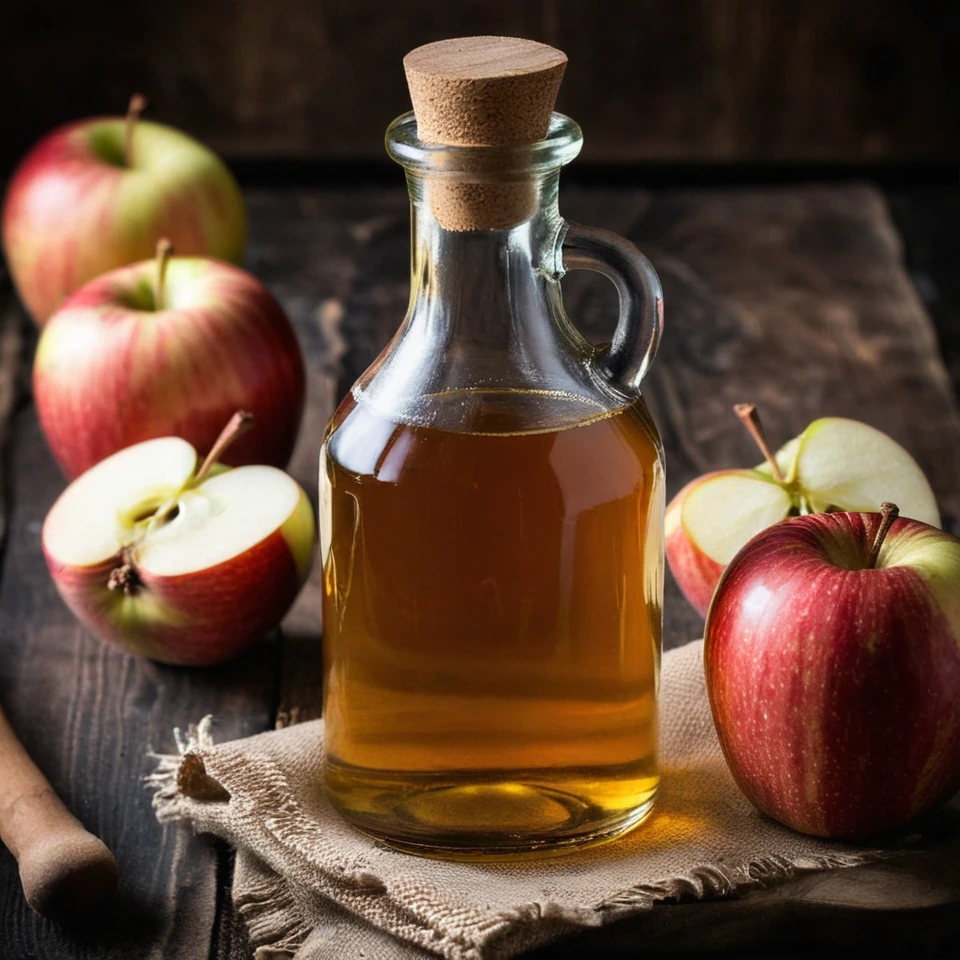
Apple Cider Vinegar
Apple cider vinegar is a type of vinegar made through the fermentation of apple cider, resulting in a tangy, slightly sweet liquid with a pale to medium amber color.
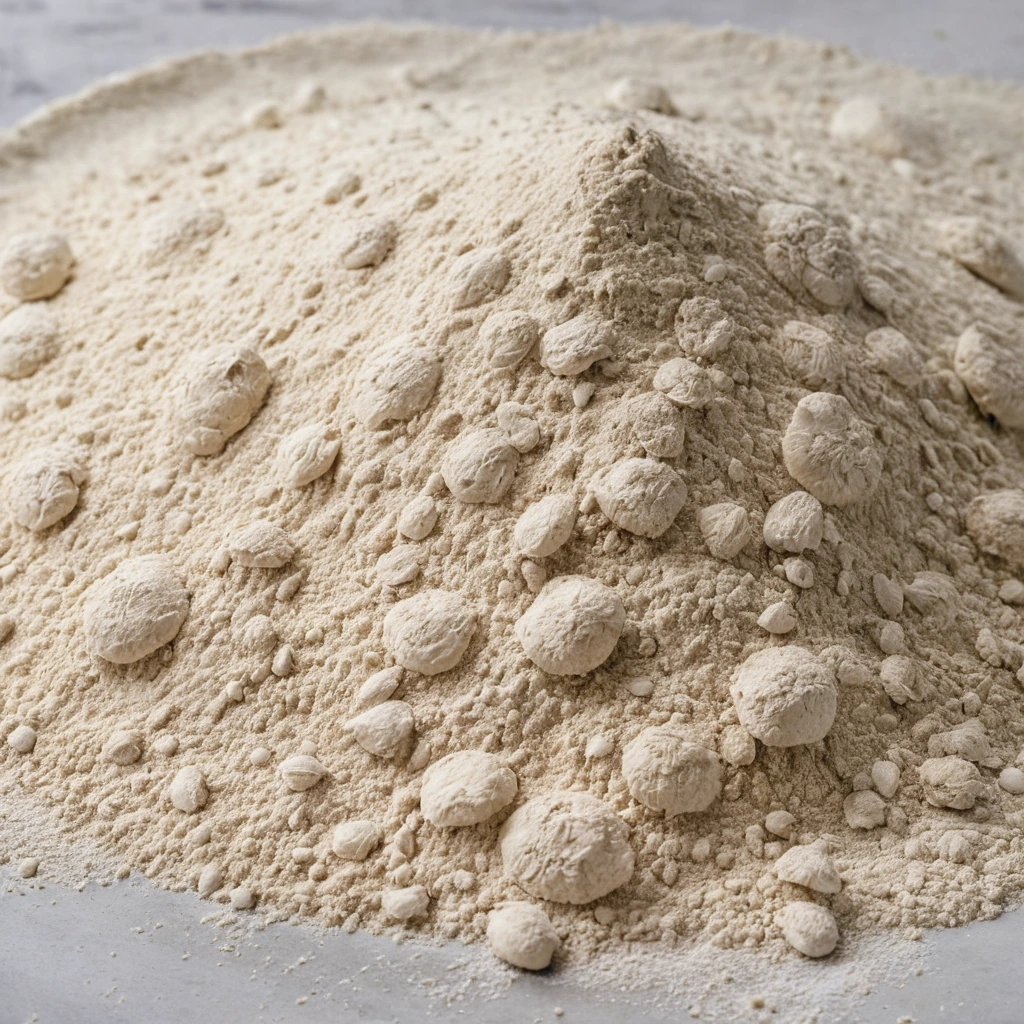
00 Pizza Flour
00 pizza flour is a finely milled Italian flour prized for its versatility in creating authentic Neapolitan-style pizza crusts. Originating from Italy, it is milled to a very fine consistency, which is reflected in its name, 'doppio zero,' indicating its fine grind. This flour has a balanced flavor profile, offering a mild, slightly sweet taste with a subtle nuttiness. Its texture is silky and smooth, contributing to a tender yet chewy crust when used in pizza making. In cooking, 00 pizza flour is known for its ability to hydrate quickly and develop a desirable gluten structure, resulting in a light and airy crust that can withstand high-heat cooking without becoming overly crispy or hard.
Recipes to try
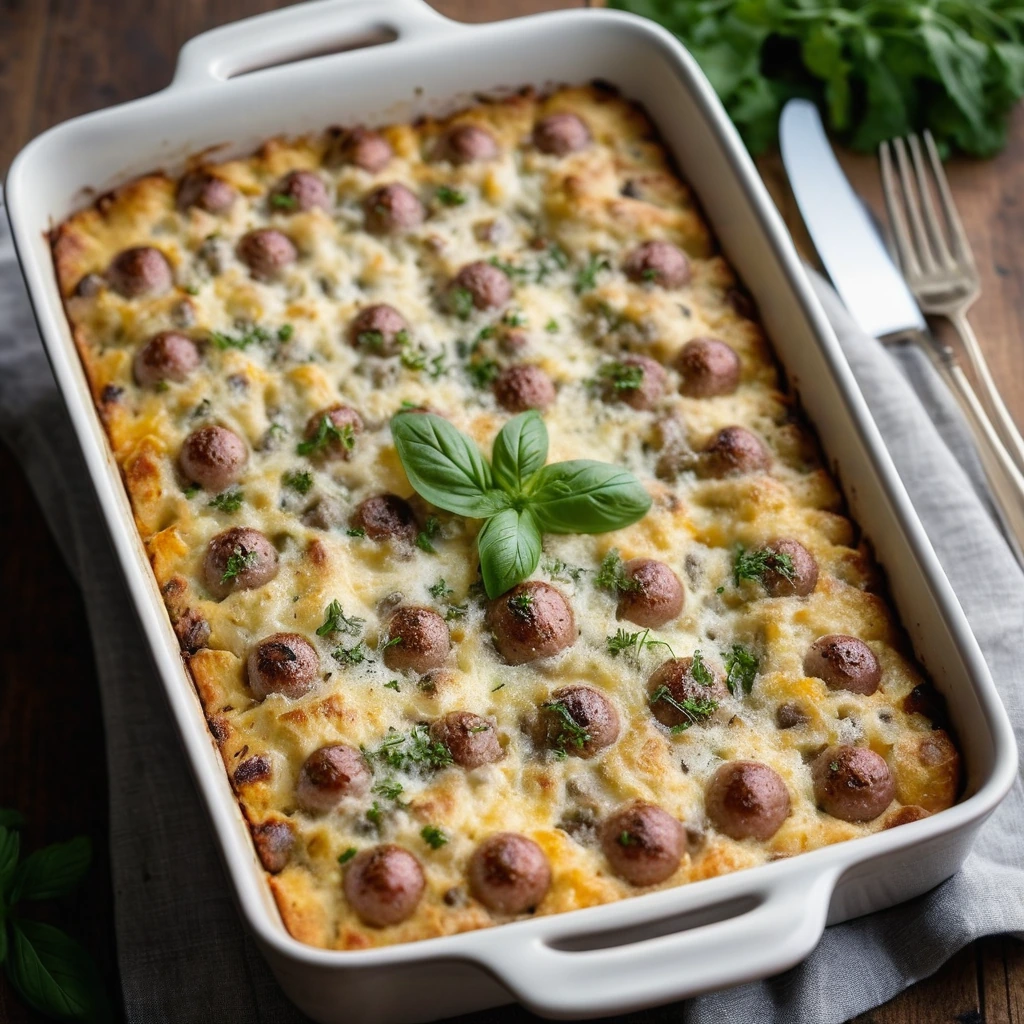
Sausage and Potato Breakfast Casserole
This hearty casserole combines savory sausage, crispy potatoes, and melty cheese into a golden, bubbly brunch masterpiece.
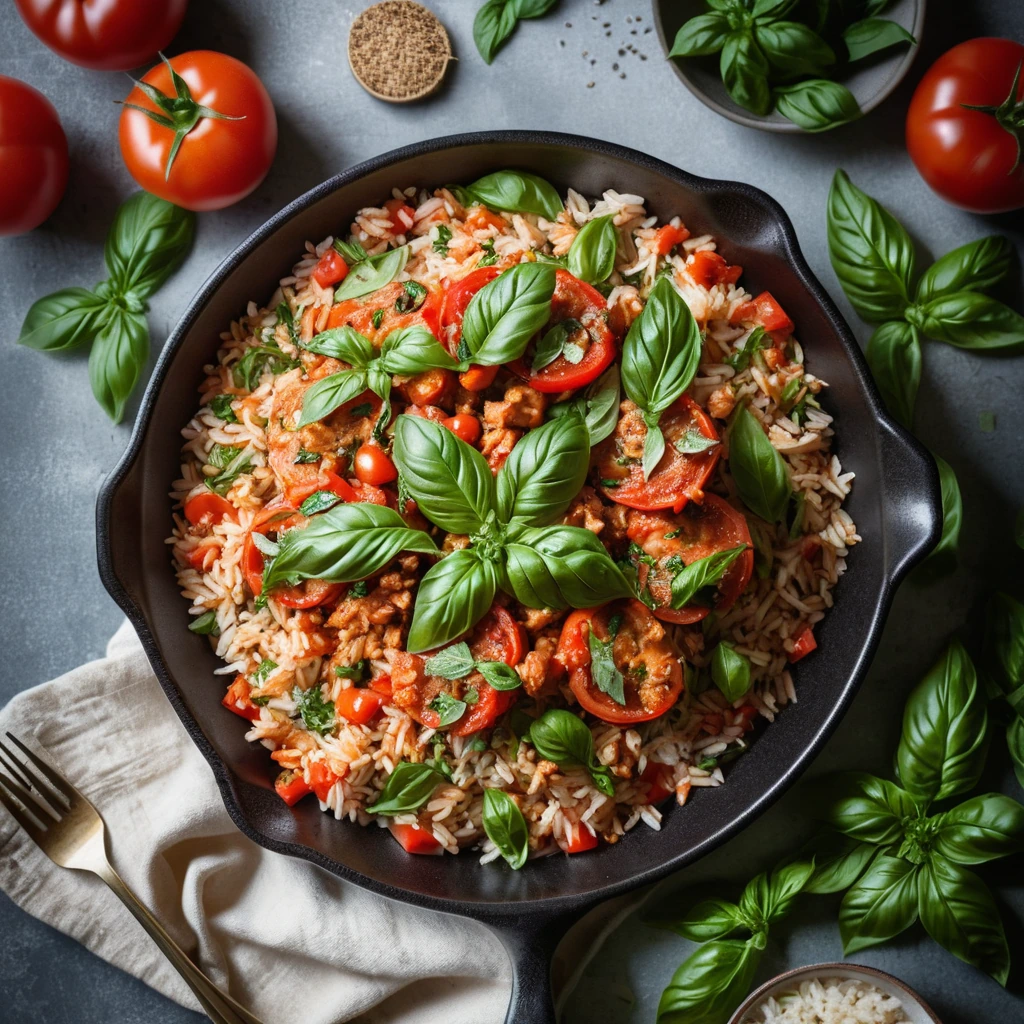
Tomato Basil Chicken and Rice Skillet
Golden chicken and fluffy rice simmered in a vibrant tomato-basil sauce, bursting with fresh garden flavors.