Baking: The Muffin Mixing Method
The Muffin Mixing Method is a beloved technique for quickly creating tender, fluffy muffins and similar quick breads. Unlike the more rigorous Creaming Method used for cakes, this approach is all about simplicity and speed. It's ideal for home bakers who want consistent results without the fuss. At its core, the Muffin Method aims to minimize gluten development, ensuring a delicate crumb. The method starts by whisking together dry ingredients—flour, leavening agents, sugar, and salt—in one bowl. In another, wet ingredients like eggs, milk, and melted butter are combined. The wet mixture is then gently folded into the dry ingredients, resulting in a lumpy batter. The key is to avoid overmixing, which can lead to tough muffins. Instead, aim for just enough stirring to moisten the dry ingredients. This technique is versatile, accommodating a variety of add-ins like blueberries, chocolate chips, or nuts. By understanding the science behind the method, home bakers can produce bakery-quality muffins with ease. The gentle handling preserves air pockets, contributing to the final product's light texture. It's a method that champions efficiency and celebrates simplicity, making it a staple in many home kitchens.
Notes
The Muffin Mixing Method works because it limits gluten formation, which can make baked goods tough. Overmixing activates gluten, so stopping when the batter is just combined keeps muffins tender. A common mistake is overfilling the muffin cups, which can lead to overflow and uneven baking. For storage, allow muffins to cool completely before placing them in an airtight container. They'll stay fresh for up to three days at room temperature or up to a week in the fridge. For longer storage, freeze muffins in a single layer on a baking sheet, then transfer to a freezer bag for up to three months.
Steps
- 1 Preheat oven to 375°F.
- 2 Line muffin tin with paper liners or grease wells.
- 3 In a large bowl, whisk together flour, baking powder, sugar, and salt.
- 4 In a separate bowl, whisk eggs, milk, melted butter, and vanilla extract.
- 5 Make a well in the center of the dry ingredients and pour in the wet mixture.
- 6 Gently fold the wet into the dry until just combined; lumps are okay.
- 7 Fold in any desired mix-ins like chocolate chips or blueberries.
- 8 Divide batter evenly among muffin cups, filling each about 2/3 full.
- 9 Bake for 18-20 minutes, or until a toothpick inserted comes out clean.
- 10 Cool muffins in the tin for 5 minutes, then transfer to a wire rack to cool completely.
Ingredients to explore
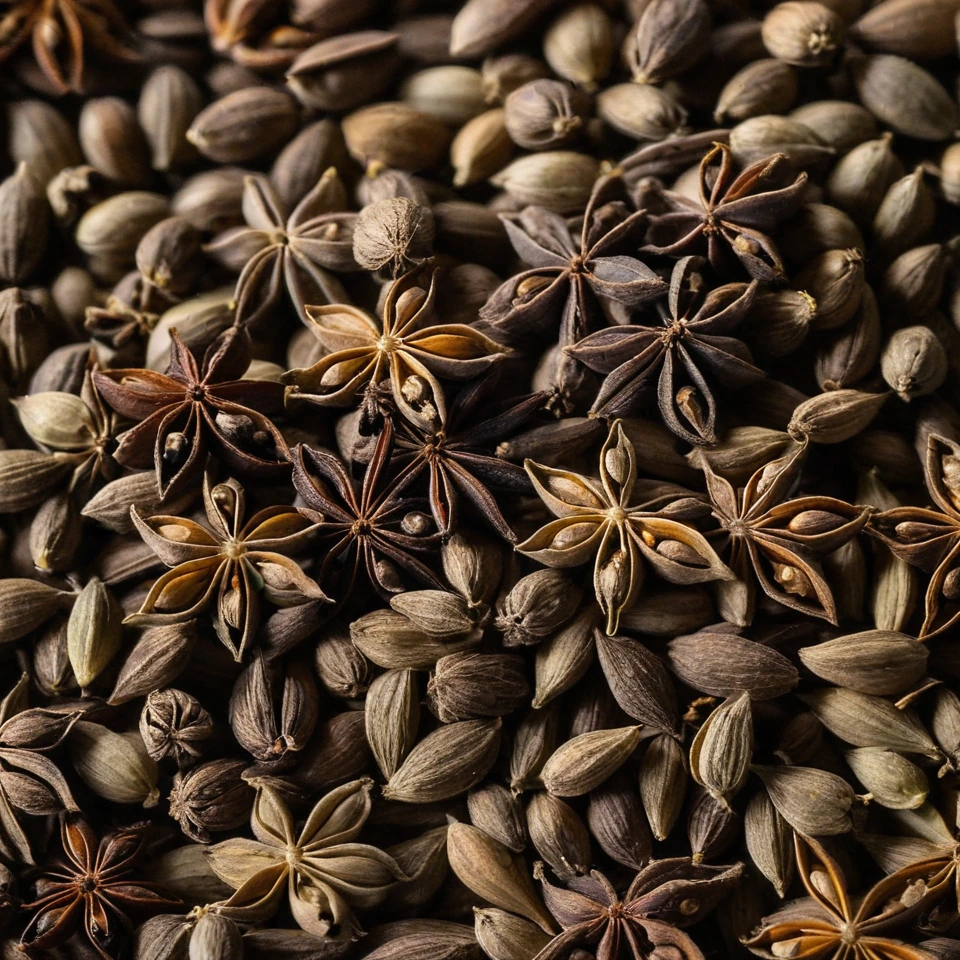
Anise Seeds
Anise seeds are small, oval seeds with a sweet, licorice-like flavor. They are commonly used in both sweet and savory dishes, offering a warm, aromatic taste.
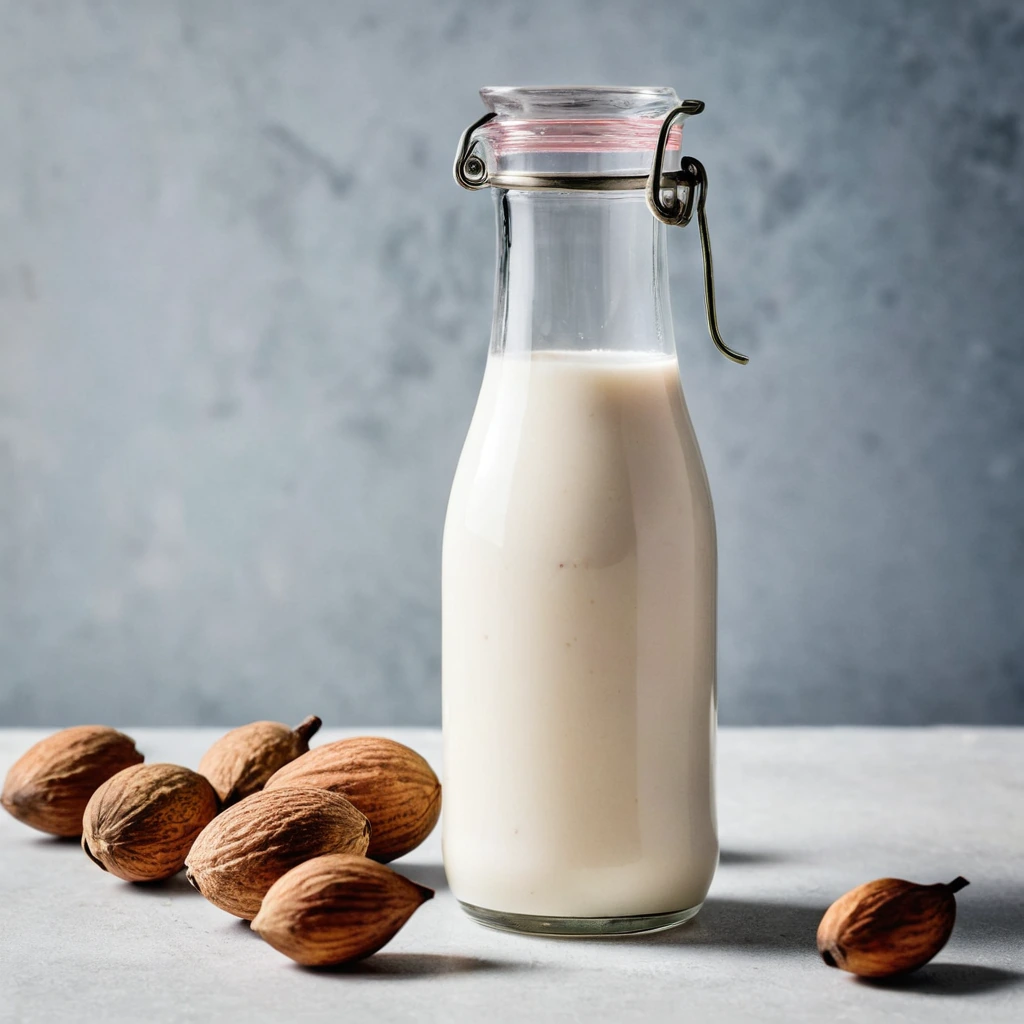
Almond Milk
Almond milk is a plant-based milk alternative made from ground almonds and water. Originating from traditional recipes in medieval Europe and the Middle East, it has gained widespread popularity in modern times as a dairy-free option. Almond milk has a subtly nutty flavor with a mild sweetness, and its aroma is reminiscent of fresh almonds. Its texture is smooth and creamy, though typically lighter than dairy milk. In cooking, almond milk behaves well in both savory and sweet applications, though it does not brown or caramelize like dairy milk. It is often used in cereals, smoothies, and baking, where its delicate flavor complements rather than overpowers other ingredients.
Recipes to try
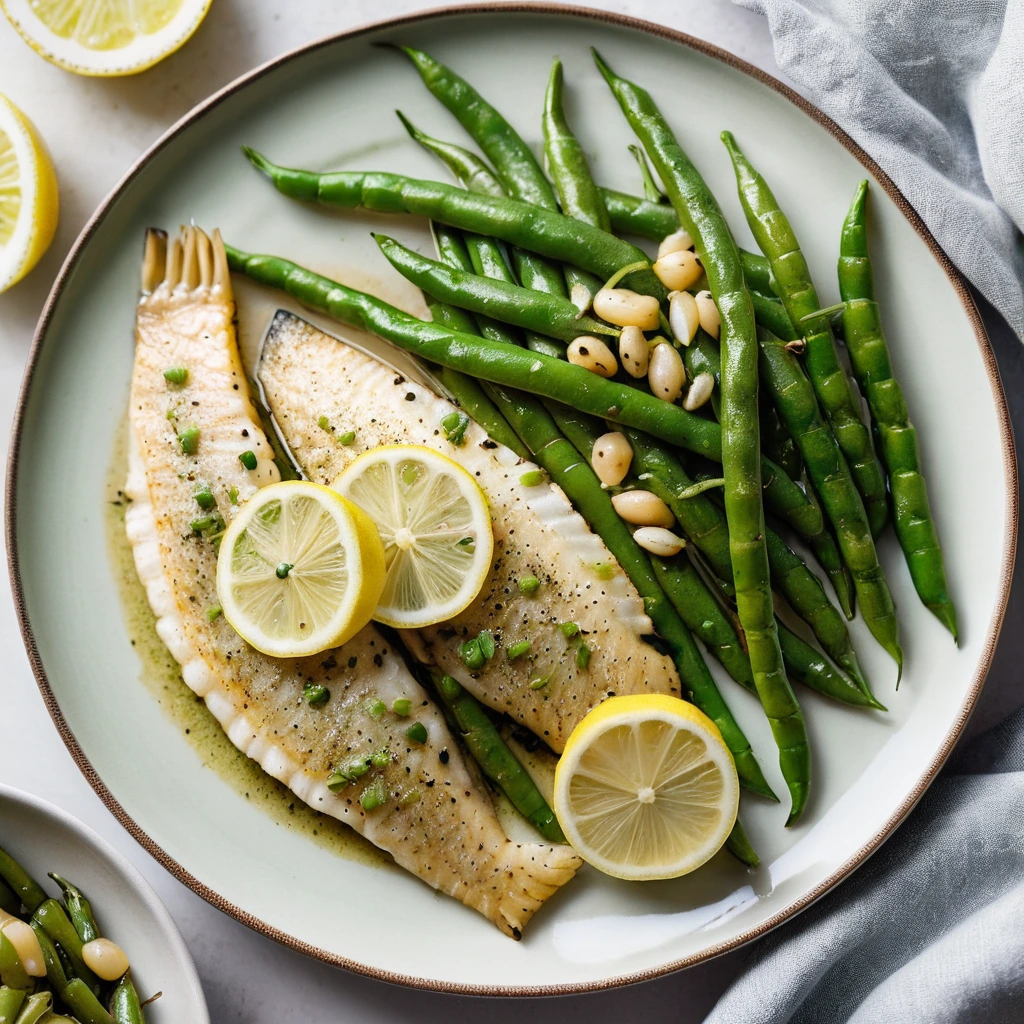
Lemon Pepper Tilapia with Garlic Green Beans
Zesty lemon pepper tilapia fillets served with garlicky, tender-crisp green beans make for a bright and satisfying weeknight meal.
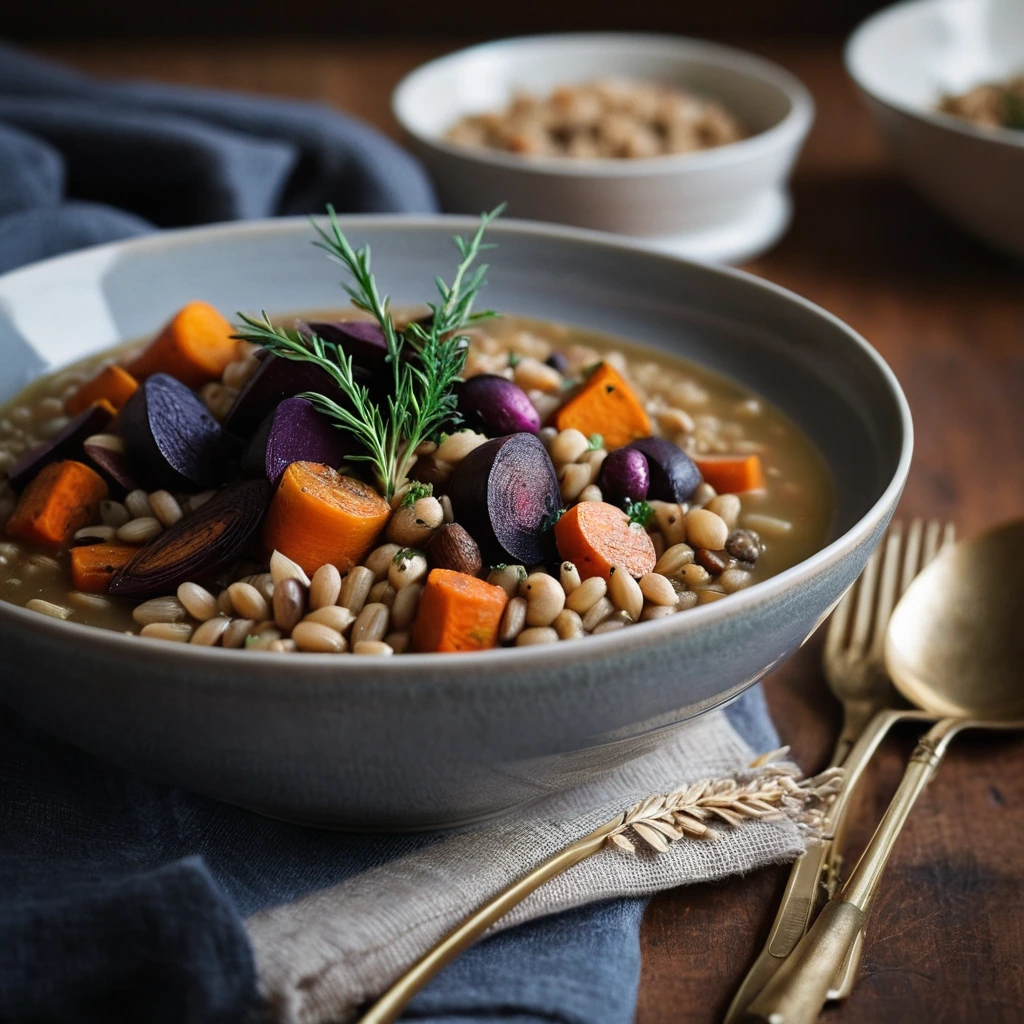
Roasted Root Vegetable and Barley Stew
Hearty and deeply flavorful, this stew marries caramelized root veggies with chewy barley for a comforting bowlful of warmth.