Baking Technique: Storing Baked Goods to Maintain Freshness
Keeping your baked goods fresh is an art that requires understanding the enemy: moisture loss, staling, and mold. The secret to prolonging the life of your pastries, breads, and cookies lies in proper storage techniques that minimize exposure to air and moisture. When baked goods cool, they release moisture, and if trapped, this can lead to sogginess. Conversely, if exposed to dry air, they can become stale quickly. Different types of baked goods require different storage methods. Bread, for example, benefits from a paper bag that allows it to breathe, whereas cookies might need an airtight container to maintain their crispness. Understanding the science behind these methods will ensure your homemade treats stay delicious for days. We'll dive into the best practices for storing various baked goods, from fluffy cakes to crusty bread, and explain how temperature and humidity play a role in their preservation. Whether you're a pie-baking aficionado or a weekend bread baker, mastering these techniques will keep your kitchen filled with the aroma of fresh-baked goodness long after your initial creation.
Notes
The science behind maintaining freshness lies in controlling moisture and airflow. Bread stales due to starch retrogradation, a process slowed by proper storage. Freezing halts this process and mold growth. Common mistakes include storing warm baked goods in airtight containers, trapping moisture and causing sogginess. Ensure your storage containers are clean to prevent contamination. For make-ahead planning, most baked goods can be frozen for up to 3 months. When storing, consider the texture of the item; soft items need breathability while crispy items require airtight environments. Safety is paramount; discard any baked goods showing signs of mold to avoid foodborne illness.
Steps
- 1 Allow baked goods to cool completely on a wire rack before storing.
- 2 Wrap bread in a clean kitchen towel or place it in a paper bag to allow airflow.
- 3 Store cookies in an airtight container with a piece of bread to maintain moisture balance.
- 4 Place cakes in cake keepers or wrap tightly in plastic wrap after covering with a cake dome.
- 5 Keep pastries in a single layer, separated by parchment paper, in an airtight container.
- 6 Freeze baked goods in airtight freezer bags or containers for long-term storage.
- 7 Label and date your storage containers to track freshness.
- 8 Check stored goods regularly for any signs of mold or spoilage.
- 9 For bread, consider refrigerating only if you live in a humid climate and consume it slowly.
- 10 Revive stale bread by reheating it in a warm oven to restore crispness.
- 11 Thaw frozen baked goods at room temperature or gently warm them in a low oven.
Ingredients to explore
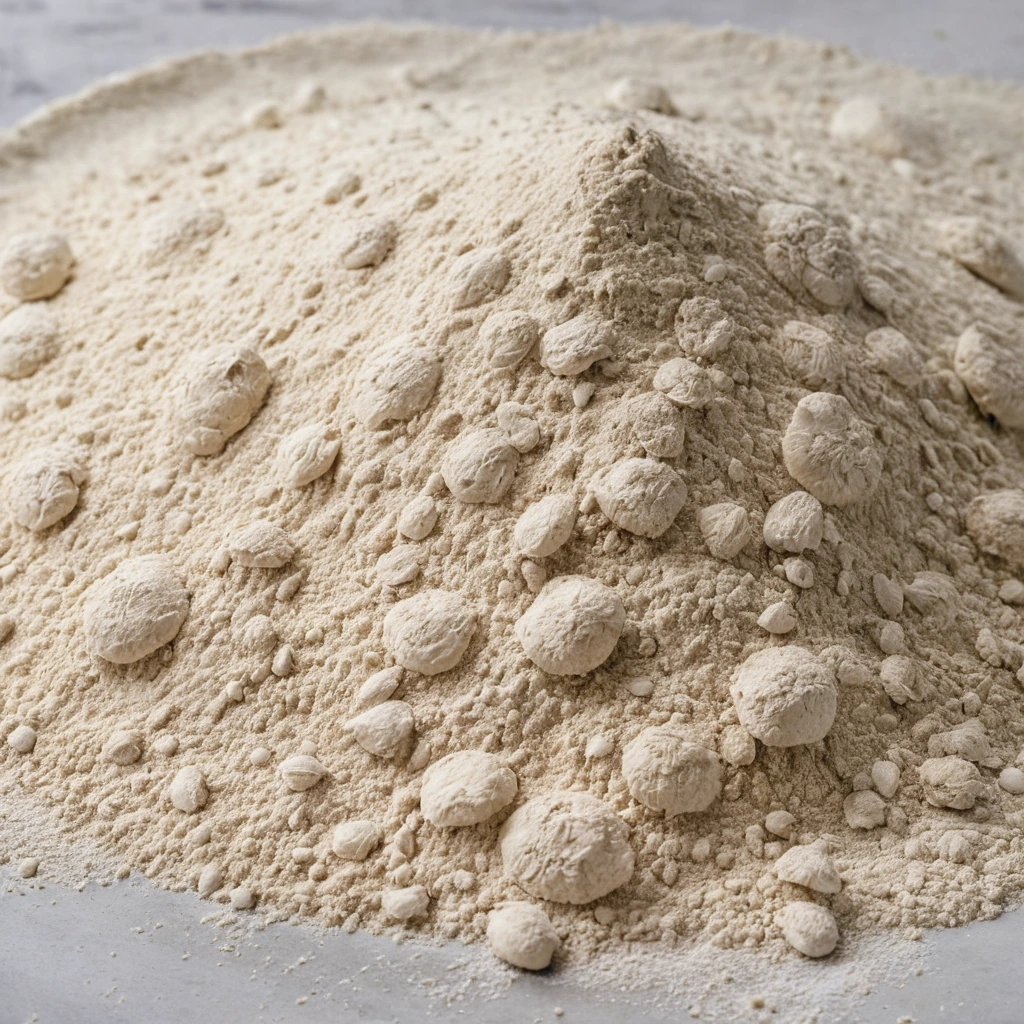
00 Pizza Flour
00 pizza flour is a finely milled Italian flour prized for its versatility in creating authentic Neapolitan-style pizza crusts. Originating from Italy, it is milled to a very fine consistency, which is reflected in its name, 'doppio zero,' indicating its fine grind. This flour has a balanced flavor profile, offering a mild, slightly sweet taste with a subtle nuttiness. Its texture is silky and smooth, contributing to a tender yet chewy crust when used in pizza making. In cooking, 00 pizza flour is known for its ability to hydrate quickly and develop a desirable gluten structure, resulting in a light and airy crust that can withstand high-heat cooking without becoming overly crispy or hard.
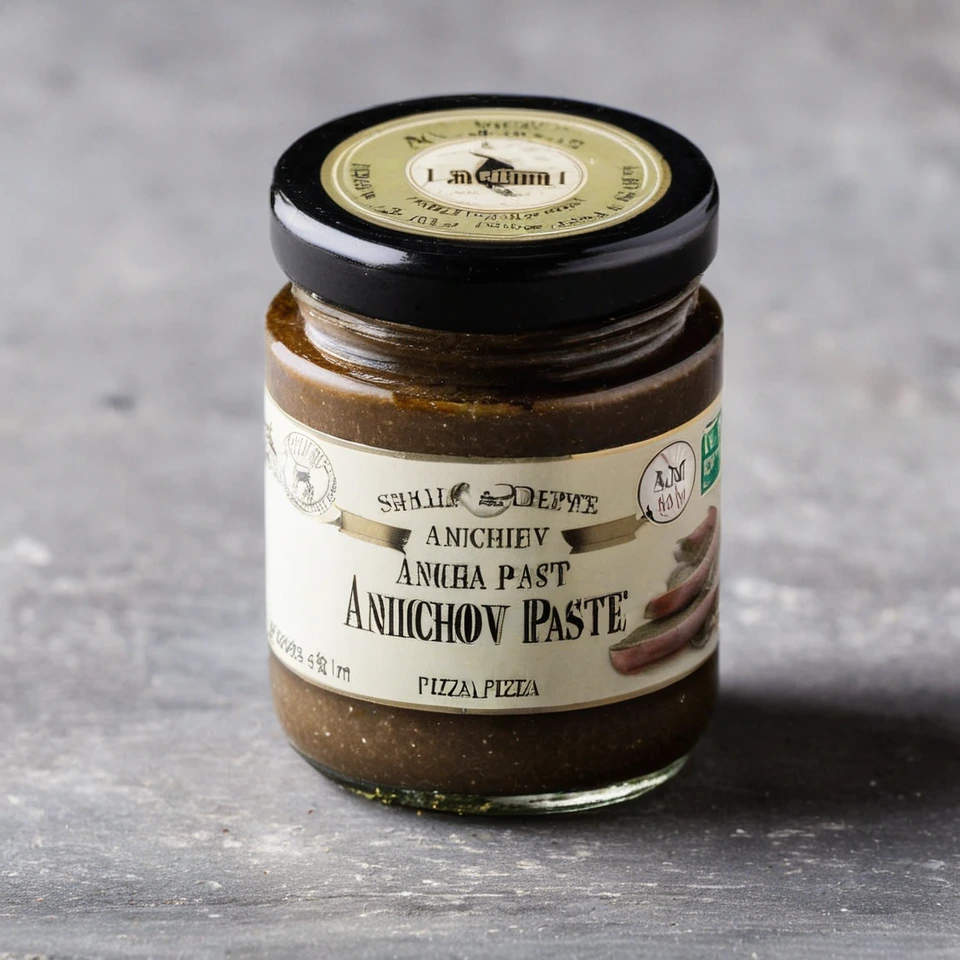
Anchovy Paste
Anchovy paste is a rich, salty spread made from finely ground anchovies, salt, and sometimes olive oil. It offers a deep umami flavor that enhances a variety of dishes.
Recipes to try
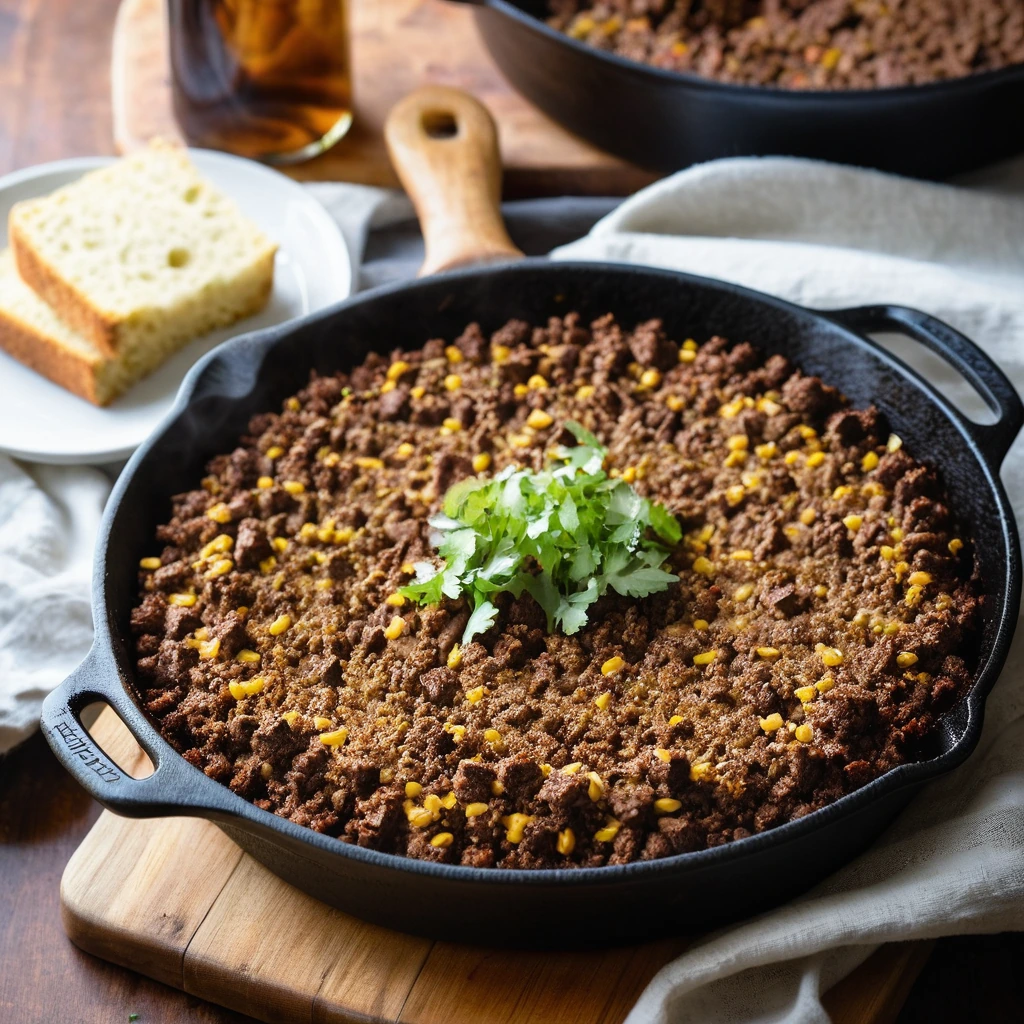
Smoky BBQ Ground Beef and Cornbread Skillet
Imagine the rich smokiness of BBQ sauce mingling with tender ground beef atop golden, crumbly cornbread in a skillet.
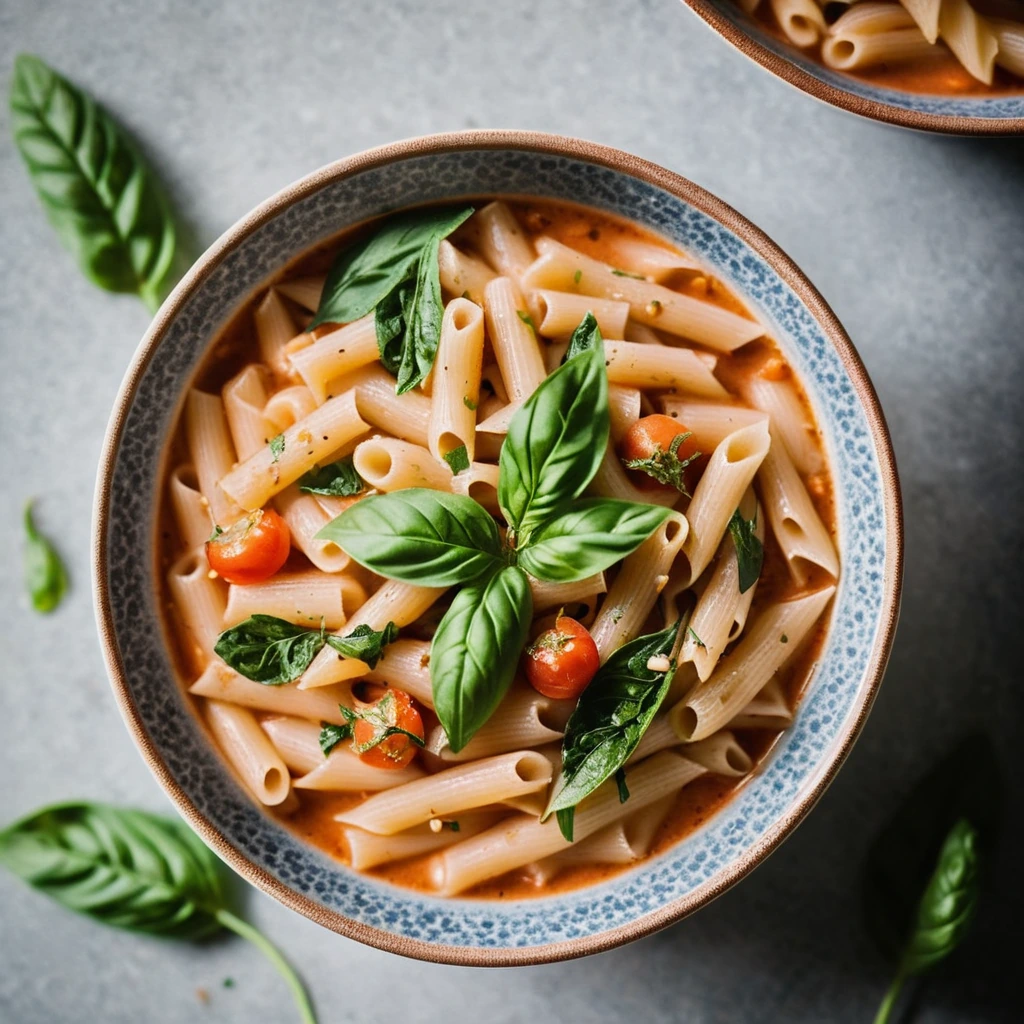
One-Pot Tuscan White Bean and Pasta Stew
Warm up with this hearty stew where tender pasta mingles with creamy cannellini beans in a rich, garlicky tomato broth.