Workflow Technique: Organizing Fridge Shelves for Faster Cooking
Organizing your fridge shelves is an unsung hero in the kitchen that can shave minutes off your prep time and reduce stress. Imagine walking into your fridge and knowing exactly where to find everything you need without rummaging through a chaotic mess. This technique is about creating an efficient system that aligns with your cooking habits. By categorizing and zoning your fridge, you can streamline your workflow, making cooking faster and more enjoyable. Start by assessing your cooking routines and identifying the ingredients you use most frequently. Then, assign specific areas for these items, grouping similar foods together. This not only saves time but also helps keep track of what needs to be used up before it spoils. Additionally, maintaining a well-organized fridge can extend the life of your produce and leftovers, reducing waste. With a little planning and some strategic rearrangement, your fridge can become a well-oiled machine, contributing to smoother meal prep and cooking sessions. Consider factors like temperature zones, with the coldest part reserved for perishables like raw meat and dairy, while the door is best for condiments and leftovers. Lastly, don't forget to regularly reassess and adjust your organization as your cooking needs evolve.
Notes
This technique works because it leverages principles of ergonomics and food safety to optimize your cooking space. By understanding temperature zones in your fridge, you ensure that each item is stored at the correct temperature, prolonging freshness. A common mistake is overloading shelves, leading to forgotten items and spoilage; maintaining visibility is key. Always ensure raw meats are sealed and stored on lower shelves to avoid drips contaminating ready-to-eat foods. Make-ahead tip: Dedicate a weekend afternoon to this organization task and consider using a dry-erase board on the fridge to track what needs restocking. For storage, regularly cleaning out expired items will keep your fridge efficient and prevent odors from permeating your food.
Steps
- 1 Assess your cooking habits to identify most-used ingredients.
- 2 Remove all items from your fridge and clean the shelves thoroughly.
- 3 Designate specific zones for different food categories like dairy, produce, and meats.
- 4 Place frequently used items at eye level for easy access.
- 5 Store raw meat on the lowest shelf to prevent cross-contamination.
- 6 Keep dairy products in their designated compartment or on a middle shelf.
- 7 Arrange produce in crisper drawers, separating ethylene producers like apples from sensitive items like leafy greens.
- 8 Use clear containers for leftovers and label them with dates.
- 9 Store condiments and rarely used items on the door shelves.
- 10 Group similar items together to minimize search time.
- 11 Use bins or baskets to corral small items like herbs and cheeses.
- 12 Check expiration dates and discard any expired items before restocking.
- 13 Reassess and adjust your organization every month based on usage patterns.
Ingredients to explore
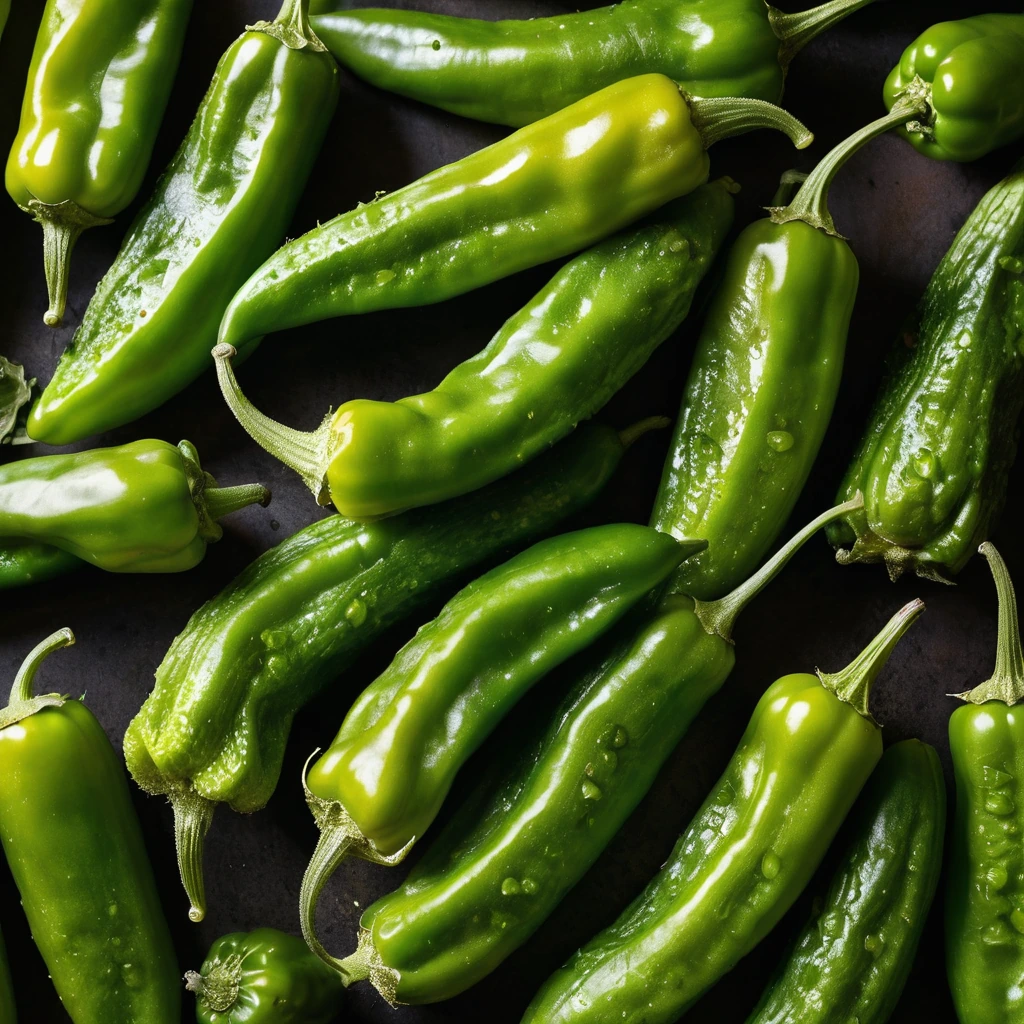
Anaheim Peppers
Anaheim peppers are a mild chili pepper variety named after Anaheim, California, where they were first cultivated commercially. Originating from the New Mexico region, these peppers are celebrated for their versatility and gentle heat. They possess a flavor that is mildly sweet with a subtle tang, and a pleasant vegetal note reminiscent of green bell peppers, but with a hint of spice. Their texture is firm and crisp when fresh, becoming tender and slightly smoky when roasted or cooked. In cooking, Anaheim peppers behave well across a range of techniques, from grilling and roasting to stuffing and sautéing, contributing a nuanced depth without overwhelming other ingredients with heat.
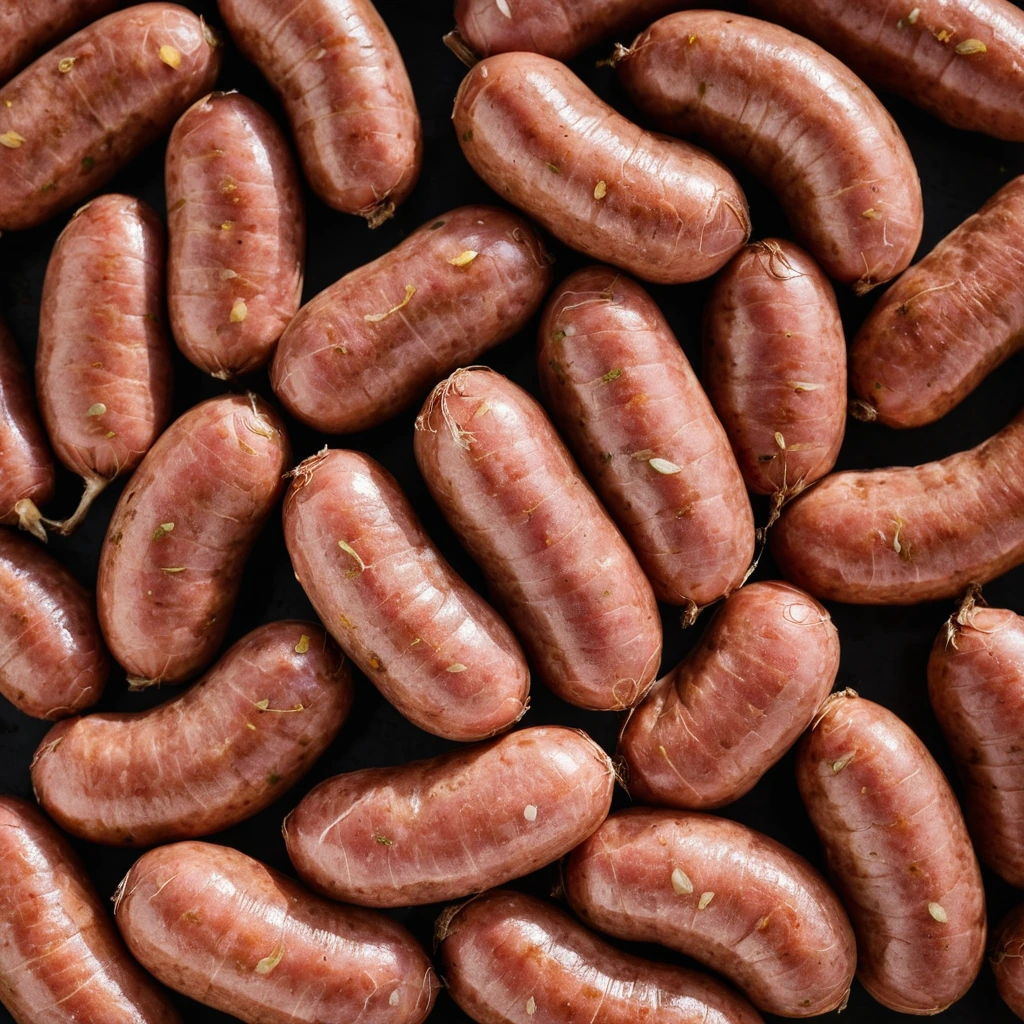
Andouille Sausage
Andouille sausage is a coarse-grained, smoked pork sausage with a rich history rooted in French cuisine, particularly from the Alsace region. It was adapted in Louisiana, where it became a staple in Cajun and Creole cooking. The sausage is known for its robust, smoky flavor with hints of garlic, pepper, and other spices, creating a spicy and savory profile. Its texture is firm yet slightly chewy, making it a hearty addition to dishes. When cooked, andouille sausage maintains its shape well and infuses dishes with its distinctive smoky essence, enhancing stews, soups, and rice dishes.
Recipes to try
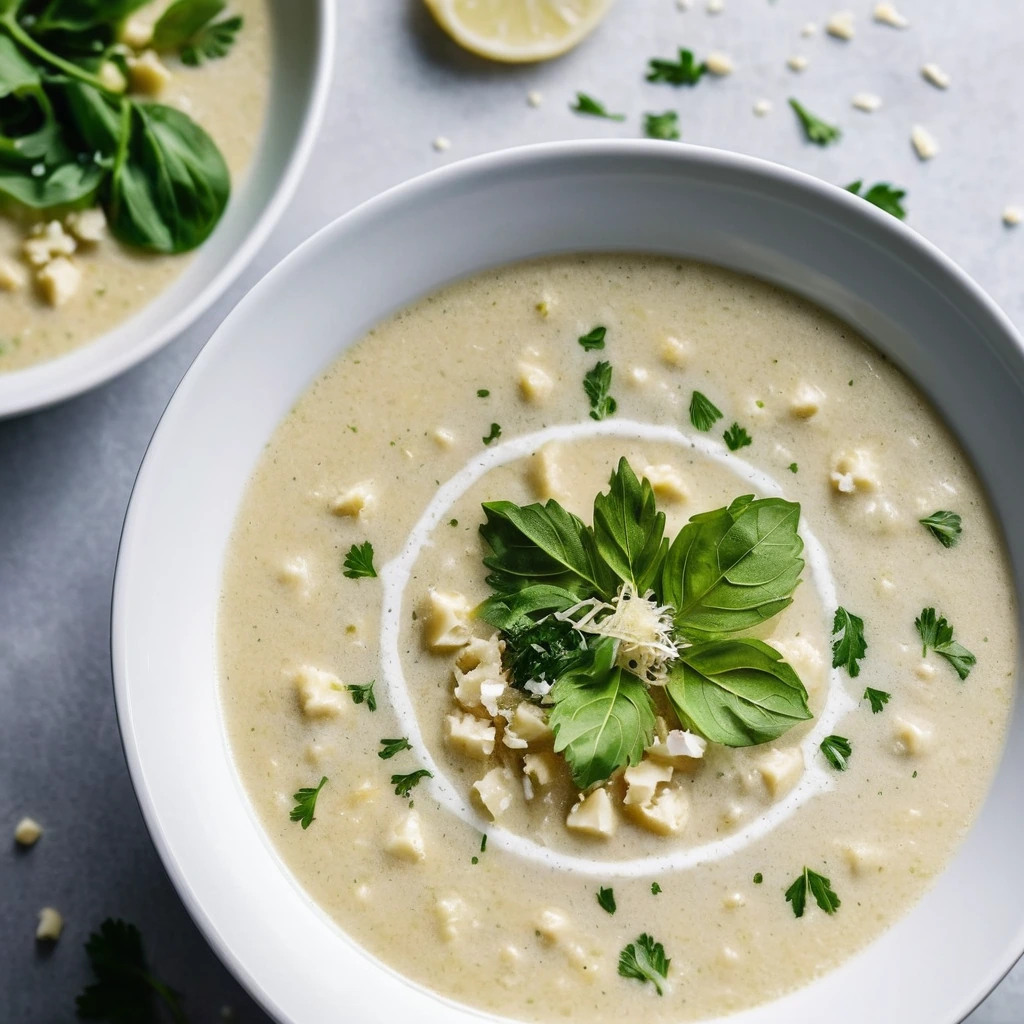
Roasted Cauliflower and Garlic Soup with Parmesan
This velvety soup is a symphony of roasted cauliflower and garlic, kissed with nutty Parmesan for a cozy, crave-worthy bowl.
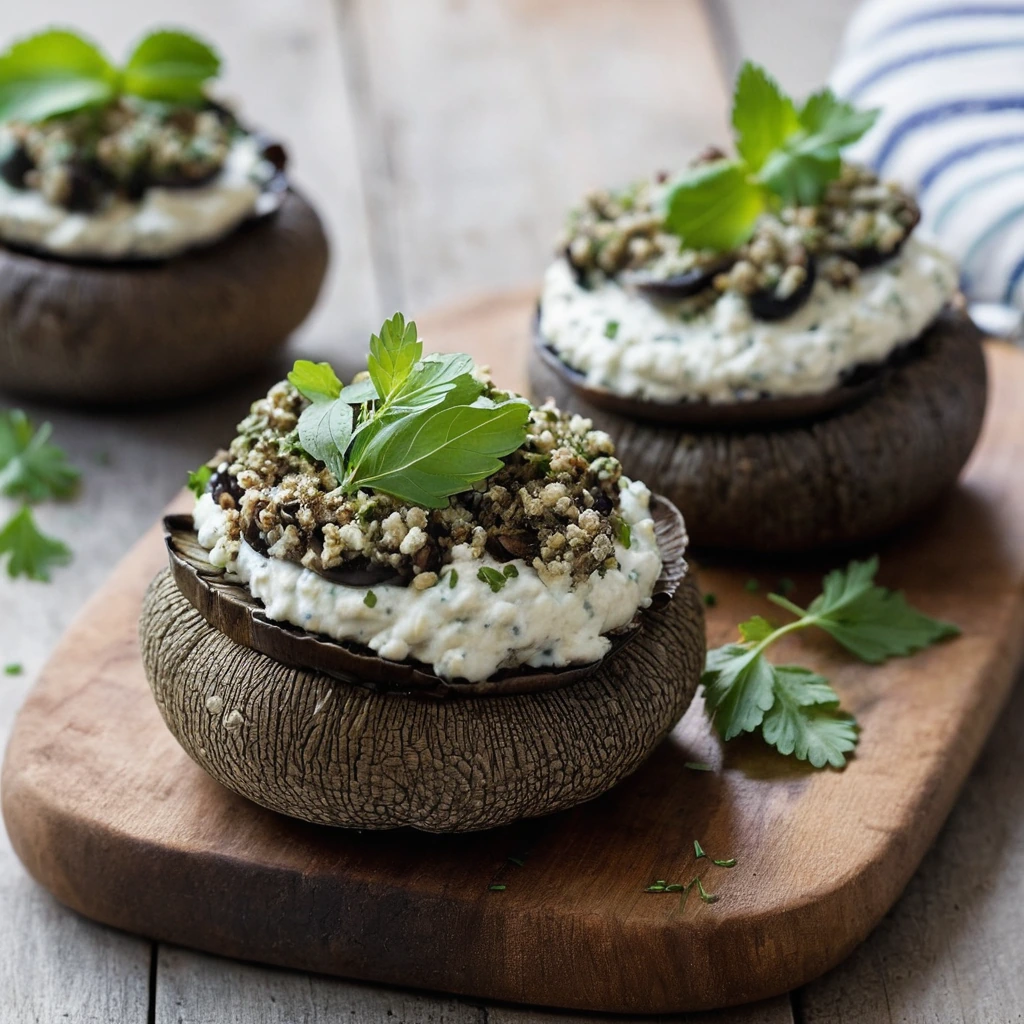
Stuffed Portobello Mushrooms with Herbed Ricotta
These earthy portobello mushrooms are stuffed with a creamy, herbed ricotta mixture, offering a satisfying vegetarian delight that's both elegant and easy.