Vegetable Technique: Blanching Greens for Bright Color
Blanching greens is a simple yet transformative technique that preserves their vibrant color, crisp texture, and nutrients. This method is particularly effective for leafy vegetables like spinach, kale, and broccoli. When you blanch greens, you plunge them into boiling water, then immediately transfer them to an ice bath to halt the cooking process. This brief treatment brightens their color by breaking down the cell walls and neutralizing enzymes that cause browning and spoilage. It's a technique often used in preparing vegetables for salads, stir-fries, or as a garnish to maintain their visual appeal. Understanding the science behind blanching helps you appreciate why timing and temperature are critical. Over-blanching can lead to loss of texture and nutrients, while under-blanching leaves enzymes active, leading to quicker spoilage. This guide will walk you through the steps to blanch greens perfectly, ensuring they retain their vivid hue and freshness.
Notes
The blanching process works by quickly heating the greens to deactivate enzymes that cause spoilage and dull color. The rapid cooling in ice water is crucial to prevent overcooking and maintain texture. Common mistakes include blanching for too long, which can lead to a loss of nutrients and color, or not cooling the greens quickly enough, which can cook them further. Always use fresh, high-quality greens for the best results. For storage, blanched greens can be kept in an airtight container in the refrigerator for up to 3 days. Make sure they are completely dry to prevent sogginess.
Steps
- 1 Fill a large pot with water and bring it to a rolling boil.
- 2 While waiting, prepare a large bowl of ice water.
- 3 Wash and trim your greens, removing any tough stems or damaged leaves.
- 4 Submerge the greens in the boiling water for 10 to 60 seconds, depending on their size and thickness.
- 5 Immediately transfer the blanched greens to the ice water using a slotted spoon.
- 6 Let the greens cool in the ice water for about 2 minutes to stop the cooking process.
- 7 Remove the greens from the ice water and drain well.
- 8 Pat the greens dry with a clean kitchen towel or paper towels.
- 9 Inspect the greens to ensure they are bright and crisp.
- 10 Use the greens immediately or prepare them for storage.
Ingredients to explore
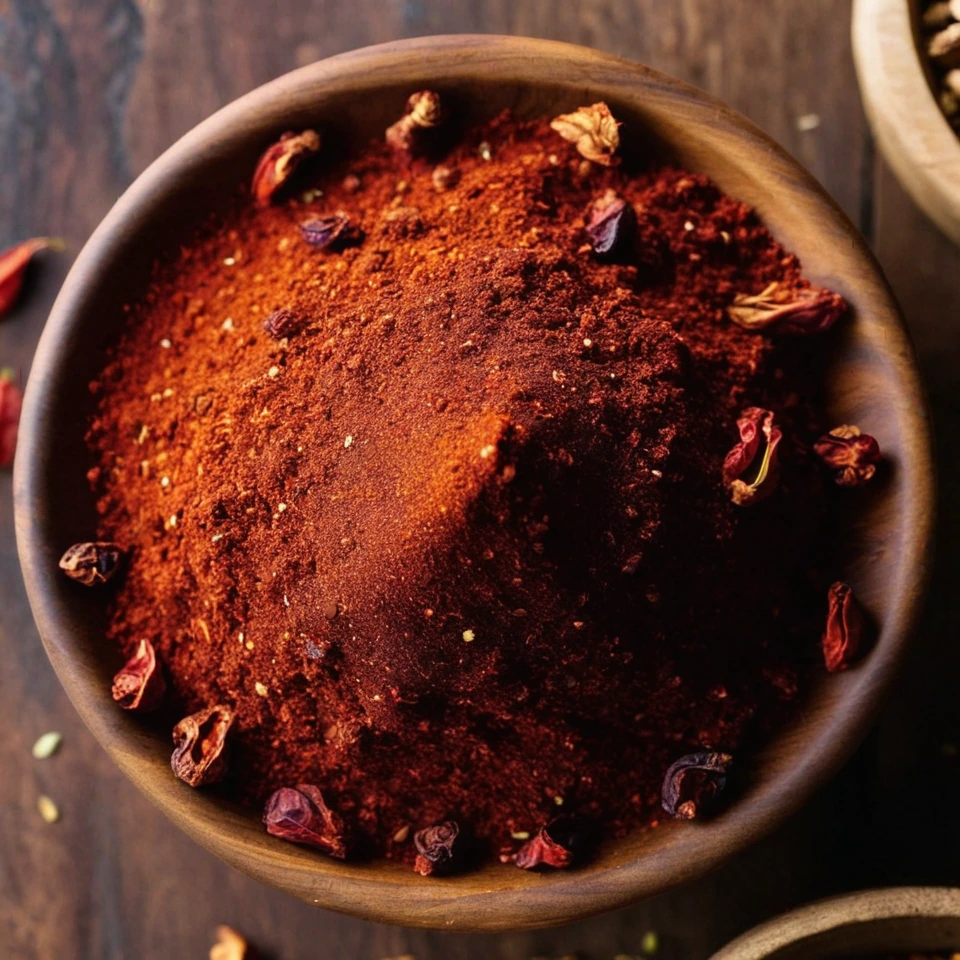
Aleppo Pepper
Aleppo pepper offers a harmonious balance of heat and sweetness, with a subtle fruity aroma reminiscent of sun-dried tomatoes and currants. Originating from the region around Aleppo, Syria, it has a fine, slightly coarse texture that shatters easily between fingers. Its mild yet complex flavor profile makes it a prized seasoning for enhancing dishes without overwhelming them. Valued for its versatility, it bridges the gap between spice and seasoning, bringing a touch of warmth and depth to a variety of cuisines.

Almond Milk
Almond milk is a plant-based milk alternative made from ground almonds and water. Originating from traditional recipes in medieval Europe and the Middle East, it has gained widespread popularity in modern times as a dairy-free option. Almond milk has a subtly nutty flavor with a mild sweetness, and its aroma is reminiscent of fresh almonds. Its texture is smooth and creamy, though typically lighter than dairy milk. In cooking, almond milk behaves well in both savory and sweet applications, though it does not brown or caramelize like dairy milk. It is often used in cereals, smoothies, and baking, where its delicate flavor complements rather than overpowers other ingredients.
Recipes to try

Thai Peanut Veggie Lettuce Wraps
Crispy, fresh veggies hugged by buttery lettuce leaves, drizzled with a creamy, tangy peanut sauce that'll make your taste buds do the tango.
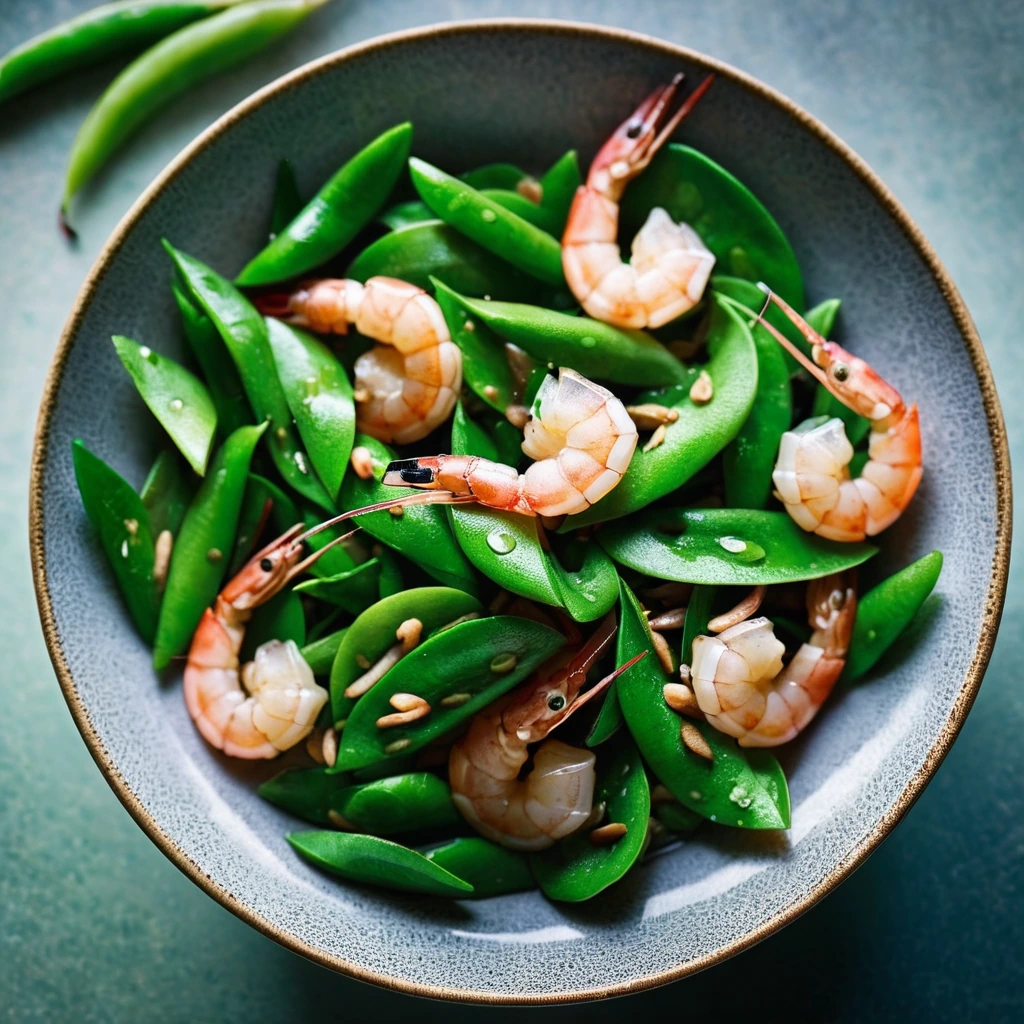
Shrimp and Snow Pea Stir Fry with Ginger
Succulent shrimp and crisp snow peas dance together in a fragrant, ginger-infused stir fry that's quick, zesty, and utterly satisfying.