Stews: Cooling and Reheating Stews Safely
Stews are a heartwarming meal, perfect for chilly evenings. However, handling them properly after cooking is just as important as the preparation itself. Cooling and reheating stews safely ensures you maintain their flavor and texture while preventing foodborne illnesses. First, understanding why proper cooling is crucial: stews, rich in proteins and vegetables, are ideal breeding grounds for bacteria when left at room temperature. The USDA recommends that perishable foods not be left out for more than two hours. Rapidly cooling stews halts bacterial growth and preserves freshness. Once cooled, reheating them correctly is vital to ensure safety and taste. This guide dives into the best practices for cooling stews quickly and reheating them to perfection, keeping your family safe and your meals delicious. We'll cover selecting the right containers, understanding the dangers of improper cooling, and mastering the art of reheating without losing that homemade touch. Let's ensure your stew remains a delightful experience from the first to the last serving.
Notes
Rapid cooling is key to preventing bacterial growth; slow cooling can lead to food spoilage and health risks. Shallow containers facilitate quicker cooling by maximizing surface area. Always use a food thermometer to check temperatures, ensuring safety. If reheating only a portion, cool the rest promptly after serving. Leftover stew can be stored in the refrigerator for up to 4 days or frozen for up to 3 months. When freezing, use airtight containers to prevent freezer burn. Remember, reheated stew should be as hot as when it was first served to kill any potential bacteria that may have developed during storage.
Steps
- 1 Transfer the hot stew into shallow containers, no more than 2 inches deep.
- 2 Cover the containers loosely with lids or aluminum foil to allow steam to escape.
- 3 Place the containers in an ice bath, ensuring they are not submerged in water.
- 4 Stir the stew occasionally to promote even cooling.
- 5 Once the stew reaches 70°F, remove it from the ice bath.
- 6 Refrigerate the stew promptly, ensuring it cools to 40°F within 2 hours.
- 7 To reheat, transfer the stew to a saucepan or microwave-safe container.
- 8 Heat the stew over medium heat, stirring frequently until it reaches 165°F.
- 9 If using a microwave, cover and heat in 2-minute intervals, stirring in between.
- 10 Ensure the stew is steaming hot throughout before serving.
Ingredients to explore
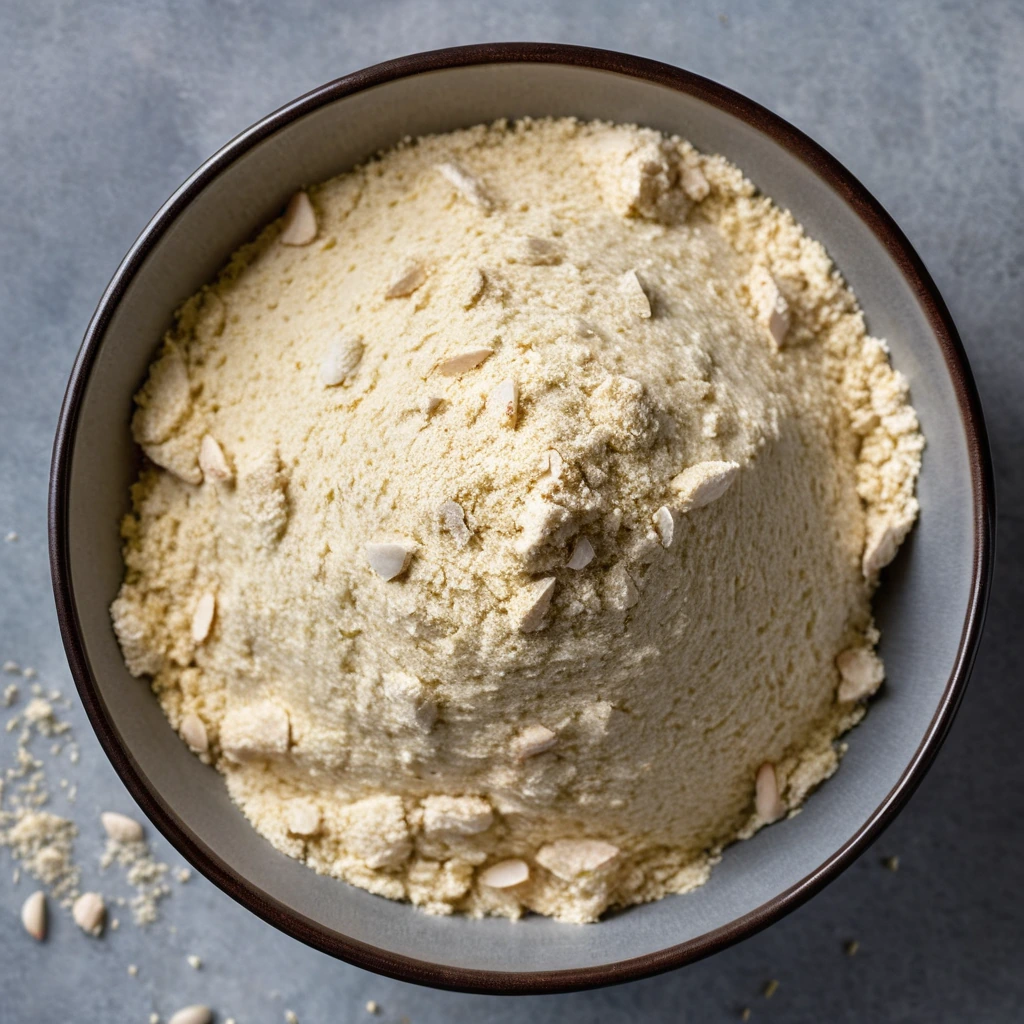
Almond Flour
A finely ground flour made from blanched almonds, offering a delicate nutty aroma and a tender crumb to your baked goods.
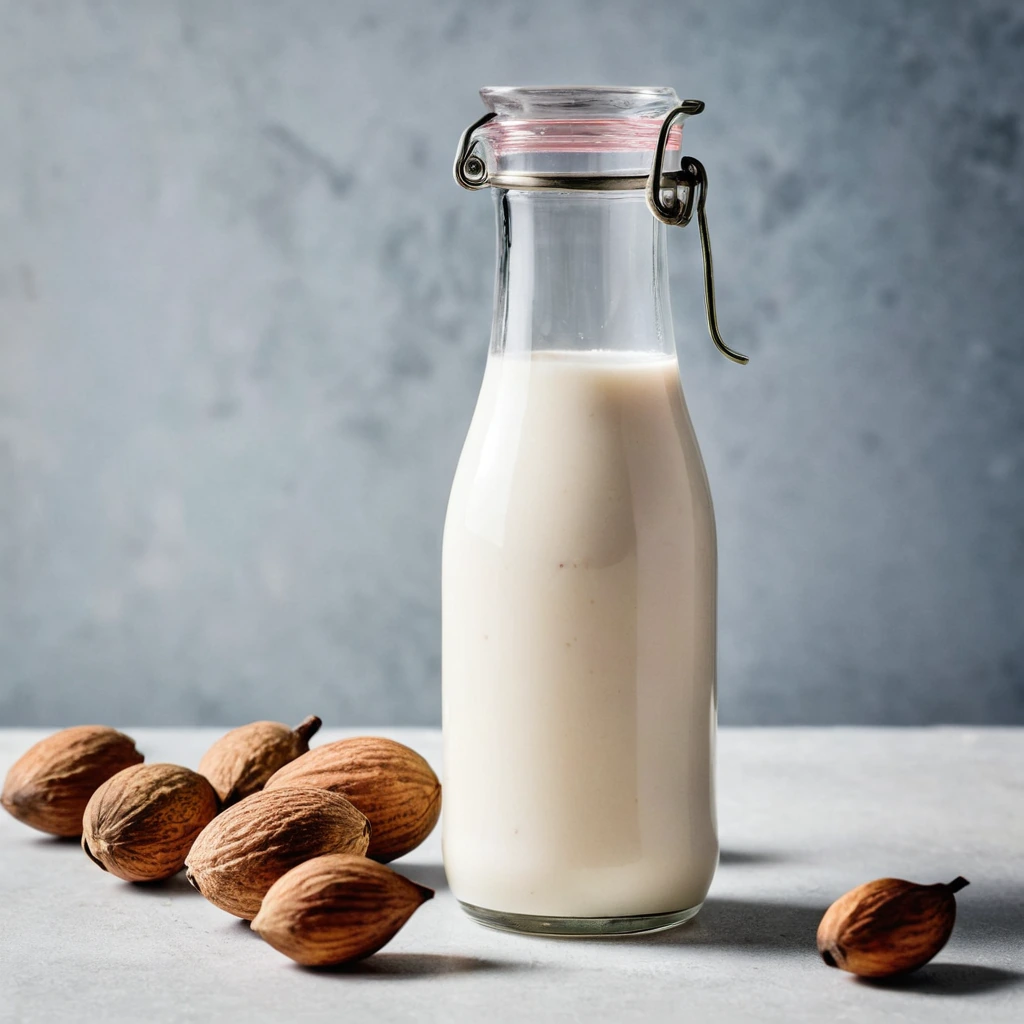
Almond Milk
Almond milk is a plant-based milk alternative made from ground almonds and water. Originating from traditional recipes in medieval Europe and the Middle East, it has gained widespread popularity in modern times as a dairy-free option. Almond milk has a subtly nutty flavor with a mild sweetness, and its aroma is reminiscent of fresh almonds. Its texture is smooth and creamy, though typically lighter than dairy milk. In cooking, almond milk behaves well in both savory and sweet applications, though it does not brown or caramelize like dairy milk. It is often used in cereals, smoothies, and baking, where its delicate flavor complements rather than overpowers other ingredients.
Recipes to try
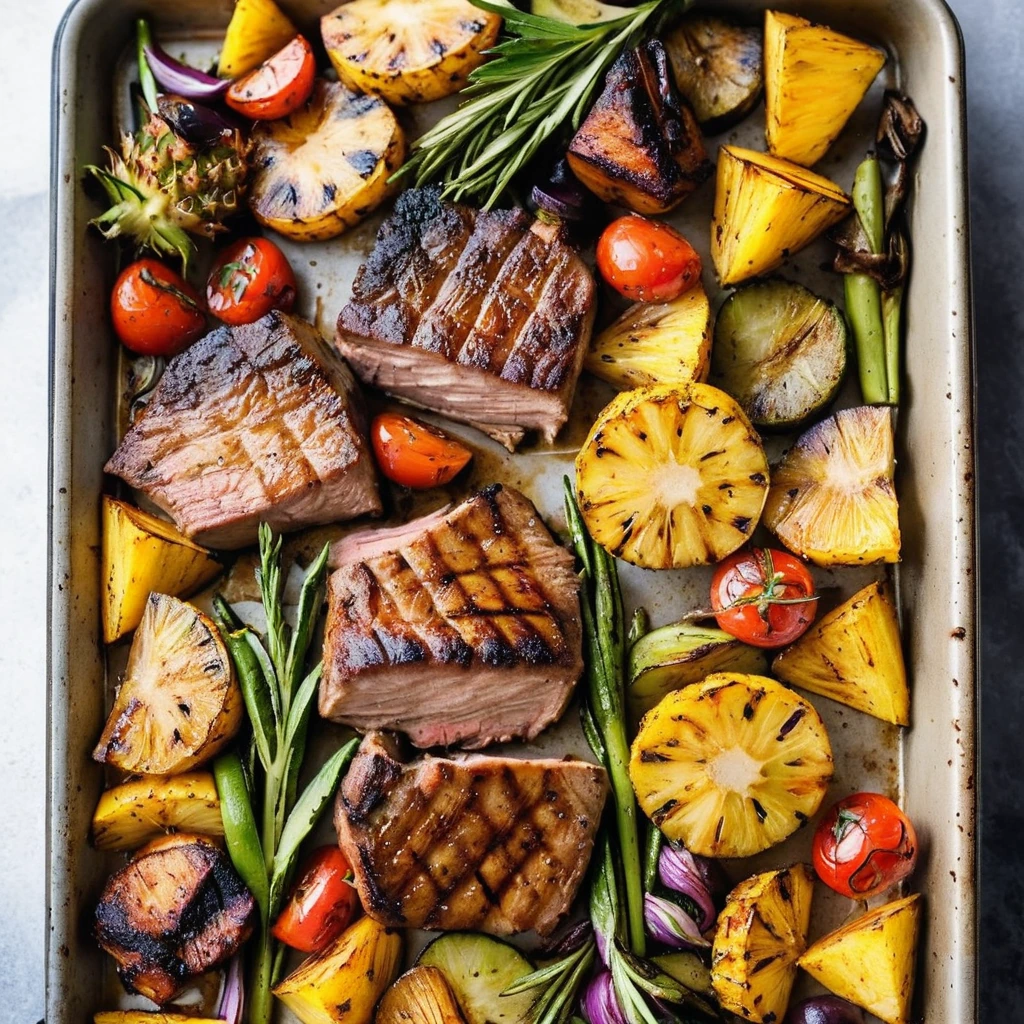
Pork and Pineapple BBQ Sheet Pan Supper
Sweet, tangy, and smoky flavors mingle in this fuss-free sheet pan supper that'll have you licking your plate clean.
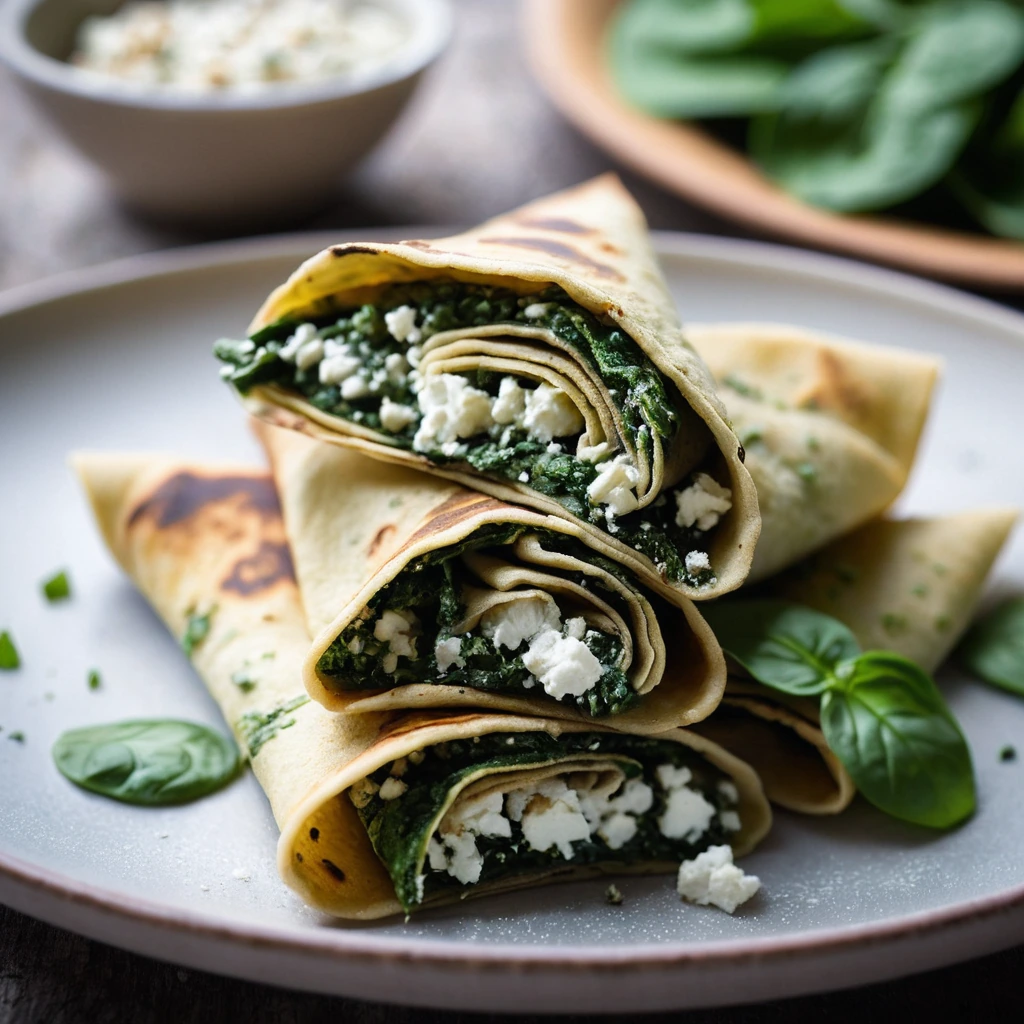
Spinach, Mushroom, and Feta Stuffed Crepes
Golden crepes envelop a savory blend of earthy mushrooms, tender spinach, and tangy feta for a satisfying vegetarian treat.