Smoking: Wood Selection and Clean Smoke
Smoking is an artful technique that infuses food with a rich, woody aroma and flavor. The key to successful smoking lies in choosing the right wood and maintaining a clean smoke. Different woods impart unique flavors: hickory offers a robust, bacon-like taste, ideal for meats like pork and beef; applewood brings a sweet, mild flavor perfect for poultry and fish; mesquite is strong and pungent, best suited for hearty red meats. Understanding the nuances of wood selection can elevate your smoked dishes from good to gourmet. Clean smoke is crucial for avoiding bitter, harsh flavors. This is achieved by managing the temperature and ensuring the wood burns slowly and evenly. Too hot, and you risk combustion; too cool, and the smoke becomes acrid. Achieving the perfect smoke requires patience and attention to detail. This technique is not just about flavoring food but also about preserving it. Smoking creates an environment where bacteria struggle to survive, extending the shelf life of your culinary creations. Whether you're using a smoker, grill, or even a makeshift setup, mastering wood selection and clean smoke will transform your barbecues into memorable feasts. Let's dive into the details and ensure your next smoke session is a resounding success.
Notes
The science behind smoking lies in the chemical reactions between wood smoke and food surfaces, creating new flavor compounds. Troubleshooting common mistakes includes avoiding overly wet wood, which produces too much steam and not enough smoke, and ensuring your smoker isn't too hot, which can lead to creosote formation and bitter flavors. Safety is paramount; always monitor your smoker to prevent fires. Make-ahead tip: Soak your wood the night before to save time. Store leftover wood in a dry, airtight container to keep it fresh for future use.
Steps
- 1 Select your wood based on the type of meat or food you are smoking.
- 2 Soak wood chips or chunks in water for 30 minutes to slow burning and extend smoke time.
- 3 Preheat your smoker to 225°F to 250°F for optimal smoking temperature.
- 4 Drain the wood and place it in a smoker box or directly on the coals if using a grill.
- 5 Maintain a consistent temperature throughout the smoking process.
- 6 Monitor the smoke; it should be thin and bluish-white, indicating clean smoke.
- 7 Avoid opening the smoker lid frequently to maintain temperature and smoke consistency.
- 8 Add more wood as needed to keep the smoke going, ensuring it never becomes too thick or white.
- 9 Use a digital thermometer to monitor the internal temperature of your food.
- 10 Adjust airflow by controlling vents to manage heat and smoke production.
- 11 Experiment with wood blends for complex flavor profiles.
- 12 Ensure your smoker is clean to prevent old residues from affecting flavor.
Ingredients to explore
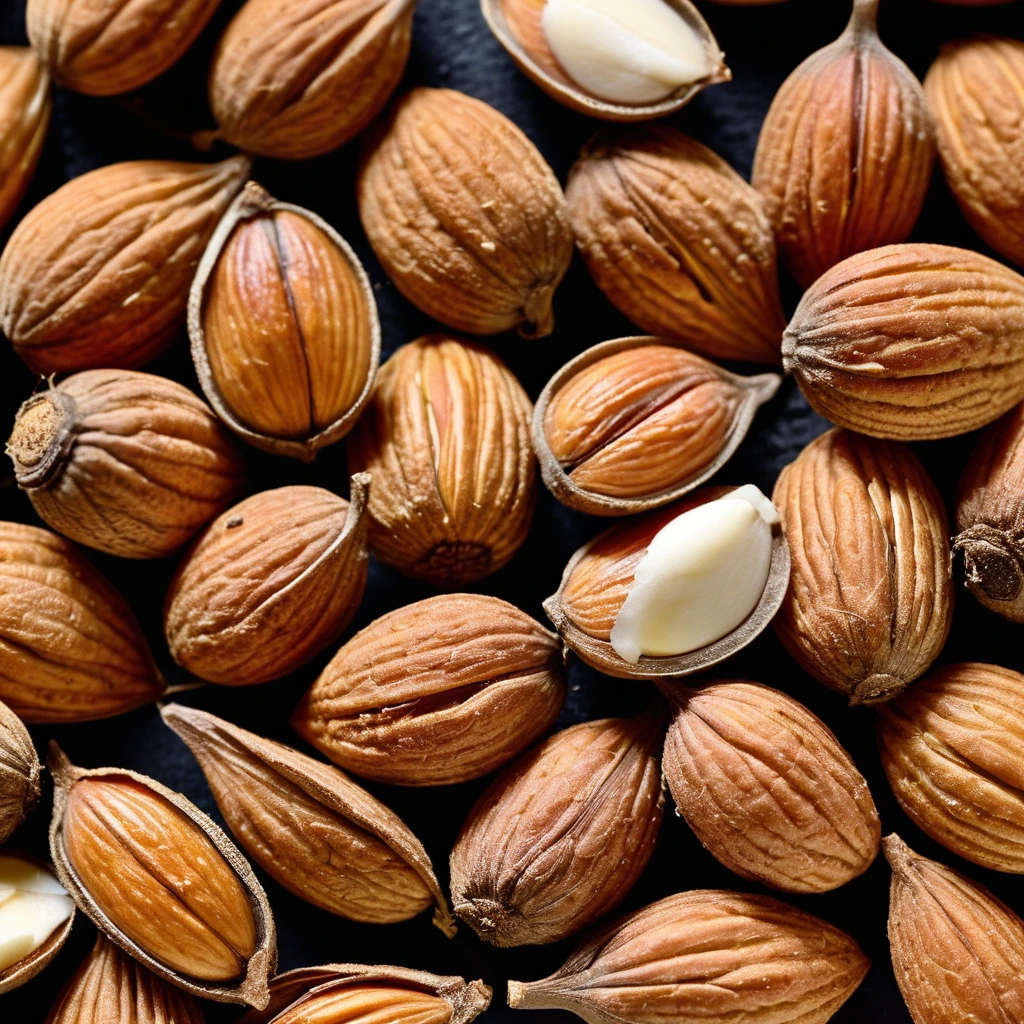
Almond Extract
A fragrant, golden elixir that captures the essence of freshly ground almonds, almond extract is a pantry staple that brings a rich, nutty aroma to your culinary creations.
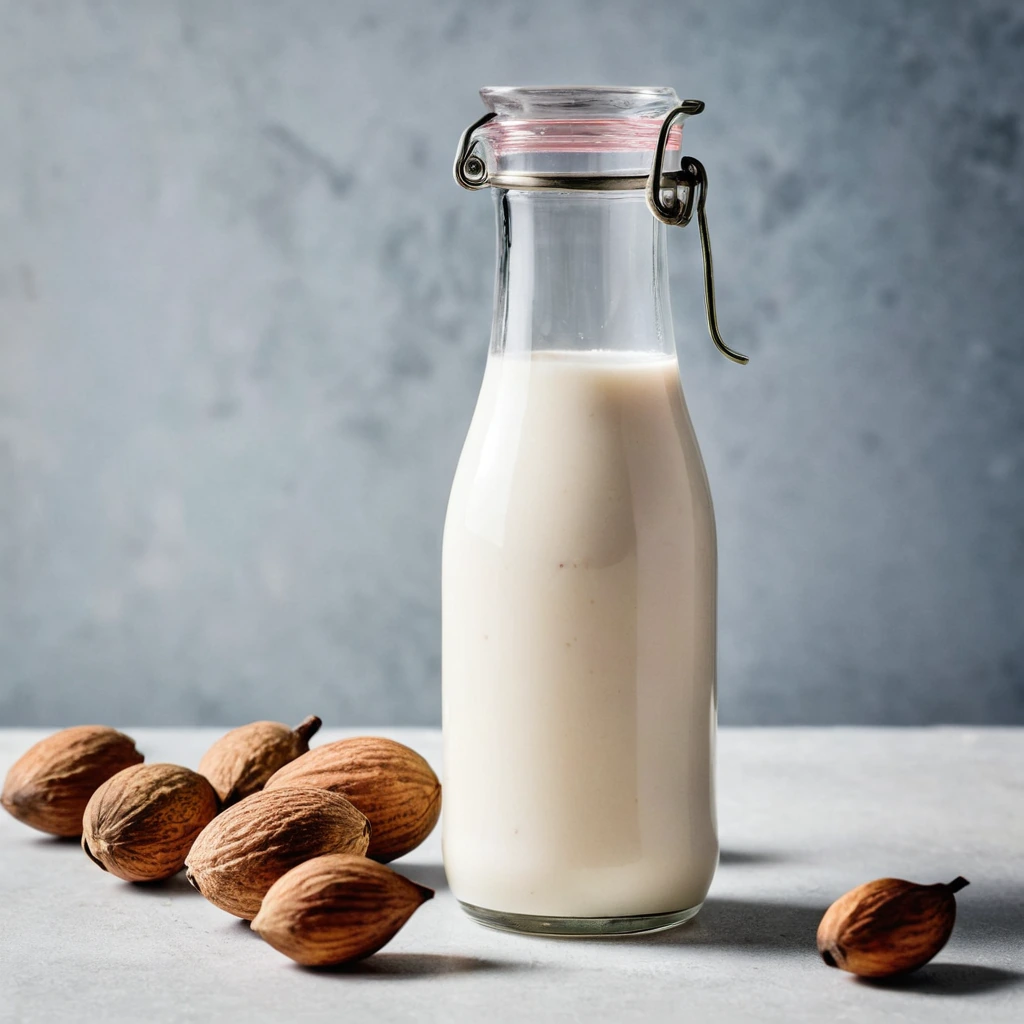
Almond Milk
Almond milk is a plant-based milk alternative made from ground almonds and water. Originating from traditional recipes in medieval Europe and the Middle East, it has gained widespread popularity in modern times as a dairy-free option. Almond milk has a subtly nutty flavor with a mild sweetness, and its aroma is reminiscent of fresh almonds. Its texture is smooth and creamy, though typically lighter than dairy milk. In cooking, almond milk behaves well in both savory and sweet applications, though it does not brown or caramelize like dairy milk. It is often used in cereals, smoothies, and baking, where its delicate flavor complements rather than overpowers other ingredients.