Seafood Technique: Making Ceviche with Safe Citrus Ratios
Ceviche is a vibrant, refreshing dish that showcases the delicate flavors of fresh seafood 'cooked' by the acidity of citrus juices. Contrary to traditional cooking methods, ceviche relies on the chemical reaction between citrus acids and proteins to transform raw seafood into a tender, opaque delicacy. Achieving the perfect ceviche requires precision in selecting the right seafood, understanding safe citrus ratios to ensure food safety, and balancing flavors with an array of aromatic ingredients. This technique dives into the science behind ceviche, offering insights into why certain citrus ratios are crucial for safely enjoying this dish. We'll explore how the acidity level impacts the texture and taste, the importance of freshness in seafood, and how to harmonize the dish with complementary ingredients like onions, cilantro, and chilies. Understanding these elements will empower you to craft a ceviche that is not only safe to consume but also a delightful culinary experience.
Notes
The science behind ceviche lies in the citric acid's ability to denature proteins, essentially 'cooking' the seafood without heat. However, this method does not kill all bacteria, making it crucial to use sushi-grade seafood and adhere to safe citrus ratios. A common mistake is under-marinating, which leaves seafood raw, or over-marinating, leading to a mushy texture. To avoid this, check the seafood after 2 hours and adjust time accordingly. Always keep the dish refrigerated when not in use. For make-ahead, prepare the citrus and vegetables separately and combine just before serving to maintain texture. Leftovers, if any, should be consumed within 24 hours.
Steps
- 1 Select sushi-grade, fresh seafood such as shrimp, scallops, or fish.
- 2 Cut the seafood into small, uniform pieces to ensure even marination.
- 3 In a bowl, combine freshly squeezed lime and lemon juice, ensuring the citrus covers the seafood. Use a ratio of 1 part seafood to 2 parts citrus juice for safety and flavor.
- 4 Let the seafood marinate in the refrigerator for 2-4 hours, checking for opacity and firmness.
- 5 While marinating, finely dice red onion and mince fresh cilantro for garnish.
- 6 After marinating, drain excess citrus juice and transfer seafood to a serving dish.
- 7 Gently fold in diced onions, cilantro, and diced chili peppers to taste.
- 8 Season with salt and pepper to taste, and add a splash of citrus juice before serving.
- 9 Chill until ready to serve, ensuring the dish stays below 40°F to prevent bacterial growth.
Ingredients to explore
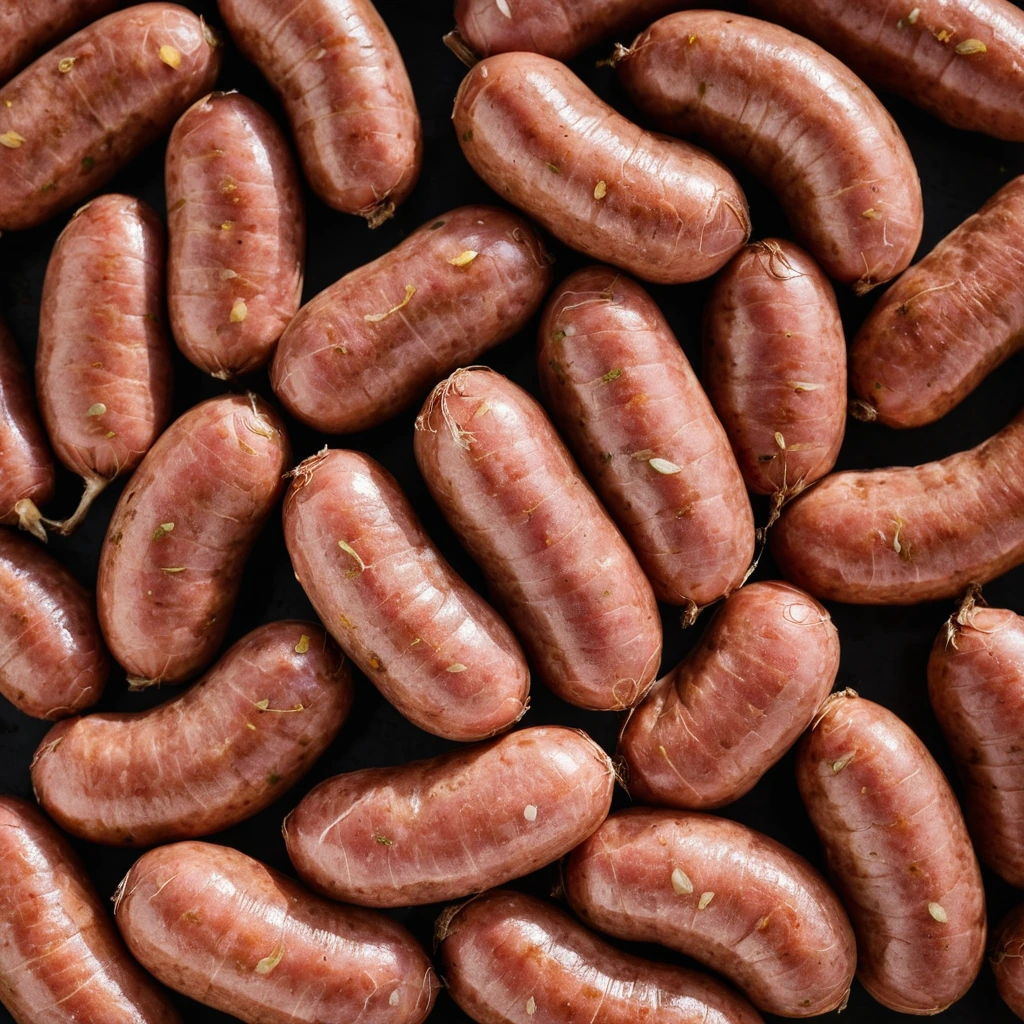
Andouille Sausage
Andouille sausage is a coarse-grained, smoked pork sausage with a rich history rooted in French cuisine, particularly from the Alsace region. It was adapted in Louisiana, where it became a staple in Cajun and Creole cooking. The sausage is known for its robust, smoky flavor with hints of garlic, pepper, and other spices, creating a spicy and savory profile. Its texture is firm yet slightly chewy, making it a hearty addition to dishes. When cooked, andouille sausage maintains its shape well and infuses dishes with its distinctive smoky essence, enhancing stews, soups, and rice dishes.
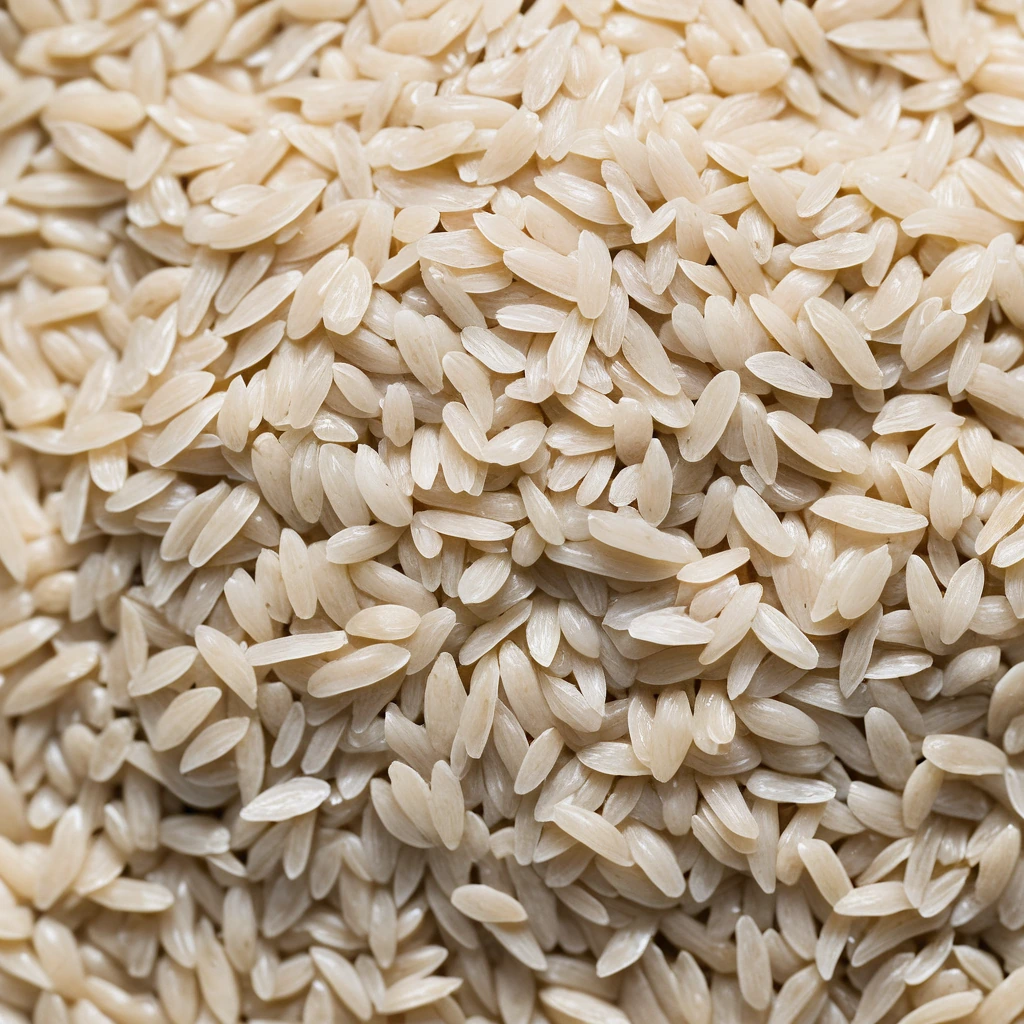
Arborio Rice
Arborio rice is a short-grain Italian rice variety renowned for its use in risotto. Originating from the Po Valley in Northern Italy, it is a staple in Italian cuisine. Its flavor is mild and nutty, with a pleasant creamy texture when cooked due to its high amylopectin content, which releases starch and creates a velvety consistency. The grains remain plump and firm to the bite, offering a satisfying chewiness. In cooking, Arborio rice excels at absorbing flavors from broths and seasonings while maintaining its shape, making it ideal for dishes that require both creaminess and structure.
Recipes to try

Strawberry Cream Cheese Stuffed French Toast
Imagine warm, golden French toast stuffed with a tangy cream cheese and sweet strawberry surprise – breakfast just got a gourmet upgrade.
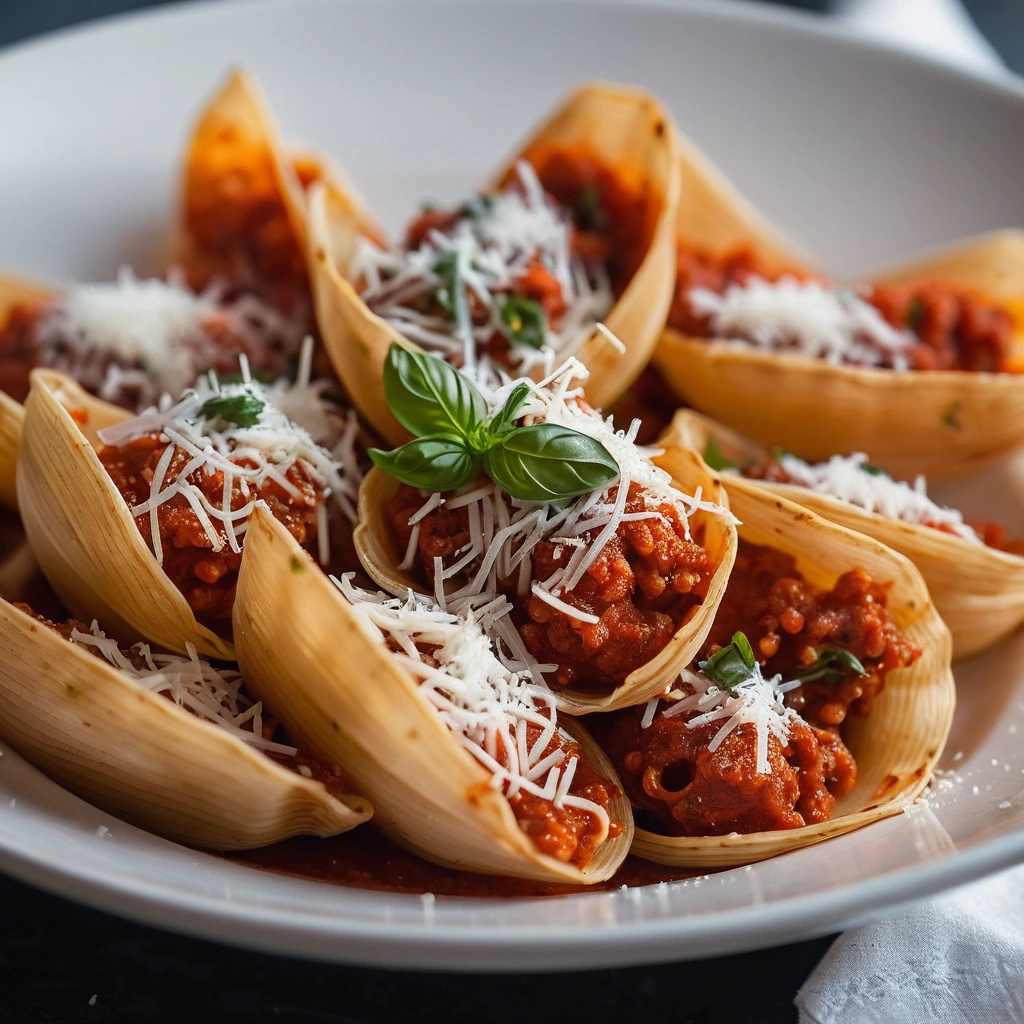
Spicy Arrabbiata Shells with Parmesan
Fiery and fresh, these pasta shells are smothered in a spicy tomato sauce and crowned with nutty Parmesan.