Seafood Technique: Grilling Fish Steaks Without Falling Apart
Grilling fish steaks can be a daunting task for home cooks, but with the right technique, you can achieve restaurant-quality results right in your backyard. The key is to maintain the integrity of the fish while imparting those desirable grill marks and smoky flavor. Fish steaks, cut from the thickest part of the fish, are perfect for grilling because they hold up well under high heat. However, they can still fall apart if not handled properly. This technique involves prepping the steaks to withstand the grill's heat, selecting the right fish, and using precise timing and temperature control to ensure a succulent, flavorful outcome every time. Understanding the nuances of fish proteins and how they react to heat is essential. We'll dive into choosing the right tools, preparing the grill, seasoning the fish, and flipping techniques that keep your steaks intact. From selecting firm-fleshed fish like tuna or swordfish to oiling the grill grates and creating a flavorful crust, this comprehensive guide will help you master grilling fish steaks without the worry of them disintegrating into a pile of flakes. Additionally, we'll explore how resting the fish post-grill can lock in moisture, ensuring each bite is tender and juicy.
Notes
The secret to grilling fish steaks without falling apart lies in the firmness of the fish and its ability to withstand high heat. Fish proteins coagulate when exposed to heat, so starting with a dry surface allows for better searing and crust formation. Avoid flipping the fish repeatedly, as this can cause it to break apart. Instead, let it cook undisturbed until ready to flip. If you're concerned about sticking, consider using a grill basket or cedar planks for extra support. Always ensure your grill is clean and well-oiled to prevent sticking. For make-ahead preparation, season the steaks up to 2 hours in advance and store them in the refrigerator. Once grilled, fish steaks are best served immediately but can be stored in an airtight container in the fridge for up to 2 days. Reheat gently to maintain texture.
Steps
- 1 Select firm fish steaks such as tuna, swordfish, or salmon, about 1 to 1.5 inches thick.
- 2 Pat the fish steaks dry with paper towels to remove excess moisture.
- 3 Season the steaks generously with salt and pepper or your favorite dry rub.
- 4 Preheat your grill to medium-high heat, about 400°F to 450°F.
- 5 Clean the grill grates thoroughly and oil them lightly using a paper towel dipped in oil and held with tongs.
- 6 Place the fish steaks on the grill at a 45-degree angle to create crosshatch marks.
- 7 Grill for 4 to 5 minutes without moving to allow a crust to form.
- 8 Use a thin metal spatula to flip the steaks gently, maintaining their structure.
- 9 Grill the other side for another 4 to 5 minutes, depending on desired doneness.
- 10 Check for internal temperature; fish is done when it reaches 145°F.
- 11 Remove the steaks from the grill and let them rest for 3 to 5 minutes before serving.
- 12 Optional: Brush with a complementary sauce or garnish with fresh herbs before serving.
- 13 Serve immediately while still hot and flaky.
Ingredients to explore
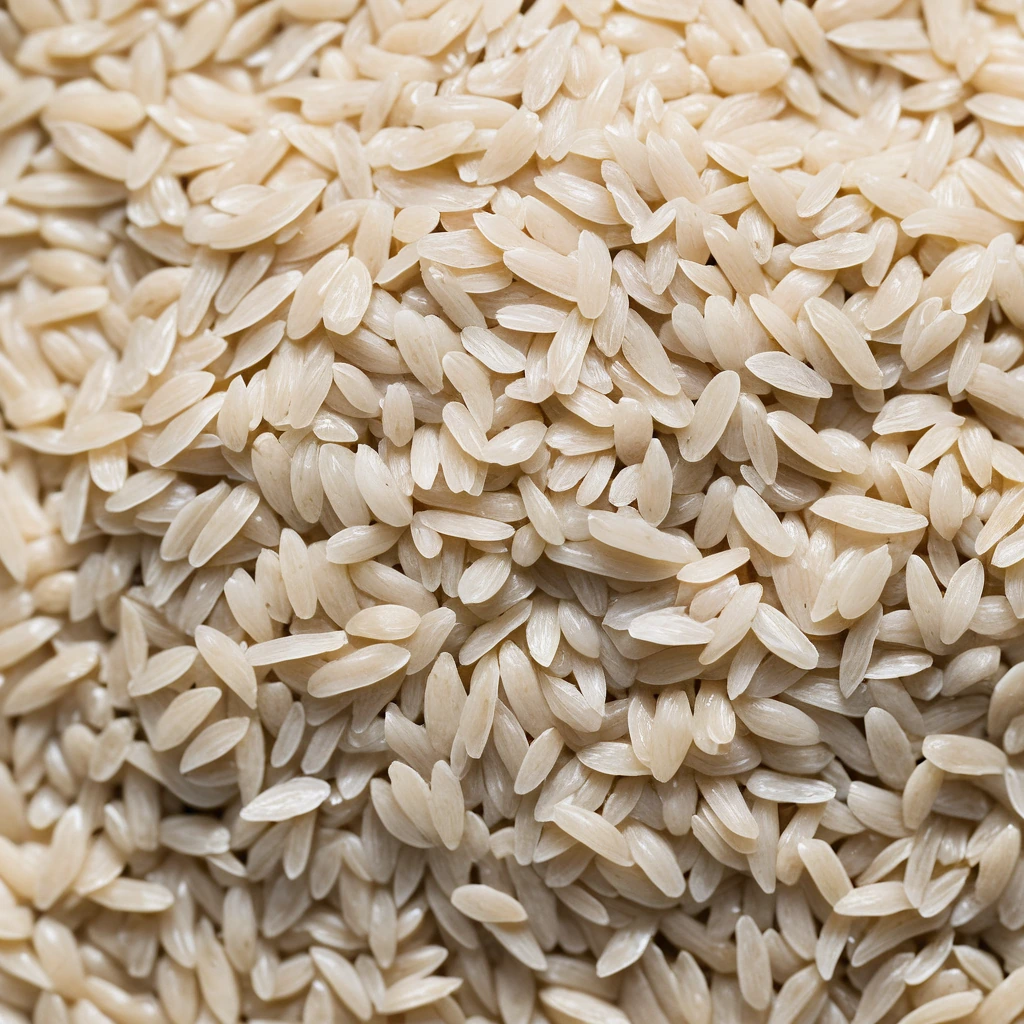
Arborio Rice
Arborio rice is a short-grain Italian rice variety renowned for its use in risotto. Originating from the Po Valley in Northern Italy, it is a staple in Italian cuisine. Its flavor is mild and nutty, with a pleasant creamy texture when cooked due to its high amylopectin content, which releases starch and creates a velvety consistency. The grains remain plump and firm to the bite, offering a satisfying chewiness. In cooking, Arborio rice excels at absorbing flavors from broths and seasonings while maintaining its shape, making it ideal for dishes that require both creaminess and structure.
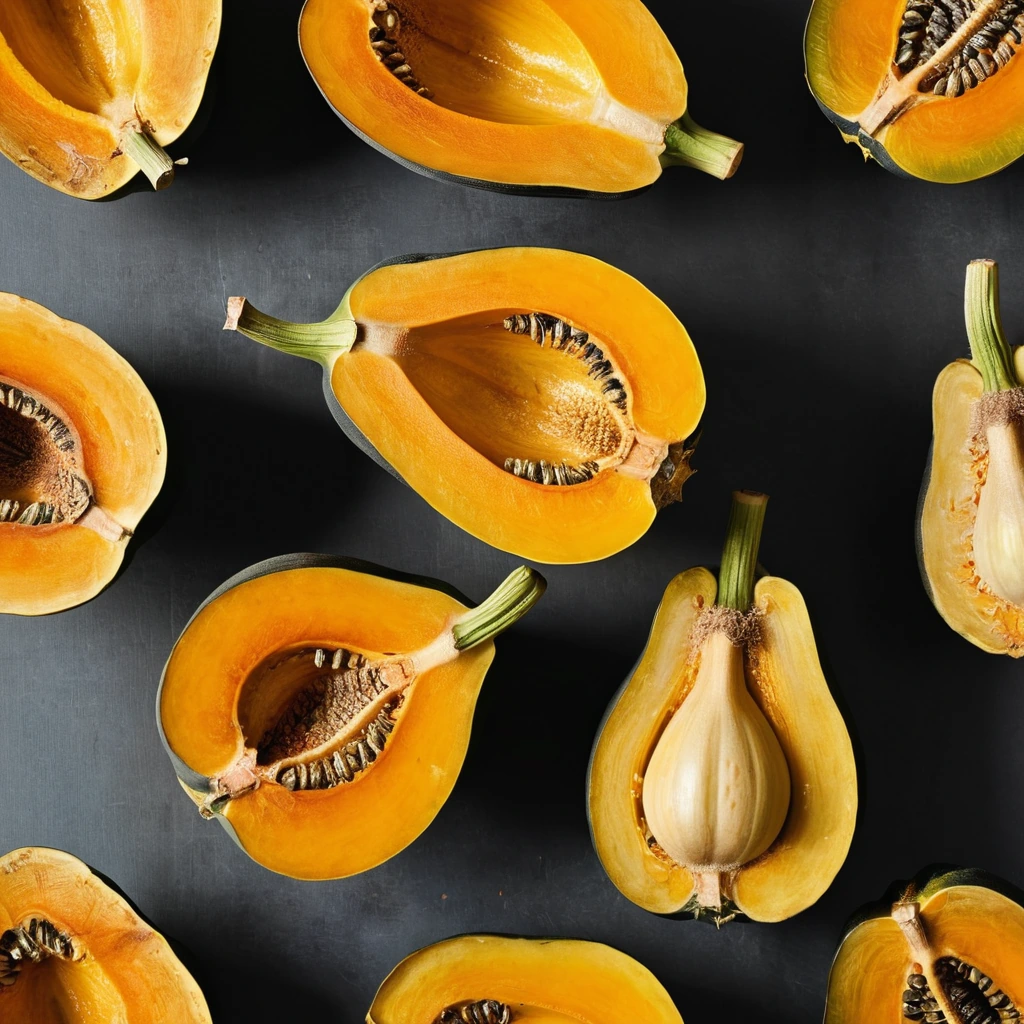
Acorn Squash
Acorn squash is a winter squash variety known for its distinctive teardrop shape and deep ridges resembling the texture of an acorn shell. Originating in the Americas, it has been cultivated for centuries and is a staple in autumn cuisine. The flesh is sweet and nutty with a hint of earthiness, offering a delightful contrast to savory dishes. Its texture is dense yet tender when cooked, making it ideal for roasting or pureeing. In cooking, acorn squash holds its shape well and absorbs flavors from herbs and spices, enhancing both its taste and versatility in recipes.
Recipes to try
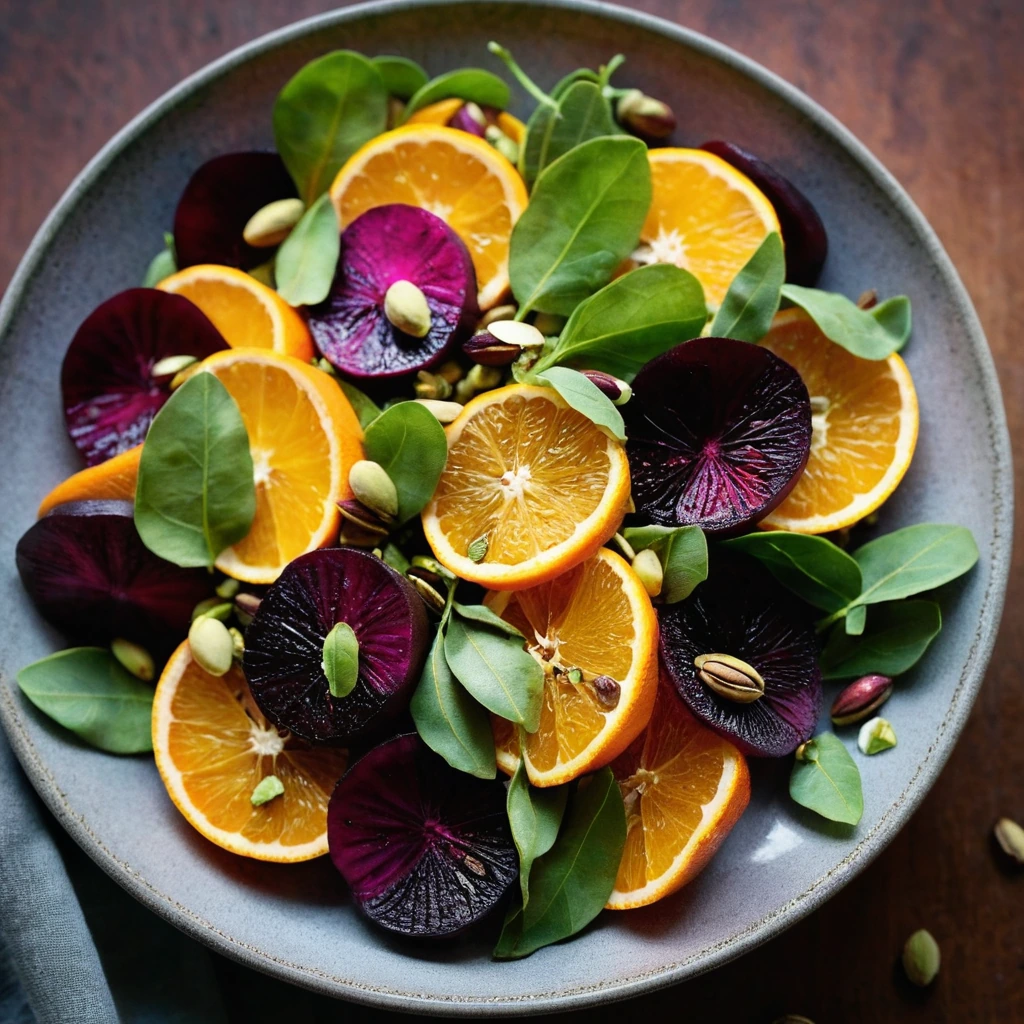
Roasted Beet, Orange, and Pistachio Salad
Warm roasted beets mingle with citrusy orange segments and crunchy pistachios for a vibrant, refreshing salad that sings with color and flavor.
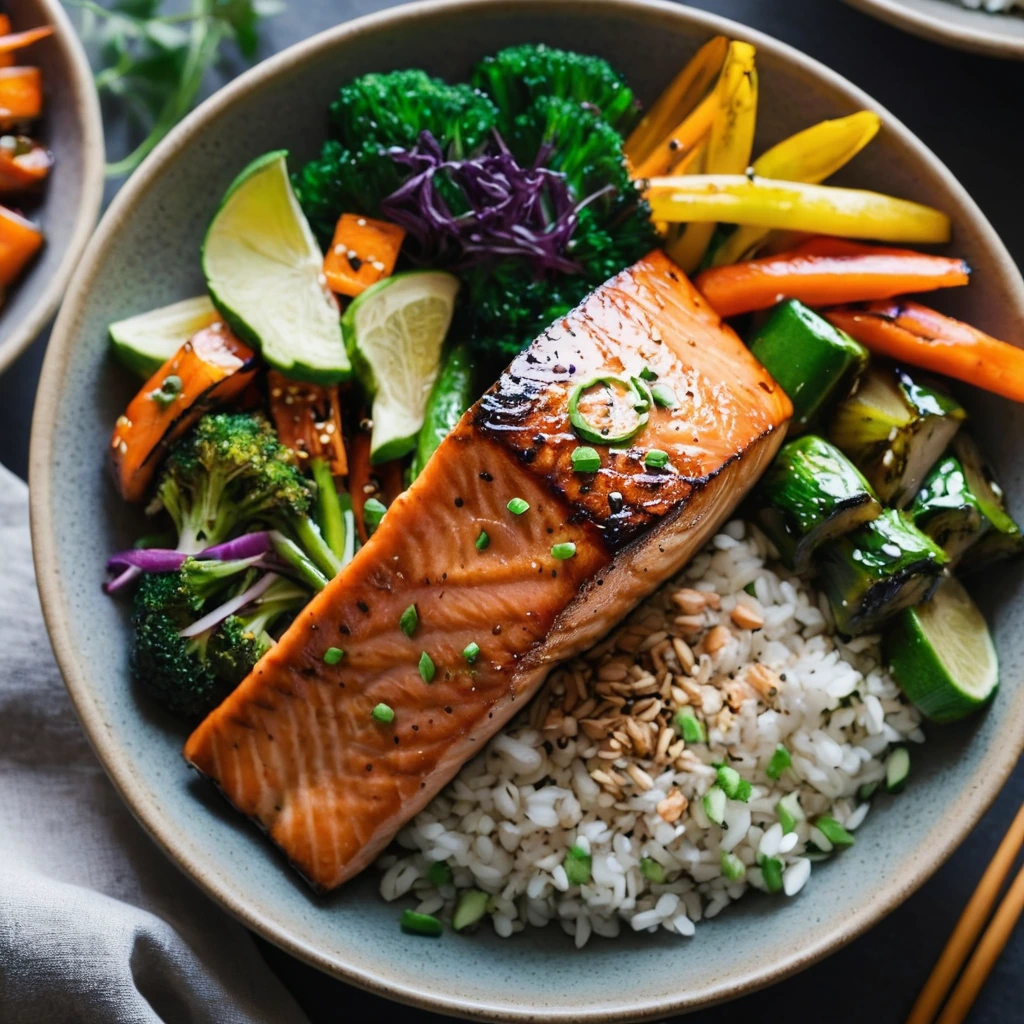
Teriyaki Glazed Salmon and Veggie Bowls
Sweet and savory teriyaki glaze coats succulent salmon fillets atop a vibrant medley of colorful veggies, creating a symphony of flavors in every bite.