Sauce Technique: Whisking Hollandaise Over Gentle Heat
Hollandaise sauce is a classic French emulsion that can elevate any brunch or dinner. Achieving a smooth, velvety hollandaise requires patience and precision. This technique focuses on whisking hollandaise over gentle heat, ensuring a stable emulsion that won't break. First, understanding the balance between butter and egg yolks is crucial; the yolks act as an emulsifier, binding the fat and liquid together. Gentle heat is key to cooking the yolks just enough to thicken the sauce without scrambling them. Clarified butter is preferred because it has a higher smoke point and no milk solids that could break the emulsion. The whisking motion is critical to incorporating air and creating a light, creamy texture. Maintaining a consistent temperature prevents the sauce from curdling or seizing up. As you whisk, the sauce will gradually thicken, signaling that the emulsion is forming. Achieving the perfect hollandaise requires attention to detail and a watchful eye. With practice, you'll master the art of creating this luxurious sauce that complements eggs Benedict, asparagus, and more. The gentle heat technique not only makes the process more manageable but also allows for better control over the sauce's consistency. Remember, patience is your greatest ally in this culinary endeavor.
Notes
The science behind hollandaise lies in the emulsion of fat and water, stabilized by lecithin in egg yolks. Gentle heat is essential to avoid cooking the yolks too quickly, which can scramble them and ruin the sauce. If your sauce breaks, don't despair; remove it from heat and whisk in a teaspoon of cold water or another egg yolk to help re-emulsify it. Safety is crucial when working with raw eggs; consider using pasteurized yolks if concerned about salmonella. Hollandaise is best served immediately but can be made ahead and reheated gently in a water bath, whisking constantly to prevent separation. Store any leftovers in an airtight container in the refrigerator for up to two days.
Steps
- 1 Separate 3 egg yolks into a heatproof bowl.
- 2 Whisk in 1 tablespoon of lemon juice and a pinch of salt.
- 3 Set the bowl over a saucepan of gently simmering water, ensuring the bottom of the bowl does not touch the water.
- 4 Whisk continuously in a figure-eight motion to incorporate air.
- 5 Once the mixture begins to thicken and pale, slowly drizzle in 1 cup of warm clarified butter, whisking constantly.
- 6 Continue whisking until the sauce is smooth and creamy.
- 7 Remove the bowl from heat and adjust seasoning with additional lemon juice or salt if needed.
- 8 Keep the sauce warm over the lowest possible heat, whisking occasionally to maintain consistency.
- 9 Strain the sauce through a fine-mesh sieve for a perfectly smooth texture.
Ingredients to explore
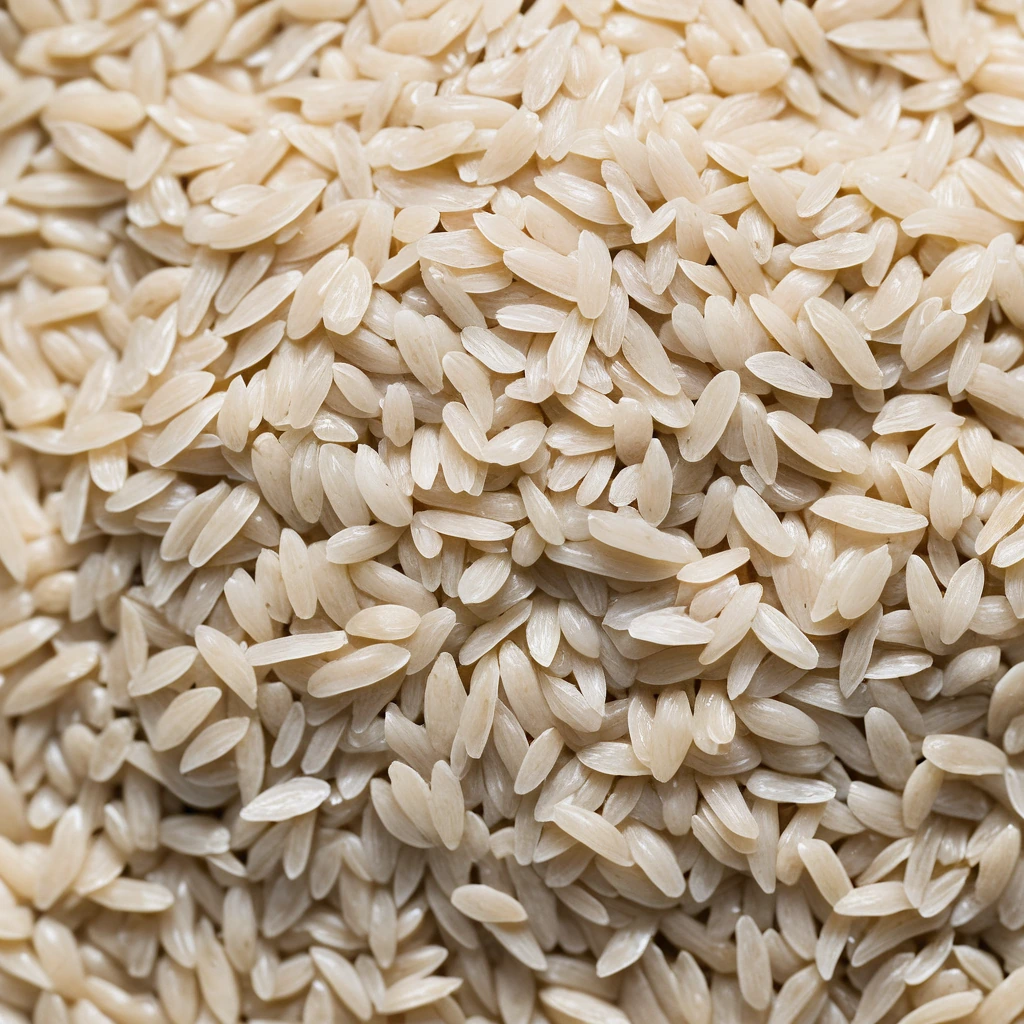
Arborio Rice
Arborio rice is a short-grain Italian rice variety renowned for its use in risotto. Originating from the Po Valley in Northern Italy, it is a staple in Italian cuisine. Its flavor is mild and nutty, with a pleasant creamy texture when cooked due to its high amylopectin content, which releases starch and creates a velvety consistency. The grains remain plump and firm to the bite, offering a satisfying chewiness. In cooking, Arborio rice excels at absorbing flavors from broths and seasonings while maintaining its shape, making it ideal for dishes that require both creaminess and structure.

Agave Nectar
A golden, velvety sweetener derived from the agave plant, offering a subtly sweet flavor with a smooth, syrup-like texture.
Recipes to try
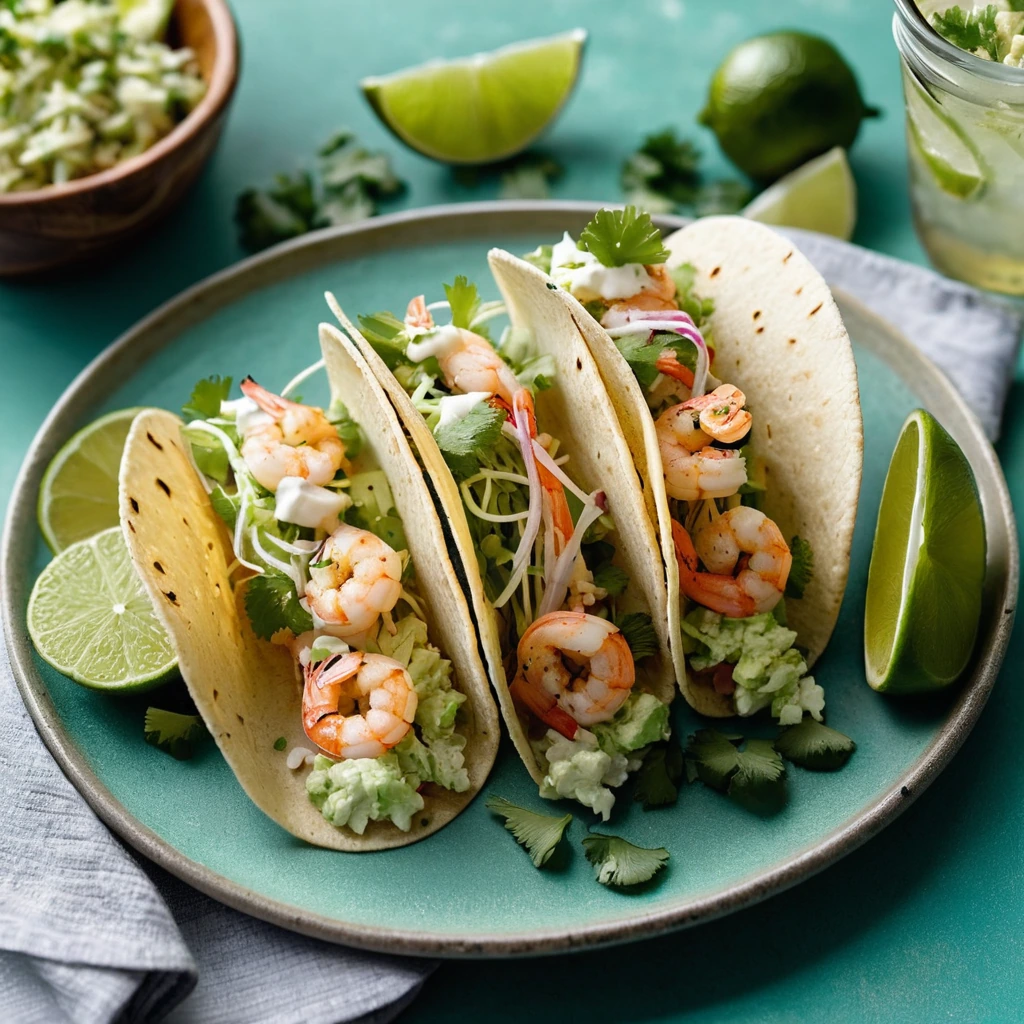
Shrimp Tacos with Cilantro Lime Slaw
Juicy grilled shrimp nestled in warm tortillas, topped with a vibrant cilantro lime slaw that's as refreshing as a sea breeze.
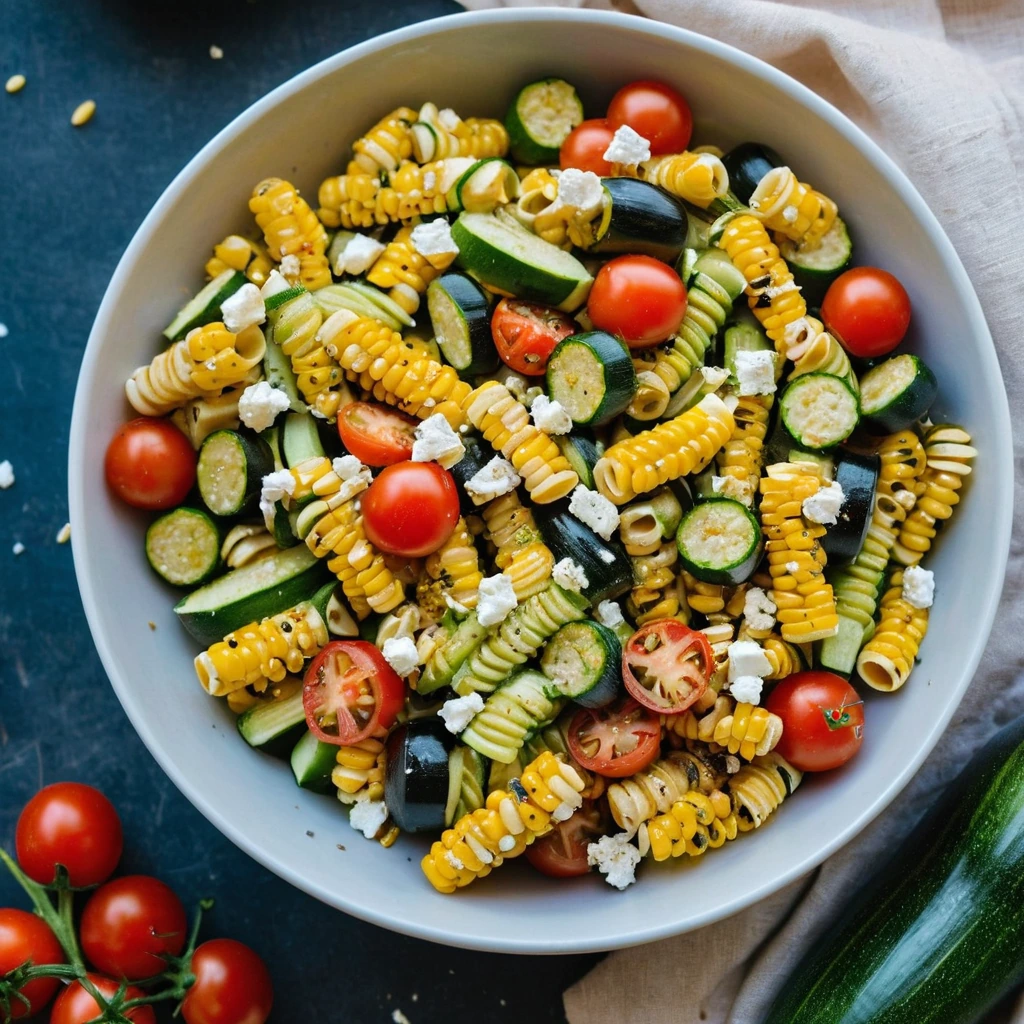
Roasted Zucchini, Corn, and Tomato Pasta Salad
This vibrant pasta salad is bursting with smoky roasted veggies and tangy feta, making every bite a taste of summer.